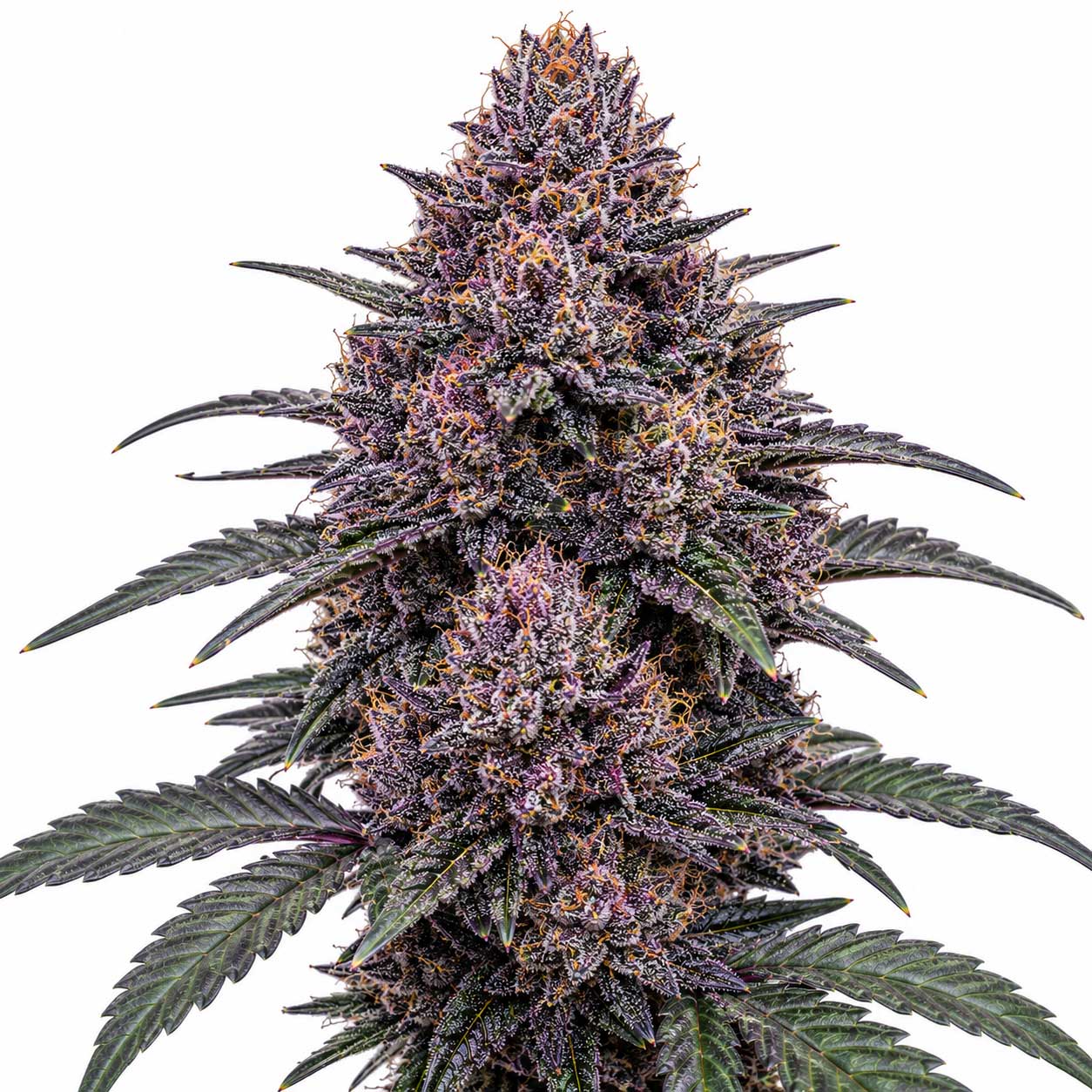
Midori 44 (Cannabis Strain)
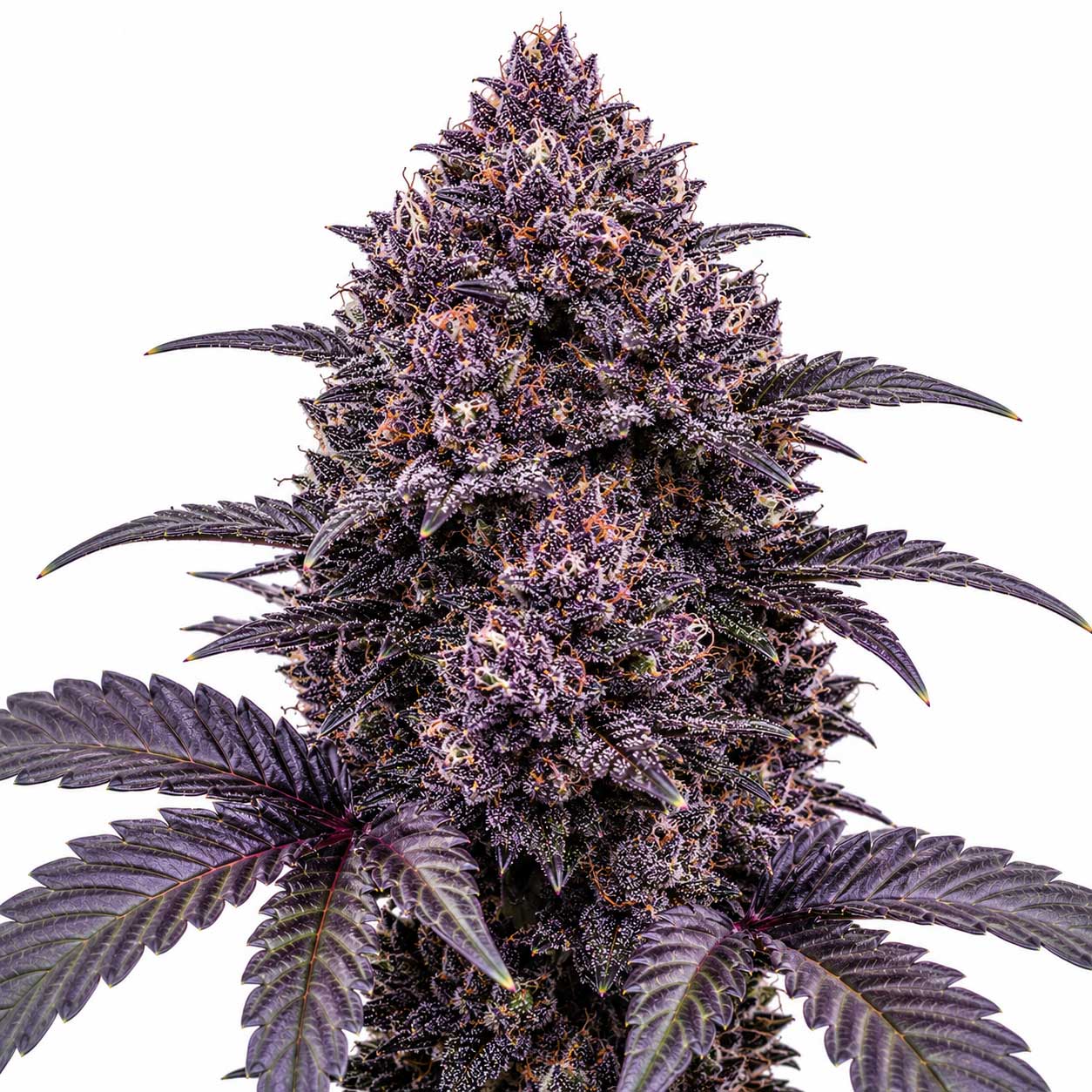
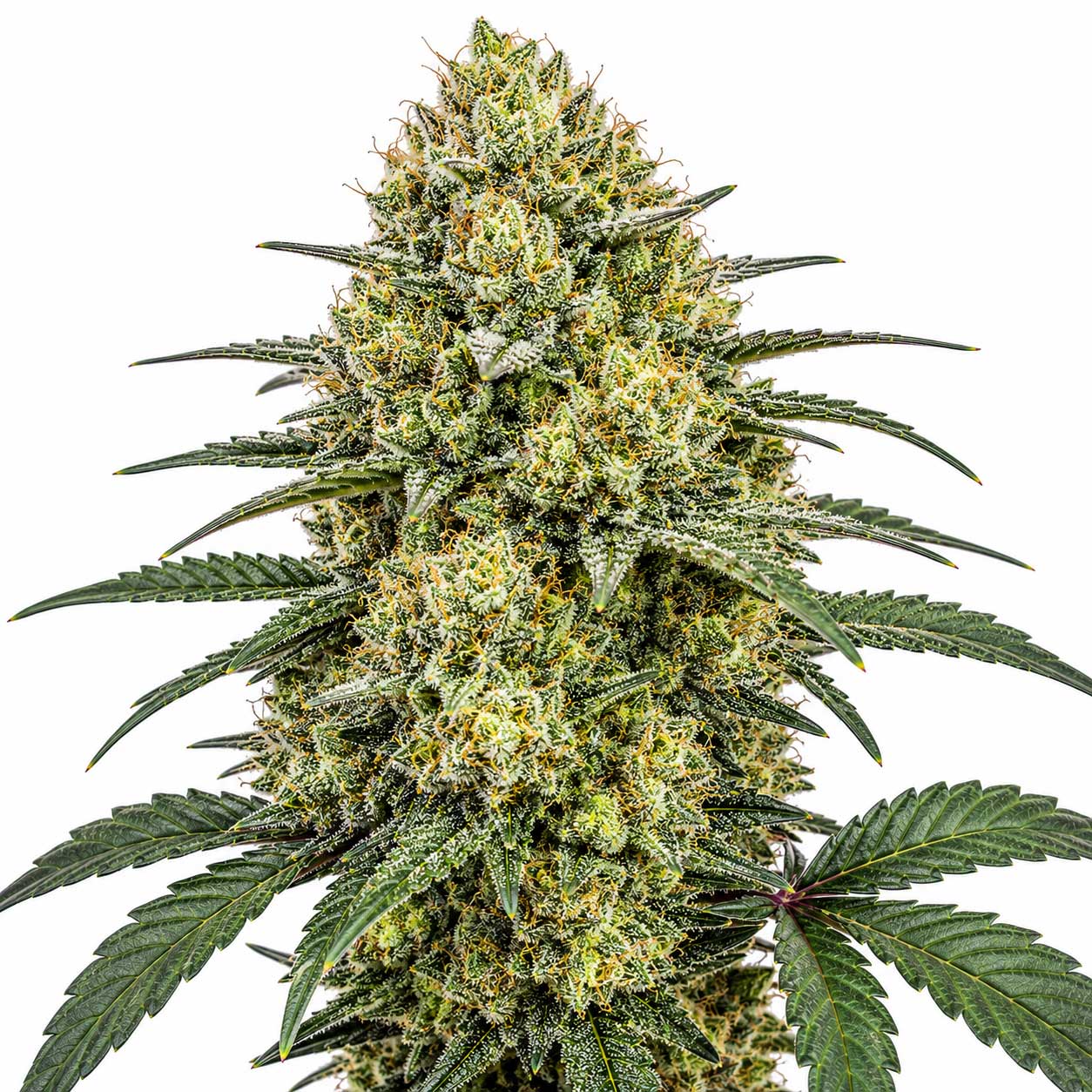
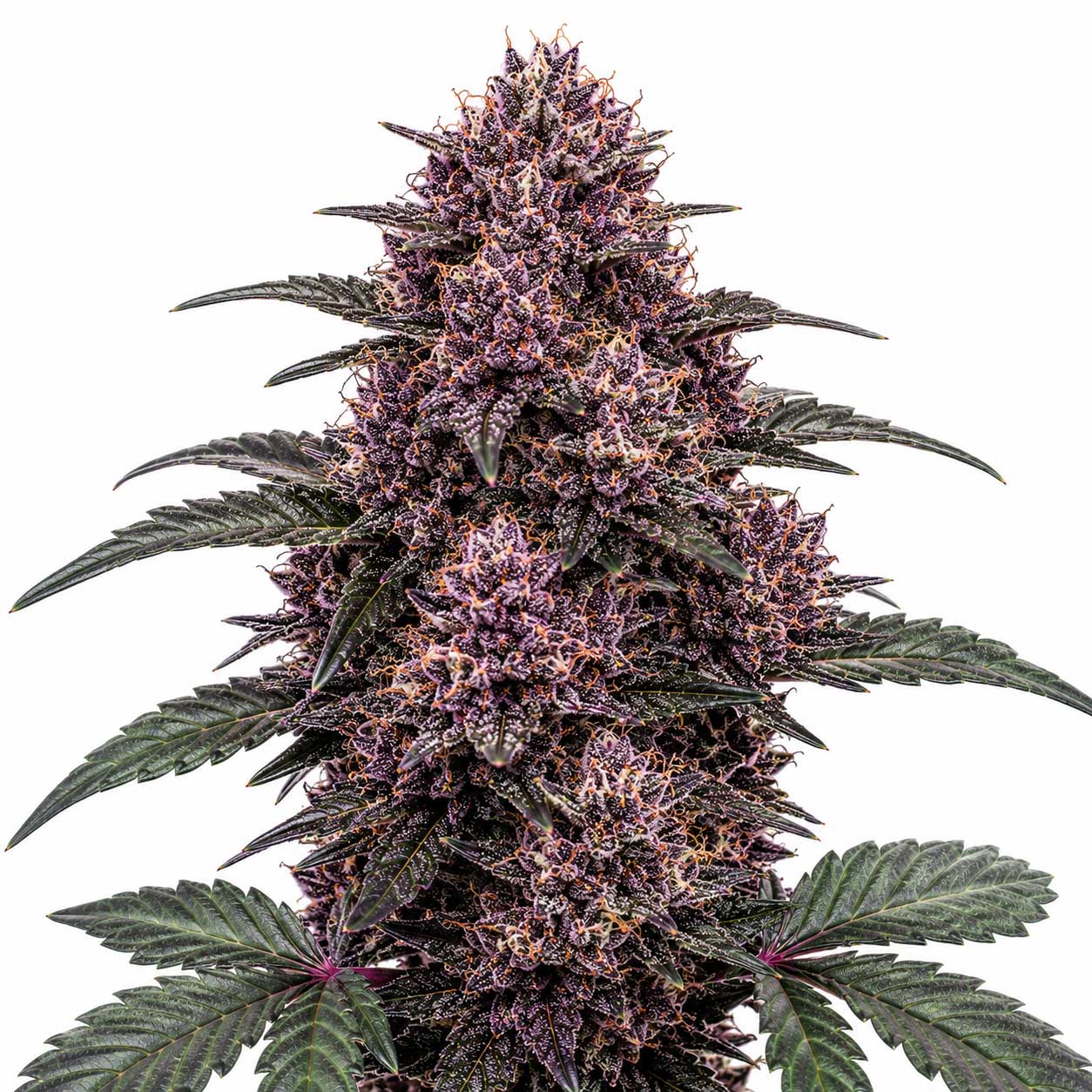
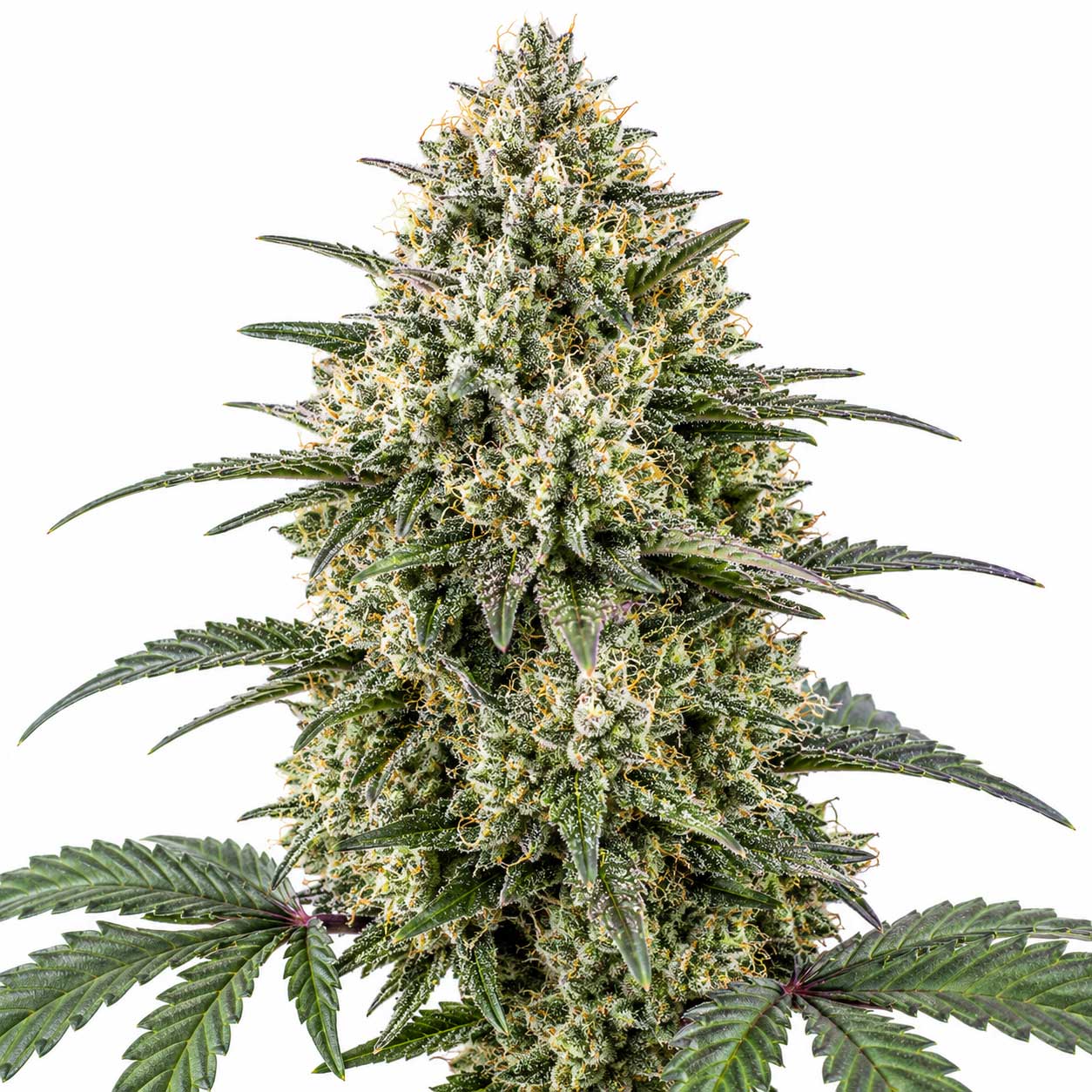
Midori 44 is a hybrid cultivar crossing Midori Zushi and Slurricane #44. Developed by In House Genetics, this feminized variety integrates a maternal lineage of Midori Zushi (Yellow Zushi × Blue Zushi) backcrossed onto their established Slurricane #44 foundation. The strain is characterized by dense calyx stacking, high resin production, and a prominent confectionary terpene profile that produces heavy visual frosting across its compact, dark-tinted flower clusters.
Introduced to the market in May 2026 as part of In House Genetics’ specialized Midori Zushi lineage rollout, Midori 44 was engineered specifically to combine the distinct sweet elements of the Zushi family with the enhanced physical density and trichome accumulation of the Slurricane line. The resulting buds offer a highly polished cosmetic aesthetic designed to meet the quality standards of modern boutique cultivators and extraction technicians.
Quick Facts
| Metric | Details |
|---|---|
| Genetics | Midori Zushi × Slurricane #44 |
| Variety | Hybrid |
| Breeder | In House Genetics |
| Seed Type | Feminized Seeds |
| THC Range | 22.0% – 28.5% |
| Flowering Time | 8 – 9 Weeks |
| Yield Potential | Moderate to High |
| Plant Height | Medium |
| Climate Preference | Temperate, low late-flower humidity |
| Difficulty | Moderate |
Scientific & Botanical Overview
Midori 44 exhibits robust hybrid morphology, characterized by broad fan leaves, dense foliage development, and rigid lateral branches. Due to the strain’s tight nodal spacing and aggressive calyx stacking during development, intentional defoliation throughout the vegetative and early bloom phases is essential to sustain optimal light penetration and gas exchange through the lower plant canopy.
As the photoperiod moves into the mid-to-late flowering stages, the bract structures swell extensively, creating tightly packed, dense colas with a highly favorable calyx-to-leaf ratio. Anthocyanin accumulation is readily stimulated in this cultivar; under lower night-cycle temperatures, the leaves and underlying floral bracts transition into deep shades of violet, purple, and dark forest green.
The resin profile is dominated by a heavy coverage of capitate-stalked trichomes that begin secreting visibly by the third week of flower. This extreme glandular development wraps the entire bud structure in a dense, stable layer of wet resin heads that preserves efficiently throughout harvesting, drying, and curation processing.
Effects & Use-Cases (Reported)
Commonly reported effects: Consumer feedback indicates a prompt onset of cerebral clarity coupled with a heavy, deeply relaxing physical grounding. The initial lift is frequently described as euphoric and mentally clarifying, which smoothly gives way to a centered, tranquil physical state that helps ease tension without triggering immediate, heavy sedation.
Use-case context: This balanced profile makes the cultivar highly suitable for late afternoon or evening use, providing a functional transition after daily activities. It is often chosen by those looking to unwind physically while maintaining enough cognitive focus for creative focus or conversation.
Note: Individual experiences may vary depending on dosage, tolerance, and specific phenotype chemistry.
Aroma & Flavors
Aroma: Opening a jar reveals an intense, volatile blast of sweet melon gelato and sugary confections, immediately supported by a pungent, deep chemical-gas undertone. The aromatic profile carries wide room dispersion, blending complex fruit sweetness with a sharp hit of tropical fuel.
Flavor: On the inhale, the smoke profile delivers smooth notes of ripe, creamy melon and dessert-like gelato. The exhale brings forward a sharper, doughy fuel dynamic, leaving a clean, long-lasting herbal and sweet citrus trail on the palate.
Terpene associations: Phytochemical analysis of this lineage typically indicates a strong dominance of limonene, caryophyllene, and linalool, which work collectively to establish its sweet, fuel-forward, and spicy floral traits.
Tested Cannabinoid & Terpene Ranges
| Compound | Typical Range |
|---|---|
| Δ9-THC | 22.0% – 28.5% |
| CBD | < 1.0% |
| CBG | 0.5% – 1.5% |
| Limonene | 0.5% – 0.9% |
| Beta-Caryophyllene | 0.4% – 0.8% |
| Linalool | 0.2% – 0.5% |
Note on ranges: Terpene and cannabinoid levels are highly variable and depend heavily on environmental factors, cultivation methods, and specific phenotypes.
Cultivation Notes
- Humidity Management: Maintain relative humidity (RH) below 45% during the final three weeks of flowering to prevent moisture retention within the highly compacted, stacked colas.
- Nutrient Feeding: This cultivar thrives on a moderate, balanced feeding regimen and shows typical hybrid sensitivity to nitrogen over-saturation during early vegetative stages.
- Canopy Control: Utilizing low-stress training (LST) and early topping during the vegetative cycle is recommended to secure a flat, uniform canopy and maximize light exposure across all node sites.
- Temperature Control: Lowering night temperatures by 10°F during the final ripening phase stimulates the expression of deep purple hues and promotes dense trichome stabilization.
- Harvest Timing: Harvest windows are optimized when trichome heads appear mostly milky white with roughly 10% to 15% shifting to amber, ensuring a balanced, full-spectrum outcome.
Grower Notes (Week-by-Week Snapshot)
- Weeks 1–3 (Vegetative & Early Stretch): Focus on developing a strong, established root architecture and execute light topping. Shifting to a 12/12 photoperiod induces a predictable vertical stretch of approximately 50% to 80%.
- Weeks 4–6 (Mid-Flower & Bud Formation): Tight internodal areas begin stacking rapidly into visible, resin-coated clusters. Perform targeted defoliation of fan leaves blockading the inner structure to preserve consistent airflow.
- Weeks 7–9 (Late Flower & Ripening): Calyx structures swell substantially and purple pigment variations emerge across the bracts. Reduce humidity and monitor trichome development closely as the melon-fuel aroma intensifies.
- Post-Harvest (Dry & Cure): Run a steady, slow 10-to-14-day drying phase at 60°F and 60% relative humidity. A patient cure in airtight glass jars for a minimum of three weeks is essential to permanently lock in the delicate confectionary and fuel terpenes.
Genetic Lineage
Midori 44 represents a targeted selection crossing two major lineages of modern exotic cannabis breeding. The maternal parent, Midori Zushi (Yellow Zushi × Blue Zushi), delivers the signature sweet, confectionary melon flavor and the glassy, dense coat of resin glands that characterizes the Zushi family line.
The paternal donor is Slurricane #44, which infuses the hybrid with its heavy structural integrity, enhanced calyx stacking, and deep, tropical fuel undertones. This specific combination yields a stable hybrid that preserves the premium flavor characteristics of its parents while optimizing overall flower density and physical extraction yields.
Research Insights
Analytical tracking indicates a high concentration of volatile monoterpenes relative to robust sesquiterpenes within the plant’s essential oil matrix. The direct synergy of limonene and caryophyllene remains an area of interest for breeders, as these compounds modulate the delivery of the sharp fuel-melon scent profile alongside its reported physical properties.
Cultivators and extraction technicians track this lineage due to its remarkable trichome head stability and post-harvest terpene preservation. The structural density of the trichome stalks and heads makes it a potential subject for advanced solventless hash wash research, though it remains highly utilized in its dried flower format.
Frequently Asked Questions
Is Midori 44 indica or sativa?
Midori 44 is a balanced hybrid strain that offers a functional blend of cognitive clarity and physical relaxation, inherited directly from its hybrid parental genetics.
What does Midori 44 smell like?
The aroma is a pungent combination of sweet melon gelato, sugary confections, and deep, creamy gas with a distinct tropical fuel finish.
Is this strain difficult to grow?
It is rated as moderate. Successful management requires routine canopy training, selective leaf defoliation, and rigorous humidity control during the late flowering stage to guard its dense colas.
Who bred Midori 44?
Midori 44 was bred by In House Genetics as part of their Midori Zushi line expansion, crossing Midori Zushi with Slurricane #44.
Educational Disclaimer
This content is for educational and informational purposes only. Information regarding reported effects, cannabinoid profiles, and cultivation techniques is derived from breeder reports and general horticultural literature. It is not intended as medical advice or legal guidance.
Rate and review this strain
Ratings and reviews are accepted only from signed-in Google accounts.
Sign in with Google to leave a rating and written review.
Latest Reviews
0 reviewsNo reviews yet. Be the first Google user to rate and review this strain.