Maui Wowie Strain — Strainpedia
Maui Wowie, also called Maui Waui, is a sativa-dominant hybrid cannabis strain commonly described as a Hawaiian sativa selection with likely Mexican and Thai influence, known for its tropical pineapple aroma, tall vigorous growth, and bright uplifting character. This Maui Wowie strain guide is provided strictly for scientific, botanical, and horticultural reference.
Quick Facts
| Genetics | Hawaiian Sativa x Unknown (commonly discussed with likely Mexican / Thai influence) |
|---|---|
| Variety | Sativa-dominant hybrid (commonly listed around 80% sativa / 20% indica) |
| Flowering Time | Approximately 63–77 days indoors |
| Yield Potential | High; large elongated resinous colas with strong outdoor performance |
| Plant Height | Tall with strong vertical stretch and broad outdoor potential |
| Climate Preference | Tropical / warm Mediterranean-style environments with strong sunlight |
| Difficulty | Intermediate (benefits from space planning and height control) |
Scientific & Botanical Overview
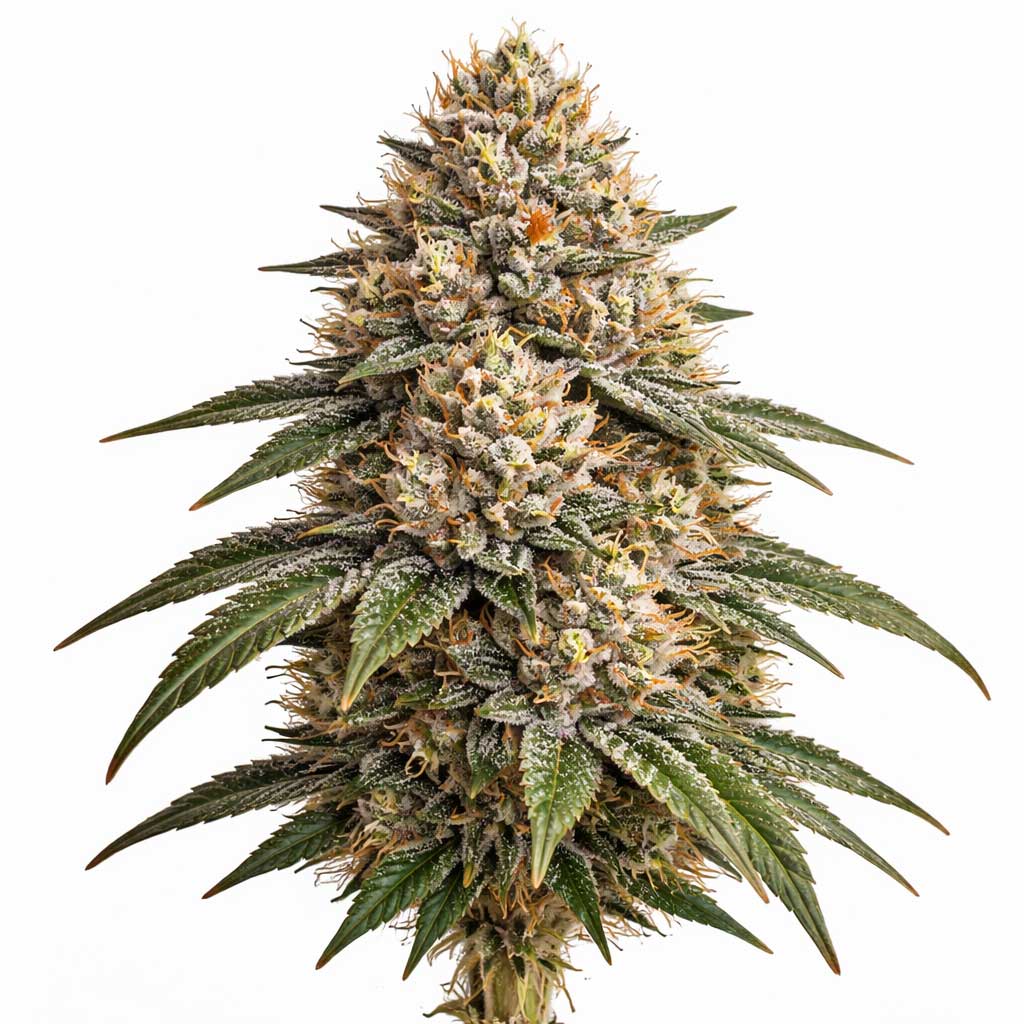
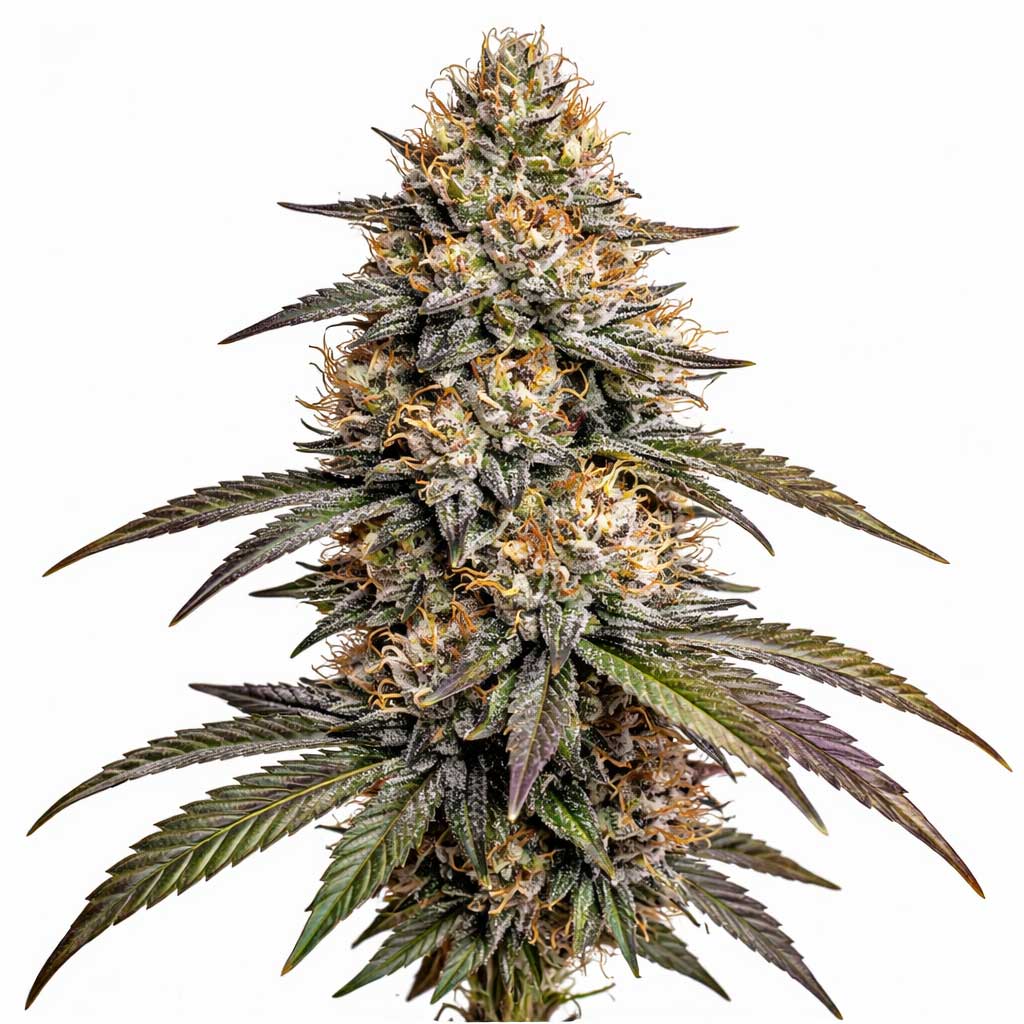
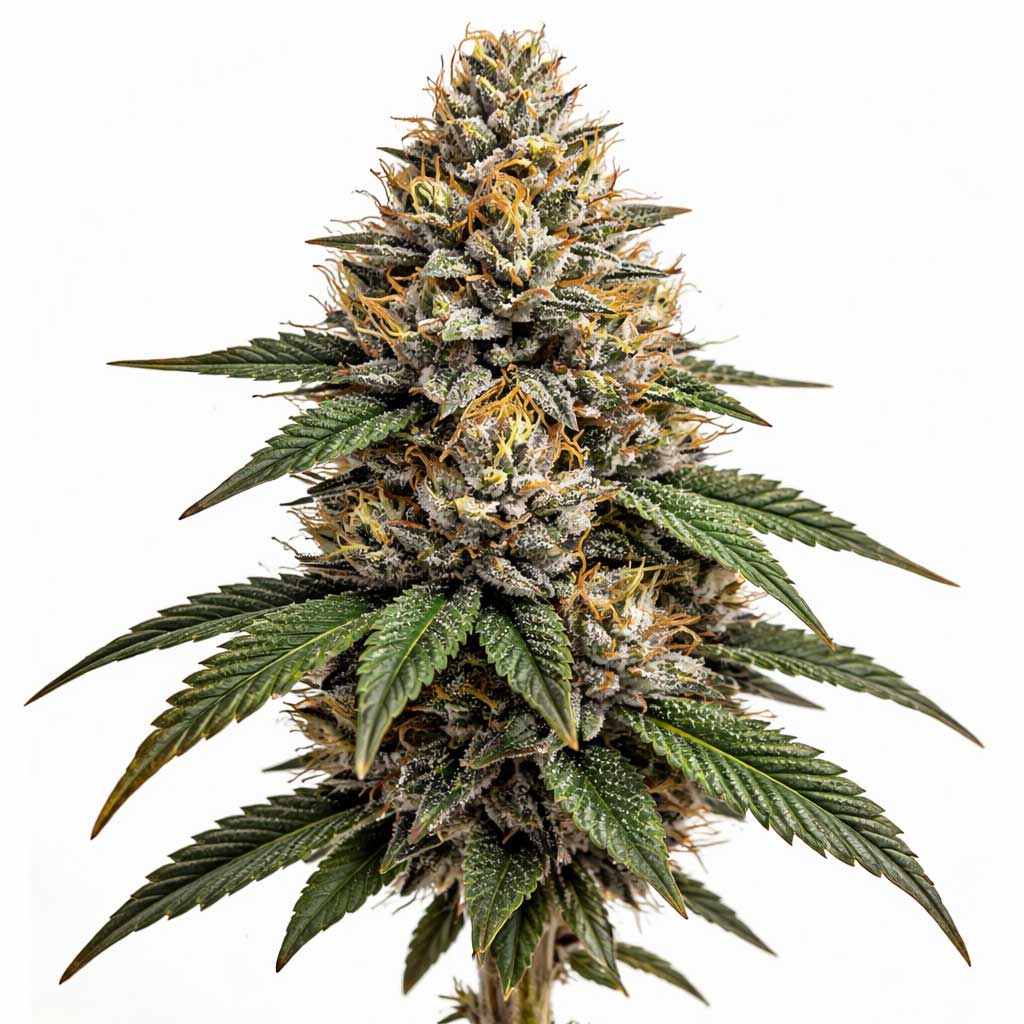
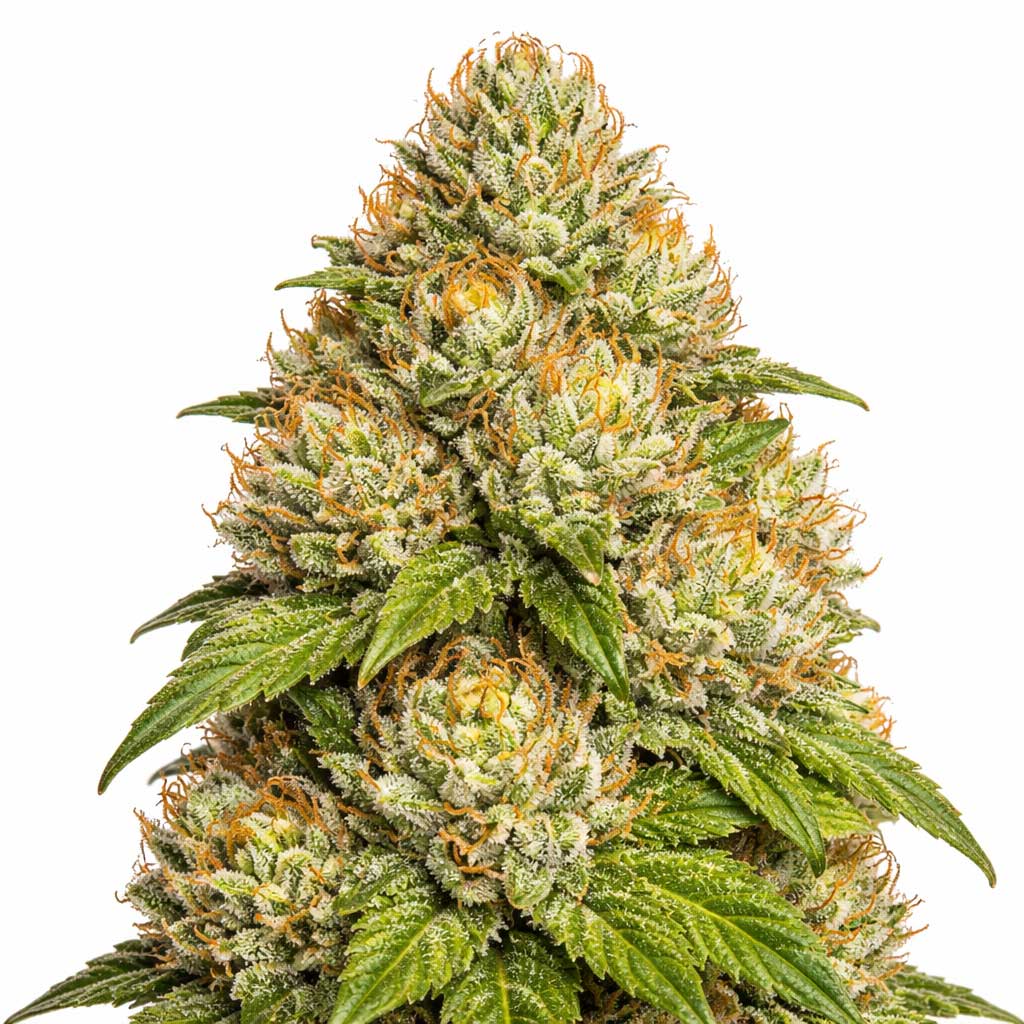
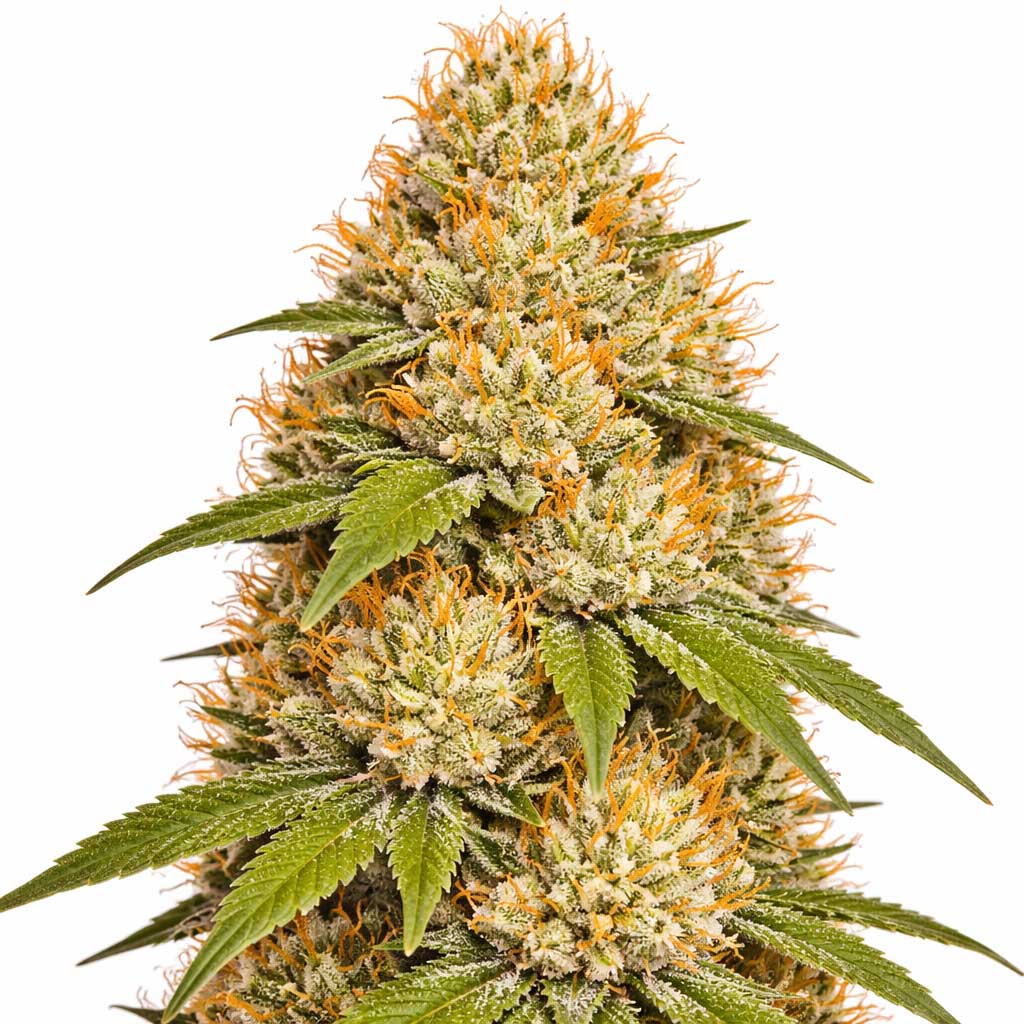
Maui Wowie is widely recognized for its tropical visual profile and classic island-style sativa structure. The buds are typically large, spear-shaped, and somewhat airy, a form that helps maintain airflow in warmer and more humid environments. Flowers commonly show a bright lime-green base with long curly orange pistils and a sugary coat of trichomes that gives the plant a sparkling finish when properly matured.
Botanically, Maui Wowie is known for lanky vigorous growth, long branch development, and a taller frame that reflects its Hawaiian sativa background. In grower and connoisseur discussions, it is often treated as a foundational Maui Wowie weed strain because of its unmistakable pineapple-forward aroma, energetic daytime profile, and long-standing influence on tropical cannabis breeding.
Effects & Use-Cases (Reported)
- Commonly reported effects: quick mood lift, energetic mental brightness, creative inspiration, and a lighter body feel that stays functional.
- Use-case context: often discussed for morning activity, hiking, outdoor sessions, social settings, or artistic work where a lively tropical sativa profile is preferred.
- Note: These are observational reports, not medical claims; outcomes are not guaranteed.
Among users discussing Maui Wowie strain effects, the cultivar is often associated with a bubbly head-led onset that feels cheerful, active, and mentally clear without a heavy physical drag in moderate servings. Reported outcomes can vary with dose, terpene expression, tolerance, and environment.
Aroma & Flavors
- Aroma: fresh pineapple, tropical fruit, citrus zest, light earthy pine, and floral sweetness.
- Flavor: tart sweet pineapple and tropical fruit on the inhale followed by a smoother earthy, herbal, and lightly spicy finish on the exhale.
- Terpene associations: myrcene, pinene, limonene, and caryophyllene are commonly referenced in descriptions of its island-fruit profile.
Tested Cannabinoid & Terpene Ranges
| Compound | Typical Range* | Notes |
|---|---|---|
| Δ⁹-THC | ~18–22% | Moderate by modern standards, but often described as highly functional and upbeat. |
| CBG | ~1.5% | Sometimes present in notable supporting amounts depending on phenotype and harvest timing. |
| Myrcene | ~1.1–1.6% | Commonly linked to the tropical fruit depth and smoother aromatic base. |
| Pinene | ~0.5–0.8% | Often associated with clearer mental pacing and a more alert aromatic profile. |
| Limonene | ~0.4–0.7% | Adds citrus brightness and helps shape the strain’s upbeat top note. |
*Potency and terpene values can differ significantly with phenotype, environment, harvest timing, curing practice, and analytical method.
Cultivation Notes
- Light Cycle: 18/6 vegetative; 12/12 flowering
- Space Management: topping and SCROG are commonly used to control vertical stretch during transition into flower
- Nutrition: moderate feeder; many growers prefer balanced organic-style inputs to help preserve delicate tropical terpenes
- Temperature: thrives in warmer environments and strong light, with airy flower structure helping airflow in humid conditions
- Harvest Window: generally late October outdoors in the Northern Hemisphere
Grower Notes (Week-by-Week Snapshot)
- Weeks 1–2 (Transition/Stretch): height can increase quickly, so early topping and canopy shaping help keep structure manageable indoors.
- Weeks 3–4: flower sites begin forming along taller branches; interior cleanup improves airflow and light access.
- Weeks 5–6: resin production becomes more visible and the aroma shifts into fresh pineapple, citrus, and light island spice.
- Weeks 7–8: longer spears continue building; branch support may help maintain even canopy balance.
- Weeks 9–11: longer phenotypes finish ripening; many growers target mostly milky trichomes to preserve a brighter, more energetic finish.
Timelines can shift by phenotype and environment; plant structure, flower maturity, and trichome development remain more reliable than calendar estimates alone.
Maui Wowie Strain Review
Maui Wowie is often reviewed as one of the classic tropical sativa hybrids, valued for its pineapple-forward aroma, tall island-style growth, and upbeat daytime profile. In many Maui Wowie strain review discussions, it is described as a cultivar that stands out for bright tropical flavor, airy resinous spears, and a more cheerful active finish than heavier fruit-forward hybrids.
Genetic Lineage
Maui Wowie is most commonly discussed as a Hawaiian sativa line stabilized on Maui, with likely influence from Mexican and Thai-type genetics introduced over time. The Hawaiian side contributes the tropical fruit identity and island-style growth habit, while the broader sativa background adds stretch, energy, and a longer more active finish. In general usage, Maui Wowie is recognized as a Maui Wowie marijuana strain built around pineapple sweetness, tropical vigor, and classic uplifting character.
Research Insights
Grower-facing and profiling discussions often frame Maui Wowie as a landmark tropical cultivar because of its fruit-heavy aroma, energetic mental profile, and strong adaptability to warm high-light environments. It is frequently associated with myrcene and pinene-rich aromatic layering that helps shape a bright yet smooth experience rather than a sharply racy one. Because phenotype selection and cultivation methods can vary, individual versions of Maui Wowie may differ in pineapple intensity, height, and final flower density.
Frequently Asked Questions
What strain is Maui Wowie?
Maui Wowie is a sativa-dominant hybrid cannabis strain commonly described as a Hawaiian sativa with likely Mexican and Thai influence. It is known for tropical pineapple aroma, tall vigorous growth, and upbeat effects.
Is Maui Wowie a sativa or indica?
Maui Wowie is generally classified as a sativa-dominant hybrid, with many descriptions placing it around 80% sativa and 20% indica.
Does Maui Wowie really taste like pineapple?
Yes, Maui Wowie is widely described as one of the more pineapple-forward tropical cultivars, often compared to fresh sweet-tart island fruit with citrus brightness.
Is Maui Wowie good for focus?
Many users describe Maui Wowie as a strong daytime option for productivity, outdoor activity, and creative tasks because of its energetic mood lift and clear mental pacing.
How long does Maui Wowie take to flower?
Maui Wowie generally flowers in about 9–11 weeks indoors, although exact timing can vary with phenotype and cultivation conditions.
Is it suitable for beginners?
The effects are often approachable in moderate doses, but the plant itself is usually easier for growers who can manage height, stretch, and a larger canopy.
Educational Disclaimer: This page is provided for scientific and horticultural reference only and does not constitute medical or promotional advice. Cannabis cultivation, possession, and use are regulated by local laws. Always comply with applicable legislation in your region.
Rate and review this strain
Ratings and reviews are accepted only from signed-in Google accounts.
Sign in with Google to leave a rating and written review.
Latest Reviews
0 reviewsNo reviews yet. Be the first Google user to rate and review this strain.