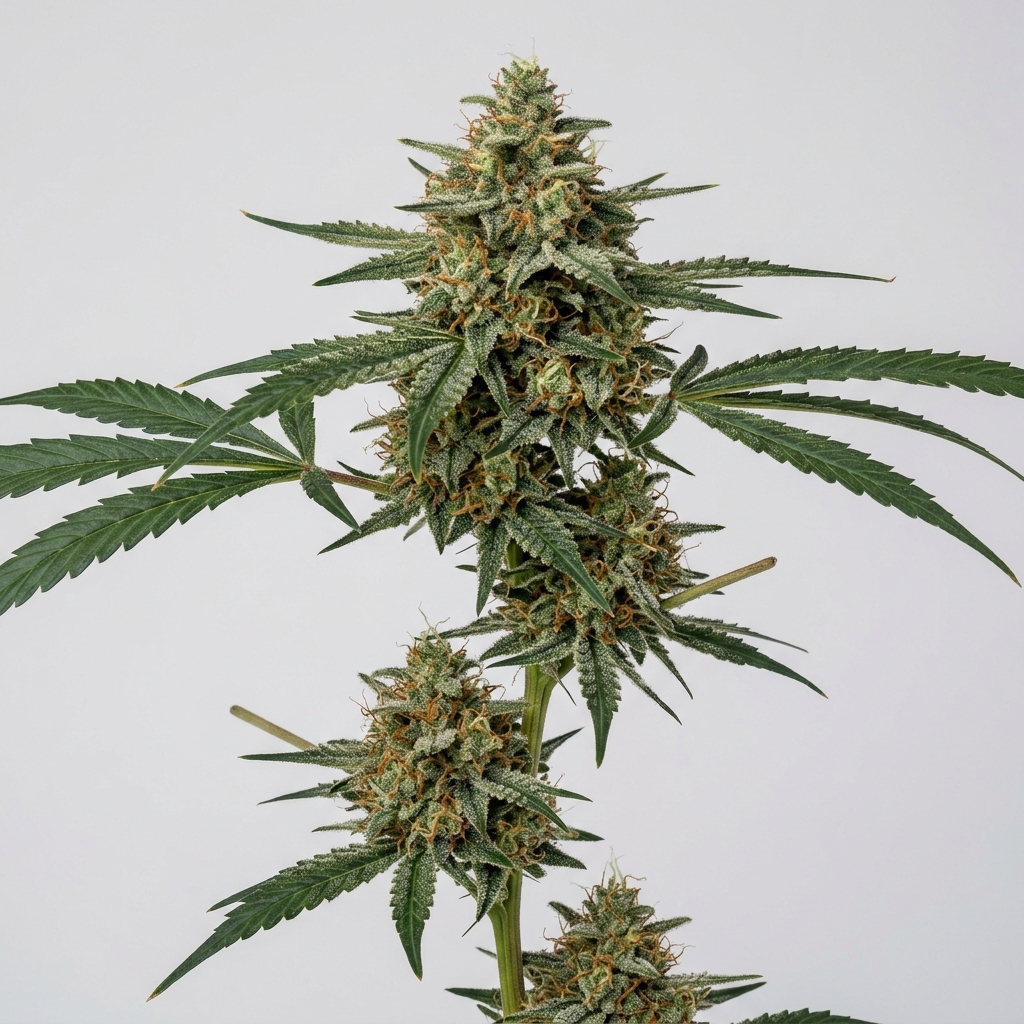
Marley’s Collie (Cannabis Strain)
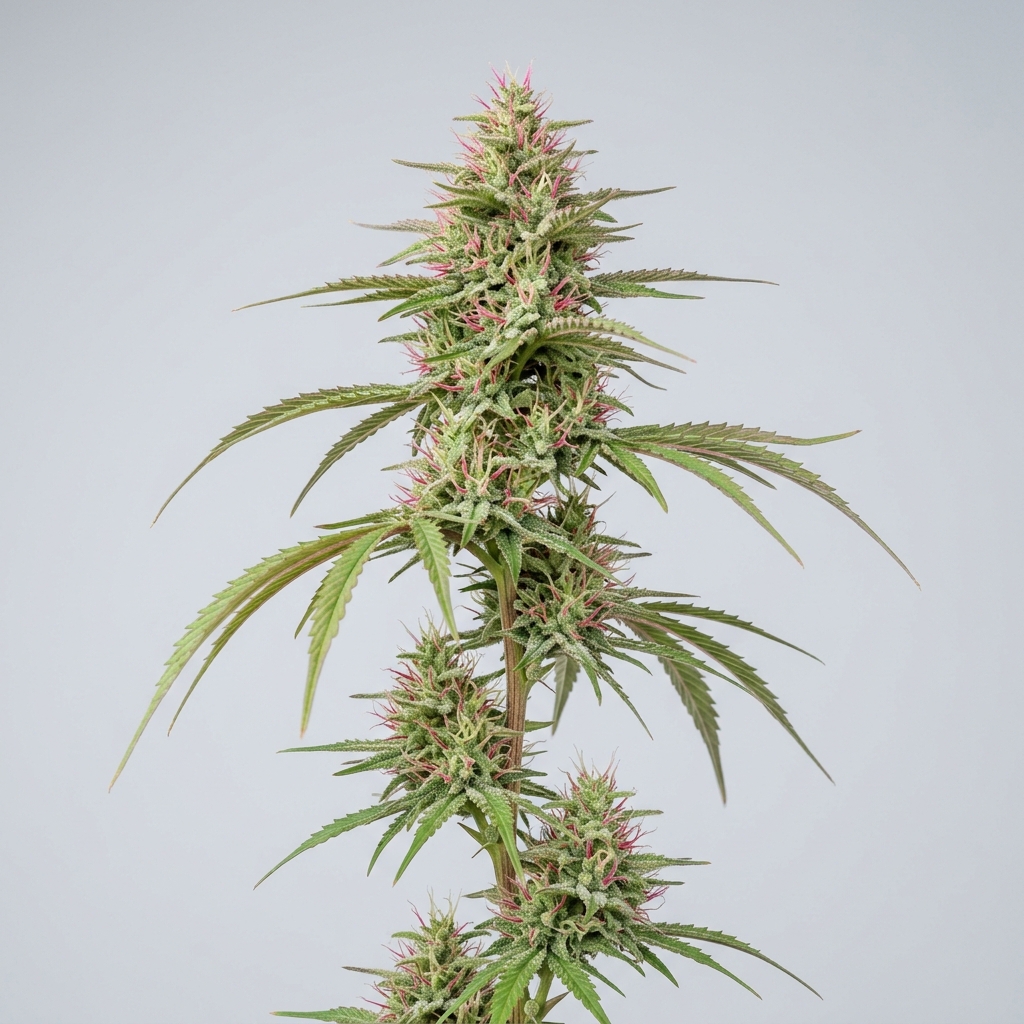
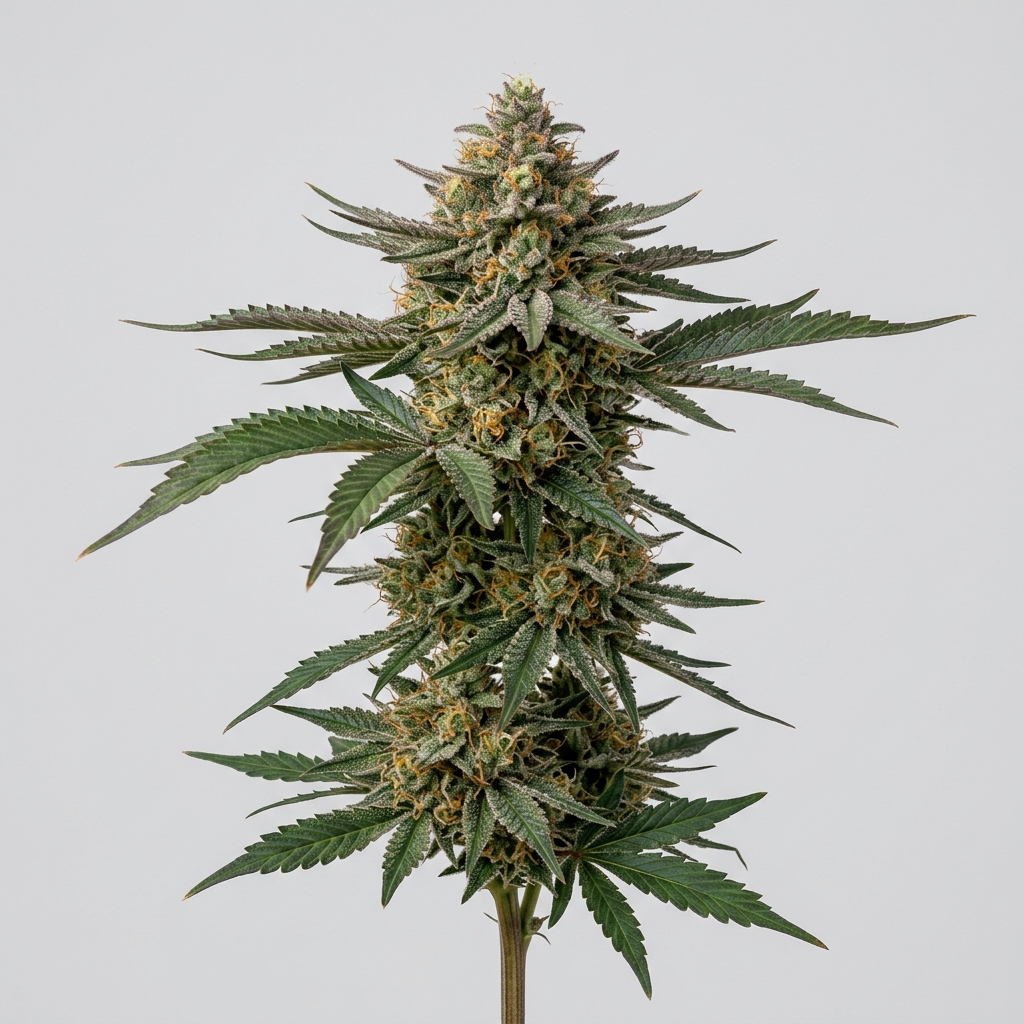
Marley’s Collie is a classic sativa-dominant hybrid crossing a selected Jamaican Sativa with the resin-heavy Maple Leaf Indica. Typically testing between 15% and 21% THC, this cultivar is celebrated for its sweet, tropical spice aroma and thick, greasy resin production. It develops tall, running spear colas that carry a heavy physical weight, blending old-school Caribbean genetics with a robust Afghan structure.
Breeder-reported as a tribute to Bob Marley, the strain displays a unique growth pattern where sativa stretch meets dense, indica-style flower clusters. Growers value its high calyx-to-leaf ratio and the rich, hash-like undertones that develop late in the flowering cycle, making it a favorite for traditional extraction and dry-sifting.
Quick Facts
| Attribute | Details |
|---|---|
| Genetics | Jamaican Sativa × Maple Leaf Indica |
| Variety | Sativa-dominant Hybrid |
| THC Range | 15% – 21% |
| Flowering Time | 60 – 65 Days (approx. 9 weeks) |
| Yield Potential | Moderate to High |
| Plant Height | Tall (significant stretch) |
| Climate Preference | Warm, sunny, temperate climates |
| Difficulty | Moderate |
Scientific & Botanical Overview
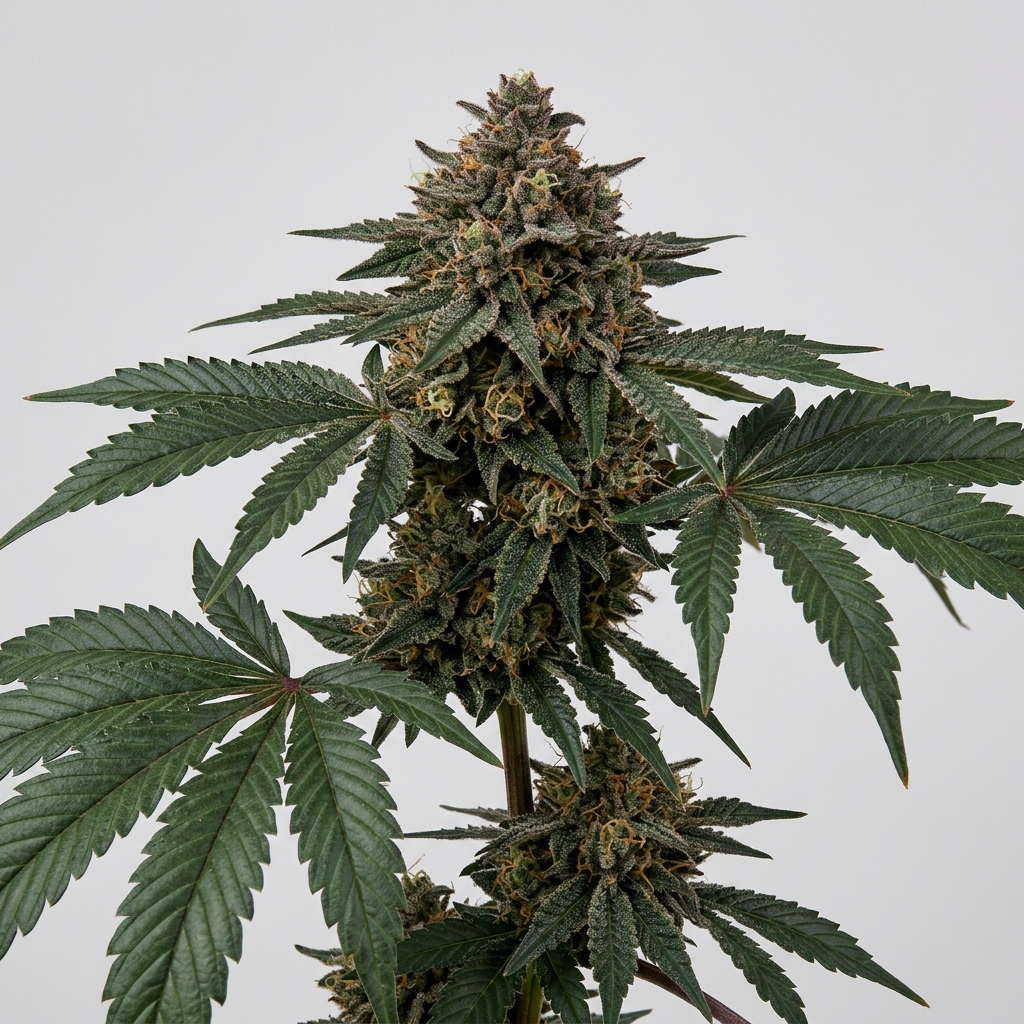
Botanically, Marley’s Collie showcases striking hybrid vigor, inheriting the elongated internodes of its Jamaican maternal line and the dense, resin-rich bracts of its Afghan ancestor. The vegetative stage is characterized by rapid vertical growth and large, slender fan leaves that transition to a deep forest green. This structural duality means the plant requires ample vertical space and early structural support to manage its growth spurt.
As flowering progresses, the nodal sites stretch significantly, eventually filling out into massive, continuous spear colas rather than isolated golf-ball buds. This structure requires careful environmental management, particularly regarding airflow, to prevent moisture retention within the tightly packed calyxes. The stems remain relatively slender, requiring external support as the heavy flowers mature.
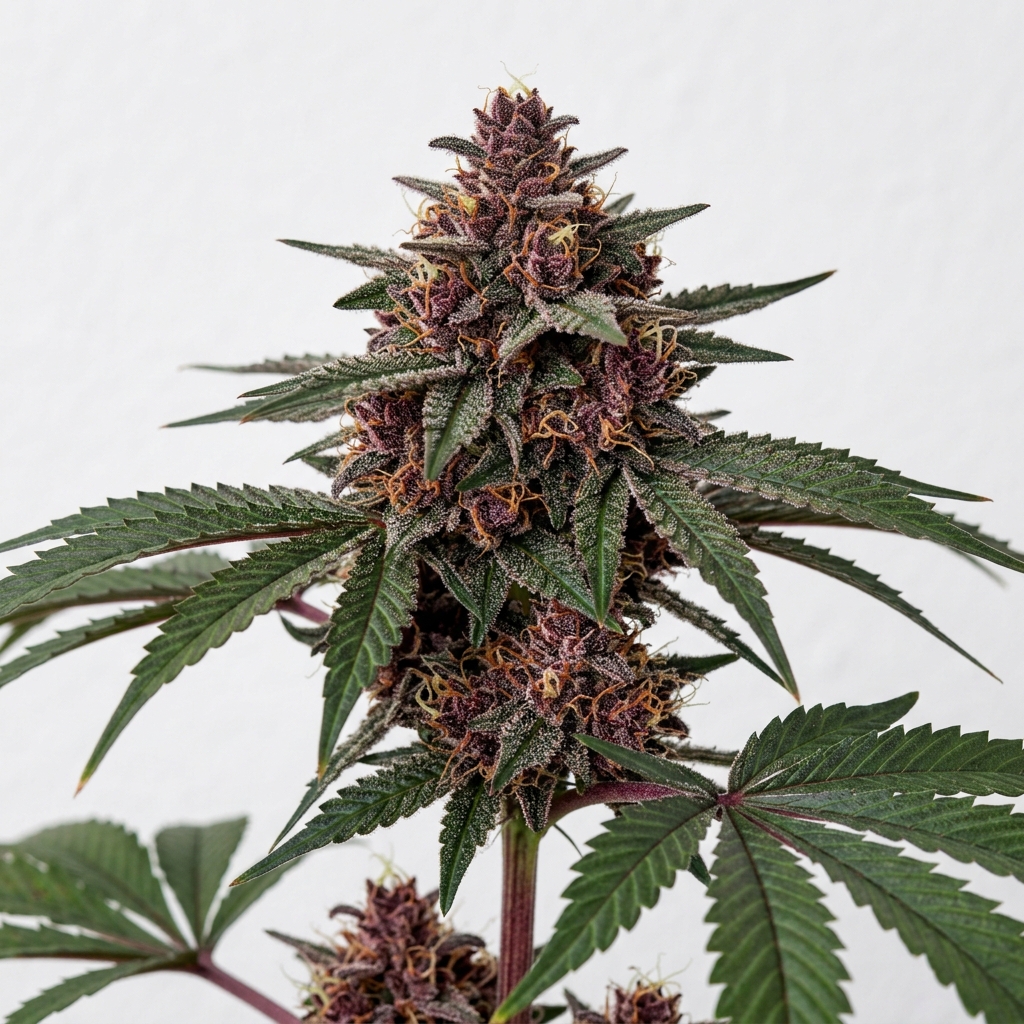
The trichome development is exceptionally dense, coating not just the flowers but also the surrounding sugar leaves in a sticky layer of greasy resin. This high resin yield is a direct contribution from the Maple Leaf Indica parent, a traditional Afghan hash plant cultivar. The resulting flowers are glassy and highly aromatic, preserving a complex terpene profile through the curing process.
Effects & Use-Cases (Reported)
Commonly reported effects include an immediate, cerebral lift characterized by enhanced sensory clarity and a warm, euphoric state of mind. As the initial sativa stimulation softens, a gentle physical relaxation spreads through the limbs, calming the body without inducing heavy sedation. This dual action provides a functional, balanced experience that avoids the sharp spikes of pure sativas.
Use-case context often points to daytime creative sessions, social gatherings, or late-afternoon unwinding. Its balanced nature makes it a versatile choice for those seeking mental focus alongside physical ease, helping to ease tension while maintaining productivity.
Note: Individual tolerance and dosage significantly influence the overall experience; higher consumption may amplify the physical, indica-leaning heavy effects.
Aroma & Flavors
Aroma: The scent profile is dominated by a sweet, tropical fruit sweetness layered over a sharp, earthy musk. Notes of fresh grass, cedar, and a pungent, hash-like spice become increasingly prominent once the buds are broken apart.
Flavor: On the palate, it delivers a smooth, herbal smoke with a distinct sweet-and-sour citrus lift, followed by a lingering, spicy wood finish that reflects its Afghan heritage.
Terpene associations:
Myrcene, caryophyllene, and pinene are the primary terpenes associated with this cultivar, driving its herbal depth and grounding undertones.
Tested Cannabinoid & Terpene Ranges
| Compound | Tested Range |
|---|---|
| Δ9-THC | 15.0% – 21.0% |
| CBD | < 0.5% |
| Myrcene | 0.4% – 0.8% |
| Caryophyllene | 0.2% – 0.5% |
| Pinene | 0.1% – 0.3% |
Note: Cannabinoid and terpene levels are highly variable and depend on specific cultivation methods, curing processes, and phenotype variations.
Cultivation Notes
- Training: Requires early training such as topping or LST (low-stress training) to manage the substantial sativa stretch during early flower.
- Support: Heavy, running spear colas will require trellising or bamboo stakes to prevent stems from bending or snapping under their own weight.
- Humidity: Keep late-flower humidity strictly below 45% to protect the dense, resin-rich flower clusters from moisture-related issues.
- Nutrition: Responds well to a moderate nutrient regimen, showing sensitivity to excessive nitrogen during the transition phase.
- Harvest: Harvest when trichomes transition from milky white to about 10% amber to preserve the balanced, uplifting high.
Grower Notes (Week-by-Week Snapshot)
- Weeks 1–3 (Transition & Stretch): The plants undergo a dramatic vertical stretch, often doubling in height. Implement structural support early and prune lower fan leaves to improve under-canopy airflow.
- Weeks 4–6 (Flower Development): Calyxes begin to swell rapidly along the main stems, forming long, continuous flower chains. Resin production begins early, coating the developing buds in a sticky, wet frost.
- Weeks 7–9 (Ripening & Flush): The sweet, tropical aroma intensifies as the pistils turn a deep orange. Reduce watering slightly and execute a clean flush to maximize terpene clarity and ensure a smooth burn.
Genetic Lineage
Marley’s Collie is a deliberate hybrid of two distinct geographical landrace-derived lines. The maternal side features a prized Jamaican Sativa, selected for its cerebral, energetic buzz and tropical flavor profile. This parent contributes the sativa stretch, tall stature, and sweet citrus lift that defines the strain.
To temper the long flowering time and wild growth of the Sativa, breeders crossed it with a stable Maple Leaf Indica male. This classic Afghan cultivar contributed its short, sturdy structure, rapid flowering cycle, and heavy, resin-producing genetics, resulting in a hybrid that balances old-school character with modern garden efficiency.
Research Insights
Analytical testing of Marley’s Collie highlights a rich concentration of myrcene paired with pinene, a combination that may modulate the psychoactive properties of THC. This specific terpene ratio is often associated with a clear-headed, focused mental state balanced by systemic physical relaxation, avoiding the heavy lethargy common in pure indica cultivars.
Researchers and breeders study this cultivar as a prime example of successful landrace hybridization. By blending equatorial sativa genetics with a pure indica hash plant, it shows how physical structure and resin density can be optimized without losing the unique sensory qualities of the sativa parent.
Frequently Asked Questions
Is Marley’s Collie easy to grow indoors?
It is moderately challenging due to its significant height stretch. Indoor growers must use techniques like SCRoG (Screen of Green) or super cropping to keep the canopy level and manage vertical space.
What are the primary aromas of Marley’s Collie?
The strain features a sweet, tropical fruit aroma combined with pungent, earthy hash undertones and a sharp herbal spice.
How long does Marley’s Collie take to flower?
It typically has a flowering time of 60 to 65 days (approximately 9 weeks) when grown indoors.
What is the genetic background of Marley’s Collie?
It is a cross between a selected Jamaican Sativa and a Maple Leaf Indica (a classic Afghan hash plant).
Educational Disclaimer
This content is for educational and informational purposes only. Cultivation and consumption of cannabis are subject to local laws and regulations. Consult with a professional before undertaking any cultivation projects.
Rate and review this strain
Ratings and reviews are accepted only from signed-in Google accounts.
Sign in with Google to leave a rating and written review.
Latest Reviews
0 reviewsNo reviews yet. Be the first Google user to rate and review this strain.