Jamaican Pearl (Cannabis Strain) — Strainpedia
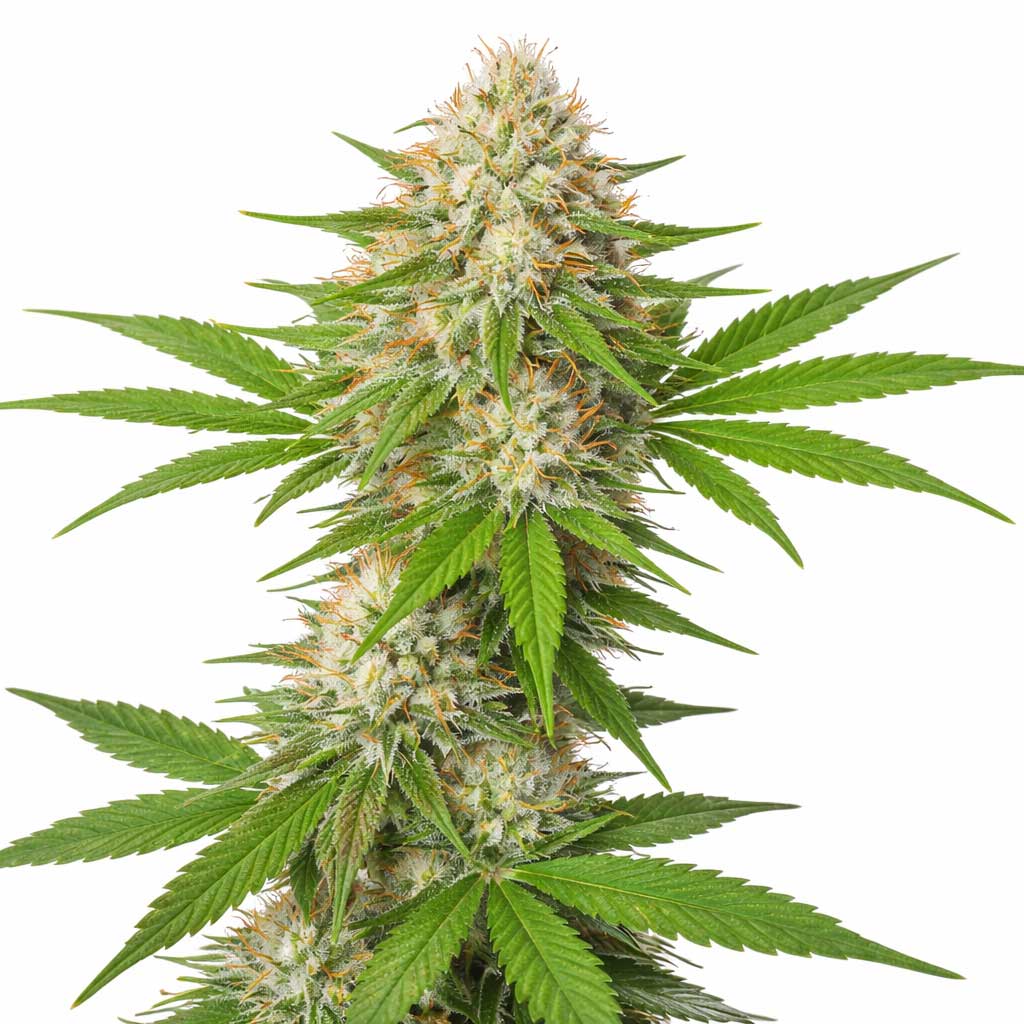
Jamaican Pearl is a well-known Sativa-Dominant Hybrid cannabis cultivar from Sensi Seeds, most commonly described as a cross between Marley’s Collie x Early Pearl. It is recognized for its tropical flavor profile, tall outdoor growth, and energetic, breezy cerebral character. In cultivation reference, Jamaican Pearl is often valued as a productive sativa-leaning line bred to perform more reliably in European outdoor conditions than many traditional tropical sativas. The information below is intended strictly for scientific and botanical reference.
Quick Facts
| Genetic Lineage | Marley’s Collie x Early Pearl |
|---|---|
| Cultivar Type | Sativa-Dominant Hybrid |
| Breeder Association | Sensi Seeds |
| Reported Genetic Ratio | Approximately 85% Sativa / 15% Indica |
| Flowering Duration | Approximately 50–75 days, with many expressions finishing around 9–10 weeks |
| Yield Class | High-output cultivar with especially strong performance in outdoor gardens and well-managed larger plant formats |
| Plant Structure | Tall, vigorous, and strongly sativa-leaning with rapid vertical growth and long, fast-forming floral branches |
| Canopy Behavior | Stretch-driven architecture that benefits from topping, support, supercropping, and active height control during transition |
| Environmental Preference | Performs well outdoors in favorable climates and indoors where ceiling height, airflow, and canopy spread can be managed effectively |
| Grower Difficulty | Moderate; best results come from growers prepared to manage stretch, structure, and longer sativa-style finishing behavior |
Scientific & Botanical Overview
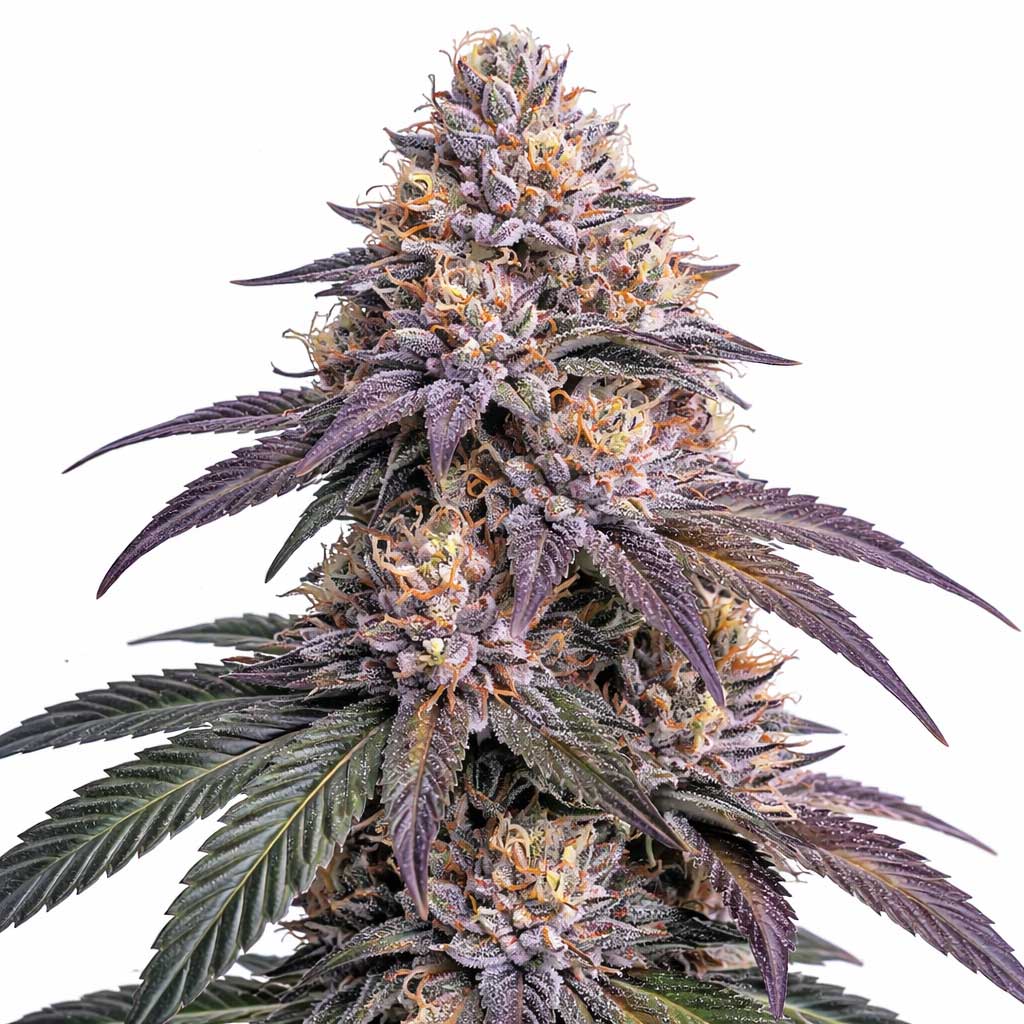
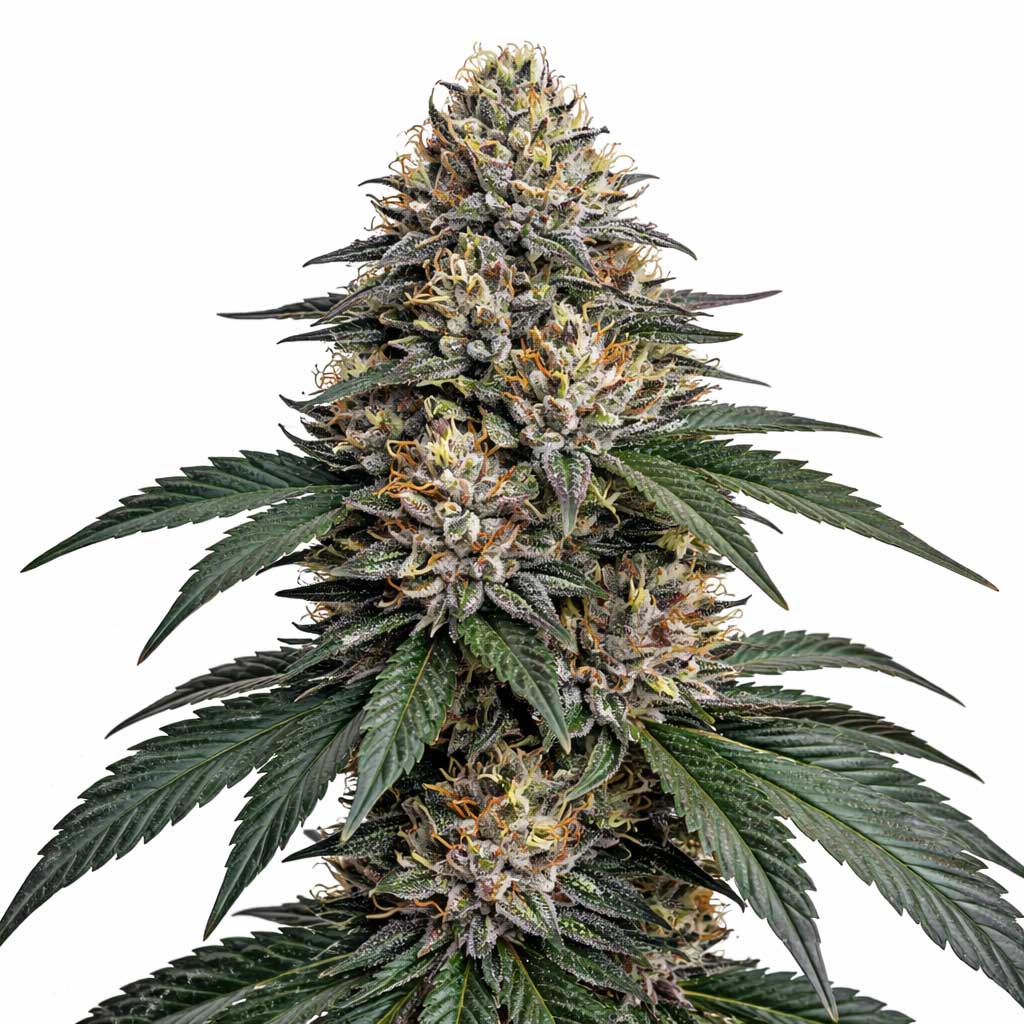
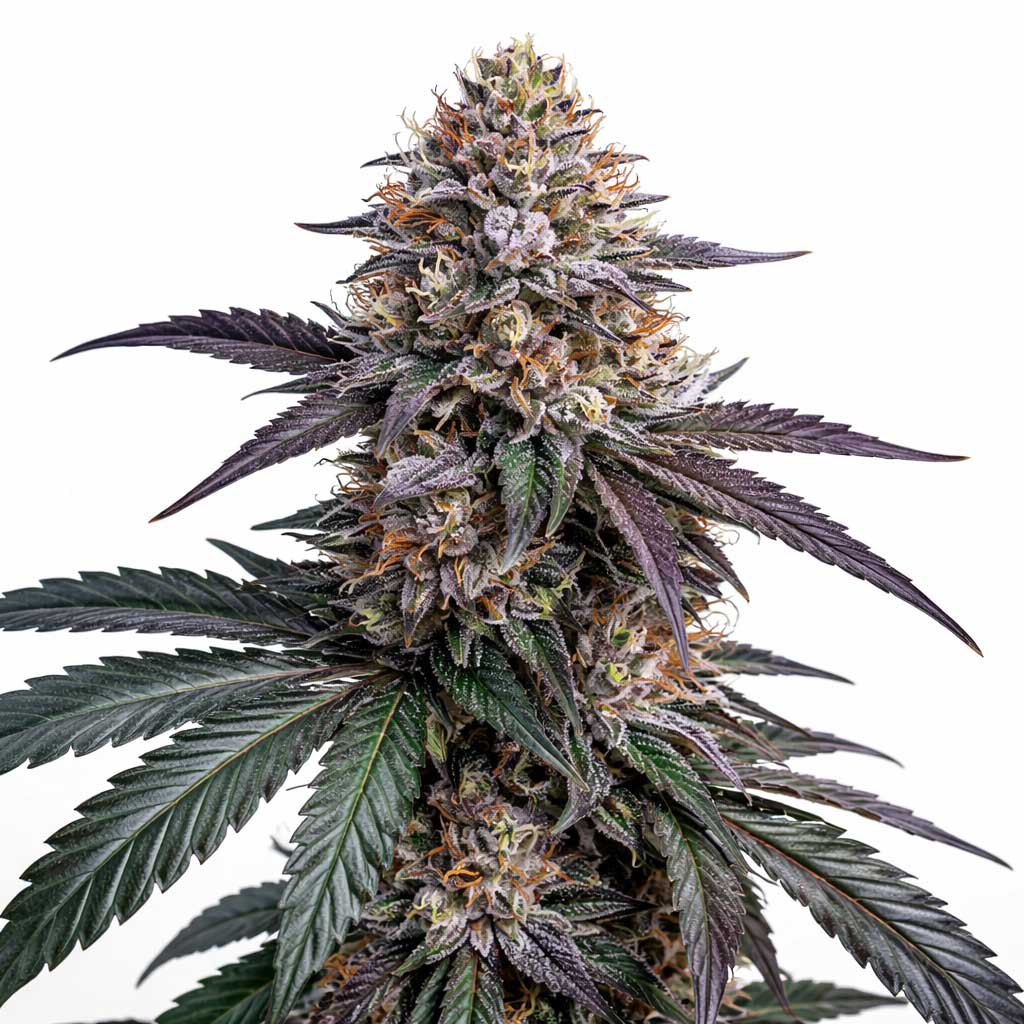
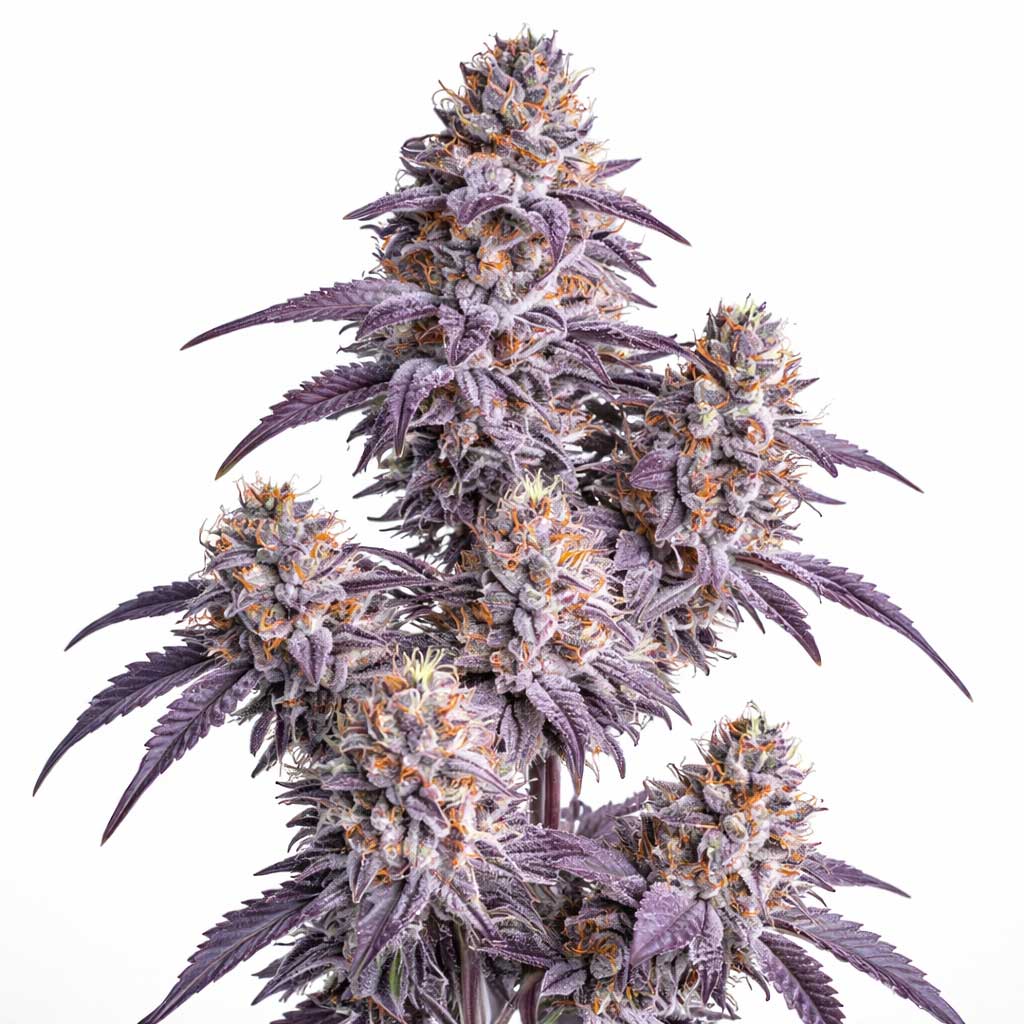
Jamaican Pearl typically shows a tall, vigorous, sativa-leaning growth pattern with rapid vertical development and long, fast-forming floral structures. Breeder descriptions emphasize large, shaggy buds and strong outdoor vigor, while grow references note that indoor cultivation benefits from sufficient ceiling height and active canopy control. Its overall morphology reflects an outdoor-oriented plant with substantial size potential rather than a compact indoor-only structure.
Effects & Use-Cases (Reported)
- Commonly reported effects: uplifting, breezy, energetic, creative, and mood-brightening.
- Use-case context: often discussed as a daytime or early-session cultivar for users seeking a lively cerebral effect rather than a sedating finish.
- Note: These are observational reports, not medical claims; outcomes are not guaranteed.
Aroma & Flavors
- Aroma: tropical sweetness, bright fruit, earthy spice, and a lightly herbal sativa edge.
- Flavor: fruity and sweet on entry, followed by citrus, earth, and subtle spicy notes.
- Terpene associations: public strain references commonly connect it with tropical-fruity, sweet, earthy, and spicy expression; some retailer listings also mention ocimene and terpinolene.
Tested Cannabinoid & Terpene Ranges
| Analyte | Reported Range / Status* | Grower-Relevant Interpretation |
|---|---|---|
| Δ⁹-THC | Often cited around 18–22% | Suggests a strong potency ceiling for a sativa-leaning cultivar when plants are finished fully and post-harvest handling preserves top-end expression. |
| CBD | Low / Trace; some public listings cite approximately 0.1% | Typically minor in concentration and not a defining chemotype feature of this cultivar. |
| Ocimene | Not consistently standardized across public sources | May help explain the cultivar’s lively aromatic brightness and fresh tropical lift when handled carefully through dry and cure. |
| Terpinolene | Not consistently standardized across public sources | Often associated with fresh, expressive, sativa-leaning top notes and part of the cultivar’s airy aromatic profile. |
| Dominant Sensory Profile | Tropical-Sweet-Earthy-Spicy | Best expressed through a clean late-flower finish, controlled drying conditions, and curing that preserves fruit brightness without flattening the spice layer. |
*Reported values are approximate reference points and may vary by phenotype, root-zone vigor, feed intensity, environmental control, harvest timing, drying conditions, cure quality, and laboratory methodology. Publicly listed figures should be treated as reference data rather than fixed universal values.
Cultivation Notes
- Photoperiod: 18/6 vegetative; 12/12 flowering indoors
- Humidity Management: moderate humidity with strong airflow is advisable as floral mass builds.
- Nutritional Approach: vigorous plants generally benefit from steady feeding during stretch and active flowering.
- Training Strategy: SCROG, supercropping, lollipopping, and height management are commonly recommended.
- Finishing Window: approximately 50–75 days in flower; many references summarize this as about 9–10 weeks.
Grower Notes (Week-by-Week Snapshot)
- Weeks 1–2 (Transition/Stretch): expect active vertical growth; establish support and shape the canopy early.
- Weeks 3–4: flower sites multiply and branch extension continues; maintain even light distribution.
- Weeks 5–7: buds develop into larger, looser, shaggy sativa-style formations; aroma becomes more expressive.
- Weeks 8–9: many indoor expressions enter the main ripening window; monitor structure and airflow carefully.
- Weeks 10+: longer phenotypes may continue finishing toward the upper end of the reported flowering range.
- Post-Harvest: a careful dry and cure help preserve tropical sweetness and the cultivar’s brighter top notes.
Jamaican Pearl is especially noted for outdoor vigor, but indoor growers should plan around height, stretch, and canopy management.
Genetic Lineage
Jamaican Pearl is most commonly identified as a cross between Marley’s Collie and Early Pearl. That lineage helps explain its combination of Caribbean-style sativa character with improved finishing reliability and production. Sensi Seeds positions it as a strain created to capture Jamaican-style quality and potency while making the plant more practical for growers outside tropical climates.
Research Insights
Jamaican Pearl is notable in breeding discussions because it represents a long-standing effort to adapt sativa-leaning tropical expression to less predictable outdoor environments. Its breeder profile highlights both potency and outdoor resilience, while public strain references consistently emphasize tropical flavor and upbeat cerebral effects. As a result, it remains a useful example of how selective breeding can preserve the appeal of classic Jamaican-style cannabis while improving usability for broader cultivation settings.
Frequently Asked Questions
Is Jamaican Pearl an indica or sativa?
Jamaican Pearl is generally classified as a sativa-dominant hybrid, often listed around 85% sativa and 15% indica.
What does Jamaican Pearl smell and taste like?
It is commonly described as having tropical, sweet, fruity, earthy, and lightly spicy notes.
How long does Jamaican Pearl take to flower?
Jamaican Pearl is commonly described as flowering in about 50–75 days, which is often summarized as roughly 9–10 weeks.
How tall can Jamaican Pearl grow?
Outdoor plants are commonly reported to reach up to about 3 meters under favorable conditions.
Is Jamaican Pearl better suited for indoor or outdoor growing?
It can be grown in both settings, but breeder materials especially emphasize its strong outdoor performance, while indoor grows benefit from height control and training.
Educational Disclaimer: This page is provided for scientific and horticultural reference only and does not constitute medical or promotional advice. Cannabis cultivation, possession, and use are regulated by local laws. Always comply with applicable legislation in your region.
Rate and review this strain
Ratings and reviews are accepted only from signed-in Google accounts.
Sign in with Google to leave a rating and written review.
Latest Reviews
0 reviewsNo reviews yet. Be the first Google user to rate and review this strain.