Green Crack (Cannabis Strain)
Green Crack, also widely known in some markets as Green Cush or Green Crush, is a famous sativa-dominant hybrid cannabis cultivar celebrated for its sharp daytime energy, fruit-forward aroma, and fast-hitting cerebral effect profile. It is most commonly associated with Skunk #1-based genetics and is often described as either a Skunk #1 selection or a cross involving Skunk #1 and an Afghani / unknown indica parent.
Green Crack became one of the best-known daytime cultivars in modern cannabis culture because of its vivid tropical-citrus profile, bright mental stimulation, and broad commercial popularity. It is especially associated with mango sweetness, citrus zest, earthy pine, and an alert uplifting experience that feels more functional and motivating than many heavier hybrids. The information below is provided strictly for scientific and botanical reference.
Quick Facts
| Feature | Details |
|---|---|
| Genetics | Most commonly linked to Skunk #1; often described as Skunk #1 × Afghani / unknown indica lineage |
| Variety | Sativa-dominant hybrid |
| THC Range | 15%–25% |
| Flowering Time | 7–9 weeks (about 49–63 days indoors) |
| Yield Potential | Moderate to High |
| Plant Height | Medium to Tall; vigorous, fast-growing, and branchy |
| Climate Preference | Warm, sunny outdoor conditions or controlled indoor rooms with strong light and airflow |
| Difficulty | Easy to Intermediate |
Scientific & Botanical Overview
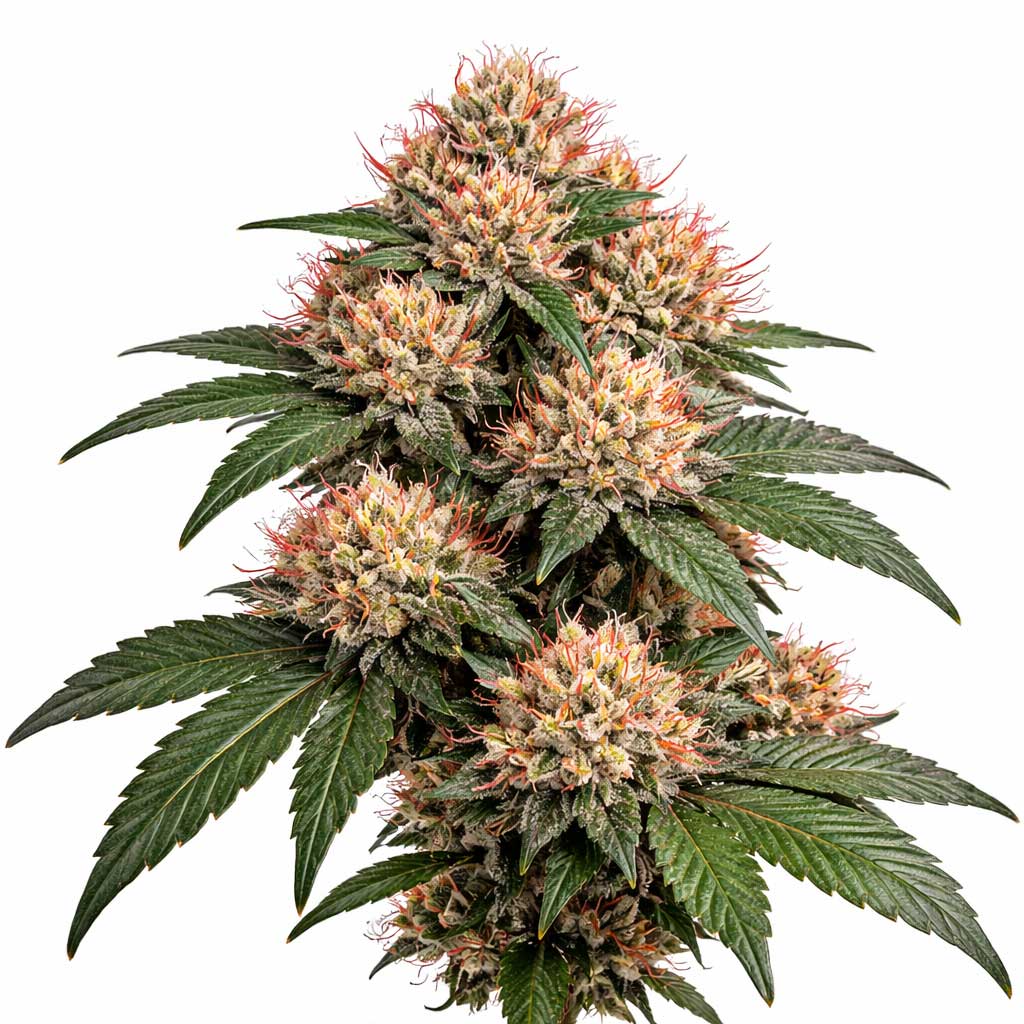
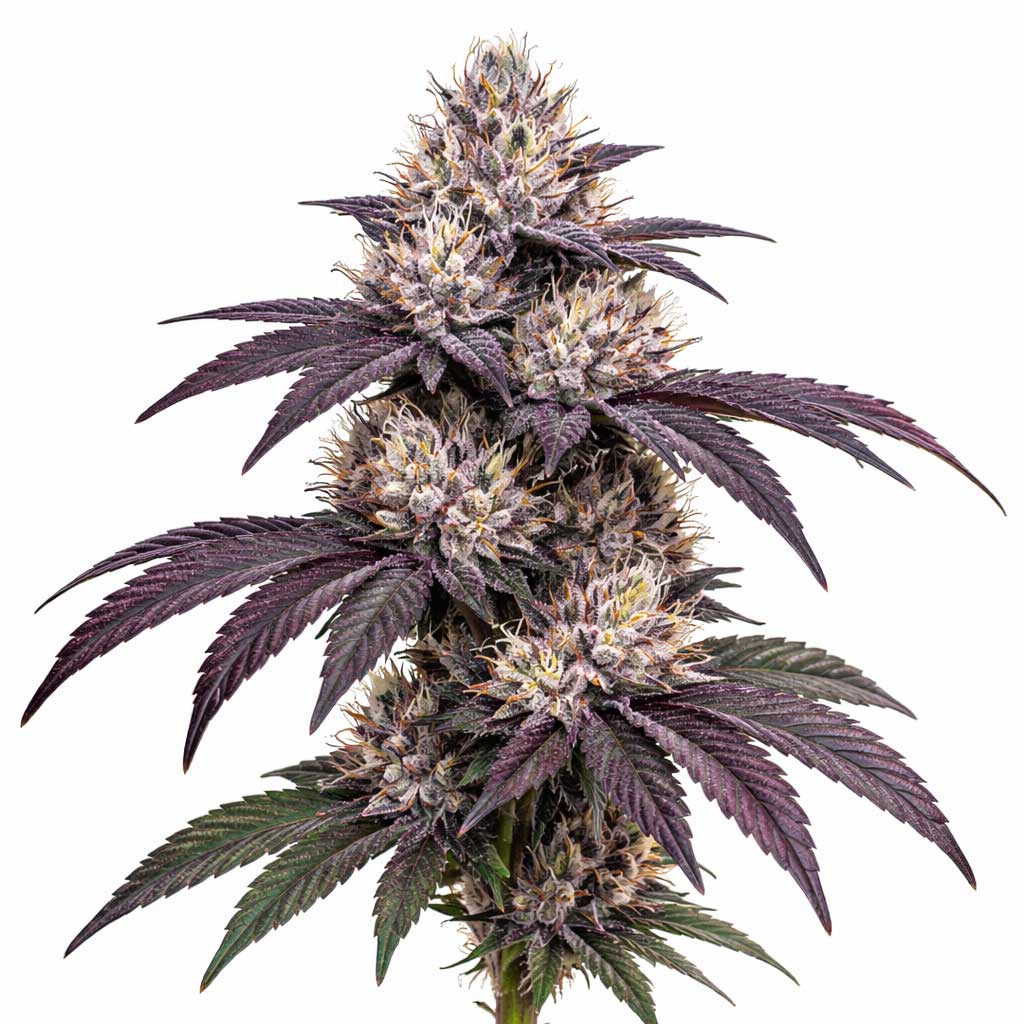
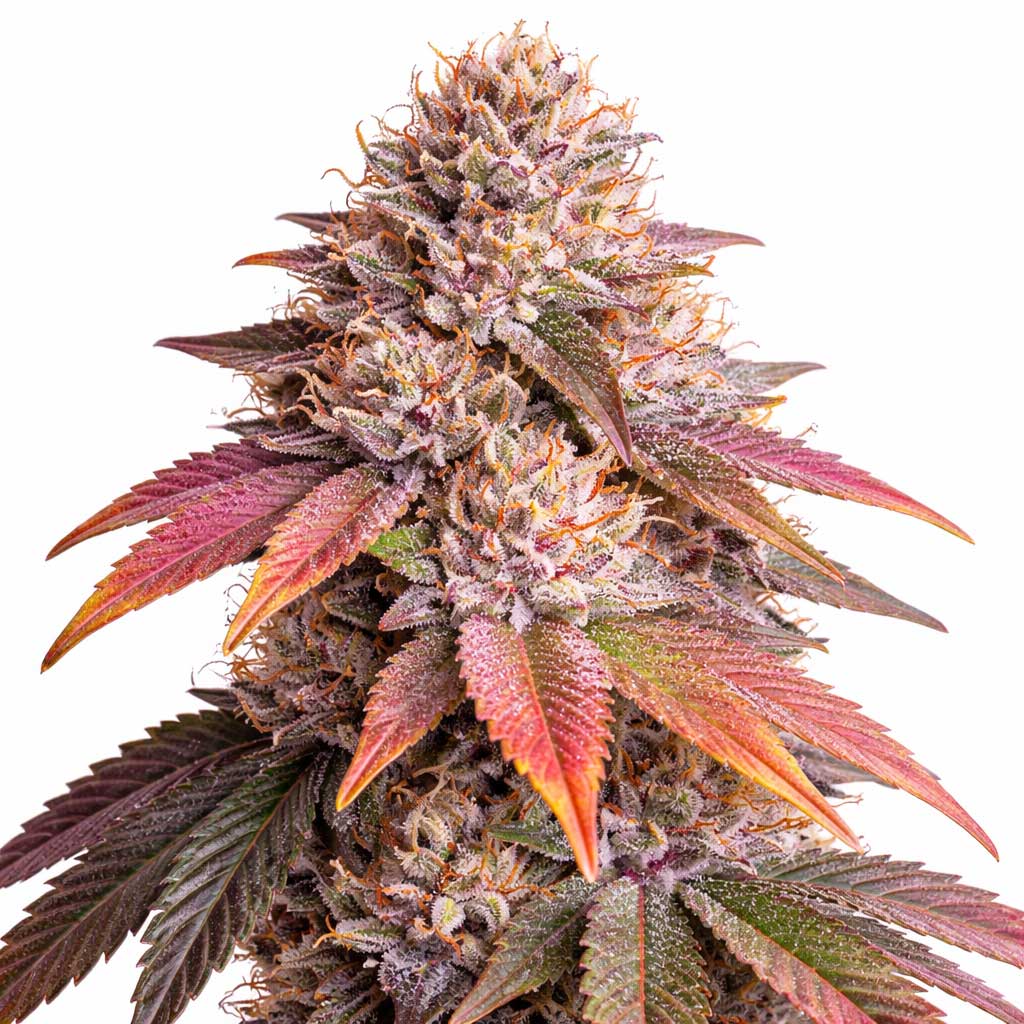
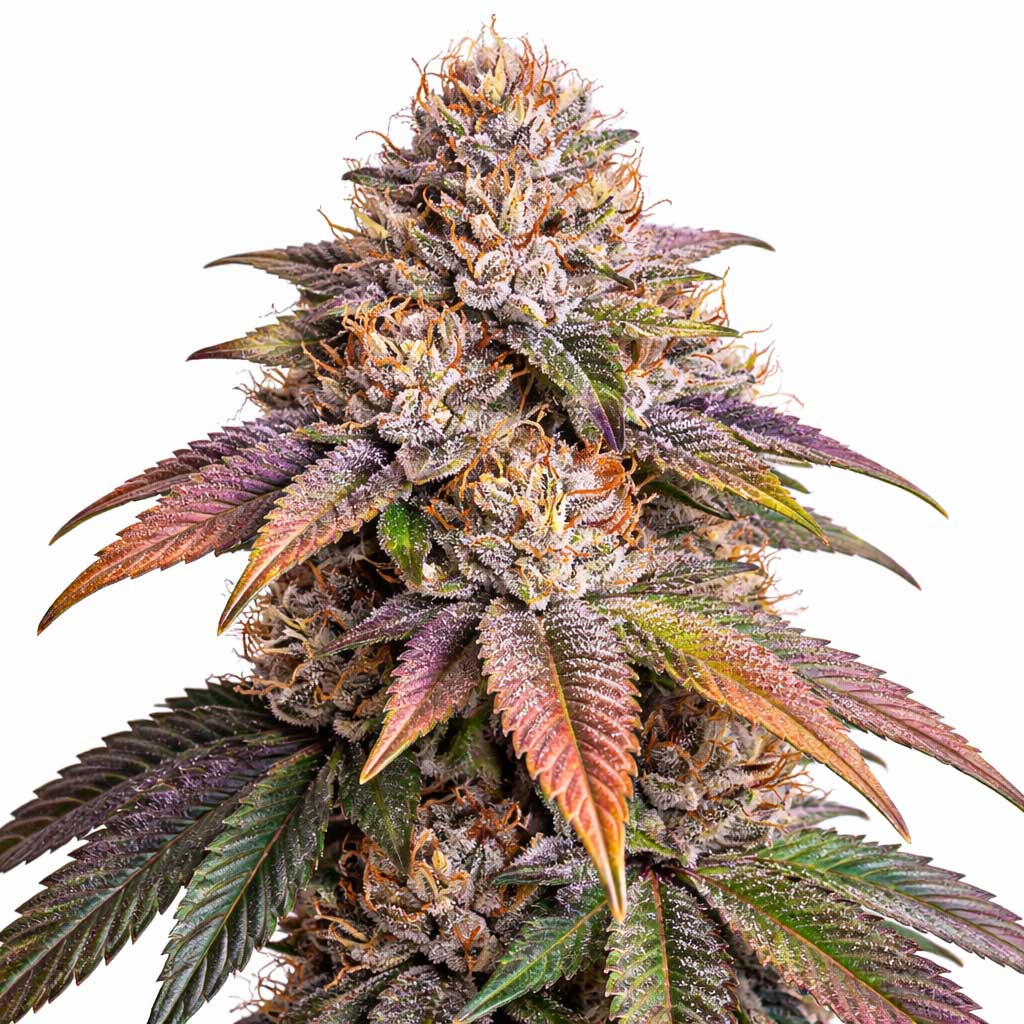
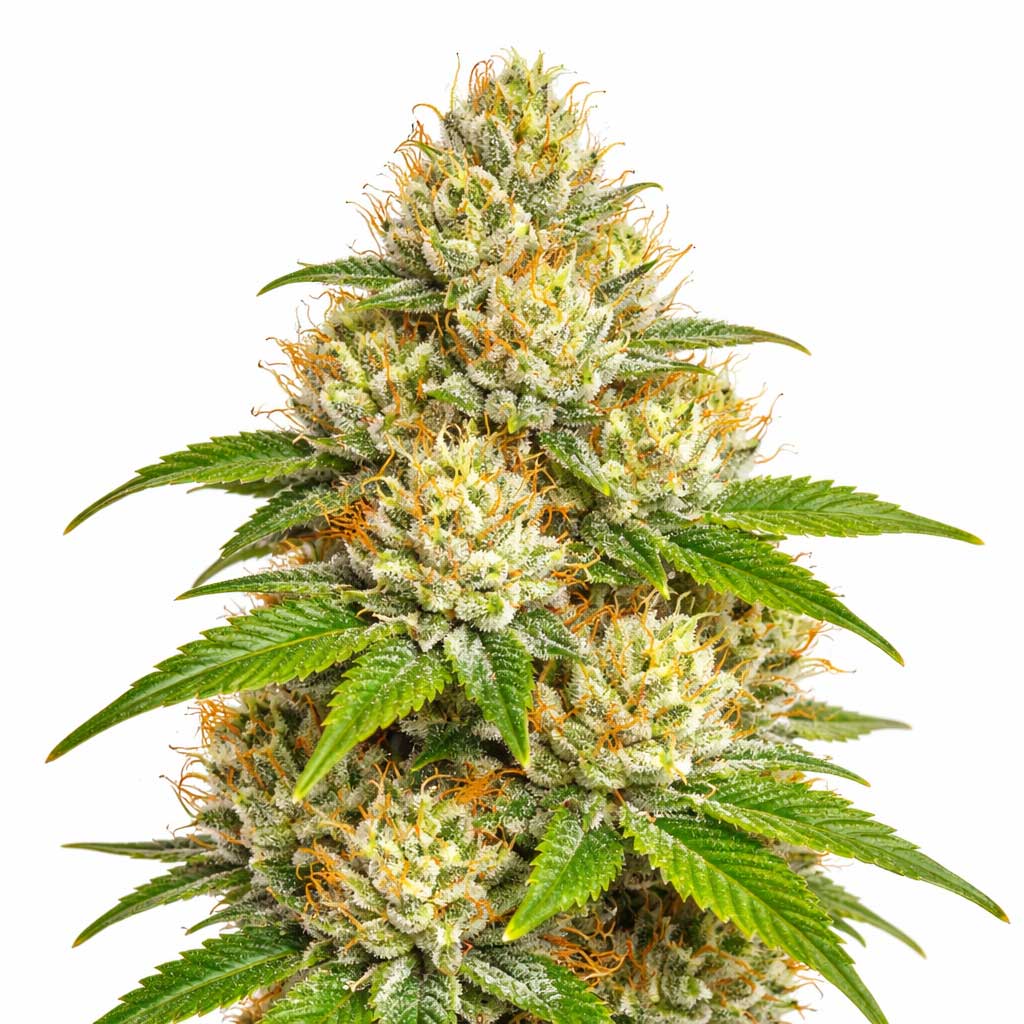
Green Crack typically produces compact to moderately elongated buds with bright lime-green coloration, orange pistils, and a frosty trichome layer that gives finished flower a vibrant, energetic shelf presence. Well-grown examples often display a clean, fresh visual profile rather than the darker dessert-style coloration seen in heavier modern indica lines.
Botanically, the cultivar is especially notable for its tropical-fruit-forward aromatic expression. Many references describe a strong combination of mango, citrus, sweet earth, and subtle pine, making Green Crack one of the better-known fruit-skunk cultivars in the classic daytime category. Its aromatic profile and clear, stimulating reputation have kept it commercially relevant across multiple generations of growers and consumers.
Green Crack remains especially notable because it delivers a classic high-energy cannabis profile with less bodily heaviness than many newer hybrid lines, preserving a more traditional “get up and go” sativa-style identity.
Effects & Use-Cases (Reported)
Commonly reported effects: fast cerebral stimulation, upbeat mood lift, sharpened focus, talkative energy, and light physical relaxation without early sedation.
Use-case context: Green Crack is most often associated with morning or daytime use. It is frequently selected for productive sessions, creative work, social activity, outdoor tasks, and situations where a motivating sativa-leaning hybrid is preferred over a heavier evening cultivar.
Note: These observations are anecdotal reports and should not be interpreted as medical claims.
Aroma & Flavors
Aroma: Sweet mango, tropical citrus, earthy skunk, and fresh pine.
Flavor: The inhale is commonly described as fruity, juicy, and citrusy, while the exhale becomes more earthy, lightly peppery, and pine-accented.
Terpene associations: Myrcene, Limonene, Pinene, and Caryophyllene.
Tested Cannabinoid & Terpene Ranges
| Compound | Typical Range* | Notes |
|---|---|---|
| Δ9-THC | 15.0%–25.0% | Commonly reported potency range for commercial Green Crack flower |
| CBG | 0.5%–1.2% | Minor-cannabinoid presence sometimes reported in well-finished modern cuts |
| Myrcene | 0.4%–0.9% | Often linked to mango depth and smoother body character |
| Limonene | 0.3%–0.8% | Supports citrus brightness and mood-lifting aromatic sharpness |
| Pinene | 0.2%–0.6% | Adds fresh pine character and a clearer daytime edge |
| Caryophyllene | 0.1%–0.4% | Adds light peppery-earthy structure to the finish |
*Ranges are literature-informed references for modern commercial and boutique Green Crack harvests and may vary by phenotype, cultivation environment, harvest timing, and analytical method.
Cultivation Notes
- Light Cycle: 18/6 vegetative and 12/12 flowering.
- Humidity Targets: Moderate humidity during vegetative growth, then approximately 40%–50% RH in late flower.
- Nutrition: Often responds well to balanced feeding and attentive support during vigorous early flower growth.
- Training: Topping, low-stress training, and trellising are commonly used because Green Crack can grow tall and fast before full flower set.
- Harvest Window: Late September to early October outdoors in the Northern Hemisphere.
Grower Notes (Week-by-Week Snapshot)
- Weeks 1–3 (Transition): Noticeable stretch is common, with fast vertical growth and active branch extension.
- Weeks 4–6: Bud sites build quickly and the fruity-skunky mango aroma becomes much more pronounced.
- Weeks 7–9: Flowers tighten, resin coverage improves, and the cultivar’s bright citrus-pine finish becomes clearer.
- Post-Harvest: A careful slow dry and proper cure are often recommended to preserve tropical fruit notes and reduce harshness in the sharper skunk-pine finish.
Genetic Lineage
Green Crack is most commonly linked to Skunk #1 genetics, although source references differ on whether it should be viewed as a Skunk #1 inbred selection or as a cross involving Skunk #1 and an Afghani / unknown indica parent. That variation in lineage reporting is part of why Green Crack has remained a debated but iconic classic.
Despite these naming and lineage variations, most modern references agree on the cultivar’s core identity: a bright, energetic, fruit-skunk hybrid known for mental stimulation, mango-citrus aroma, and strong daytime appeal.
Research Insights
Green Crack is often discussed in relation to Myrcene-Limonene-Pinene interplay, a terpene combination commonly associated with fruit brightness, sharper sensory alertness, and a more stimulating overall tone than heavier myrcene-dominant evening cultivars.
From a market standpoint, Green Crack remains one of the most recognizable classic daytime strain names in cannabis culture. Its long-standing popularity helped preserve demand for energetic sativa-leaning cultivars even as dessert-heavy and gas-heavy hybrids became dominant in many retail markets.
Frequently Asked Questions
Is Green Crack a sativa or indica?
Green Crack is generally described as a sativa-dominant hybrid and is best known for its energizing, alert, and daytime-leaning effect profile.
What does Green Crack taste like?
It is widely described as tasting like mango, citrus, sweet earth, and fresh pine, often with a lightly peppery finish.
Is Green Crack good for daytime use?
Many users choose Green Crack for daytime sessions because it is commonly associated with mental energy, focus, and a more functional uplift than heavier evening cultivars.
Educational Disclaimer
This page is provided for scientific and horticultural reference only. Cannabis laws vary by jurisdiction; always ensure compliance with local regulations.