Forbidden Fruit (Cannabis Strain)
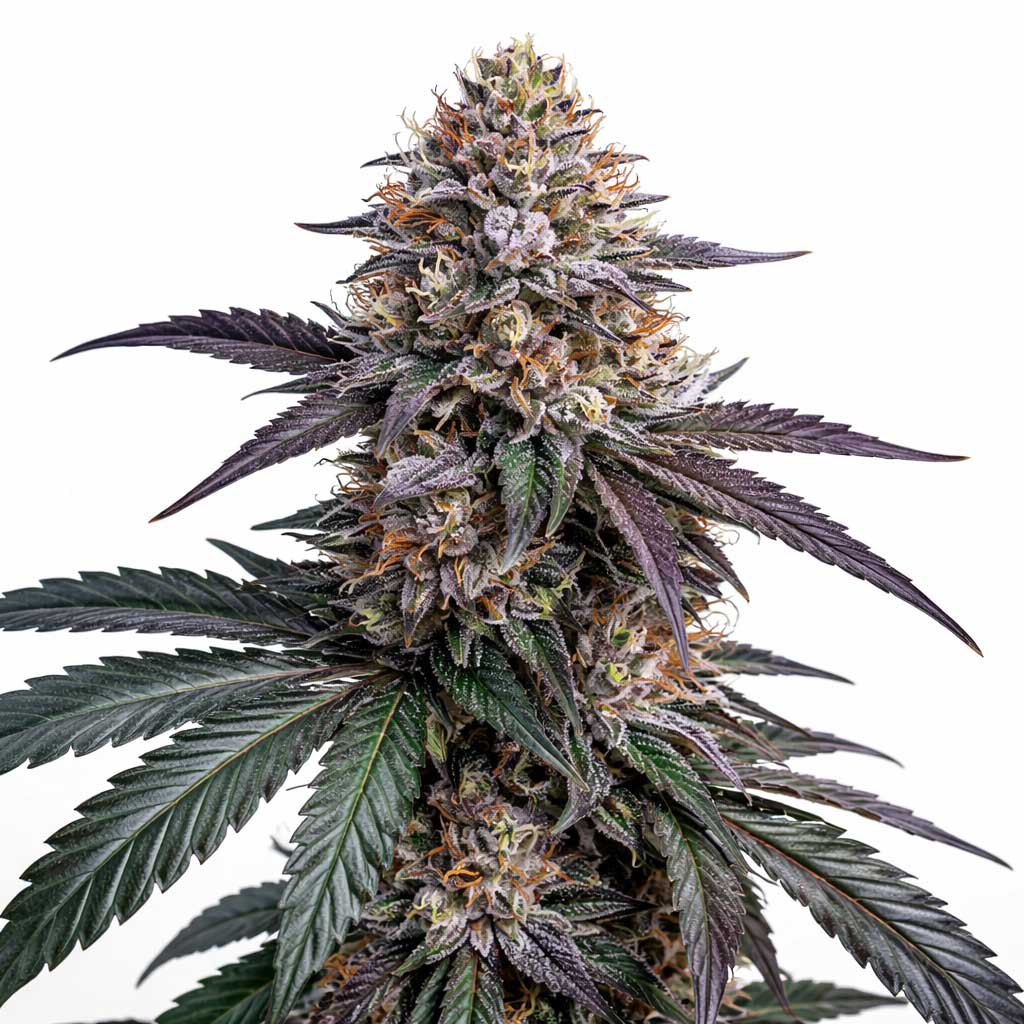
Forbidden Fruit is a luxurious indica-dominant hybrid cannabis cultivar best known as a cross between Cherry Pie and Tangie. It became especially popular for combining rich purple bag appeal with an unmistakably tropical cherry-citrus terpene profile and a heavy, slow-melting body effect.
Widely recognized for its dense resinous flowers, dark green-to-purple coloration, and loud fruit-forward nose, Forbidden Fruit stands out as one of the most memorable exotic flavor hybrids of the modern dispensary era. The information below is provided strictly for scientific and botanical reference.
Quick Facts
| Feature | Details |
|---|---|
| Genetics | Cherry Pie × Tangie |
| Variety | Indica-dominant hybrid |
| THC Range | Moderate to high, often reported around the low-to-mid 20% range depending on cut and environment |
| Flowering Time | Approximately 8–9 weeks (about 56–65 days indoors) |
| Yield Class | Moderate to high under optimized indoor management |
| Plant Structure | Medium-height hybrid frame with dense flower formation, colorful late bloom expression, and strong resin coverage |
| Canopy Behavior | Moderate internodal spacing with productive side branching; benefits from topping, light defoliation, and canopy leveling |
| Climate Preference | Controlled indoor rooms or dry, stable outdoor climates with good airflow |
| Grower Difficulty | Intermediate; generally manageable, but best results come from humidity control and careful finishing |
Scientific & Botanical Overview
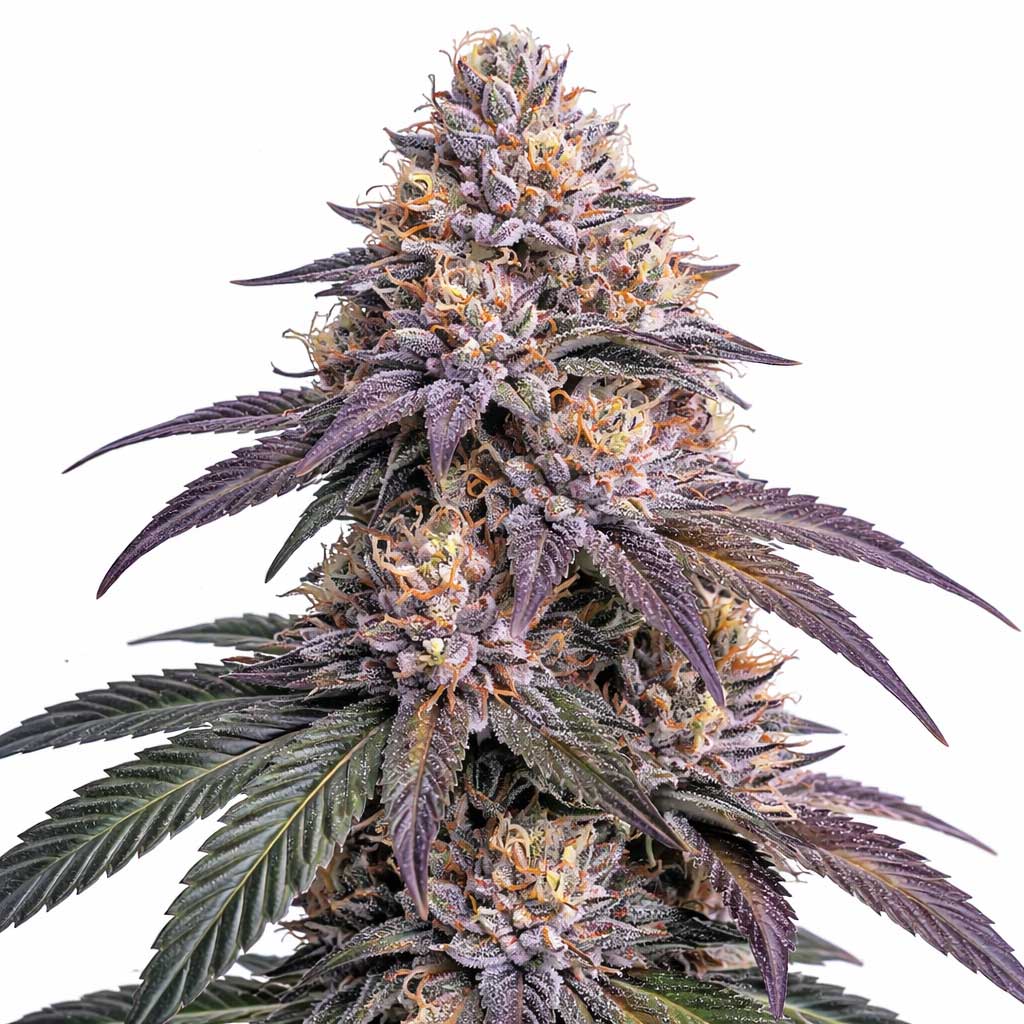
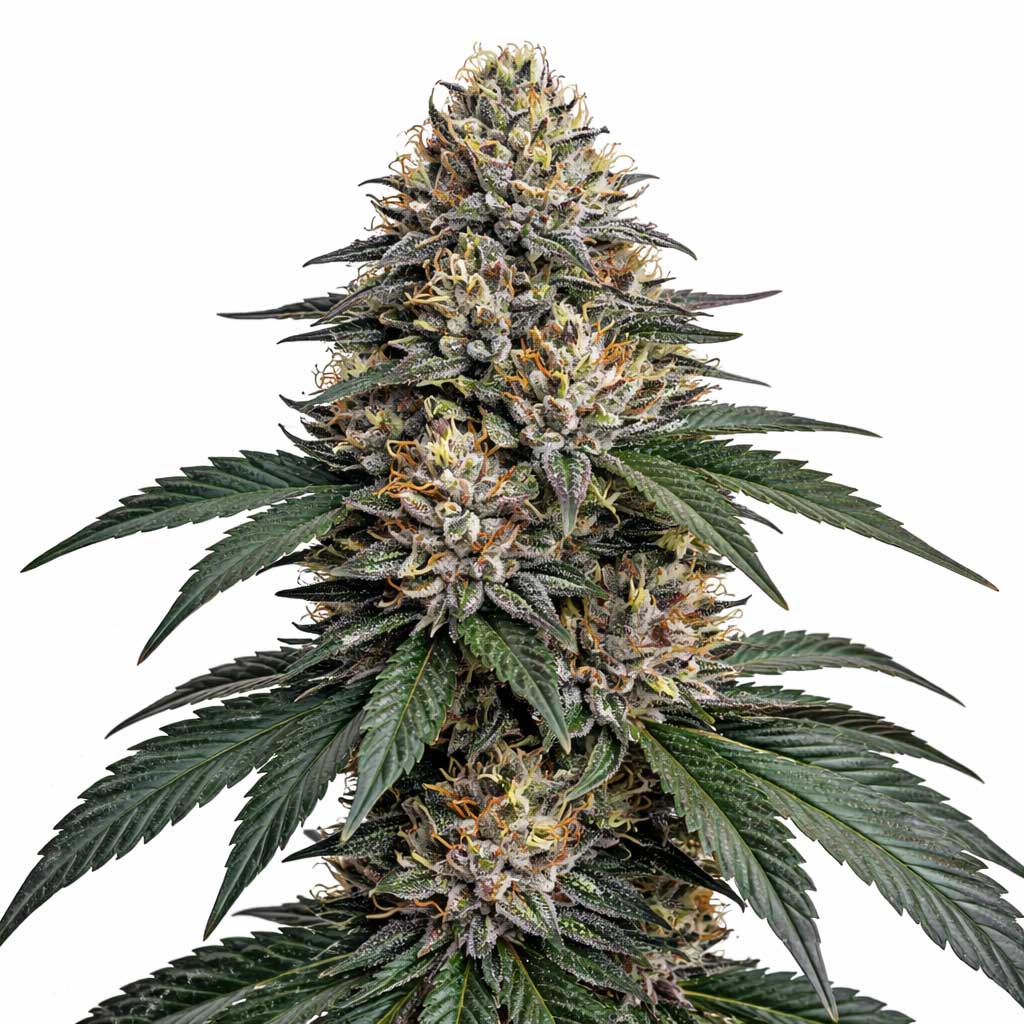
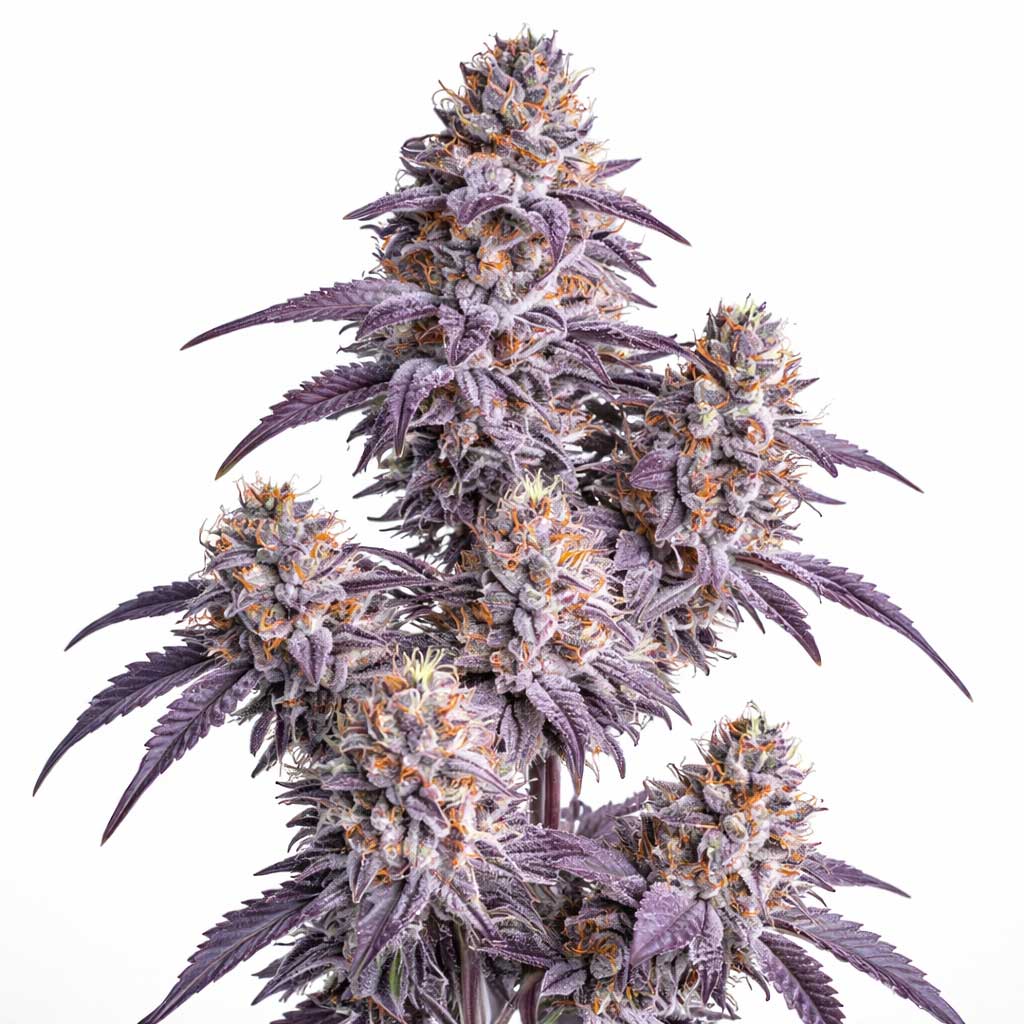
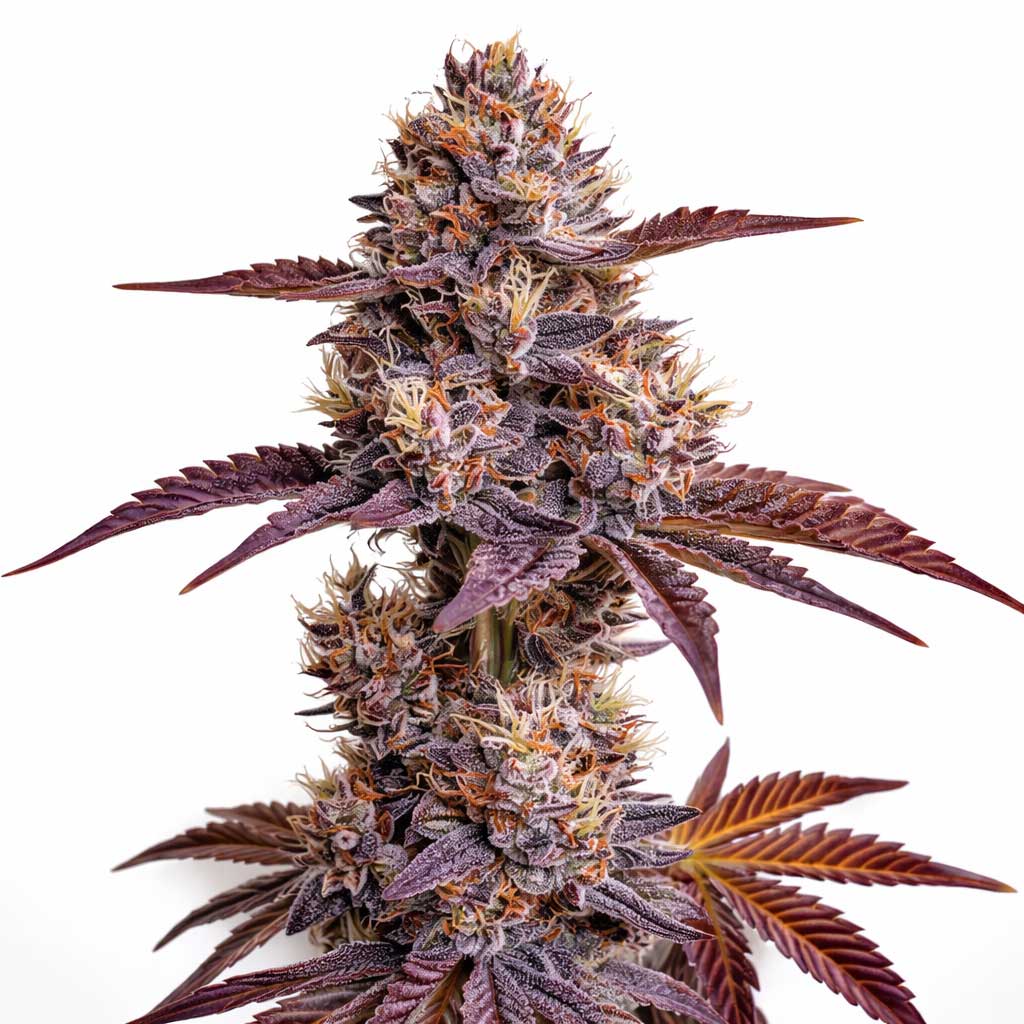
Forbidden Fruit typically expresses a boutique-style morphology with dense, rounded flowers, dark green foliage, purple highlights, and wiry orange pistils wrapped in a thick trichome layer. Its visual appeal is one of the reasons it became a standout shelf strain in markets that prize both aroma and bag presence.
From a structural perspective, the plant usually develops a manageable hybrid frame with moderate vertical growth and enough lateral branching to support indoor training techniques such as topping, SCROG, and low-stress canopy shaping. While not usually an extreme stretcher, it still benefits from light penetration and clean airflow through the middle of the plant.
Botanically, Forbidden Fruit is notable because it combines the musky cherry richness of Cherry Pie with Tangie’s louder tropical citrus lift. That pairing produces a profile that feels heavier, sweeter, and more exotic than many standard fruit hybrids while still carrying a recognizable citrus brightness underneath.
Effects & Use-Cases (Reported)
Commonly reported effects: a strong head onset, dreamy euphoria, facial pressure behind the eyes, and a deep body relaxation that can settle into couch-friendly calm.
Use-case context: Forbidden Fruit is often associated with late afternoon or evening use, decompression, low-key social settings, music, and sessions where flavor and body comfort matter more than daytime productivity. Many users describe it as relaxing without feeling completely flat in smaller doses.
Note: These observations are anecdotal reports and should not be interpreted as medical claims.
Aroma & Flavors
Aroma: Tropical citrus, sweet cherry, pine, mango, passionfruit candy, and a musky fruit finish.
Flavor: The inhale is often smooth and fruit-heavy with citrus and berry-like sweetness, while the exhale leans piney, musky, and softly earthy with lingering tropical candy notes.
Terpene associations: Myrcene-forward fruit expression with citrus-bright secondary notes and a musky sweet finish.
Tested Cannabinoid & Terpene Ranges
| Compound | Typical Range* | Grower-Oriented Interpretation |
|---|---|---|
| Δ9-THC | Often reported in the low-to-mid 20% range | Strong enough for premium market positioning without relying only on extreme potency claims |
| CBD | Typically low | Not a CBD-forward cultivar; value is driven more by flavor, appearance, and relaxing effect profile |
| Myrcene | Often prominent | Helps explain the cultivar’s rich fruit depth and softer body-heavy landing |
| Citrus-forward terpenes | Phenotype-dependent | Support the Tangie side of the profile and sharpen the tropical top notes |
| Pine / sweet musk notes | Phenotype-dependent | Add depth and keep the flavor from becoming one-dimensional candy fruit |
*Ranges vary by phenotype, environment, harvest timing, curing protocol, and analytical method. Forbidden Fruit is best understood as a terpene-rich exotic hybrid with recognizable core traits rather than a single fixed-number lab profile.
Cultivation Notes
- Vegetative Vigor: Generally steady to moderately vigorous, with enough lateral growth to reward topping and structured canopy work.
- Light Cycle: 18/6 vegetative and 12/12 flowering.
- Humidity Targets: Around 60%–65% RH in early veg, 55%–60% in late veg, and 45%–50% in flower is a practical working range.
- Nutrition: Usually performs well on balanced feeding. Many growers prefer a clean late-flower finish to preserve the cultivar’s tropical top notes and resin brightness.
- EC / Feeding Sensitivity: Moderate; some cuts may show mild tip burn or terpene dulling if overfed late.
- Training: Topping, LST, and SCROG are all effective for improving light distribution and yield uniformity.
- Support Needs: Moderate; dense top flowers may benefit from trellis support near finish.
- Mold / Moisture Risk: Moderate due to relatively dense flower structure, especially if purple-heavy phenotypes finish tight.
- Finish Timing: Many growers prefer not to let it run too long, as the bright tropical character is often best when harvested cleanly within its preferred window.
- Harvest Window: Commonly around 56–65 days indoors, with outdoor harvest typically falling in late September to early October depending on climate and phenotype.
Grower Notes (Week-by-Week Snapshot)
- Weeks 1–2 (Foundation): Forbidden Fruit usually establishes with a cooperative hybrid frame and enough branching to support early structural training.
- Weeks 3–4 (Canopy Set): Moderate stretch begins, making this the ideal window for topping recovery, branch spreading, and trellis setup.
- Weeks 5–6 (Bud Formation): Flower sites begin stacking with improving resin visibility, and the room profile starts shifting toward sweeter tropical fruit.
- Weeks 7–8 (Color & Resin): Purple expression often becomes more noticeable in stronger phenotypes, while trichome coverage and fruit-candy aroma intensify.
- Weeks 8–9 (Finish Window): Final ripening typically brings denser flowers, stronger musky cherry depth, and the full visual polish that made the cultivar famous.
- Post-Harvest: A controlled slow dry and patient cure help preserve the cultivar’s tropical citrus top notes and prevent the sweeter fruit layer from flattening into generic earthiness.
Genetic Lineage
Forbidden Fruit is most commonly identified as a cross between Cherry Pie and Tangie. That pairing explains much of its commercial appeal: Cherry Pie contributes musky cherry sweetness, darker color potential, and dense boutique flower character, while Tangie brings louder citrus lift and a brighter tropical aromatic edge.
This lineage is part of what makes Forbidden Fruit so recognizable. It is not simply fruity; it carries both a sweet cherry depth and a sharper tropical citrus layer, giving it a more layered and memorable identity than many simpler dessert hybrids.
Research Insights
Forbidden Fruit remains notable because it helped reinforce the commercial strength of terpene-first flower in modern dispensary markets. It showed that a strain could become highly sought after based as much on aroma and shelf appeal as on raw potency alone.
From a grower’s perspective, Forbidden Fruit illustrates the value of combining strong sensory branding with manageable room behavior. Its appeal is built around color, resin, aroma separation, and a repeatable exotic fruit identity, all of which matter in premium flower positioning.
Phenotype selection still matters. Some expressions may lean more toward musky cherry and darker coloration, while others pull brighter citrus, more pineapple-mango character, or a slightly lighter overall feel. That range is part of what keeps the cultivar interesting for both breeders and growers.
Frequently Asked Questions
Is Forbidden Fruit an indica or sativa strain?
Forbidden Fruit is generally described as an indica-dominant hybrid with relaxing body effects and a rich fruit-forward profile.
What does Forbidden Fruit taste like?
It is commonly described as tropical citrus, sweet cherry, mango, pine, and passionfruit candy with a musky finish.
How does Forbidden Fruit grow indoors?
It usually grows with a manageable hybrid frame, moderate stretch, productive side branching, and good response to topping and SCROG.
Is Forbidden Fruit better for daytime or nighttime use?
Most users place it in the late afternoon or evening category because of its relaxing, body-leaning effect profile.
What makes Forbidden Fruit stand out?
Its standout traits include tropical cherry-citrus aroma, dense purple resinous buds, strong bag appeal, and a deeply relaxing exotic-hybrid identity.
Educational Disclaimer
This page is provided for scientific and horticultural reference only. Cannabis laws vary by jurisdiction; always ensure compliance with local regulations.
Rate and review this strain
Ratings and reviews are accepted only from signed-in Google accounts.
Sign in with Google to leave a rating and written review.
Latest Reviews
0 reviewsNo reviews yet. Be the first Google user to rate and review this strain.