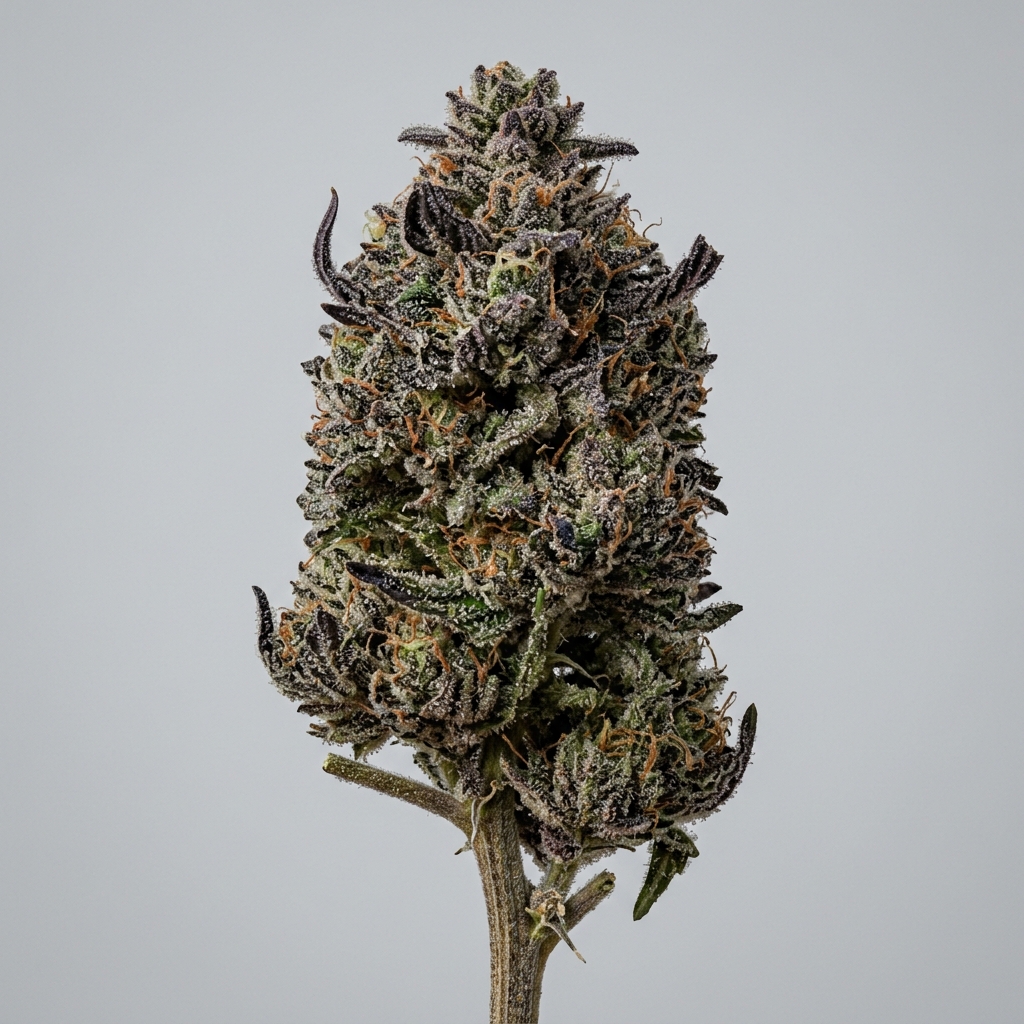
Dosi Punch (Cannabis Strain)
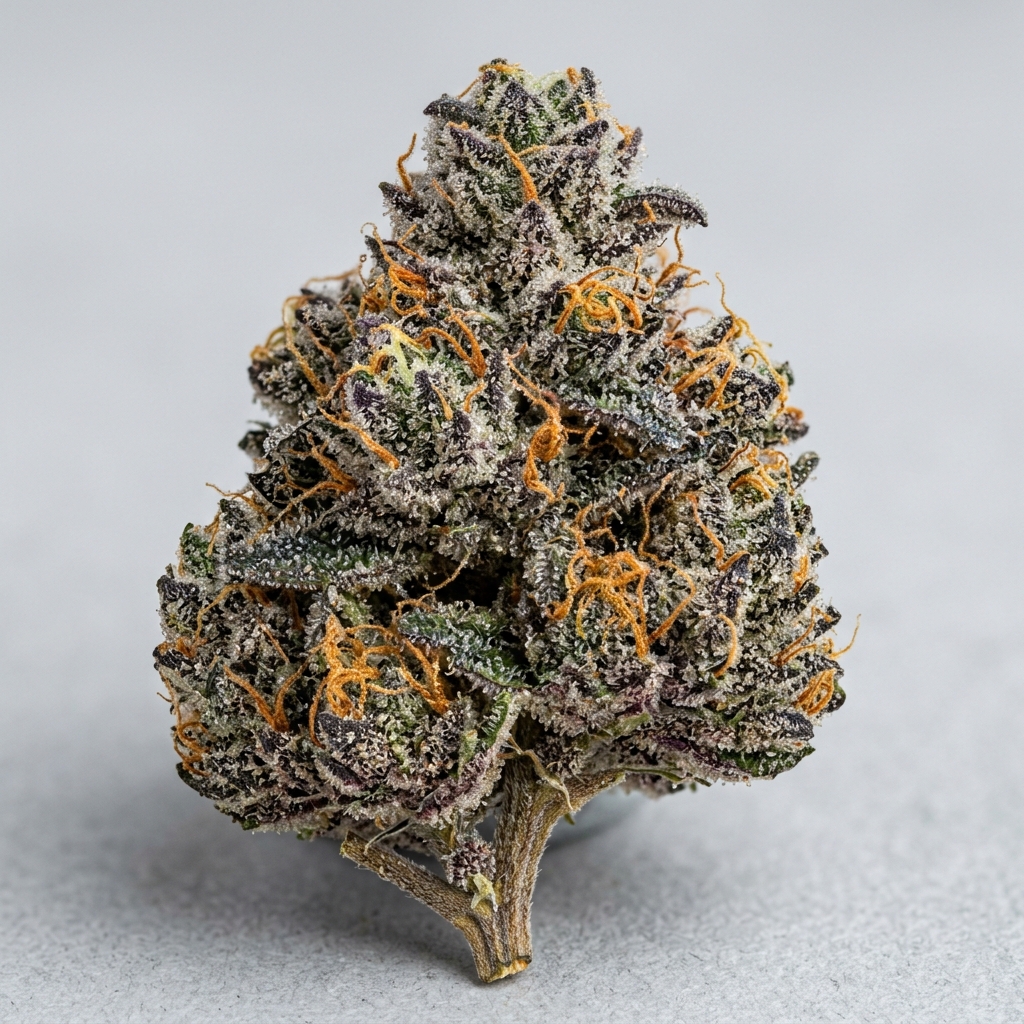
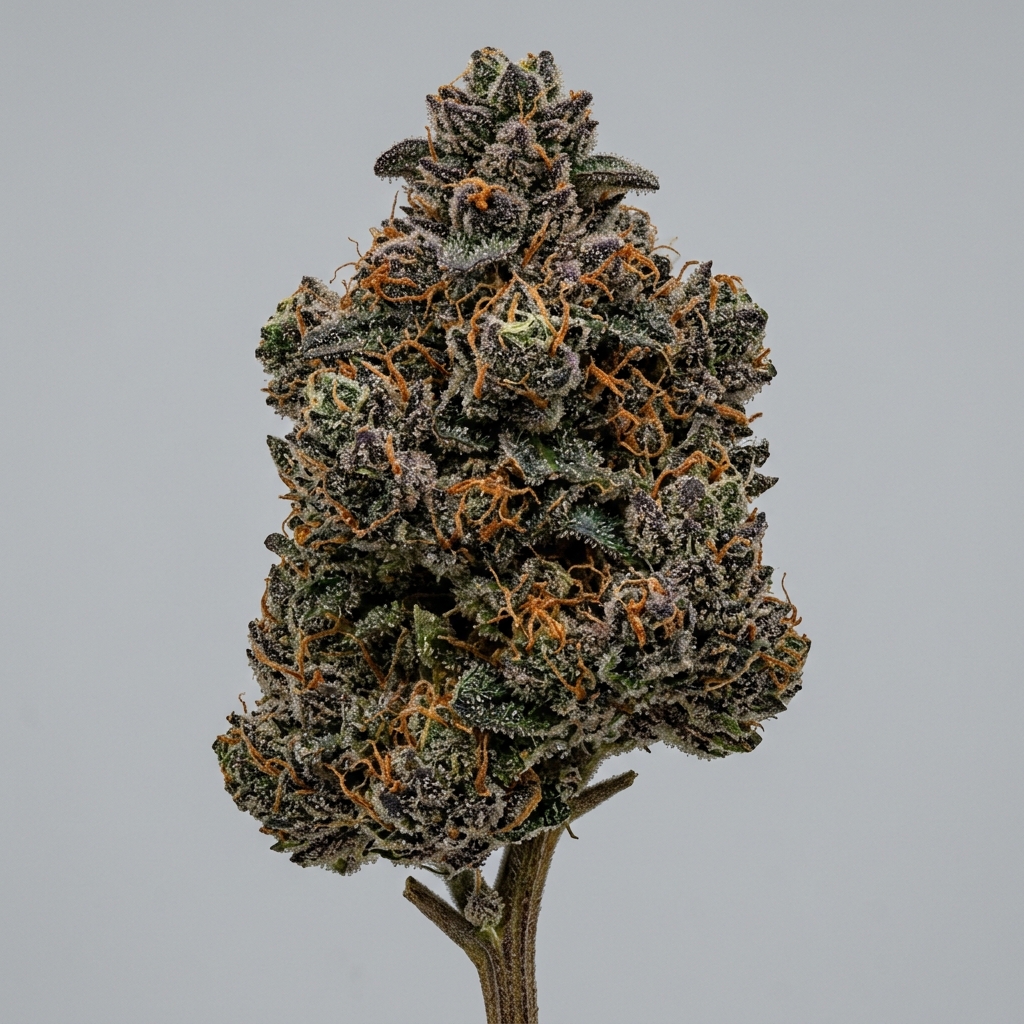
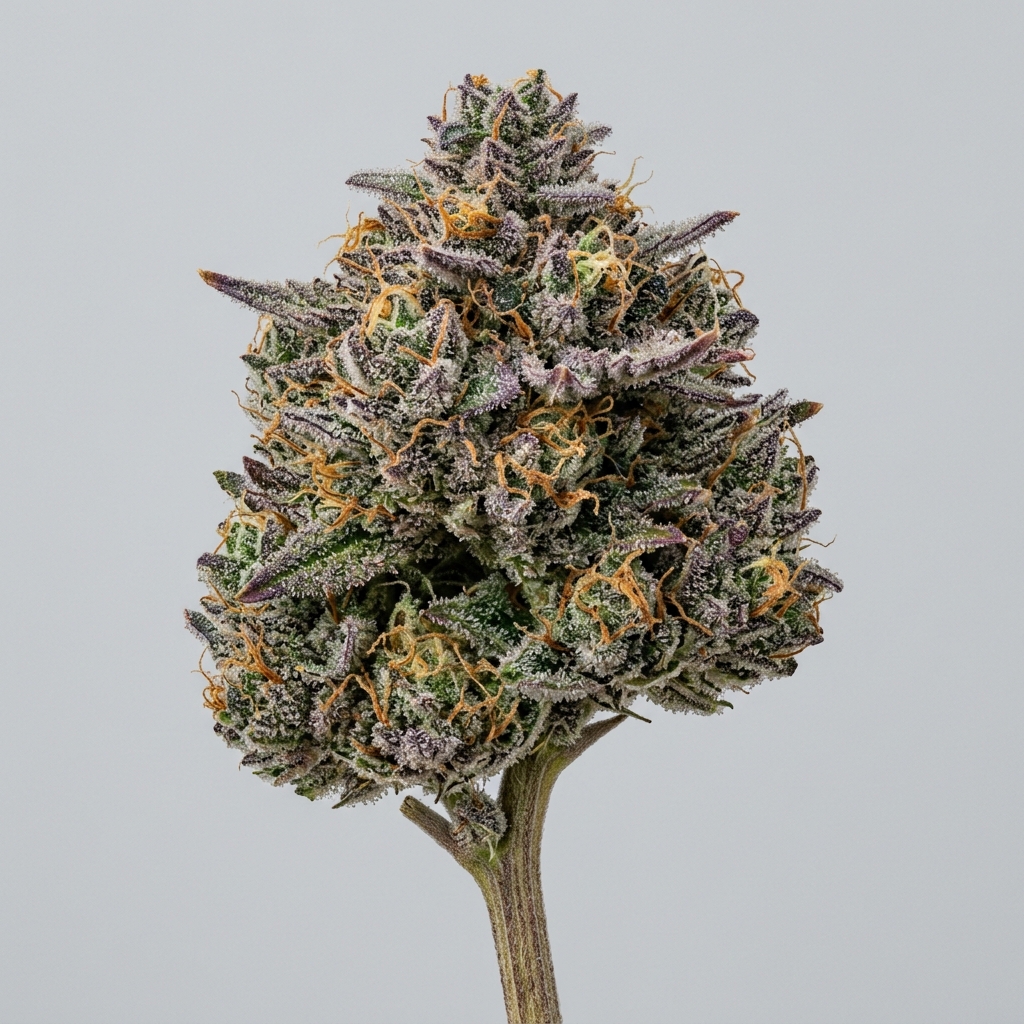
Dosi Punch is an indica-dominant hybrid typically testing between 20% and 26% THC, bred by crossing the elite cultivars Do-Si-Dos and Purple Punch. This cultivar is highly regarded for its dense, purple-tinged flowers coated in a layer of wet frost, carrying a rich aromatic profile of dark berries, sweet cookie dough, and a sharp gas finish. In the garden, it shows a manageable, controlled stretch with tight internodal spacing and produces heavy, resin-rich spear colas. It has established itself as a staple for extraction artists and growers seeking a reliable combination of bag appeal, sweet terpene clarity, and heavy evening relaxation.
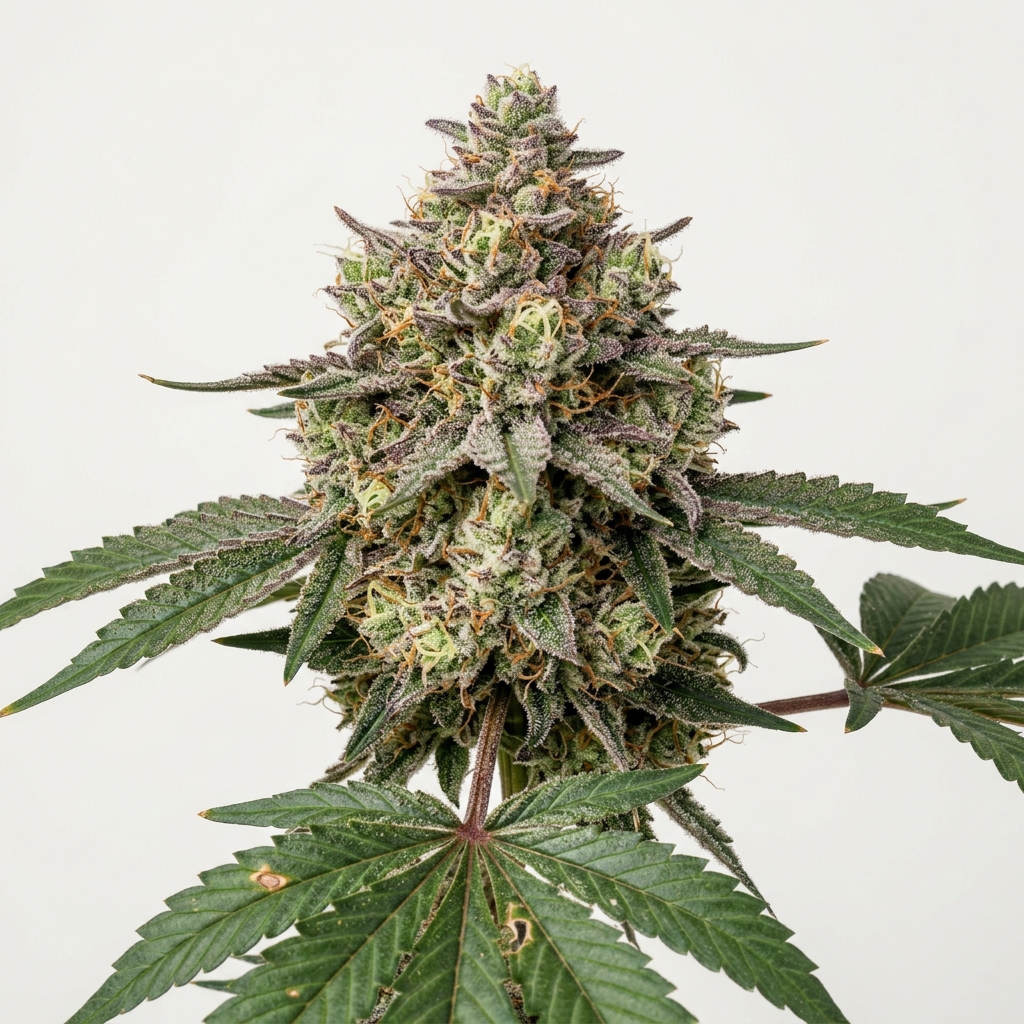
The plant’s physical expression leans heavily toward its heritage, showcasing broad fan leaves and swollen calyxes that frequently turn deep purple when exposed to cooler night temperatures during late flower. Its greasy resin layer develops early in the flowering cycle, making it particularly sensitive to late-flower humidity. Cultivators appreciate its predictable growth pattern and structural integrity, which support heavy yields without requiring excessive trellis support.
Quick Facts
| Attribute | Details |
|---|---|
| Genetics | Do-Si-Dos × Purple Punch |
| Variety | Indica-dominant hybrid |
| THC Range | 20% – 26% |
| Flowering Time | 8 – 9 Weeks |
| Yield Potential | Moderate to High |
| Plant Height | Medium |
| Climate Preference | Temperate, low humidity |
| Difficulty | Moderate |
Scientific & Botanical Overview
Botanically, Dosi Punch displays a classic indica-dominant morphology, characterized by broad fan leaves, thick stems, and a bushy structure. The plant maintains a compact profile during vegetative growth, allowing for efficient space utilization in indoor setups. Its tight internodes require strategic defoliation to ensure adequate airflow through the lower canopy.
As flowering progresses, the calyx-to-leaf ratio becomes highly favorable, resulting in dense, chunky colas that are easy to trim. The trichome heads are remarkably large and glandular, producing a greasy resin that blankets the deep green and violet bracts. This heavy resin production is a direct inheritance from its trichome-dense parental lineage.
The deep purple coloration observed in mature phenotypes is driven by a high concentration of anthocyanins, which are triggered by dropping temperatures in the final weeks of the cycle. This genetic trait does not compromise flower density, as the buds remain exceptionally solid and heavy through to harvest. Proper climate management is essential to prevent moisture retention within these dense clusters.
Effects & Use-Cases (Reported)
Commonly reported effects: Users frequently describe a deep physical relaxation that starts in the limbs and settles into a heavy, calming sensation. This physical weight is accompanied by a gentle, uplifting mental clarity that eases stress without immediate sedation. Over time, the experience typically transitions into a tranquil state ideal for winding down.
Use-case context: Due to its heavy physical profile, this cultivar is primarily suited for evening or late-night use. It is commonly selected by those seeking relief from physical tension, mild discomfort, or sleeplessness after a long day. The relaxing onset makes it less suitable for daytime activities requiring high physical energy or sharp focus.
Note: Individual tolerance and chemistry can influence the onset and duration of these effects. High-THC cultivars should be approached with caution by novice users.
Aroma & Flavors
Aroma: The initial scent is dominated by a sweet, dark berry edge, closely followed by an earthy kush base and a subtle hint of sour grape. Breaking the buds releases a sharper gas and classic cookie dough undertone.
Flavor: On the palate, it delivers a smooth blend of sweet grape and creamy pastry, leaving a lingering mint finish and a touch of tart gas. The smoke is dense but smooth, with the sweet berry notes remaining prominent throughout.
Terpene associations: Laboratory analyses frequently point to a dominance of beta-caryophyllene, limonene, and myrcene, which underpin its spicy, citrus, and herbal undertones.
Tested Cannabinoid & Terpene Ranges
| Compound | Typical Range (%) |
|---|---|
| Δ9-THC | 20.0% – 26.0% |
| CBD | 0.1% – 0.5% |
| beta-Caryophyllene | 0.4% – 0.8% |
| Limonene | 0.3% – 0.6% |
| Myrcene | 0.2% – 0.5% |
| Linalool | 0.1% – 0.3% |
Note: Cannabinoid and terpene profiles are highly variable and depend on specific cultivation practices, environmental factors, and phenotype selection.
Cultivation Notes
- Humidity: Keep relative humidity (RH) below 45% during the final three weeks of flowering to protect the dense, resin-rich flowers from mold or bud rot.
- Nutrition: Responds well to a moderate feeding regimen; avoid over-fertilizing with nitrogen during mid-to-late flower to prevent leafy bud structures.
- Training: use low-stress training (LST) and topping early in vegetative growth to promote a multi-topped canopy and maximize light penetration.
- Harvest: Monitor the glassy buds closely; harvest when trichomes transition from milky white to roughly 10-15% amber for optimal terpene clarity.
- Phenotype Management: Select phenotypes that show a balance of the gassy Do-Si-Dos structure and the sweet, purple traits of the Purple Punch parent.
Grower Notes (Week-by-Week Snapshot)
- Weeks 1–3 (Transition & Stretch): Expect a controlled stretch of roughly 50-80% after flipping to a 12/12 light cycle. Focus on tucking large fan leaves to ensure light reaches lower bud sites.
- Weeks 4–6 (Resin & Flower Development): Bud sites swell rapidly, forming dense clusters with early greasy resin production. Maintain consistent air movement and begin lowering daytime humidity.
- Weeks 7–9 (Ripening & Coloration): Introduce cooler night temperatures (around 62-65°F) to encourage the expression of deep purple hues. Reduce watering slightly and monitor trichome maturity.
- Post-Harvest (Cure): Execute a slow dry at 60°F and 60% relative humidity for 10-14 days to preserve the delicate berry and gas terpenes, followed by a minimum of a three-week jar cure.
Genetic Lineage
The maternal parent, Do-Si-Dos (an OGKB × Face Off OG cross), contributes its signature cookie dough sweetness, robust physical effects, and exceptional resin density. This lineage is evident in the strain’s tight internodal spacing and the greasy, wet frost texture of its mature buds. It also instills a strong, earthy kush foundation that balances the fruitier aspects of the cross.
The pollen donor, Purple Punch (a Larry OG × Granddaddy Purple cross), infuses the hybrid with its distinct dark berry and grape aroma, as well as its striking purple coloration. This parent is known for its user-friendly growth habits and visual appeal, traits that translate directly into Dosi Punch’s dense bracts and colorful late-flower display. The combination of these two heavyweight lines results in a balanced, highly resinous cultivar.
Research Insights
Analytical testing of Dosi Punch highlights a complex chemical profile where the sesquiterpene beta-caryophyllene interacts with monoterpenes like limonene and linalool. This specific ratio is of interest to researchers studying how terpene composition influences the perceived sedative properties of high-THC cannabis. The presence of linalool, in particular, is thought to modulate the physical relaxation associated with the cultivar.
From a breeding perspective, this cultivar shows high genetic stability regarding its trichome production and terpene retention during processing. This makes it a valuable subject for research into extraction-grade cultivars, as its glandular trichomes resist rupturing prematurely during harvest but release clean, terpene-rich oils under standard extraction methods. The preservation of the sweet grape and gas profile post-extraction remains a key focus for commercial processors.
Frequently Asked Questions
Is Dosi Punch a sativa or indica?
Dosi Punch is an indica-dominant hybrid, typically exhibiting a 70% indica and 30% sativa ratio, resulting in a relaxing physical experience and a sturdy, compact growth habit.
What does Dosi Punch smell like?
The strain features a sweet and complex aroma of dark berries, sour grape, and earthy cookie dough, accented by a sharp gas finish when the buds are broken apart.
How long does Dosi Punch take to flower?
Indoors, this cultivar typically finishes flowering in 8 to 9 weeks, though some phenotypes may benefit from an extra few days to maximize purple coloration and trichome maturity.
Is Dosi Punch difficult to grow?
It is considered moderately easy to cultivate due to its sturdy structure and controlled stretch, though growers must carefully manage late-flower humidity to protect its exceptionally dense buds.
Educational Disclaimer
Educational Disclaimer: This information is intended solely for educational and informational purposes. Cultivation of cannabis is subject to local laws and regulations. Always consult local guidelines before germinating seeds or cultivating cannabis plants.
Rate and review this strain
Ratings and reviews are accepted only from signed-in Google accounts.
Sign in with Google to leave a rating and written review.
Latest Reviews
0 reviewsNo reviews yet. Be the first Google user to rate and review this strain.