Cherry Vein (Cannabis Strain) — Strainpedia
Cherry Vein is a rare boutique hybrid cannabis cultivar often described as Indica-leaning. The strain is created from a cross between Black Cherry Soda and Old Family Purple, producing plants known for their striking coloration and complex botanical aroma.
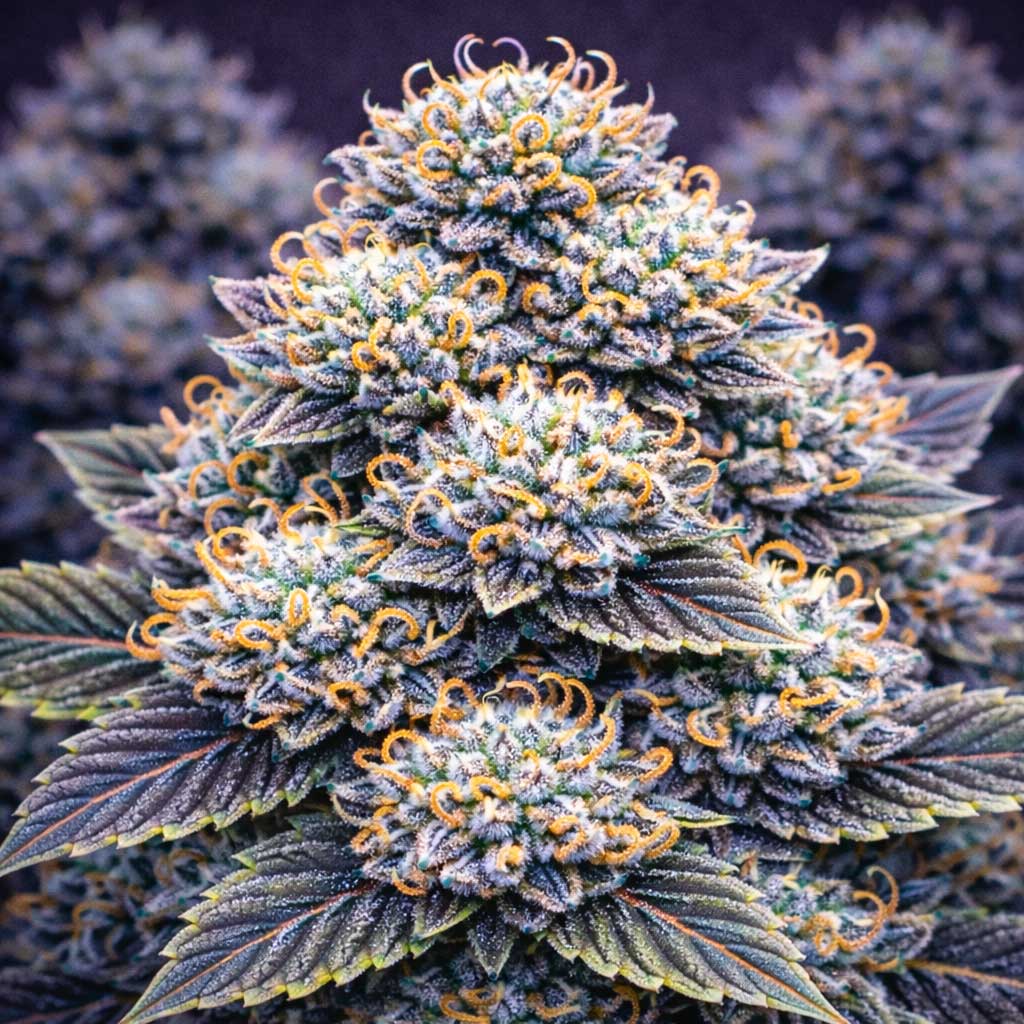
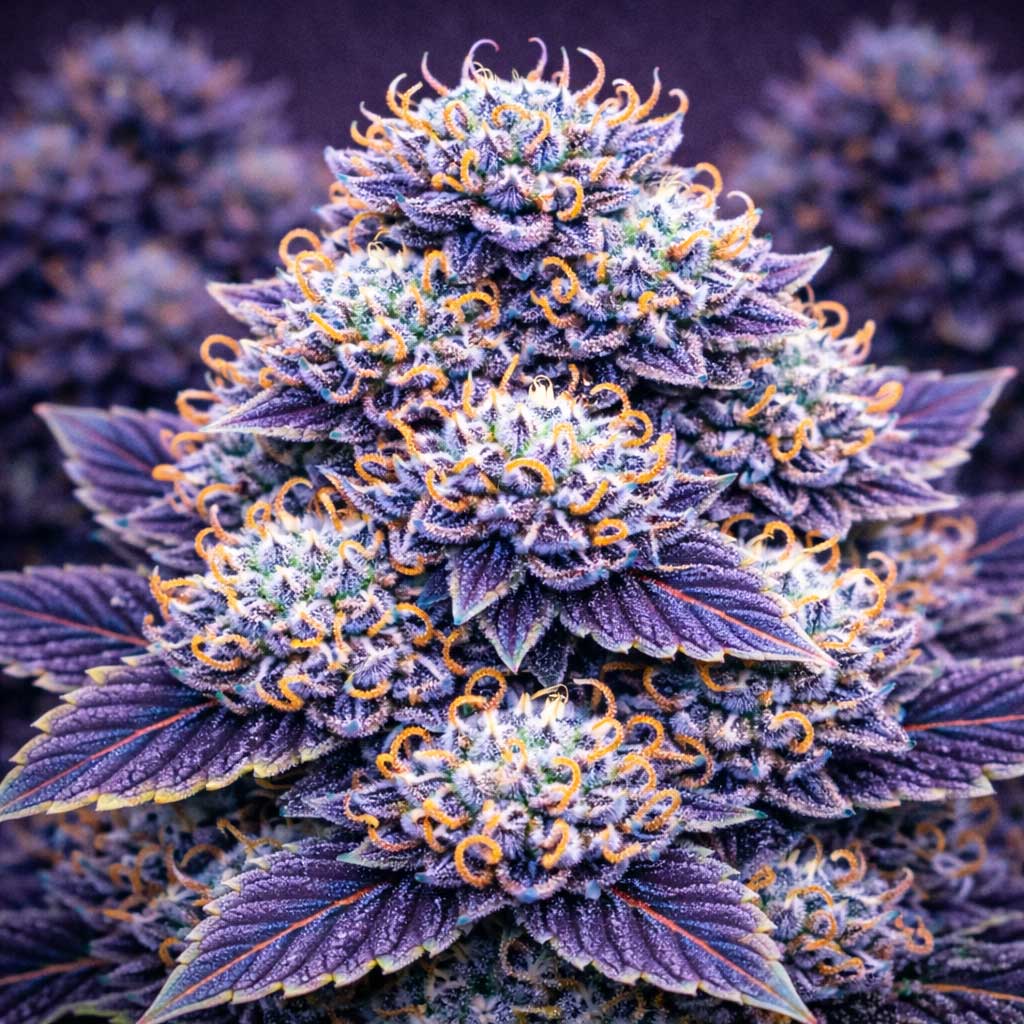
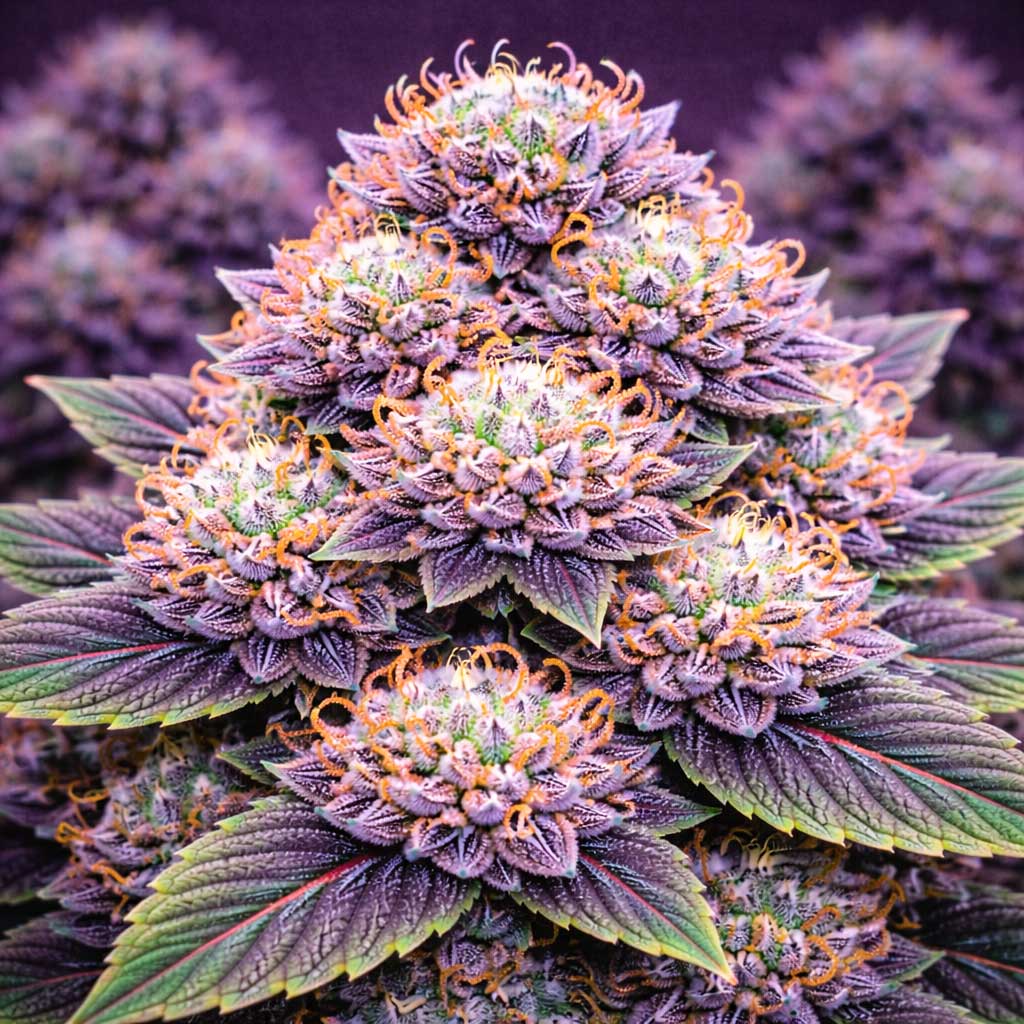
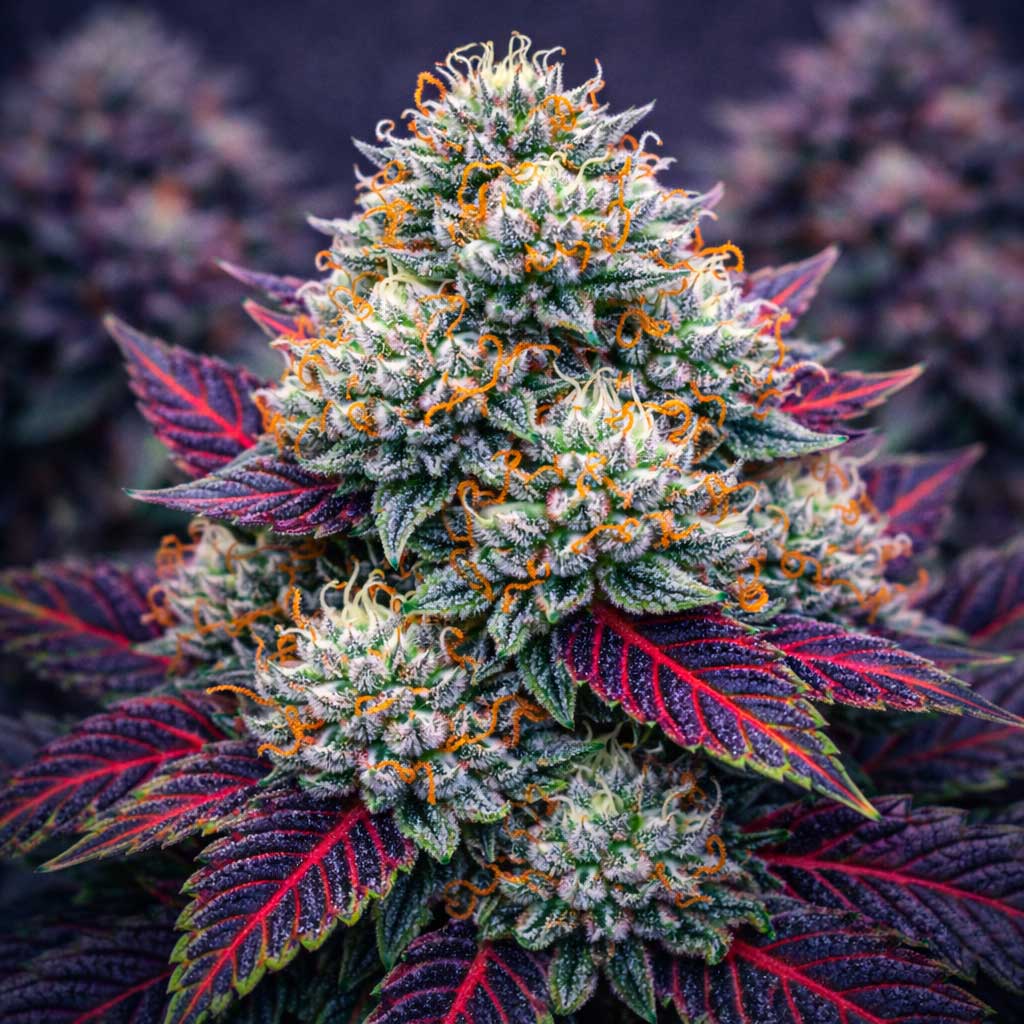
Cherry Vein is recognized for the distinctive purple and red “veining” patterns that appear on its leaves and stems during late flowering stages. This visual trait, combined with its cherry-forward aroma and balanced effects, has made it a notable subject in cultivation and botanical discussions. The information below is intended strictly for scientific, botanical, and horticultural reference.
Quick Facts
| Genetics | Black Cherry Soda x Old Family Purple |
|---|---|
| Variety | Indica-Dominant Hybrid (Approx. 60% Indica / 40% Sativa) |
| Flowering Time | 8–9 weeks (56–63 days indoors) |
| Yield Potential | 400–450 g/m² (Moderate) |
| Plant Height | 90–130 cm; compact and bushy |
| Climate Preference | Cool to temperate climates |
| Difficulty | Intermediate |
Strain Classification
| Type | Indica-Dominant Hybrid |
|---|---|
| Genetic Family | Cherry / Purple Hybrid Lineage |
| Primary Terpenes | Linalool, Myrcene, Caryophyllene |
| Breeding Lineage | Black Cherry Soda x Old Family Purple |
Scientific & Botanical Overview
Cherry Vein is particularly notable for its phenotypic coloration patterns. Under cooler nighttime temperatures during late flowering, the plant’s vascular tissue can develop vivid red and purple pigmentation due to elevated anthocyanin concentrations. These pigments appear as distinct veins running through otherwise green foliage.
The flowers are typically medium-sized, dense, and heavily coated with resin glands. Buds often maintain bright lime-green coloration while surrounding leaves display dramatic red or violet vein structures, creating a high-contrast aesthetic that distinguishes the strain from many uniformly purple cultivars.
Appearance
Cherry Vein buds are dense and knobby with heavy trichome coverage. Bright orange pistils emerge from lime-green flowers, while surrounding fan leaves can develop pronounced crimson or purple vein patterns. In cooler environments, some pigmentation may extend slightly into the bud structure itself.
Effects & Use-Cases (Reported)
- Commonly reported effects: gentle cerebral calm, mood stabilization, and a soothing body relaxation.
- Use-case context: often described as suitable for daytime relaxation, stress management, or creative activities without heavy sedation.
- Note: These descriptions reflect anecdotal observations and do not constitute medical claims. Individual responses may vary.
Aroma & Flavor Profile
- Aroma: sharp maraschino cherry, earthy musk, sandalwood, and subtle lavender.
- Flavor: tart cherry with herbal spice and woody incense-like undertones.
- Terpene associations: Linalool (dominant), Myrcene, Caryophyllene.
Tested Cannabinoid & Terpene Ranges
| Compound | Typical Range* | Notes |
|---|---|---|
| Δ⁹-THC | ~18–22% | Moderate-to-high potency emphasizing terpene balance. |
| CBD | ~0.5–1.2% | Slightly higher than many modern hybrids. |
| Linalool | ~0.4–0.8% | Associated with floral and calming aromatic qualities. |
| Myrcene | ~0.3–0.6% | Provides earthy aroma and body relaxation. |
| Caryophyllene | ~0.2–0.4% | Adds subtle spice and aromatic complexity. |
*Ranges represent literature-informed references and laboratory observations and may vary depending on phenotype, environment, and analytical methods.
Cultivation Notes
- Light Cycle: 18/6 vegetative; 12/12 flowering.
- Humidity Targets: ~55% during vegetative growth and 40–45% during flowering.
- Nutrition: Slight magnesium increase during mid-flower can support color expression.
- Training Techniques: Topping and trellis support (SCROG) help manage dense canopy growth.
- Harvest Window: Early October outdoors (Northern Hemisphere).
Grower Notes (Week-by-Week Snapshot)
- Weeks 1–2: Minimal stretch; plants maintain compact structure.
- Weeks 3–4: Early flower formation begins with faint fruity aromas.
- Weeks 5–6: Calyx stacking increases and cooler night temperatures may trigger pigmentation.
- Weeks 7–8: Red and purple vein patterns become more visible across foliage.
- Post-Harvest: Extended curing helps balance floral Linalool notes with earthy Myrcene undertones.
Genetic Lineage
Cherry Vein originates from Black Cherry Soda and Old Family Purple. Black Cherry Soda contributes the distinctive cherry aroma and pigmentation traits, while Old Family Purple—often linked to Triangle Kush and Purple Urkle heritage—adds structural stability and resin density.
Research Insights
Cherry Vein is notable for its anthocyanin content, particularly cyanidin pigments responsible for the red and purple vein patterns observed in late flowering stages. These pigments, alongside the strain’s Linalool-rich terpene profile, have attracted interest in botanical studies exploring the relationship between plant pigmentation and terpene expression.
Frequently Asked Questions
Why is it called Cherry Vein?
The strain develops red and purple vein patterns in its leaves and stems during late flowering.
Is Cherry Vein a strong Indica?
Although Indica-dominant, it is frequently described as providing balanced relaxation without heavy sedation.
What does Cherry Vein taste like?
Many descriptions mention tart cherry flavors with botanical spice and woody incense undertones.
Can it be grown outdoors?
Yes, provided the climate is dry with cool nighttime temperatures to trigger the characteristic coloration.
Educational Disclaimer: This page is provided strictly for scientific and horticultural reference. Cannabis cultivation, possession, and use are regulated by local laws. This content does not promote illegal activity or constitute medical advice. Always comply with regulations in your jurisdiction.