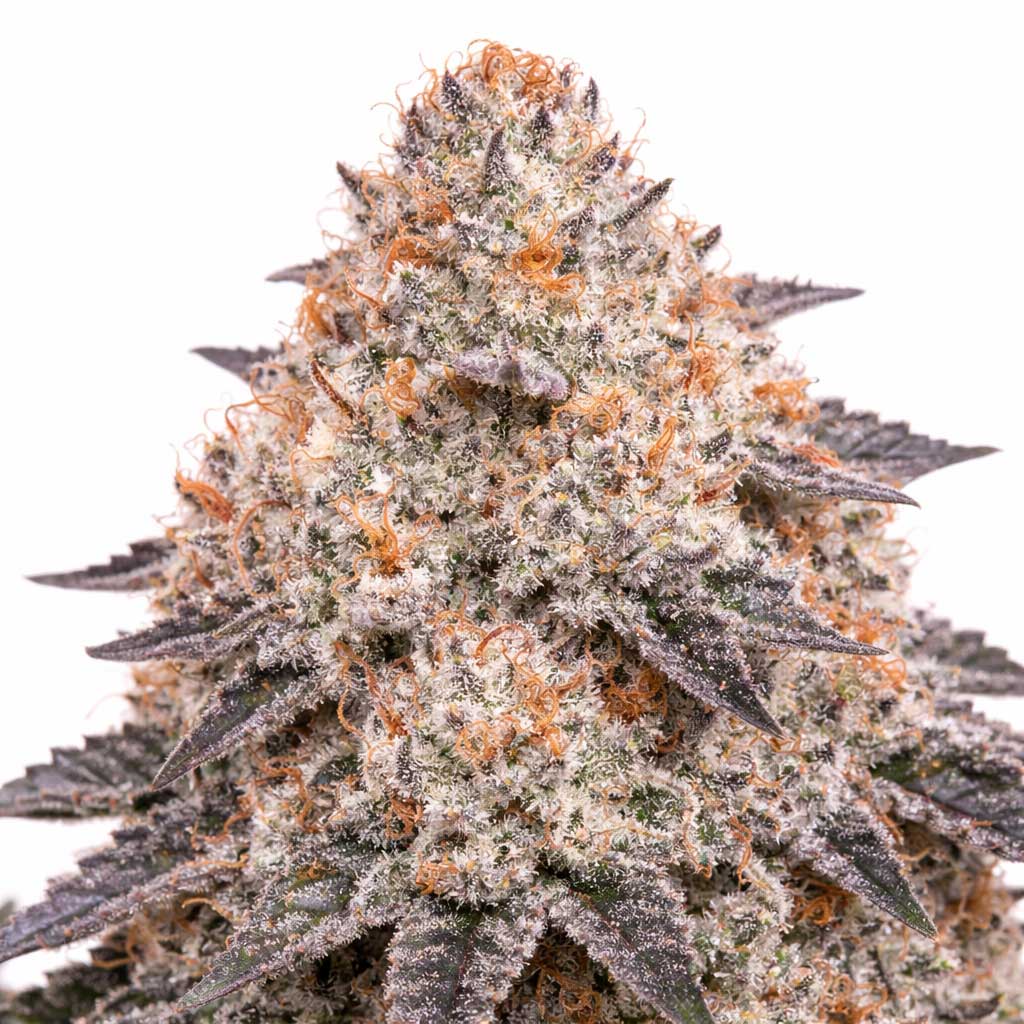
Cherry Raptor (Cannabis Strain)
Cherry Raptor is a rare, aggressive hybrid cannabis cultivar commonly described as an indica-dominant hybrid with an approximate 60% indica / 40% sativa profile. Best known as a cross between Cherry Pie and White Raptor, it has gained attention for its predatory potency, distinctive jagged leaf structure, and exceptionally resinous flower production.
Recognized for combining the tart sweetness of Cherry genetics with a sharp industrial fuel finish, Cherry Raptor is frequently associated with rapid onset, dense silver-frosted buds, and a deeply forceful physical effect profile. The information below is provided strictly for scientific and botanical reference.
Quick Facts
| Feature | Details |
|---|---|
| Genetics | Cherry Pie × White Raptor |
| Variety | Indica-dominant hybrid |
| THC Range | 26%–30% |
| Flowering Time | 8–10 weeks (56–70 days indoors) |
| Yield Potential | 500–600 g/m² (High) |
| Primary Terpenes | Myrcene, Limonene, Caryophyllene, Pinene |
| Vibe | Rapid euphoric strike that settles into intense physical relaxation |
Scientific & Botanical Overview
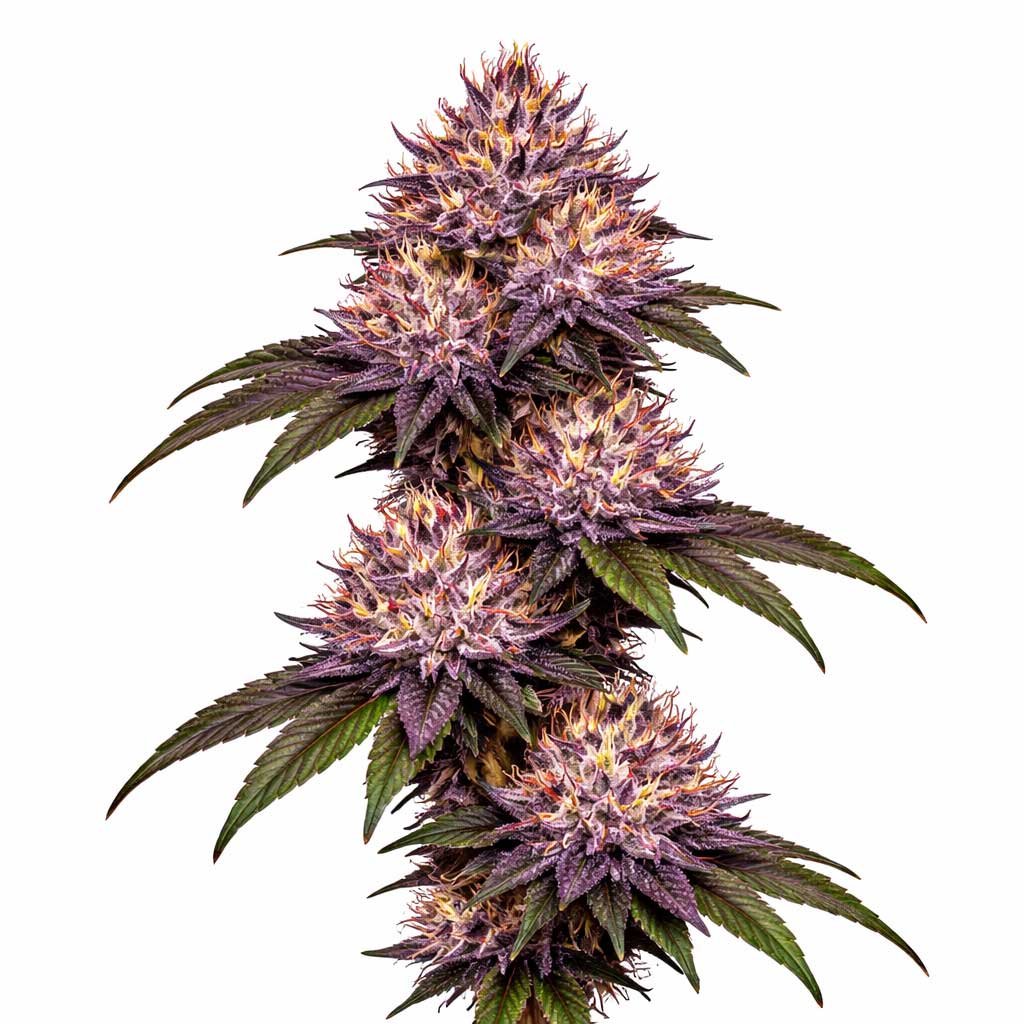
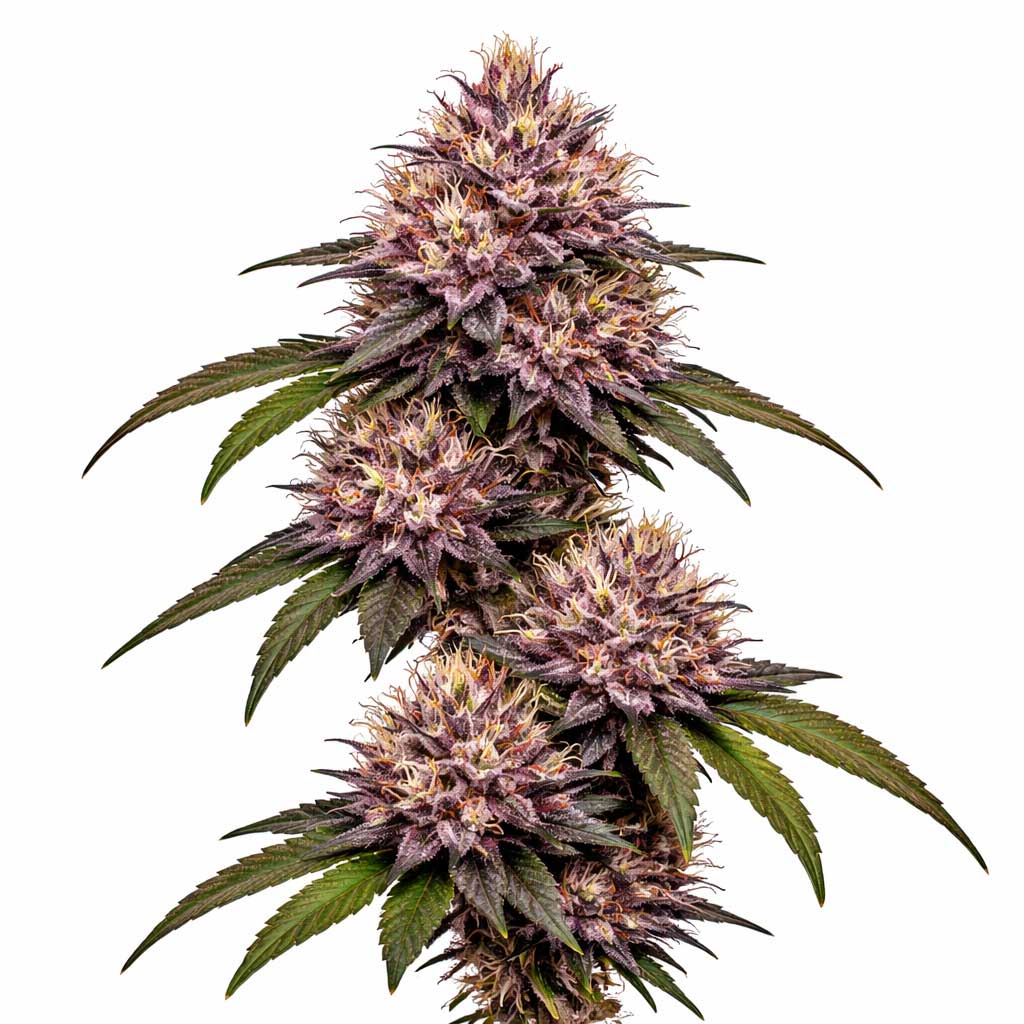
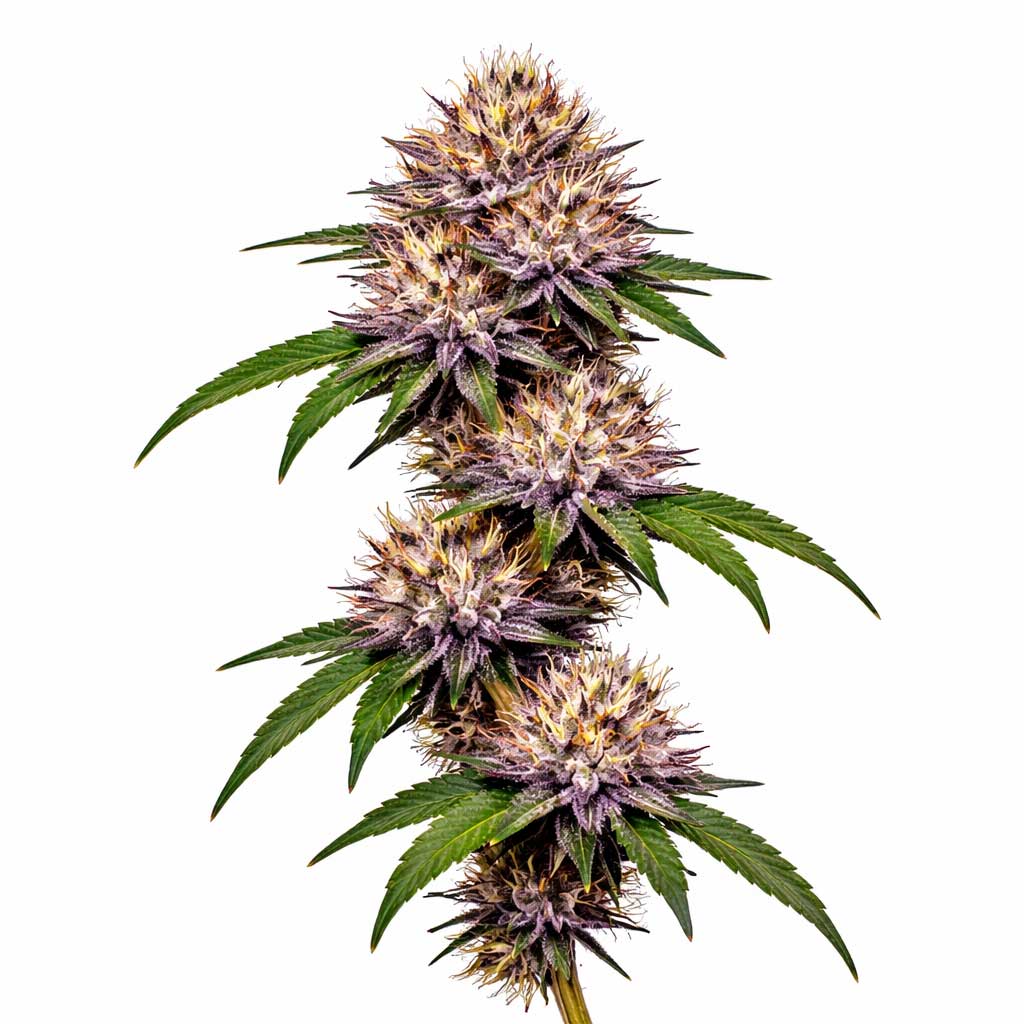
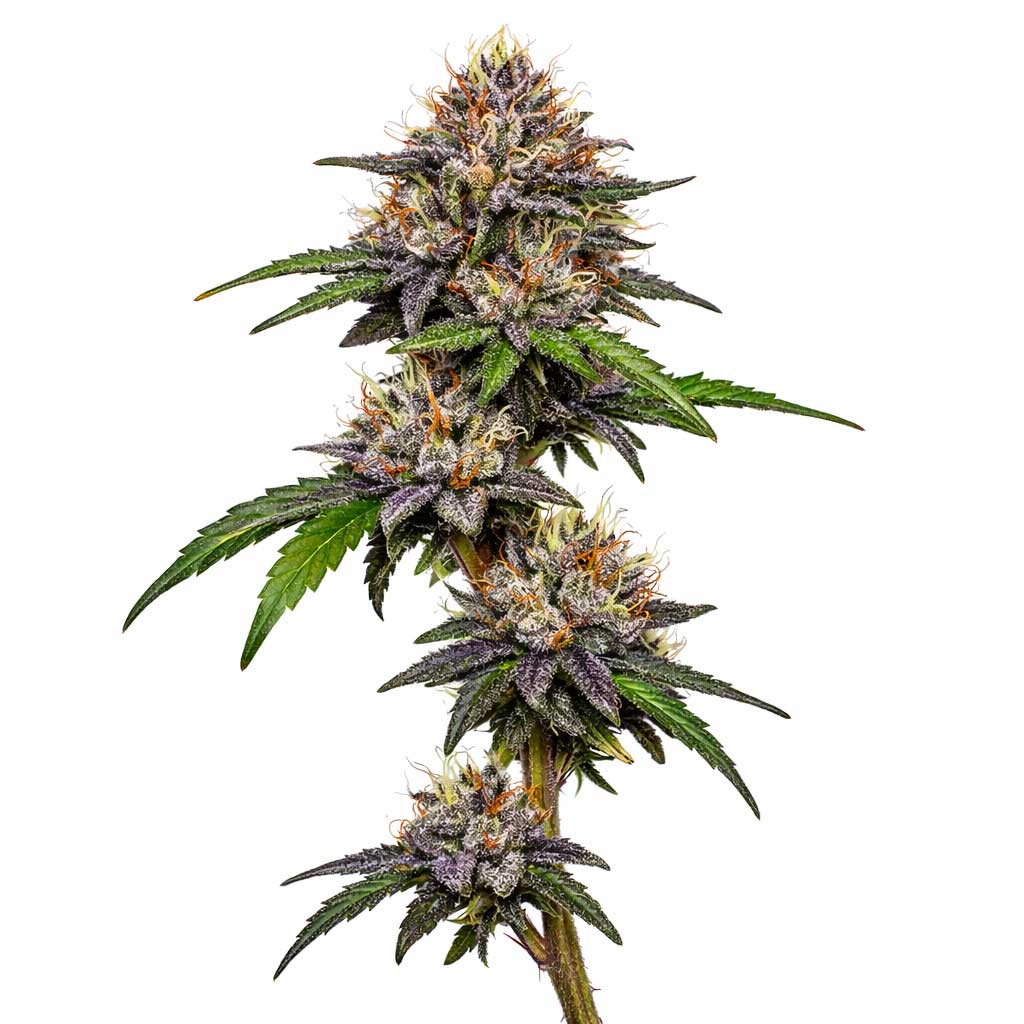
Cherry Raptor plants are distinguished by their unusual leaf morphology, often showing deeply serrated, jagged edges that give the cultivar its raptor-inspired identity. The plants typically exhibit vigorous vertical stretch, strong metabolic demand, and oversized, dense flower clusters coated in an extreme layer of silver-white, long-stalked trichomes.
Botanically, Cherry Raptor stands out for its heavy resin output and particularly viscous trichome production, traits that make it notable in extraction-oriented discussions. The flowers often appear metallic or frozen because of their dense trichome coverage, while the underlying bud structure remains large, compact, and weighty.
Cherry Raptor is especially notable because it combines aggressive growth behavior, boutique frost levels, and a forceful but layered effect profile rather than offering simple one-dimensional heaviness.
Effects & Use-Cases (Reported)
Commonly reported effects: a sudden cerebral strike of euphoria, sharpened awareness, and a long-lasting vibrating physical stone often described as high-velocity relaxation.
Use-case context: Cherry Raptor is most often associated with late-night use, high-tolerance consumers, deep decompression, and immersive low-demand environments where intense physical quietude is preferred. Many experienced users describe it as heavy and mentally quieting without necessarily feeling instantly foggy.
Note: These observations are anecdotal reports and should not be interpreted as medical claims.
Aroma & Flavors
Aroma: A pungent bouquet of sour maraschino cherries, metallic fuel, musky funk, and swampy earth.
Flavor: The inhale is commonly described as tart cherry and lime, while the exhale turns sharply chemical, spicy, herbal, and fuel-driven.
Terpene associations: Myrcene, Limonene, Caryophyllene, and Pinene.
Tested Cannabinoid & Terpene Ranges
| Compound | Typical Range* | Notes |
|---|---|---|
| Δ9-THC | 26.0%–30.0% | Elite-tier potency commonly associated with rapid onset and strong physical depth |
| Myrcene | ~0.9%–1.5% | Supports earthy sweetness and the heavier sedating body component |
| Limonene | ~0.5%–0.9% | Adds citrus bite and helps shape the initial euphoric onset |
| Caryophyllene | ~0.4%–0.8% | Contributes metallic-gassy depth and physical grounding |
| Pinene | ~0.2%–0.5% | Adds sharp herbal definition and may support clearer mental edges |
*Ranges are literature- and lab-report-informed references and may vary by phenotype, cultivation environment, harvest timing, post-harvest handling, and analytical method.
Cultivation Notes
- Structure: Medium-to-tall plants with vigorous stretch, jagged leaf expression, and strong vertical energy
- Flower Formation: Oversized, rock-hard buds with heavy silver-white trichome coverage and strong extraction appeal
- Climate Preference: Mediterranean or controlled indoor environments with high light intensity are often preferred
- Nutrition: Heavy feeder that often responds well to increased potassium and silica during the final bulking stages
- Training: Topping and trellising are usually essential because stretch can become aggressive after the flip to flower
Grower Notes (Week-by-Week Snapshot)
- Weeks 1–3 (The Strike): Intense vertical stretch is common, making early canopy control and support planning especially important.
- Weeks 4–6: Resin development becomes obvious as flowers take on a silver sheen and the room fills with chemical fruit and musky fuel aroma.
- Weeks 7–10: Final ripening phase, where flowers harden significantly and cooler nighttime temperatures may help intensify purple tones and silvery visual contrast.
- Harvest Window: Outdoor harvest is generally targeted for late September to mid-October in the Northern Hemisphere.
- Post-Harvest: A slow dry around 15 °C and 60% RH is often recommended to help preserve the metallic gas edge and fruit esters.
Genetic Lineage
Cherry Raptor is commonly described as a cross between Cherry Pie and White Raptor. Cherry Pie contributes tart fruit flavor, mood-lifting brightness, and part of the cultivar’s cherry-forward identity. White Raptor, often associated with The White and high-potency Chemdog-type influence, contributes extreme resin density, sharper chemical aroma, and the heavier predatory potency that defines the line.
This pairing helps explain why Cherry Raptor feels more forceful, metallic, and extraction-friendly than many softer cherry hybrids while still preserving a noticeable fruit core.
Research Insights
Cherry Raptor is notable in discussions around Myrcene-Pinene interaction. This terpene pairing is often used to explain how some cultivars can feel deeply body-heavy while still retaining a degree of alertness or sensory lock-in. In Cherry Raptor, that balance may help create the reported effect of intense immersion without immediate mental shutdown.
From a breeding and market perspective, Cherry Raptor also reflects premium interest in cultivars that combine unusual plant morphology, high extraction value, and a sharper, more industrial aromatic identity layered over familiar fruit genetics.
Frequently Asked Questions
Is Cherry Raptor an indica or sativa?
Cherry Raptor is generally described as an indica-dominant hybrid, often cited around a 60/40 indica-to-sativa balance.
What does Cherry Raptor smell and taste like?
It is commonly described as sour cherry, metallic gas, musk, and swampy earth on the nose, with tart fruit and sharp chemical-fuel notes on the palate.
What are the typical effects of Cherry Raptor?
Reported effects include a fast euphoric rush, intense physical relaxation, and a deeply quieted mental state.
How long does Cherry Raptor take to flower?
Cherry Raptor typically flowers in about 8 to 10 weeks indoors, depending on phenotype and cultivation conditions.
Is Cherry Raptor suitable for beginners?
It is generally considered better suited for advanced growers and experienced consumers because of its high potency, strong stretch, and heavier cultivation demands.
Educational Disclaimer
This page is provided for scientific and horticultural reference only and does not constitute medical or promotional advice. Cannabis cultivation, possession, and use are regulated by local laws. Always comply with applicable legislation in your region.