Cherry Loctite (Cannabis Strain) — Strainpedia
Cherry Loctite (also frequently spelled Cherry Locktite) is a high-potency hybrid cannabis cultivar created by crossing Gorilla Glue #4 (GG4) with Mt. Rainier. This cultivar is commonly described as a balanced hybrid (approximately 50% Indica / 50% Sativa), though some growers report a slightly Indica-leaning structure depending on phenotype expression.
Known for its extreme resin production and pungent aromatic profile, Cherry Loctite is widely discussed in cultivation communities for its powerful “gas” terpene characteristics combined with tart cherry undertones. The information below is intended strictly for scientific, botanical, and horticultural reference.
Quick Facts
| Genetics | Gorilla Glue #4 x Mt. Rainier |
|---|---|
| Variety | Hybrid (Approx. 50% Indica / 50% Sativa) |
| Flowering Time | 8–9 weeks (56–63 days indoors) |
| Yield Potential | 400–500 g/m² (Moderate) |
| Plant Height | 100–150 cm; vigorous stretch with sturdy branches |
| Climate Preference | Mediterranean / Mild climates; prefers lower humidity in late flower |
| Difficulty | Intermediate |
Strain Classification
| Type | Hybrid |
|---|---|
| Genetic Family | Gorilla Glue Lineage |
| Primary Terpenes | Myrcene, Limonene, Caryophyllene |
| Breeding Lineage | GG4 x Mt. Rainier |
Scientific & Botanical Overview
Originally bred by RedEyed Genetics, Cherry Loctite represents a classic example of resin-focused cannabis breeding. The cross combines the sticky, trichome-heavy character of Gorilla Glue #4 with the frosted floral structure and aromatic complexity of Mt. Rainier.
Plants typically develop dense, elongated colas that become heavily coated in resin as flowering progresses. Morphology often reflects GG4’s vigorous vertical stretch during early bloom phases, while the Mt. Rainier lineage contributes structural stability and distinctive aromatic complexity. High concentrations of sesquiterpenes contribute to the plant’s notable stickiness, which inspired the “Loctite” name.
Appearance
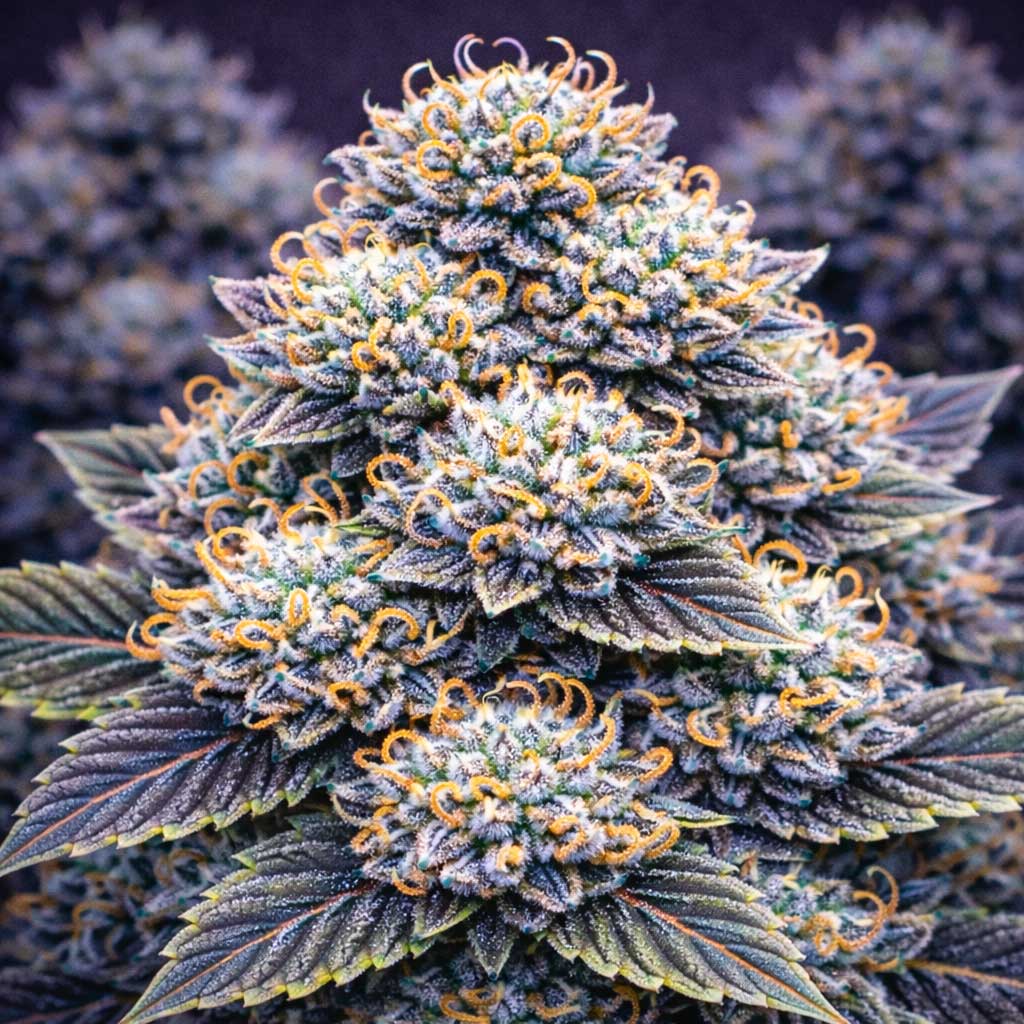
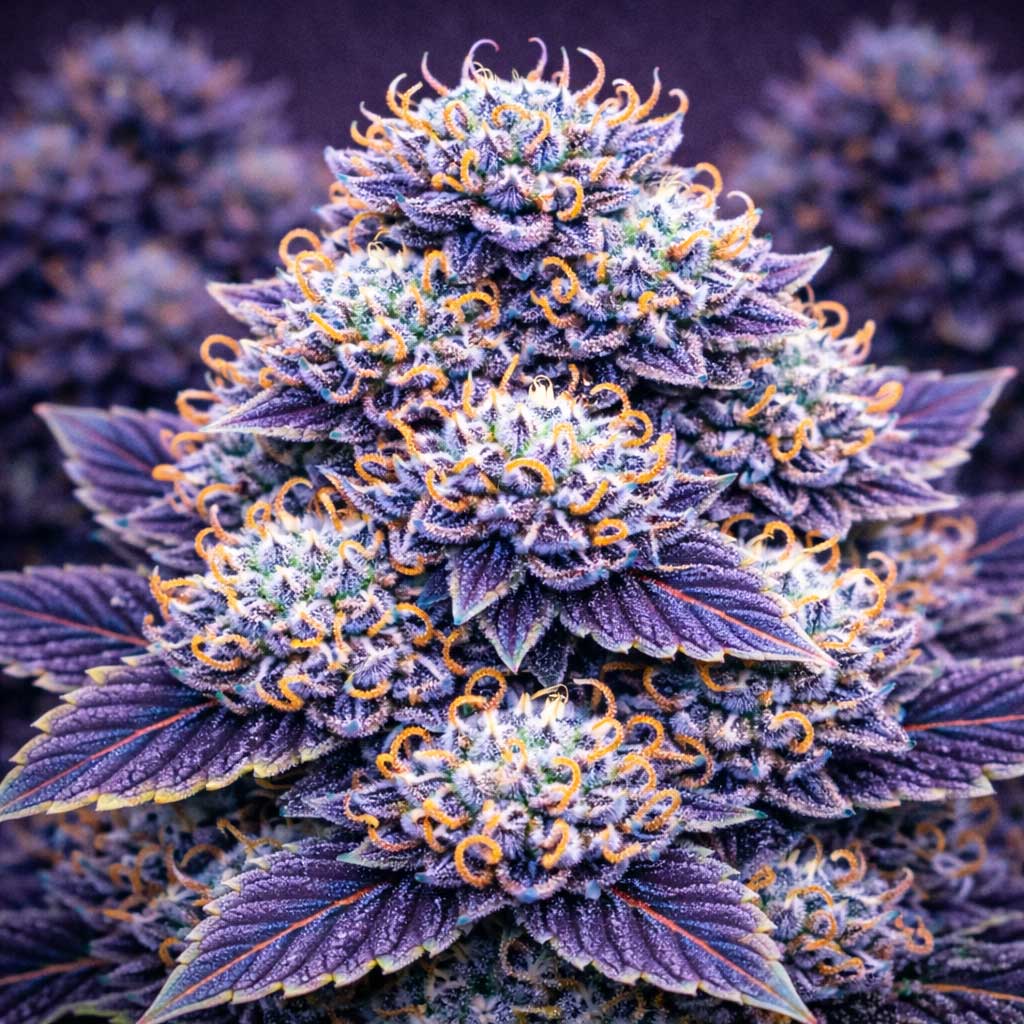
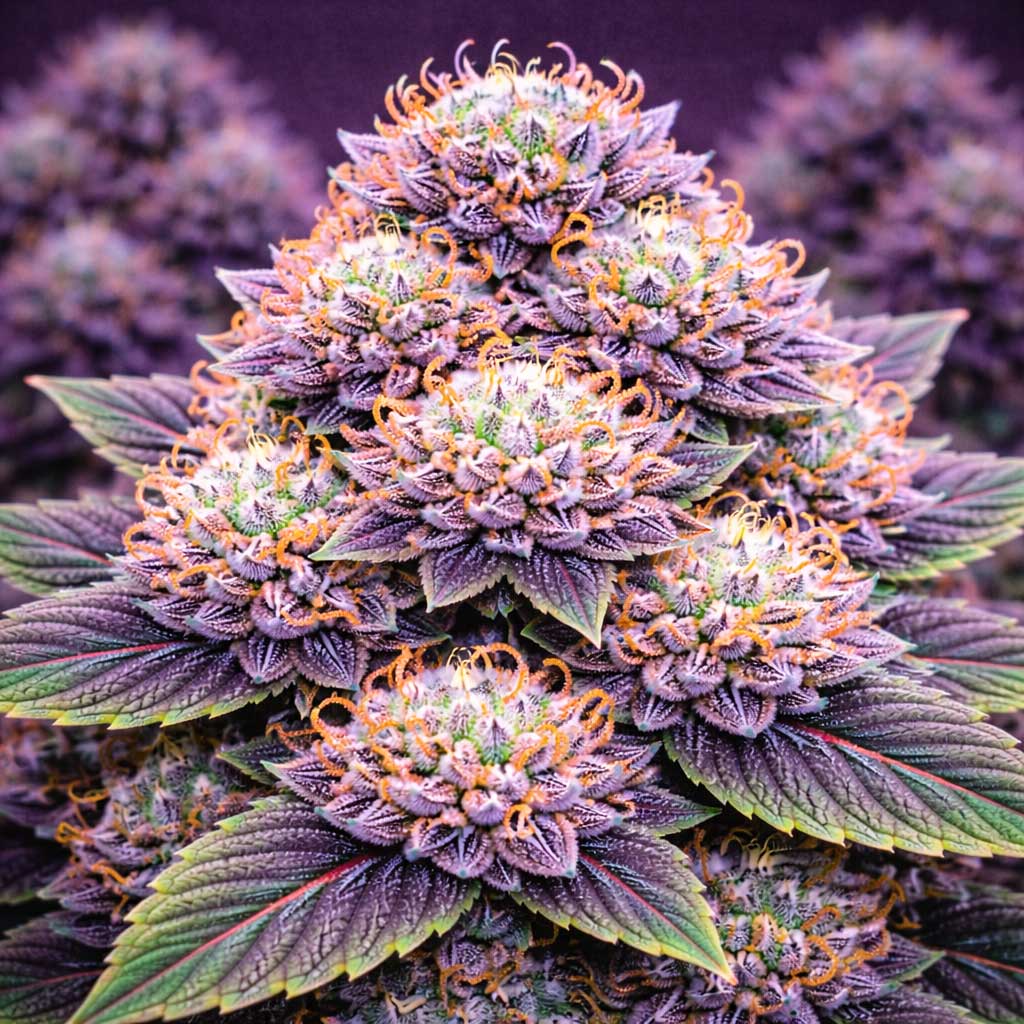
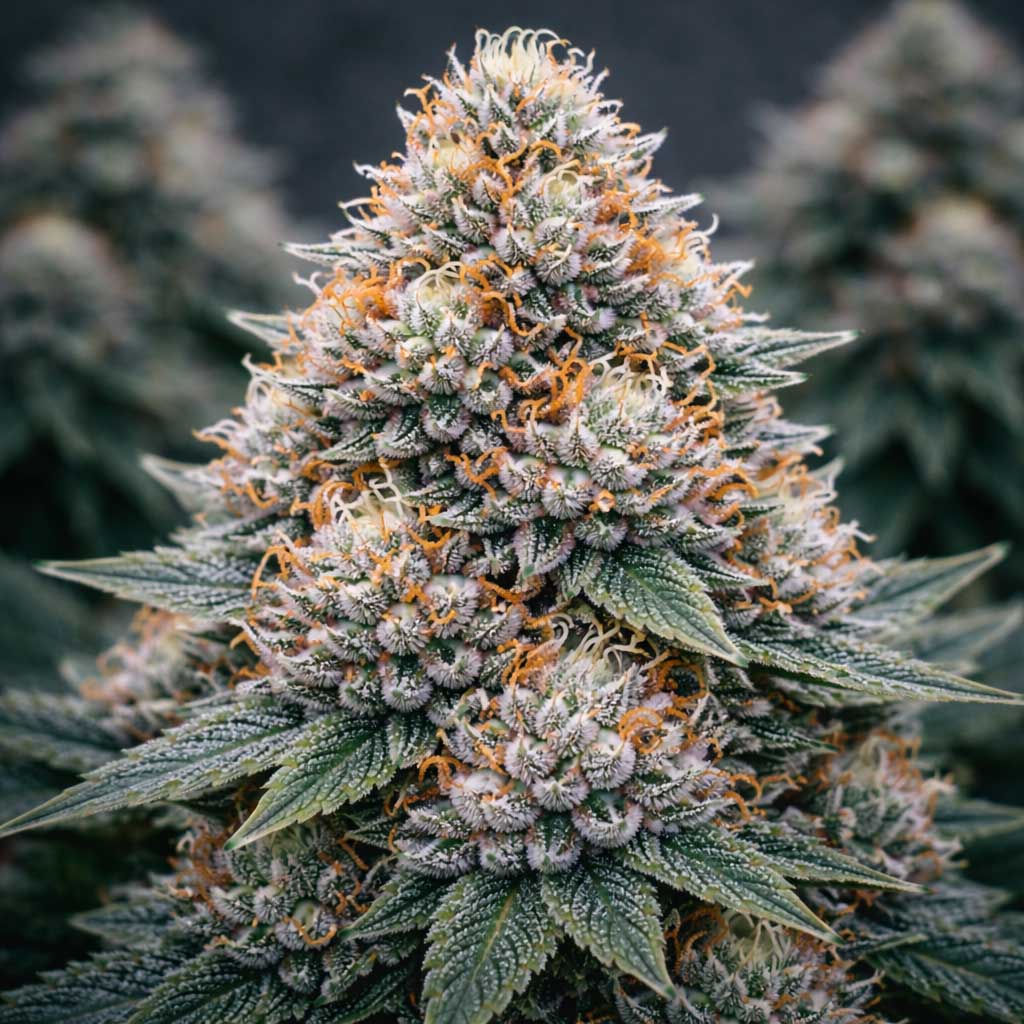
Cherry Loctite flowers generally appear dense and resin-rich with elongated spear-shaped buds. Bright green plant tissue is often accented by orange pistils and a thick coating of crystalline trichomes that can obscure the underlying bud surface. Under cooler conditions, some phenotypes may exhibit subtle purple coloration near maturity.
Effects & Use-Cases (Reported)
- Commonly reported effects: cerebral uplift, giggly mood elevation, followed by heavy physical relaxation.
- Use-case context: often described as suitable for evening environments such as relaxing after work, watching movies, or listening to music.
- Note: These descriptions reflect observational reports and anecdotal user experiences and do not constitute medical claims. Individual responses may vary.
Aroma & Flavor Profile
- Aroma: pungent diesel fuel, industrial glue, tart cherry, fermented berry notes.
- Flavor: cherry-syrup sweetness on inhale followed by earthy musk and fuel-like “gas” notes on exhale.
- Terpene associations: Myrcene (dominant), Limonene, Caryophyllene.
Tested Cannabinoid & Terpene Ranges
| Compound | Typical Range* | Notes |
|---|---|---|
| Δ⁹-THC | ~19–24% | Produces a potent and long-lasting psychoactive effect. |
| CBD | ~0.1–0.5% | Generally present in very small concentrations. |
| Myrcene | ~0.5–1.2% | Dominant terpene contributing earthy, musky aroma. |
| Limonene | ~0.3–0.7% | Associated with citrus brightness and mood elevation. |
| Caryophyllene | ~0.2–0.5% | Provides peppery spice and depth to the aroma. |
*Ranges represent literature-informed estimates and laboratory observations. Results may vary depending on cultivation environment, phenotype selection, and analytical methods.
Cultivation Notes
- Light Cycle: 18/6 vegetative; 12/12 flowering.
- Humidity Targets: 45–55% during vegetative growth; below 45% in late flowering to prevent mold.
- Nutrition: Responds well to balanced feeding with sufficient nitrogen during vegetative growth.
- Training Techniques: Topping and high-stress training can help control stretch inherited from GG4.
- Harvest Window: Early to mid-October outdoors (Northern Hemisphere).
Grower Notes (Week-by-Week Snapshot)
- Weeks 1–3: Significant vertical stretch; canopy management recommended.
- Weeks 4–5: Early trichome formation begins; aroma becomes noticeably pungent.
- Weeks 6–7: Bud density increases and resin production intensifies.
- Weeks 8–9: Pistils darken and curl; trichome maturity indicates harvest timing.
- Post-Harvest: Slow drying and curing preserve terpene complexity and flavor.
Genetic Lineage
Cherry Loctite originates from a cross between Gorilla Glue #4 and Mt. Rainier. GG4 contributes extreme resin production and strong physical relaxation characteristics, while Mt. Rainier—derived from Northern Lights #5 x White Lotus—adds structural stability and a fruit-forward aromatic layer.
Research Insights
The terpene balance in Cherry Loctite, particularly the interaction between Myrcene and Limonene, is often referenced in discussions of terpene synergy. While THC provides the primary psychoactive driver, terpene composition may influence the perceived balance between mental uplift and physical relaxation.
Frequently Asked Questions
Is Cherry Loctite an Indica or Sativa?
Cherry Loctite is considered a hybrid strain. Many growers report balanced characteristics, though some phenotypes express slightly stronger Indica-leaning physical effects.
Why is it called “Loctite”?
The name refers to the intense resin production and sticky texture of the buds, which resemble industrial adhesive.
What flavors are associated with Cherry Loctite?
Common descriptions include tart cherry, diesel fuel, earthy musk, and subtle pine.
Is Cherry Loctite difficult to grow?
It is generally considered intermediate difficulty due to its strong stretch during early flowering and its intense aroma.
Educational Disclaimer: This page is provided strictly for scientific and horticultural reference. Cannabis cultivation, possession, and use are regulated by local laws. This content does not promote illegal activity or constitute medical advice. Always comply with regulations in your jurisdiction.