Cherry Kerosene #3 (Cannabis Strain) — Strainpedia
Cherry Kerosene #3 is a high-potency Sativa-dominant hybrid cannabis cultivar often cited as approximately 70% Sativa and 30% Indica. The strain was bred by Sin City Seeds and represents the third phenotype selection from the Cherry Kerosene breeding line.
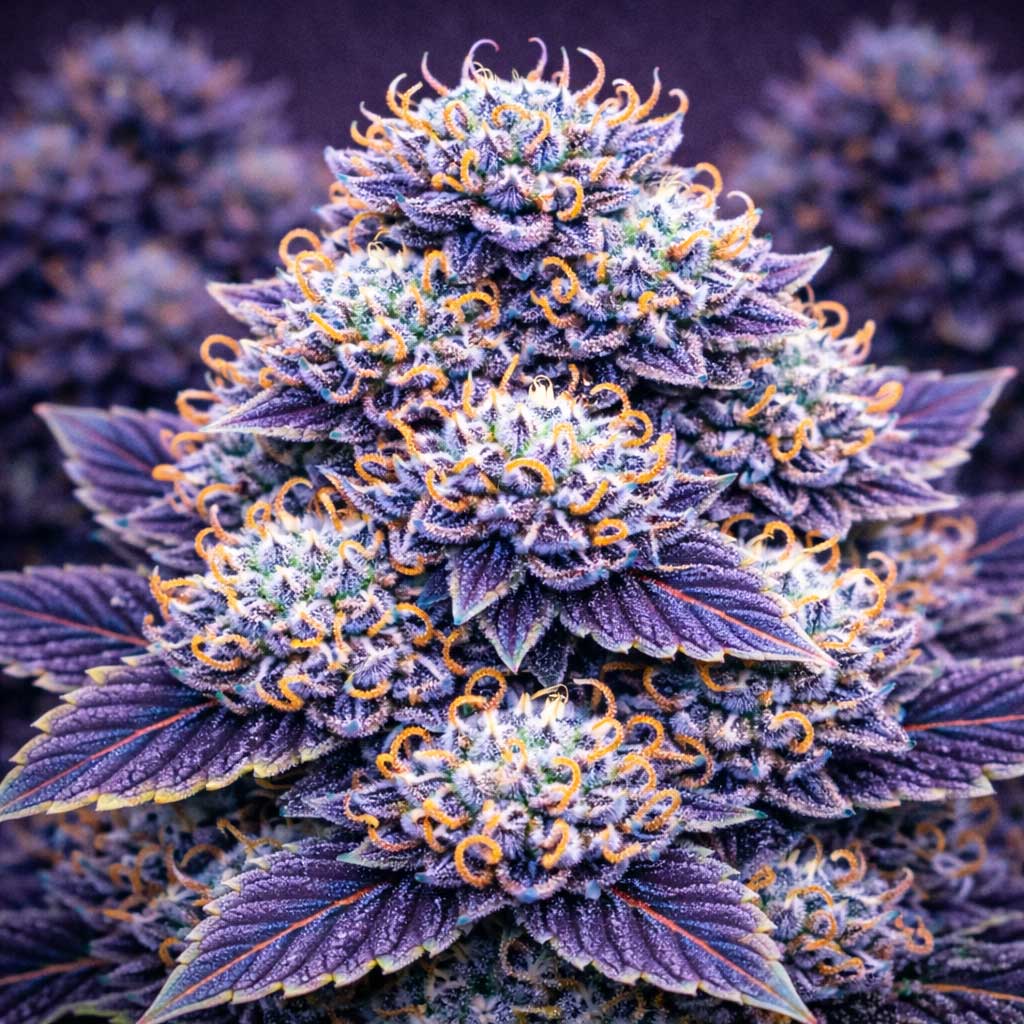
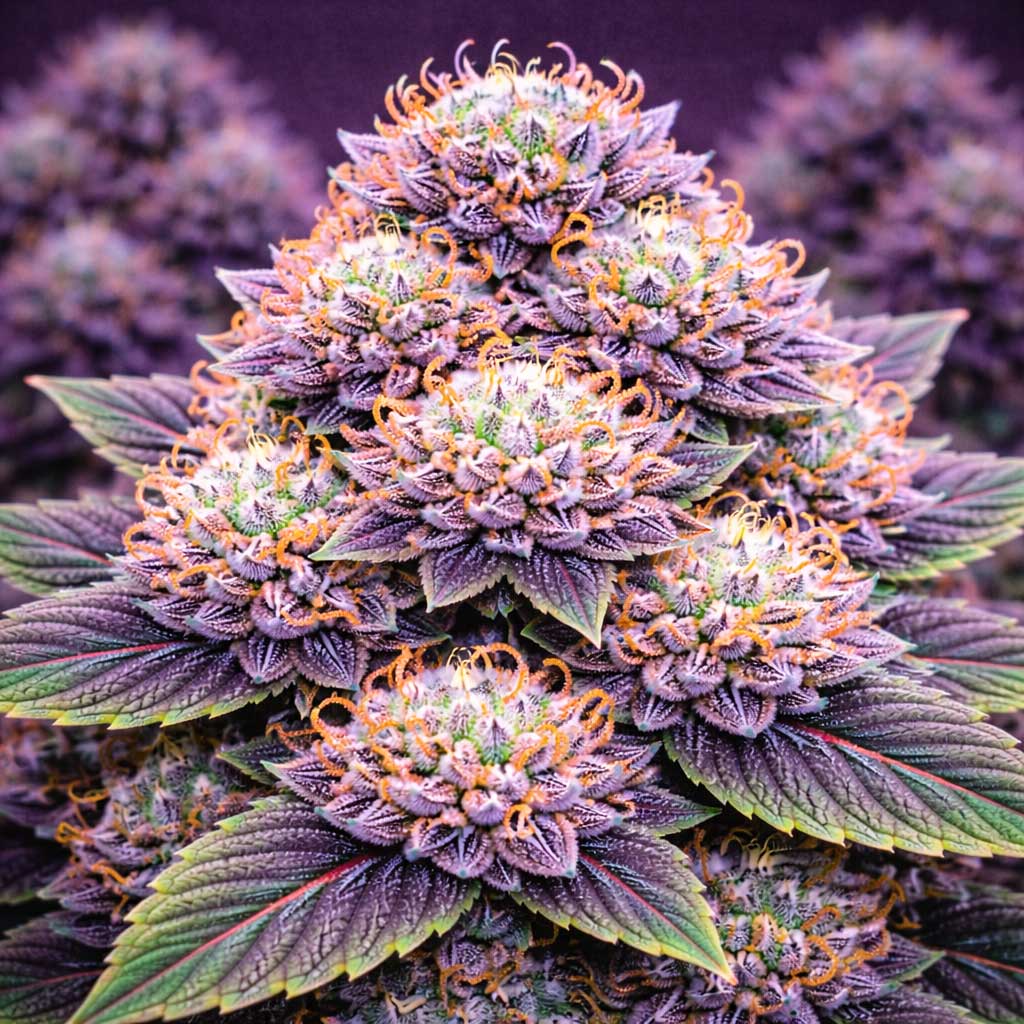
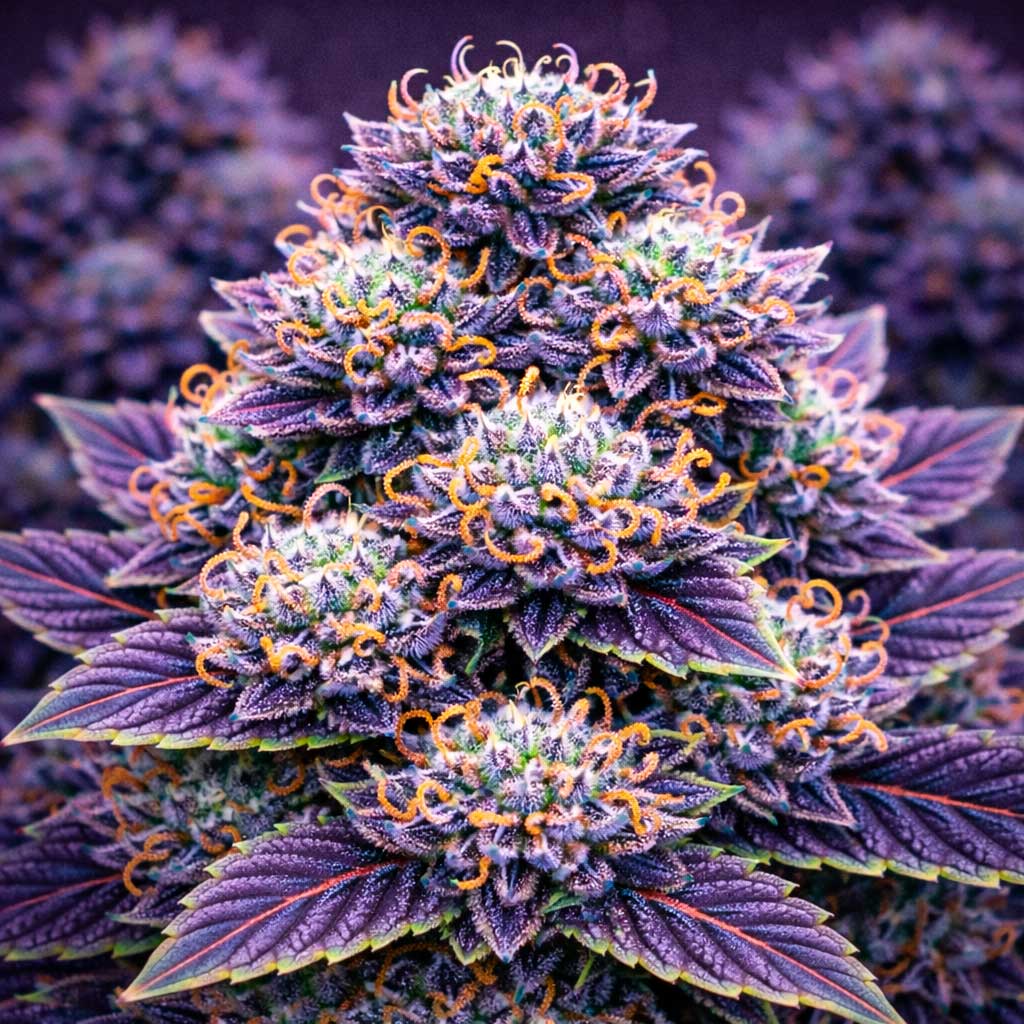
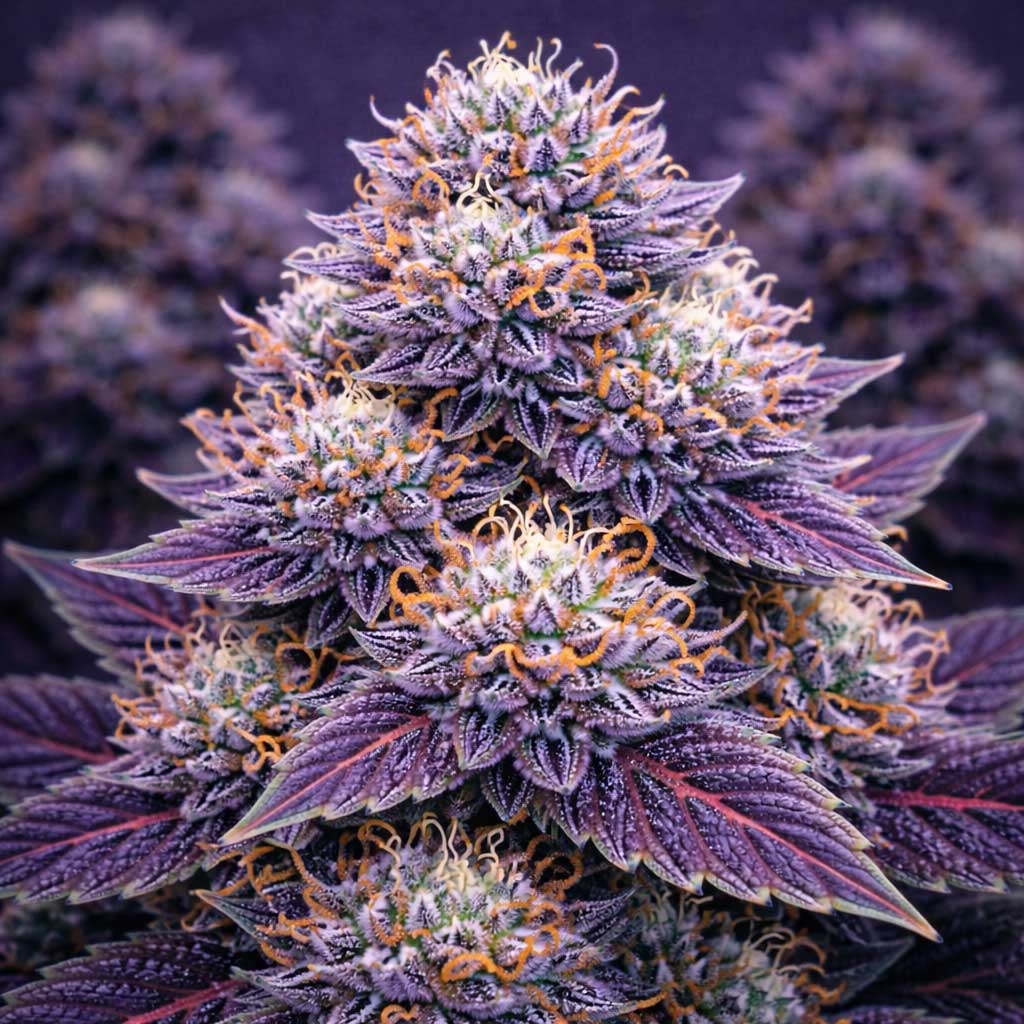
Derived from a cross of Froot Loopz and Blue Petrol, this phenotype is widely recognized for its pronounced diesel-forward aroma and striking silver-purple flower coloration. The information below is provided strictly for scientific and botanical reference.
Quick Facts
| Genetics | Froot Loopz x Blue Petrol |
|---|---|
| Variety | Sativa-Dominant Hybrid (Approx. 70% Sativa / 30% Indica) |
| Flowering Time | 9–10 weeks (63–70 days indoors) |
| Yield Potential | 400–600 g/m² (Moderate to High) |
| Plant Height | 120–160 cm; vigorous, stretching structure |
| Climate Preference | Mediterranean / Arid climates |
| Difficulty | Intermediate (requires canopy management) |
Scientific & Botanical Overview
Cherry Kerosene #3 expresses the fuel-dominant side of its lineage. While other phenotypes may emphasize fruity sweetness, the #3 selection is frequently described as strongly diesel-forward with chemical and industrial aromatic notes.
The plant displays a classic Sativa morphology characterized by narrow fan leaves, elongated internodes, and tall spear-like colas. Despite its Sativa structure, the flowers are relatively dense and resin-rich, often showing a frosted silver appearance with purple streaking that intensifies during the final flowering weeks.
Effects & Use-Cases (Reported)
- Commonly reported effects: uplifting cerebral euphoria, creative energy, and a light relaxing body sensation.
- Use-case context: frequently described as suitable for daytime activities, creative work, or social engagement.
- Note: These observations are anecdotal and do not represent medical claims.
Aroma & Flavors
- Aroma: sharp diesel fuel, chemical gas notes, tart cherry sweetness, and earthy musk.
- Flavor: sour cherry and floral tones on inhale followed by a heavy diesel and earthy fuel finish.
- Terpene associations: myrcene (dominant), terpinolene, humulene.
Tested Cannabinoid & Terpene Ranges
| Compound | Typical Range* | Notes |
|---|---|---|
| Δ⁹-THC | ~24–28% | High potency typical of modern fuel-forward hybrids. |
| CBD | ~0.1–0.5% | Typically present only in trace amounts. |
| Myrcene | ~0.7–1.2% | Provides earthy depth and physical relaxation. |
| Terpinolene | ~0.4–0.8% | Associated with floral, herbal, and energetic aromatic notes. |
| Humulene | ~0.2–0.5% | Adds woody complexity and subtle bitterness. |
*Ranges are literature-informed estimates and may vary depending on phenotype, cultivation conditions, and laboratory analysis.
Cultivation Notes
- Light Cycle: 18/6 vegetative growth followed by 12/12 flowering.
- Humidity Targets: Around 50% during vegetative growth and 35–40% during late flowering.
- Nutrition: Higher nitrogen demand during early flowering stretch; silica supplementation may support branch strength.
- Training Techniques: Topping and SCROG (Screen of Green) are recommended to control height and improve light distribution.
- Harvest Window: Late October for outdoor cultivation in the Northern Hemisphere.
Grower Notes (Week-by-Week Snapshot)
- Weeks 1–3: Strong vertical stretch; plants can significantly increase in height.
- Weeks 4–5: Early trichome formation begins as the fuel aroma intensifies.
- Weeks 6–7: Flower spears bulk and begin showing purple coloration.
- Weeks 8–9: Aromas become more complex with syrupy cherry notes blending into diesel.
- Week 10: Final ripening stage; harvest guided by trichome maturity.
Genetic Lineage
Cherry Kerosene #3 combines two distinctive genetic lines. The Froot Loopz parent contributes colorful bag appeal and sweet berry aromas, while Blue Petrol introduces strong diesel terpenes, elevated potency, and structural vigor that supports tall, productive plants.
Research Insights
The terpene pairing of terpinolene and humulene is often discussed in relation to energetic yet balanced hybrid experiences. Terpinolene-rich cultivars are frequently associated with uplifting sensory profiles, while humulene may provide grounding characteristics that balance stimulation.
Frequently Asked Questions
How does the #3 phenotype differ from other Cherry Kerosene cuts?
The #3 selection is commonly described as the most fuel-forward and potent phenotype compared with other variations in the line.
Is it related to Sour Diesel?
Indirectly. Through the Blue Petrol lineage, it shares some diesel-style aromatic characteristics with Sour Diesel–related genetics.
Does Cherry Kerosene #3 turn purple?
Yes, many plants display deep purple hues during late flowering, especially when nighttime temperatures drop.
Is it difficult to cultivate?
It is considered moderately challenging because of its vigorous stretch and relatively long flowering period.
Educational Disclaimer: This page is provided strictly for scientific and horticultural reference and does not constitute medical or promotional advice. Cannabis cultivation, possession, and use are regulated by local laws. Always comply with applicable legislation in your region.