Cherry Ether (Cannabis Strain) — Strainpedia
Cherry Ether is a high-potency hybrid cannabis cultivar often described as a balanced 50/50 Indica-Sativa hybrid. The strain is commonly associated with a cross between Cherry Pie and Alien Tahoe OG, producing a cultivar known for its sharp “chemical-sweet” aroma and heavy resin coverage.
Cherry Ether is frequently referenced in cultivation and botanical discussions for its distinctive “metallic cherry” scent and strong psychoactive potency. The information below is intended strictly for scientific, botanical, and horticultural reference.
Quick Facts
| Genetics | Cherry Pie x Alien Tahoe OG |
|---|---|
| Variety | Hybrid (Approx. 50% Indica / 50% Sativa) |
| Flowering Time | 9 weeks (63 days indoors) |
| Yield Potential | 400–500 g/m² (Moderate) |
| Plant Height | 110–160 cm; tall with OG-style stretch |
| Climate Preference | Warm, dry climates with controlled humidity |
| Difficulty | Advanced |
Strain Classification
| Type | Hybrid |
|---|---|
| Genetic Family | Cherry / OG Hybrid Lineage |
| Primary Terpenes | Myrcene, Caryophyllene, Limonene, Humulene |
| Breeding Lineage | Cherry Pie x Alien Tahoe OG |
Scientific & Botanical Overview
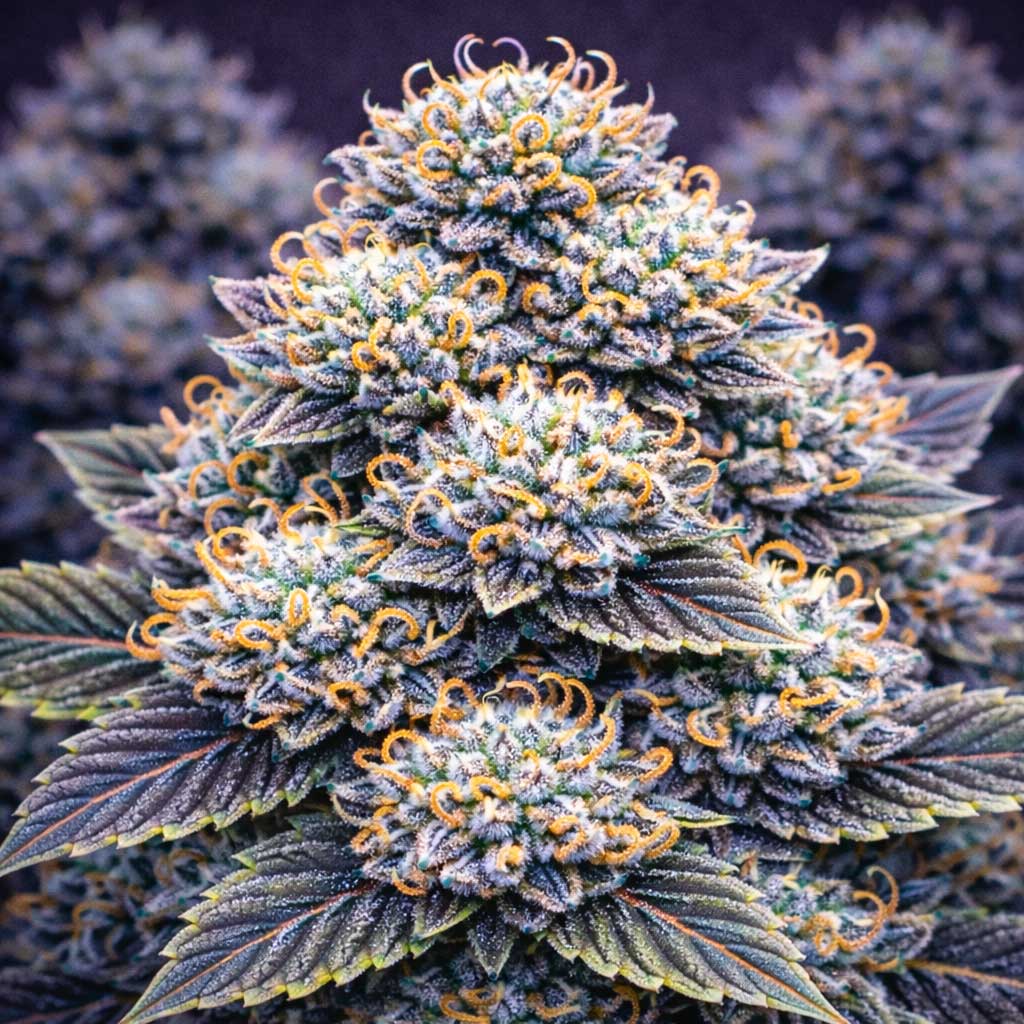
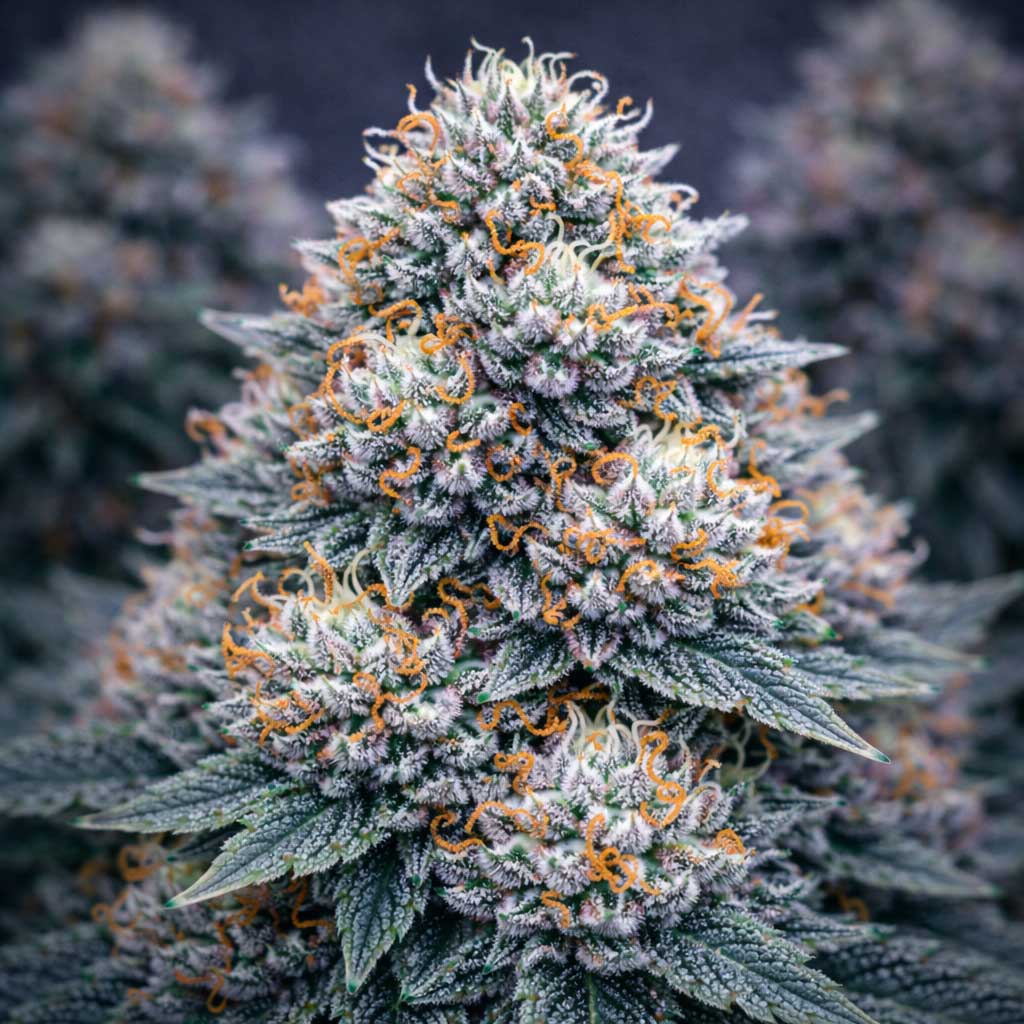
Cherry Ether plants often display the elongated structure typical of OG-family cultivars, with significant internodal spacing and lanky branches that eventually develop dense, resin-rich buds. The flowers commonly appear pale mint-green and heavily coated with trichomes, producing a silver or frosted appearance during late flowering.
The name “Ether” refers to the strain’s distinctive aroma, often described as sharp, chemical, or medicinal. This scent profile is believed to be associated with volatile sulfur compounds and terpene interactions that contribute to the strain’s pungent “gas” characteristics.
Appearance
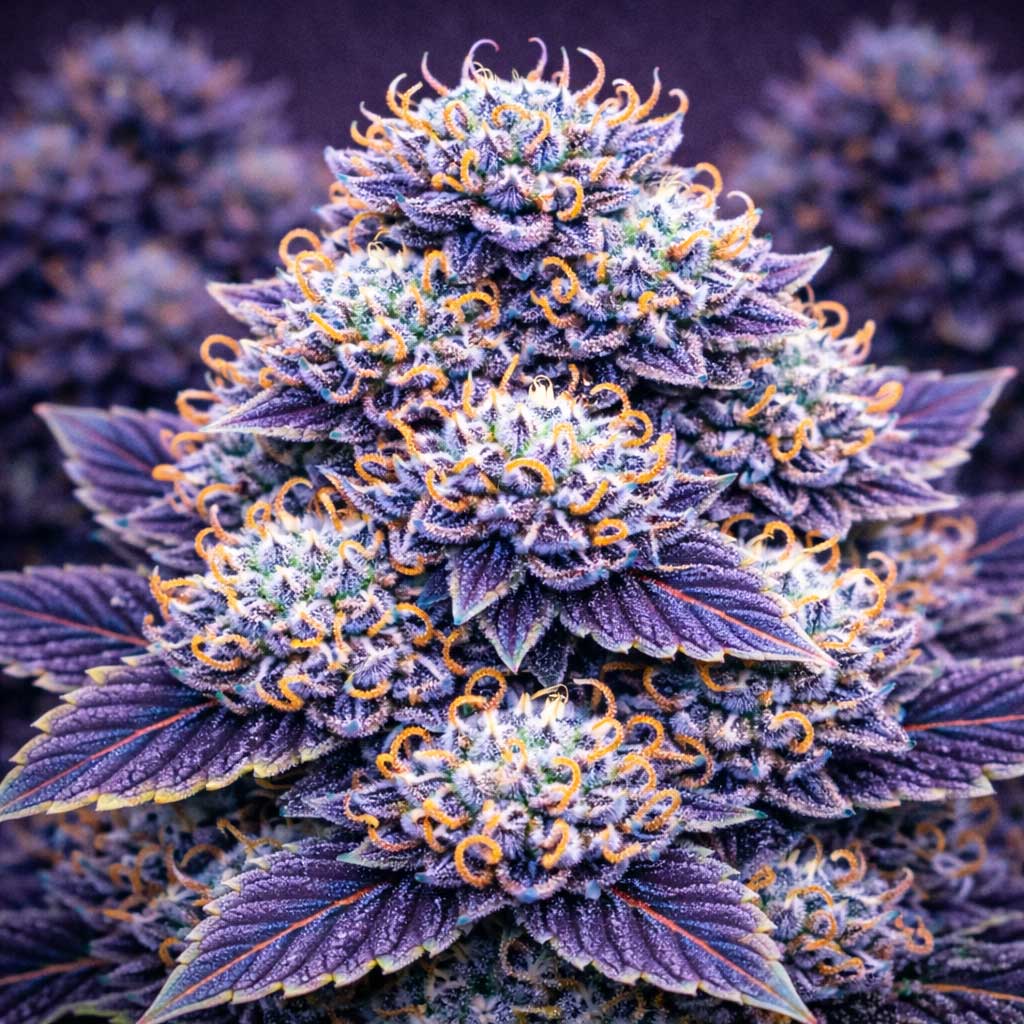
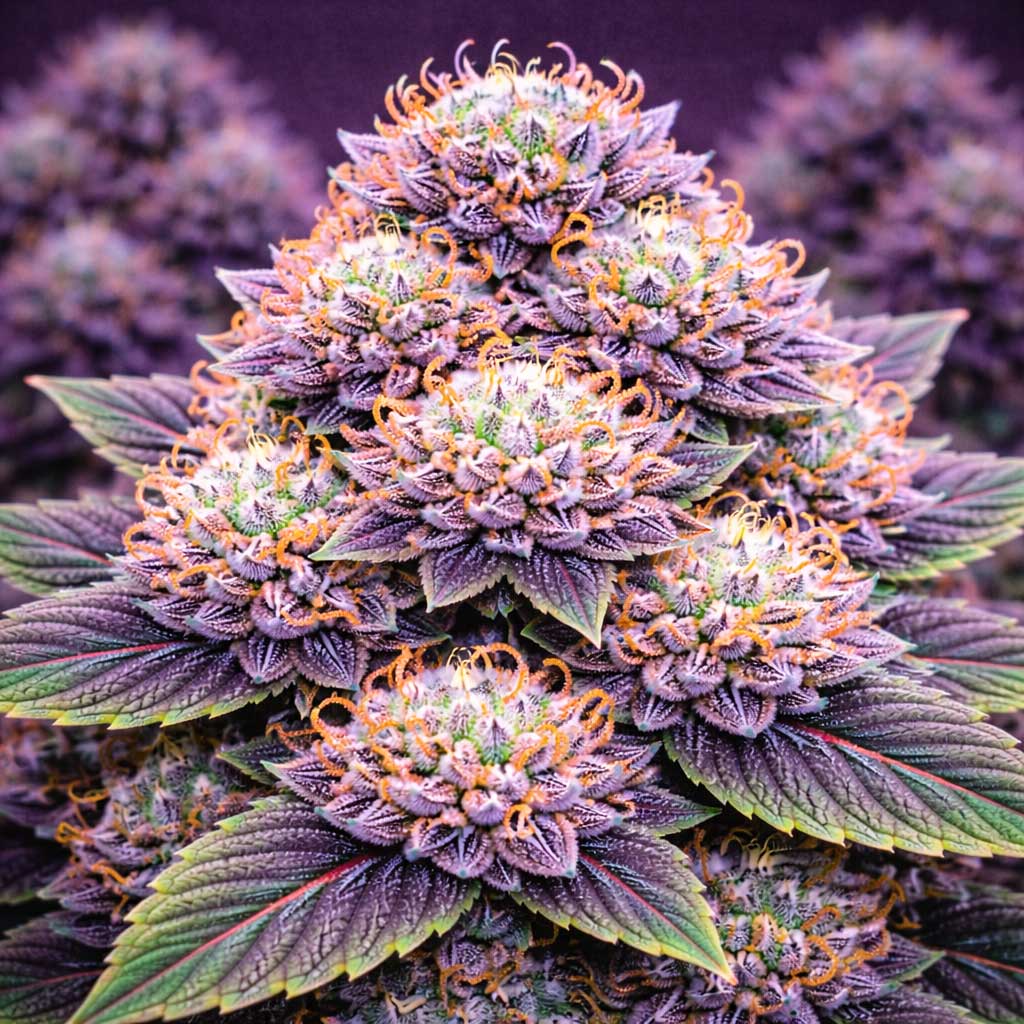
The buds typically form compact, rounded clusters resembling small golf balls. Heavy trichome coverage can create a “white-out” look across the flowers, while bright orange pistils contrast against pale green tissue. Under certain conditions, slight purple coloration may appear during late flowering.
Effects & Use-Cases (Reported)
- Commonly reported effects: intense cerebral stimulation followed by deep physical relaxation.
- Use-case context: frequently described as suitable for evening relaxation or creative reflection.
- Note: These descriptions reflect anecdotal reports and do not constitute medical claims. Individual responses may vary.
Aroma & Flavor Profile
- Aroma: medicinal ether, damp earth, tart cherry candy, and fuel-like pungency.
- Flavor: sharp cherry sweetness on inhale followed by earthy, spicy diesel notes on exhale.
- Terpene associations: Myrcene (dominant), Caryophyllene, Limonene, Humulene.
Tested Cannabinoid & Terpene Ranges
| Compound | Typical Range* | Notes |
|---|---|---|
| Δ⁹-THC | ~22–28% | High potency; often described as a “creeper” effect. |
| CBD | ~0.1–0.3% | Minimal presence. |
| Myrcene | ~0.8–1.3% | Primary contributor to relaxation effects. |
| Caryophyllene | ~0.4–0.7% | Provides spicy and fuel-like aromatic depth. |
| Limonene | ~0.3–0.5% | Adds citrus brightness and mood elevation. |
| Humulene | ~0.1–0.3% | Provides earthy and slightly hoppy undertones. |
*Ranges represent literature-informed references and laboratory observations. Results may vary depending on phenotype, environment, and analytical methods.
Cultivation Notes
- Light Cycle: 18/6 vegetative; 12/12 flowering.
- Humidity Targets: ~50% during vegetative growth and 35–40% during late flowering.
- Nutrition: Responds well to silica supplementation for branch strength.
- Training Techniques: Topping and SCROG (Screen of Green) help manage vertical stretch.
- Harvest Window: Mid-October outdoors (Northern Hemisphere).
Grower Notes (Week-by-Week Snapshot)
- Weeks 1–3: Rapid vertical stretch; canopy control is recommended.
- Weeks 4–5: Trichomes begin to coat surrounding leaves and stems.
- Weeks 6–7: Buds harden and develop a crystalline appearance.
- Weeks 8–9: Ripening phase; trichome coloration indicates harvest timing.
- Post-Harvest: Slow drying and extended curing help preserve the strain’s complex cherry-fuel aroma.
Genetic Lineage
Cherry Ether combines Cherry Pie—a cross of Granddaddy Purple and Durban Poison—with Alien Tahoe OG, itself derived from Alien Kush and Tahoe OG genetics. This lineage merges cherry-forward flavor with the pungent, fuel-like aroma characteristic of OG-family cultivars.
Research Insights
The terpene composition of Cherry Ether, particularly the presence of both Caryophyllene and Humulene, has drawn interest in botanical studies exploring terpene synergy. These compounds may contribute to the complex sensory profile that balances heavy physical relaxation with mental stimulation.
Frequently Asked Questions
What does “Ether” mean in cannabis strains?
The term “Ether” often refers to strains with sharp, chemical, or medicinal aromas similar to solvents such as acetone or diethyl ether.
Is Cherry Ether difficult to grow?
Yes. The plant’s lanky structure and dense flowers require careful humidity control and branch support.
What effects are associated with Cherry Ether?
Users often describe a strong cerebral buzz followed by deep physical relaxation.
What is the best way to experience its flavor?
Many enthusiasts recommend low-temperature vaporization to fully appreciate the terpene profile.
Educational Disclaimer: This page is provided strictly for scientific and horticultural reference. Cannabis cultivation, possession, and use are regulated by local laws. This content does not promote illegal activity or constitute medical advice. Always comply with regulations in your jurisdiction.