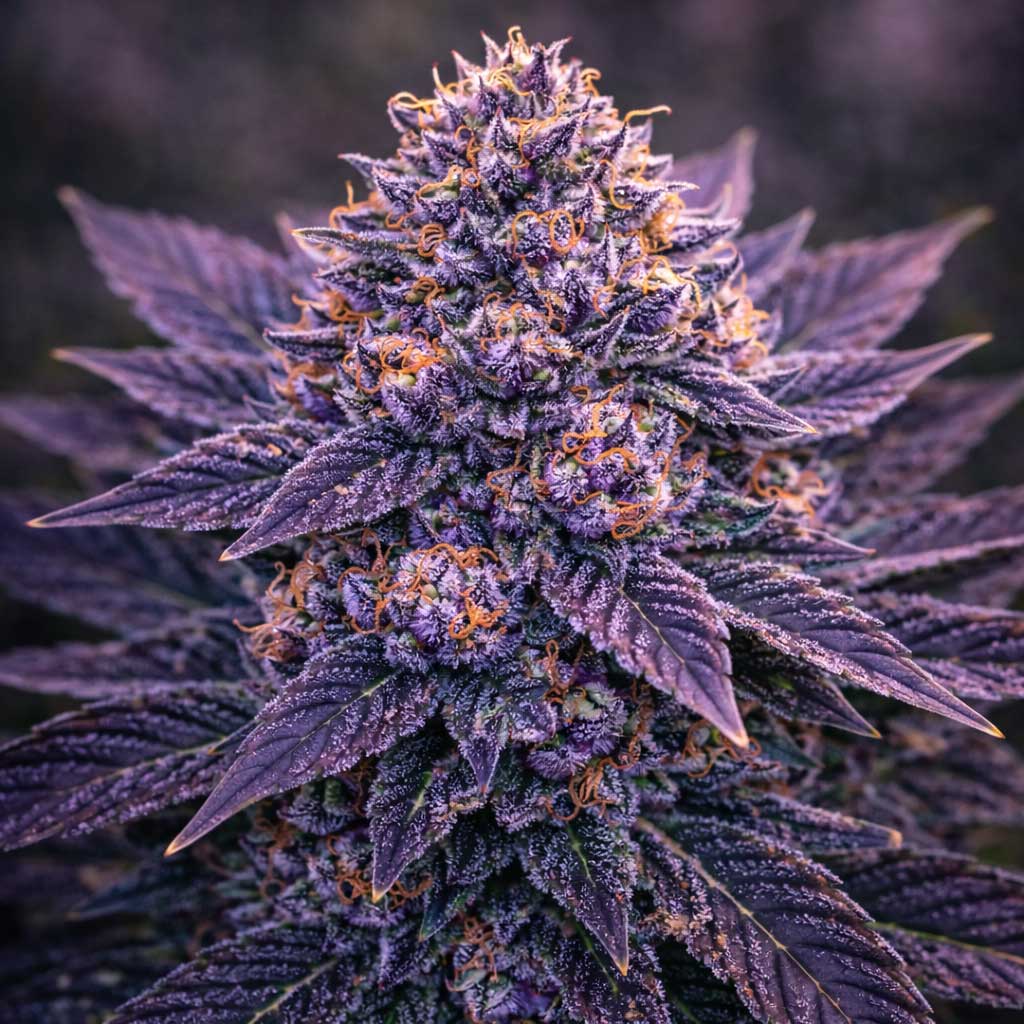
Boston Runtz (Fade Co.) – Cannabis Strain
Boston Runtz is a boutique hybrid cannabis cultivar popularized by the Maryland-based cultivator Fade Co.. The strain is a specialized phenotype of the legendary Runtz lineage, derived from Zkittlez and Gelato #33.
Unlike some candy-forward Runtz variants, Boston Runtz is widely recognized for leaning into the creamy gas and doughy undertones of its genetic heritage. With striking purple coloration and extremely high THC potential, the cultivar has gained a reputation in boutique cannabis markets for both potency and visual appeal. The information below is provided strictly for scientific and botanical reference.
Quick Facts
| Feature | Details |
|---|---|
| Genetics | Zkittlez x Gelato #33 (Boston phenotype) |
| Variety | Balanced hybrid (approx. 50% indica / 50% sativa) |
| Cultivator | Fade Co. (Maryland, USA) |
| Flowering Time | 8–9 weeks (56–63 days indoors) |
| Yield Potential | 450–500 g/m² (moderate) |
| Plant Height | 110–140 cm with sturdy lateral branches |
| Climate Preference | Mediterranean or controlled indoor environments |
| Difficulty | Intermediate; curing precision helps preserve terpene clarity |
Scientific & Botanical Overview
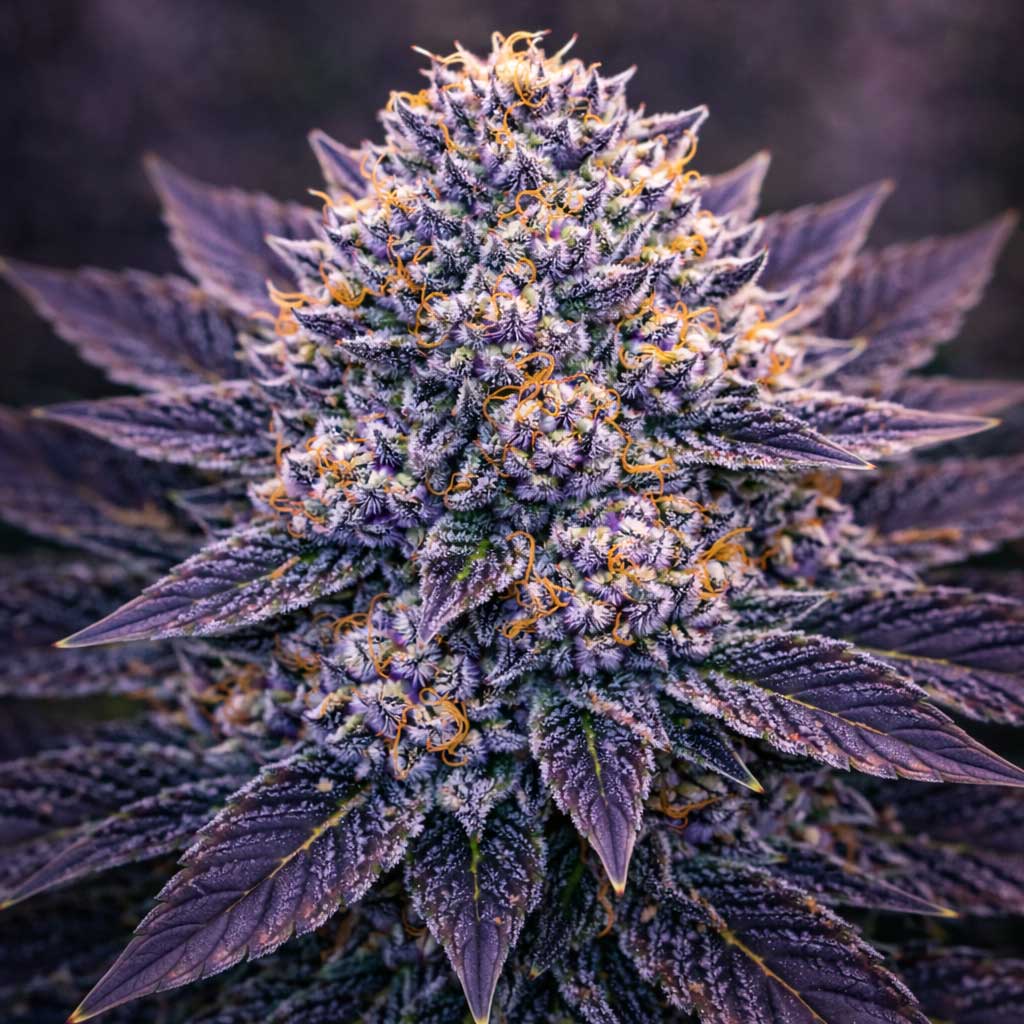
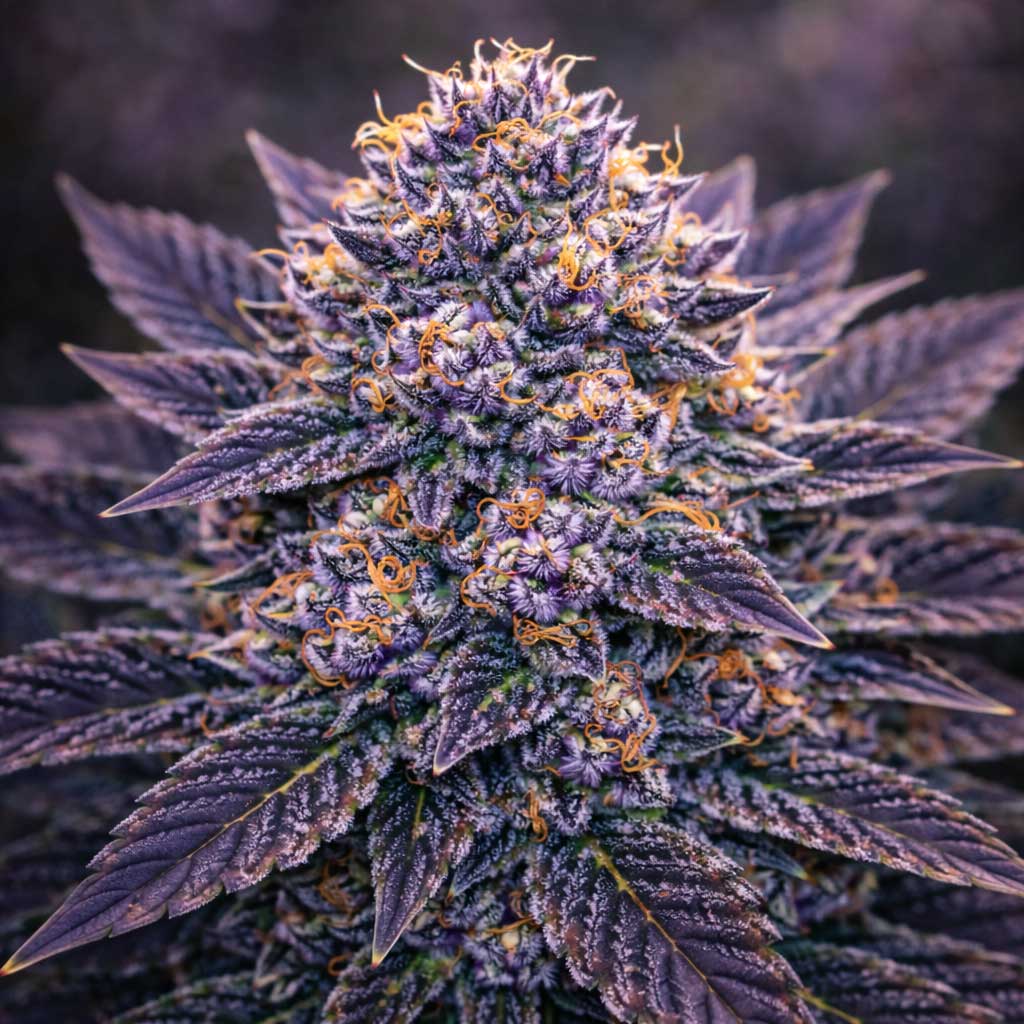
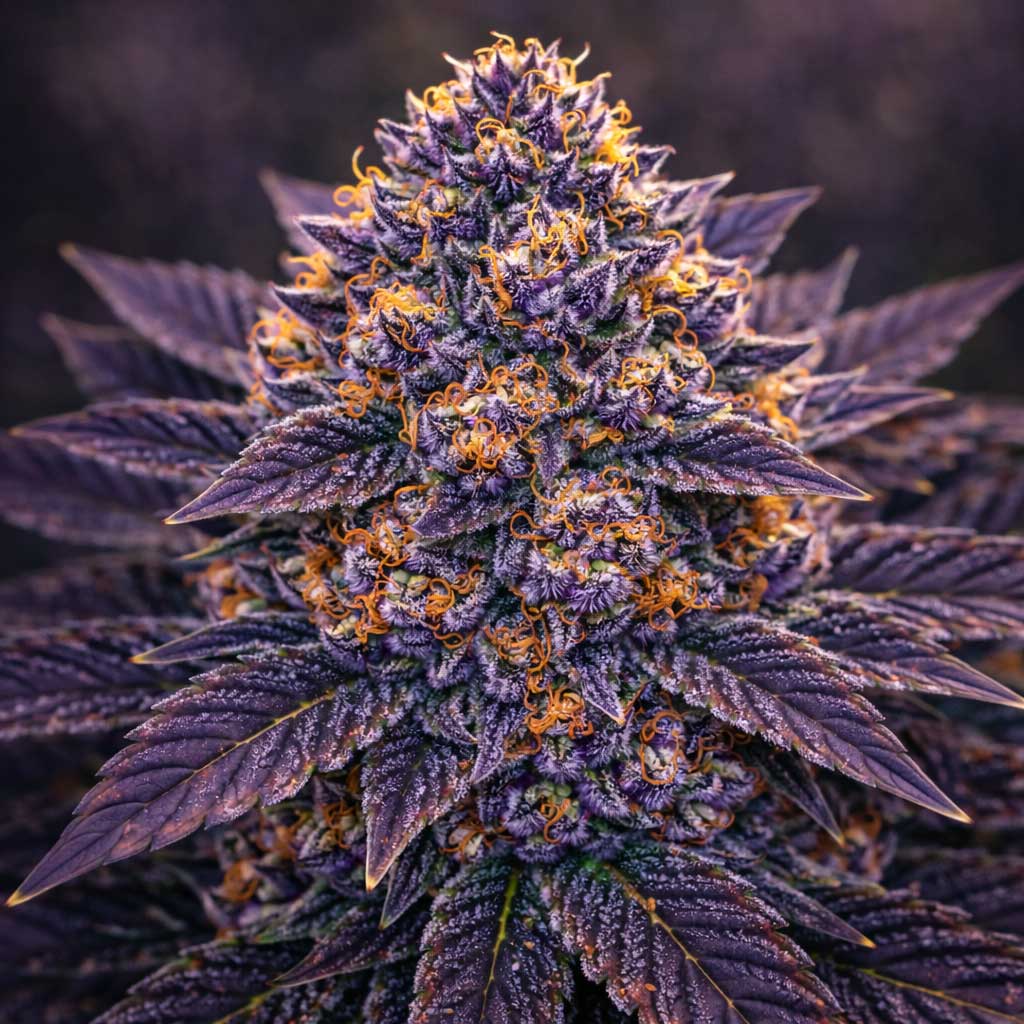
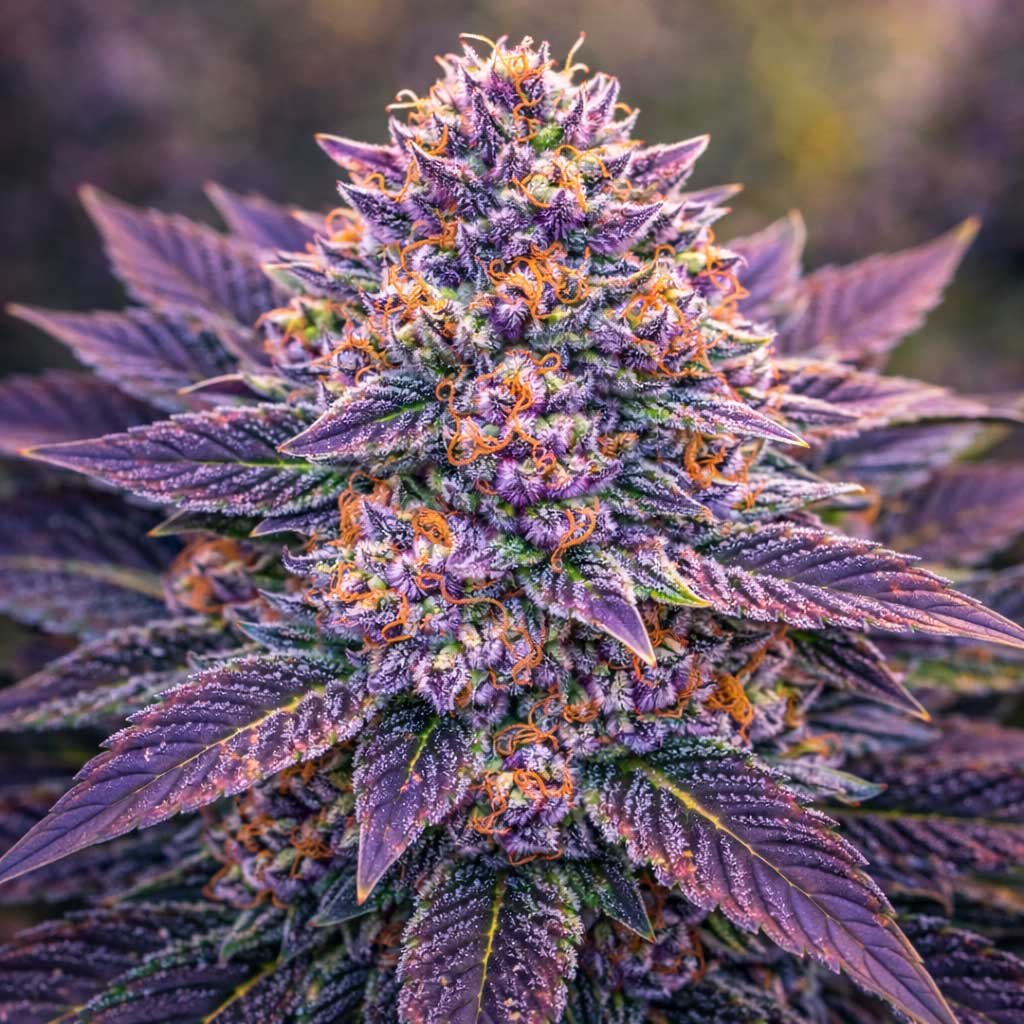
Boston Runtz is widely recognized for its dense, resin-rich flowers displaying a striking palette of forest green, deep violet, and indigo tones. The buds are typically coated in a thick layer of capitate-stalked trichomes, giving the flower a sparkling or “sand-blasted” appearance.
Compared to classic Runtz phenotypes that form rounded buds, Boston Runtz often produces elongated spear-shaped flowers. This structural variation suggests a slightly more vigorous growth pattern while maintaining the resin density and terpene complexity associated with the Runtz family.
Effects & Use-Cases (Reported)
Commonly reported effects: a layered high beginning with euphoric cerebral uplift, laughter, and mental relaxation before transitioning into a comfortable body calm.
Use-case context: Many enthusiasts describe Boston Runtz as suitable for late-afternoon or early evening sessions, social gatherings, or creative environments where mental engagement and mild physical relaxation are both desirable.
Note: These observations are anecdotal reports and not medical claims. Individual experiences may vary.
Aroma & Flavors
Aroma: Sweet tropical fruit candy layered with creamy dough and pungent diesel fuel.
Flavor: The inhale often delivers berry and citrus sweetness, while the exhale introduces savory gas, subtle spice, and creamy undertones.
Terpene associations: Limonene (dominant), Caryophyllene, Linalool, and trace Myrcene.
Tested Cannabinoid & Terpene Ranges
| Compound | Typical Range* | Notes |
|---|---|---|
| Δ9-THC | ~25–33% | Fade Co. batches frequently test in this high potency range |
| Limonene | ~0.6–1.1% | Provides citrus sweetness and uplifting mood |
| Caryophyllene | ~0.5–0.9% | Contributes spicy diesel and physical relaxation |
| Linalool | ~0.2–0.5% | Adds floral lavender notes and calming properties |
| Myrcene | ~0.1–0.4% | Provides earthy depth and supports physical relaxation |
*Ranges are based on available laboratory testing of Maryland batches and may vary depending on phenotype and cultivation environment.
Cultivation Notes
- Light Cycle: 18/6 vegetative and 12/12 flowering
- Humidity Targets: Around 50% early flower and 40% during late flowering
- Nutrition: Organic nutrient programs often help enhance terpene expression
- Training: Topping and trellis netting support its heavy resin-laden branches
- Harvest Window: Early to mid-October outdoors
Grower Notes (Week-by-Week Snapshot)
- Weeks 1–3: Rapid vegetative growth and moderate stretch.
- Weeks 4–5: Early trichome stacking and strong fruit-forward aromas.
- Weeks 6–7: Purple pigmentation appears in leaves and buds.
- Weeks 8–9: Buds harden and ripen while terpene intensity peaks.
- Post-Harvest: Slow drying and curing help maintain the limonene-linalool balance.
Genetic Lineage
Boston Runtz follows the classic Runtz genetic lineage, combining Zkittlez (Grape Ape x Grapefruit) with Gelato #33 (Sunset Sherbet x Thin Mint GSC).
The “Boston” designation refers to a phenotype selection that emphasizes the creamy gas and cookie-style density rather than the purely fruity candy expression found in some Runtz varieties.
Research Insights
Botanical research into Boston Runtz often focuses on the Limonene-to-Linalool terpene ratio. This combination may contribute to the strain’s uplifting euphoria while helping moderate potential anxiety sometimes associated with high-THC cultivars.
The balance of these terpenes illustrates a key goal of modern exotic breeding: maintaining high potency while preserving a manageable and enjoyable mental experience.
Frequently Asked Questions
Is Boston Runtz indica or sativa?
Boston Runtz is generally classified as a balanced hybrid with roughly equal indica and sativa influence.
Who cultivates Boston Runtz?
The strain is most widely associated with the Maryland-based cannabis company Fade Co.
What does Boston Runtz taste like?
It typically features sweet candy notes combined with creamy dough and strong diesel gas.
Is Boston Runtz beginner-friendly?
Due to its high THC levels, beginners should approach the strain cautiously and start with small amounts.
Educational Disclaimer
This page is provided for scientific and horticultural reference only. Cannabis laws vary by jurisdiction; always ensure compliance with local regulations.