Blue Mystic (Cannabis Strain)
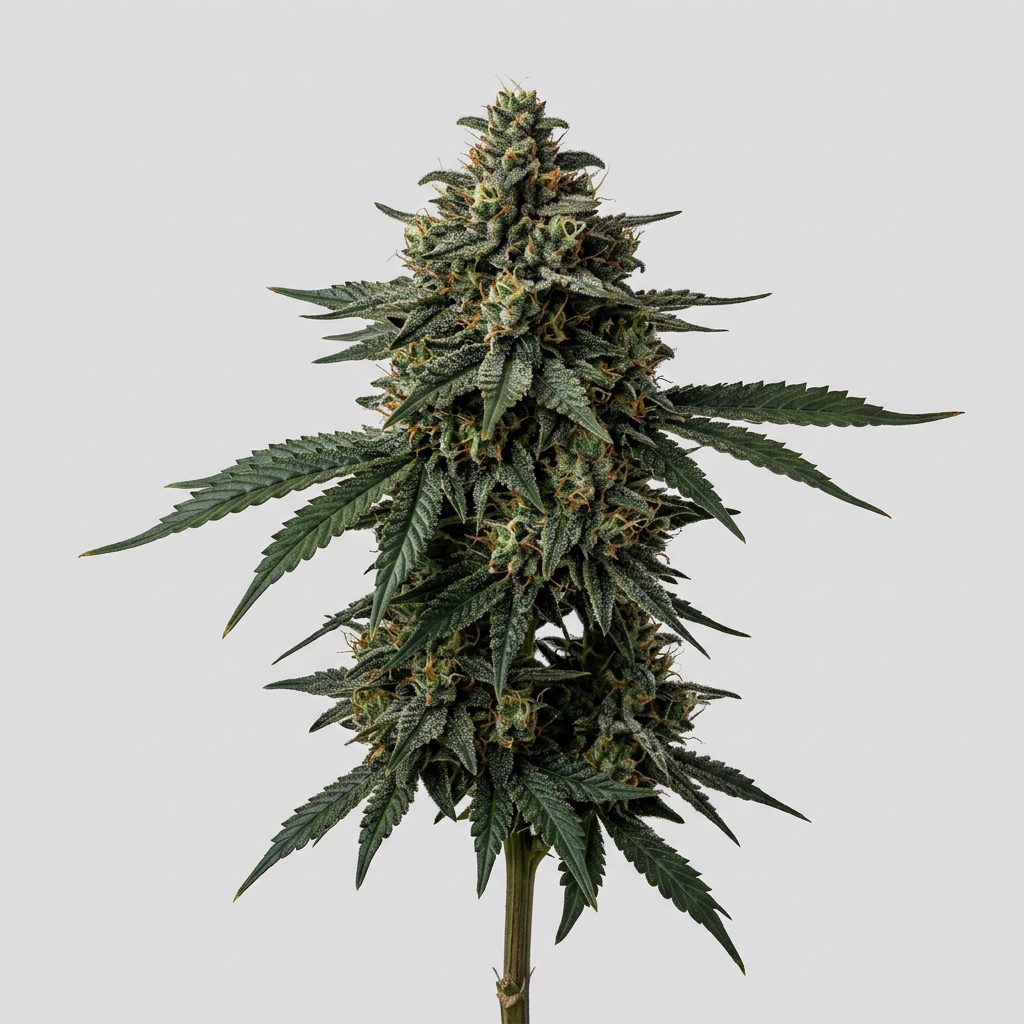
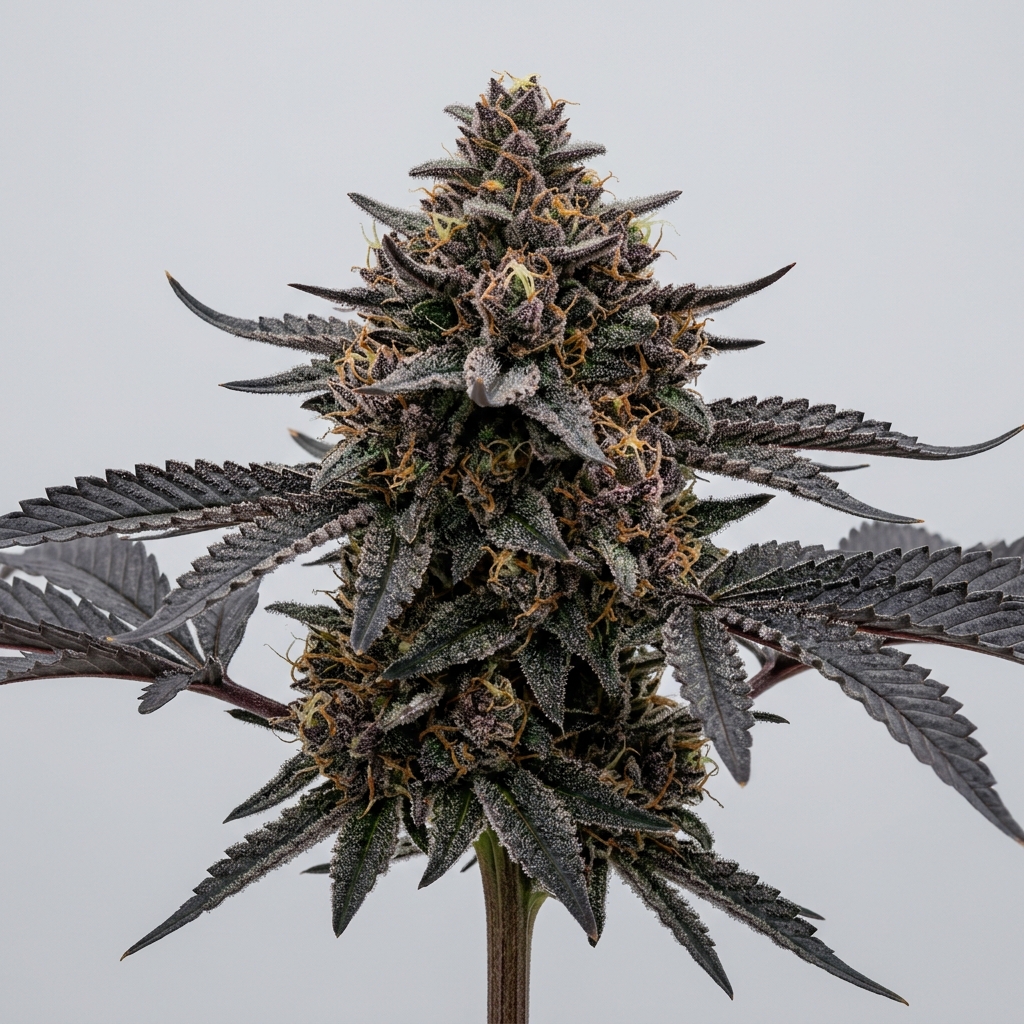
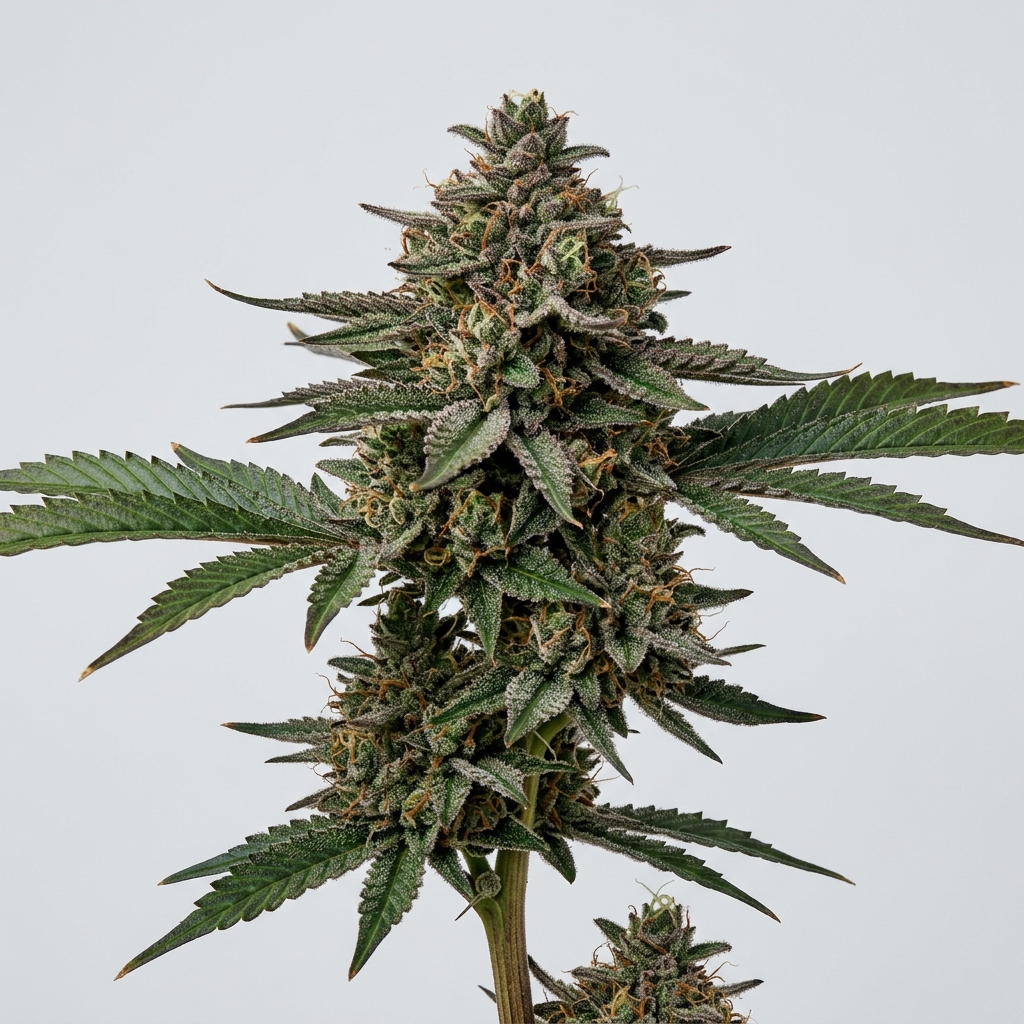
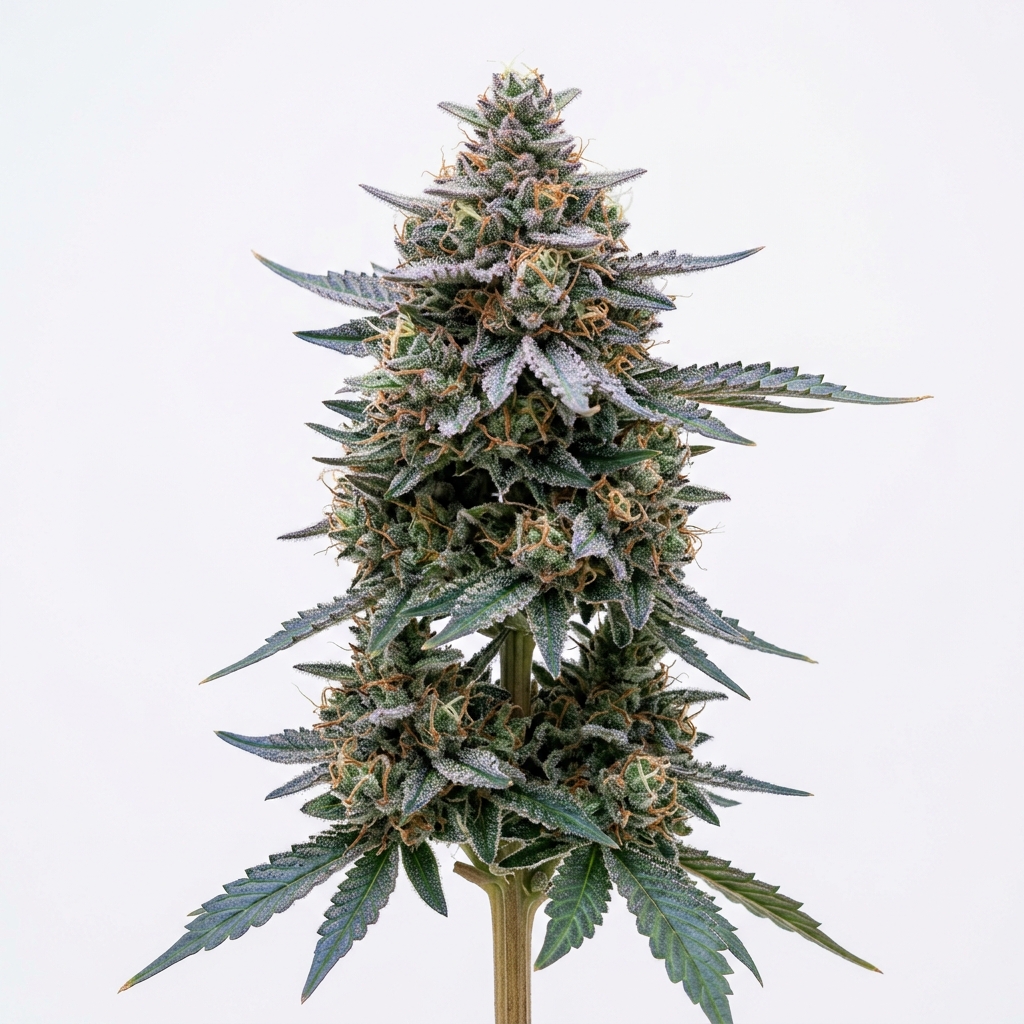
Blue Mystic is a classic indica-dominant cultivar, widely recognized for its moderate-to-high potency ranging from 15% to 21% THC. Bred by crossing Blueberry with Northern Lights, this strain delivers a rich profile of sweet dark berry notes and earthy herbal undertones. The plants remain short and compact, producing dense, resin-rich flowers that often exhibit deep blue and purple hues late in flower. Its slow-stretch habit and heavy resin coverage make it a highly reliable choice for indoor setups.
Cultivators prize this variety for its rapid flowering cycle and manageable canopy control. It represents an old-school approach to breeding where physical resilience and subtle, clean flavor profiles take precedence over aggressive modern gas profiles. It remains a staple for those seeking a tranquil, evening-oriented experience.
Quick Facts
| Attribute | Details |
|---|---|
| Genetics | Blueberry × Northern Lights |
| Variety | Indica-dominant hybrid |
| THC Range | 15% – 21% |
| Flowering Time | 8 – 9 weeks |
| Yield Potential | Moderate to High |
| Plant Height | Short to Medium |
| Climate Preference | Mild, temperate indoor environments |
| Difficulty | Easy to Moderate |
Scientific & Botanical Overview
Structurally, Blue Mystic shows classic indica morphology, characterized by broad fan leaves, tight internode spacing, and a stocky frame. The vegetative phase requires minimal manipulation, as the plant naturally forms a dominant central cola with sturdy lateral branches. This makes it highly compatible with Sea of Green (SOG) setups.
Resin production is dense and uniform, coating the tightly packed bracts in a layer of glassy trichomes. Under cooler night temperatures during the final weeks of bloom, the anthocyanin pigments within the calyxes react, shifting the plant’s deep green foliage into shades of lavender and royal blue. The flowers mature into thick, spear-shaped colas with minimal leaf-to-calyx ratio.
The cultivar shows a high tolerance for varying humidity levels during early growth, though the dense structure of the mature buds requires careful airflow management during late bloom. Its root system is robust, showing efficient nutrient uptake without requiring heavy feeding. It remains popular in commercial and hobbyist gardens due to its predictable growth patterns.
Effects & Use-Cases (Reported)
Commonly reported effects: Users frequently describe a calm, heavy physical relaxation that settles in gradually, accompanied by a quiet, clear mental state. It is not typically associated with sudden cerebral rushes, instead leaning toward a slow, grounding physical release that builds over time.
Use-case context: This profile makes the cultivar well-suited for late-evening wind-downs, quiet reading sessions, or as a transition into sleep. Its gentle physical weight helps ease tension without the intense, racey mental stimulation found in modern high-THC sativa hybrids.
Note: Individual experiences vary based on tolerance, consumption method, and unique chemistry; start with a lower dose to evaluate personal response.
Aroma & Flavors
Aroma: A soft, sweet berry aroma dominates the jar, backed by a subtle earthy musk and a faint hint of woody spice. It lacks the pungent, sour gas of contemporary fuel strains, offering a more delicate and fruit-forward olfactory profile.
Flavor: The smoke carries a distinct dark berry edge on the inhale, leaving a smooth, earthy, and slightly herbal finish on the palate. The berry notes are reminiscent of fresh blueberries rather than artificial candy.
Terpene associations: The primary terpene expression is typically led by myrcene, caryophyllene, and pinene, which together form its signature sweet-herbal profile.
Tested Cannabinoid & Terpene Ranges
| Compound | Typical Range |
|---|---|
| Δ9-THC | 15.0% – 21.0% |
| CBD | < 1.0% |
| Myrcene | 0.4% – 0.9% |
| Caryophyllene | 0.2% – 0.5% |
| Pinene | 0.1% – 0.3% |
Range note: Cannabinoid and terpene levels are highly dependent on specific phenotypes, cultivation techniques, and curing methods.
Cultivation Notes
- Keep late-flower humidity below 45% to prevent moisture accumulation within the exceptionally dense, round bud clusters.
- Implement light defoliation of the broad lower fan leaves during early flower to improve light penetration to lower bud sites.
- Expose the canopy to cooler night temperatures (around 60-65°F) during the final two weeks of bloom to encourage the expression of blue and purple hues.
- Avoid heavy nitrogen feeding during mid-to-late flowering to prevent leafy bud structures and maintain terpene clarity.
- Execute a slow, 10-to-14-day dry at 60°F and 60% relative humidity to preserve the delicate berry volatiles.
Grower Notes (Week-by-Week Snapshot)
- Weeks 1–3 (Vegetative & Early Bloom): Focus on building a sturdy, multi-topped bush. The plant shows minimal stretch upon flipping, usually doubling in height at most, so ensure it reaches your desired size before initiating flower.
- Weeks 4–6 (Mid-Bloom): Dense white pistils form rapidly, and resin begins to coat the leaves surrounding the main colas. Maintain moderate feeding with phosphorus and potassium, and monitor airflow through the inner canopy.
- Weeks 7–9 (Late Bloom & Flush): The buds swell into dense, compact spheres. Reduce night temperatures to bring out the blue coloration and initiate a plain water flush once trichomes transition from clear to mostly milky.
- Post-Harvest: Cure the glassy buds in glass jars for at least three weeks to allow the earthy musk to settle, letting the sweet berry notes step forward.
Genetic Lineage
Blue Mystic is widely understood to be a direct descendant of the iconic Blueberry and Northern Lights lineages. This combination unites the sweet fruit profile and vibrant coloration of the DJ Short-influenced Blueberry with the structural stability, high resin output, and rapid flowering traits of Northern Lights.
The resulting hybrid inherits the best qualities of its parents, maintaining a low-profile growth habit while producing a more complex, fruit-forward sensory profile than typical pure indicas. This genetic foundation has made it a reliable breeding block for later generations of colorful, fast-flowering hybrids.
Research Insights
Analytical testing reveals that Blue Mystic’s terpene profile is heavily anchored by myrcene, which dictates its earthy base and contributes to its deeply relaxing physical properties. Secondary terpenes like caryophyllene and pinene add a subtle layer of spice and focus, balancing the heavy physical onset.
The cultivar’s ability to produce anthocyanins under thermal stress is of interest to horticulturalists studying plant pigments. These compounds not only provide the visual blue-purple appeal but are also associated with defense mechanisms against environmental fluctuations.
Frequently Asked Questions
Is Blue Mystic easy to grow for beginners?
Yes, its compact size, low stretch, and natural resilience to minor environmental fluctuations make it an excellent choice for novice growers.
How long does Blue Mystic take to flower?
The strain typically finishes flowering within 8 to 9 weeks when grown indoors, with outdoor harvests usually falling in early October.
Does Blue Mystic always turn purple?
The blue and purple colors are phenotype-dependent and generally require cooler nighttime temperatures during the final weeks of flower to fully express.
What does Blue Mystic smell like?
It features a soft, sweet aroma of fresh blueberries combined with an earthy, slightly herbal undertone.
Educational Disclaimer
This profile is intended solely for educational and informational purposes. Cultivation of cannabis is subject to varying legal regulations globally, and readers must consult local laws before germinating seeds or acquiring plants.
Rate and review this strain
Ratings and reviews are accepted only from signed-in Google accounts.
Sign in with Google to leave a rating and written review.
Latest Reviews
0 reviewsNo reviews yet. Be the first Google user to rate and review this strain.