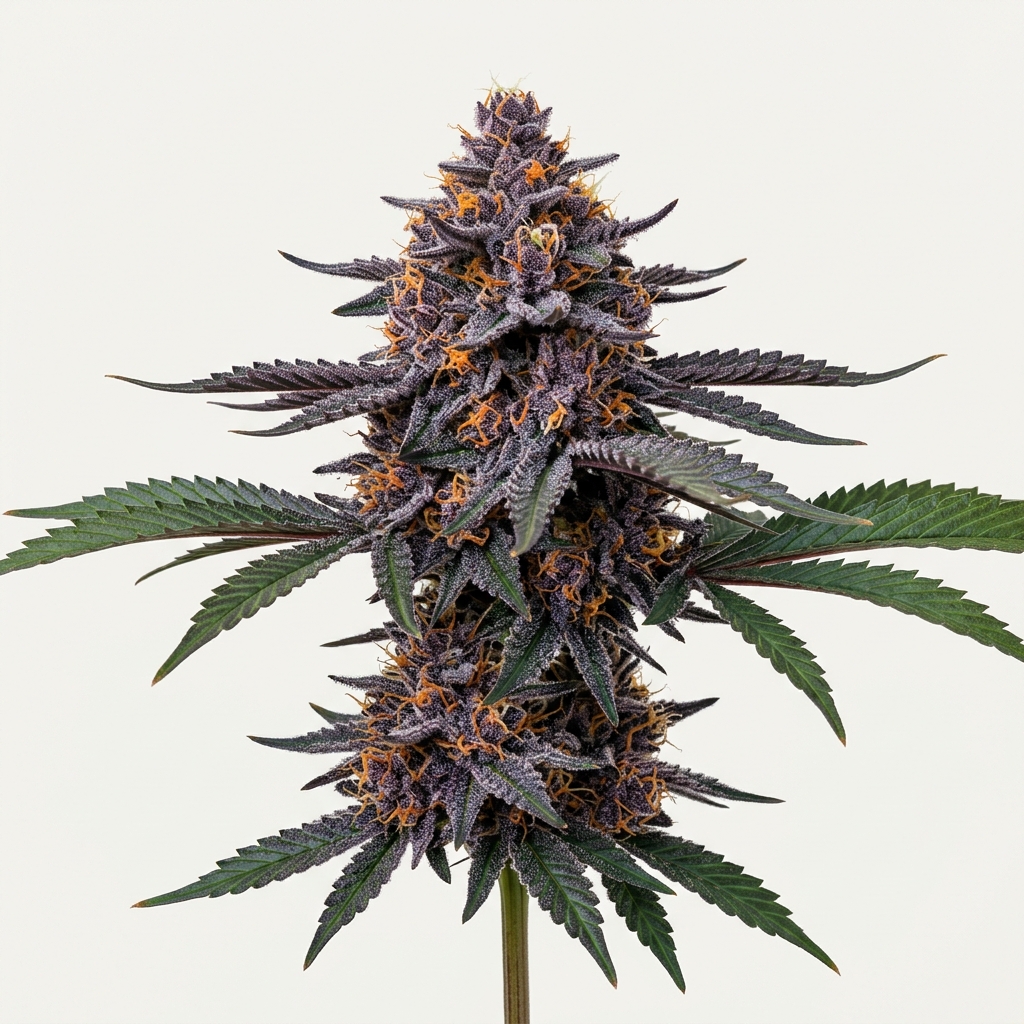
Blue Lobster (Cannabis Strain)
Blue Lobster is an indica-dominant hybrid typically testing between 24% and 28% THC, created by crossing Apples and Bananas with Eye Candy. This cultivar is highly regarded for its intense blue raspberry candy aroma backed by a sharp, tart gas finish and dense, resin-rich flowers. Its growth pattern shows moderate stretch, making it a manageable addition to both commercial and boutique indoor gardens.
The strain has gained substantial recognition in the modern exotic market due to its striking visual appeal and heavy resin coverage. Its deep violet hues and glassy buds make it a favorite for solventless extraction, yielding highly aromatic concentrates that preserve its distinct terpene profile.
Quick Facts
| Attribute | Details |
|---|---|
| Genetics | Apples and Bananas × Eye Candy |
| Variety | Indica-dominant hybrid |
| THC Range | 24% – 28% |
| Flowering Time | 8 – 9 Weeks |
| Yield Potential | Moderate to High |
| Plant Height | Medium |
| Climate Preference | Temperate / Controlled Indoor |
| Cultivation Difficulty | Moderate |
Scientific & Botanical Overview
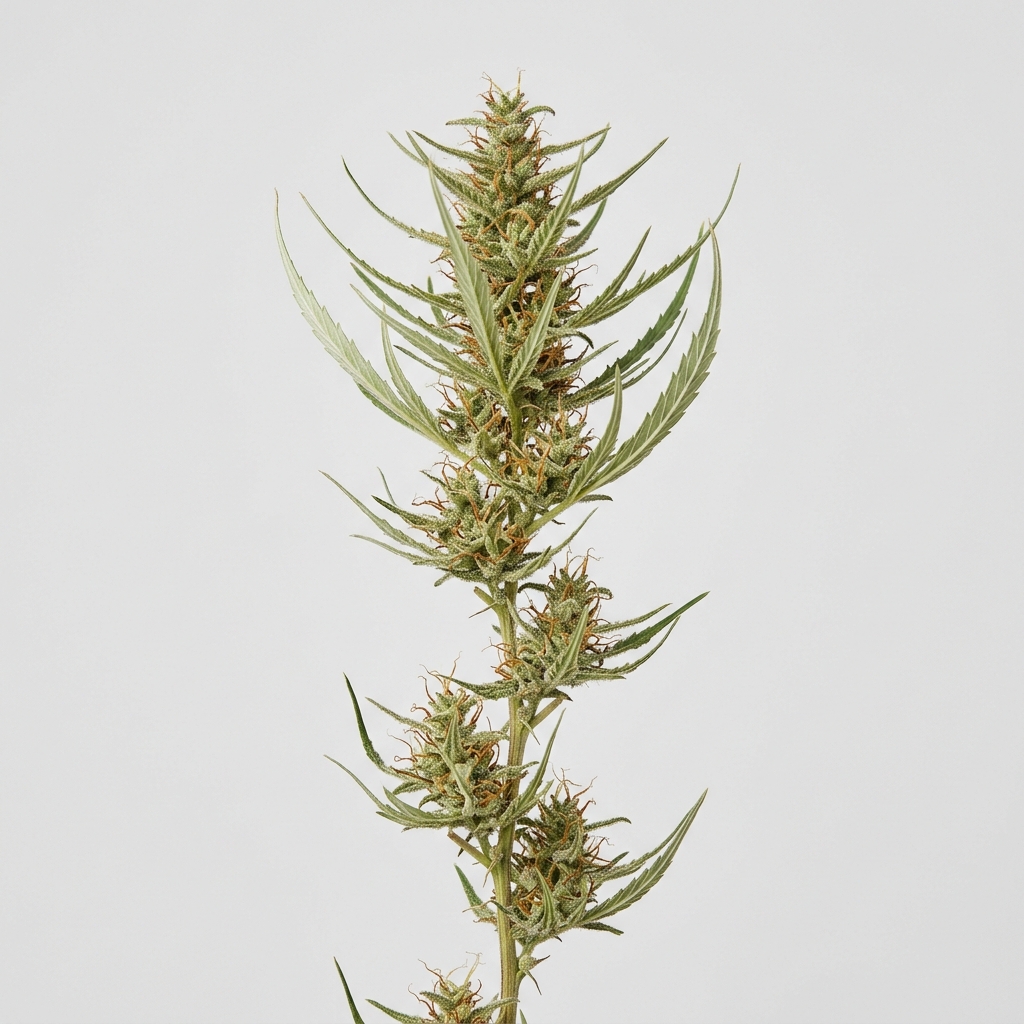
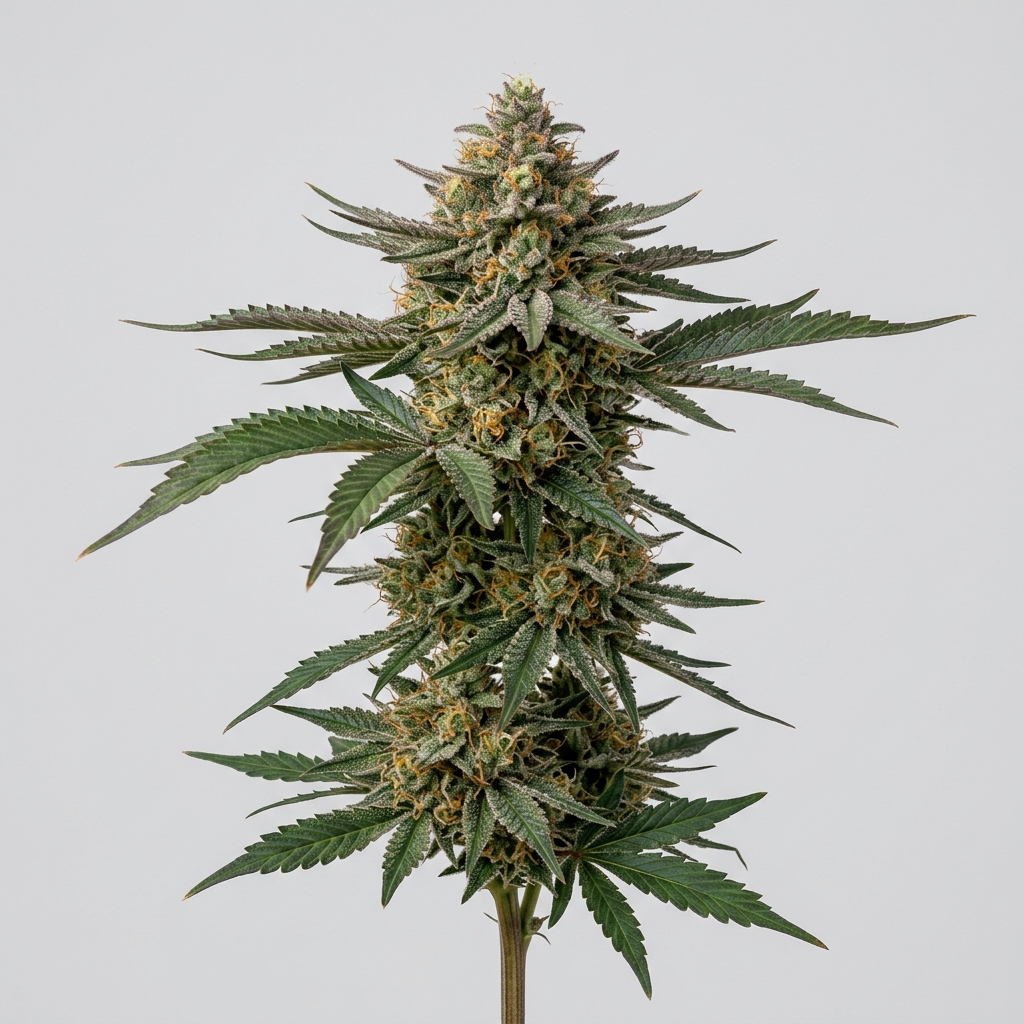
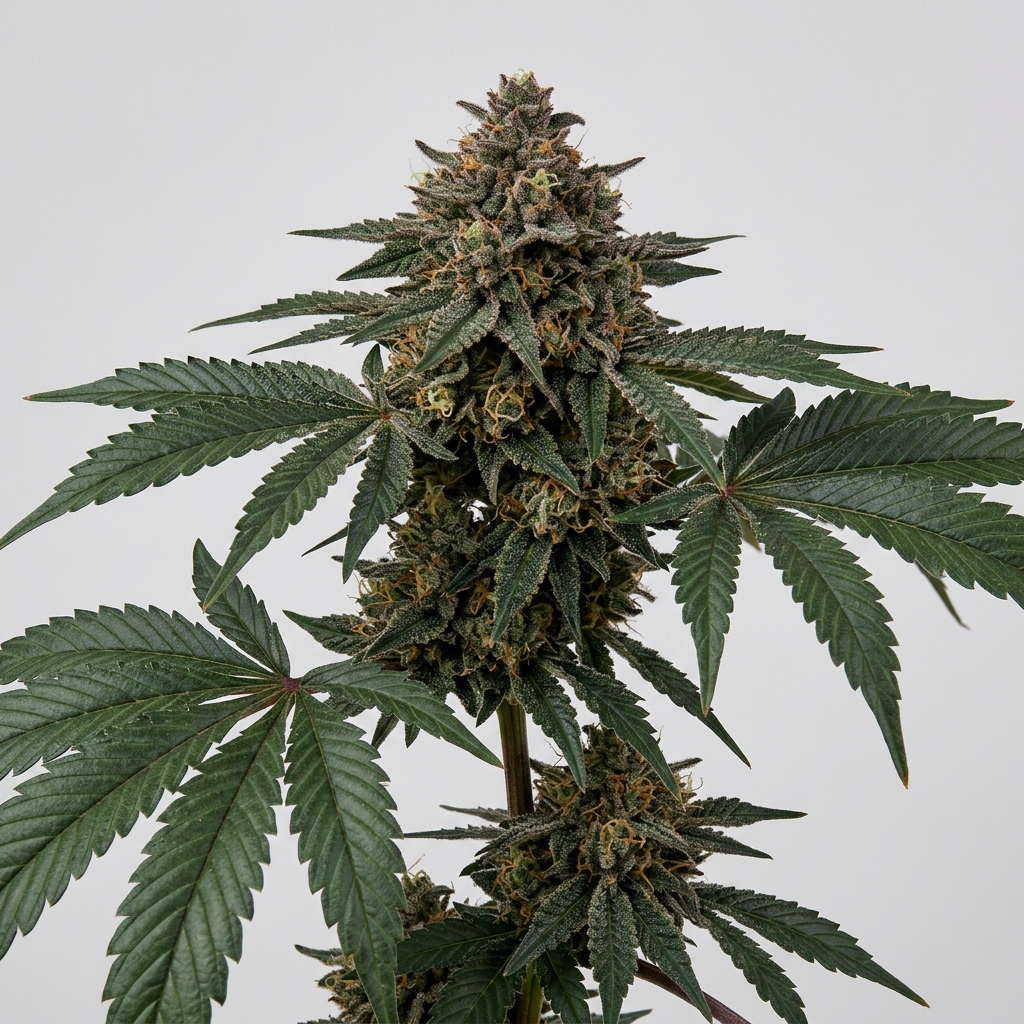
From a structural standpoint, this cultivar shows classic hybrid morphology, characterized by broad fan leaves and tight internodal spacing. The plants develop sturdy lateral branches that support the weight of dense, spear-shaped colas during late flower. This structural integrity allows for efficient light penetration when the lower canopy is managed properly.
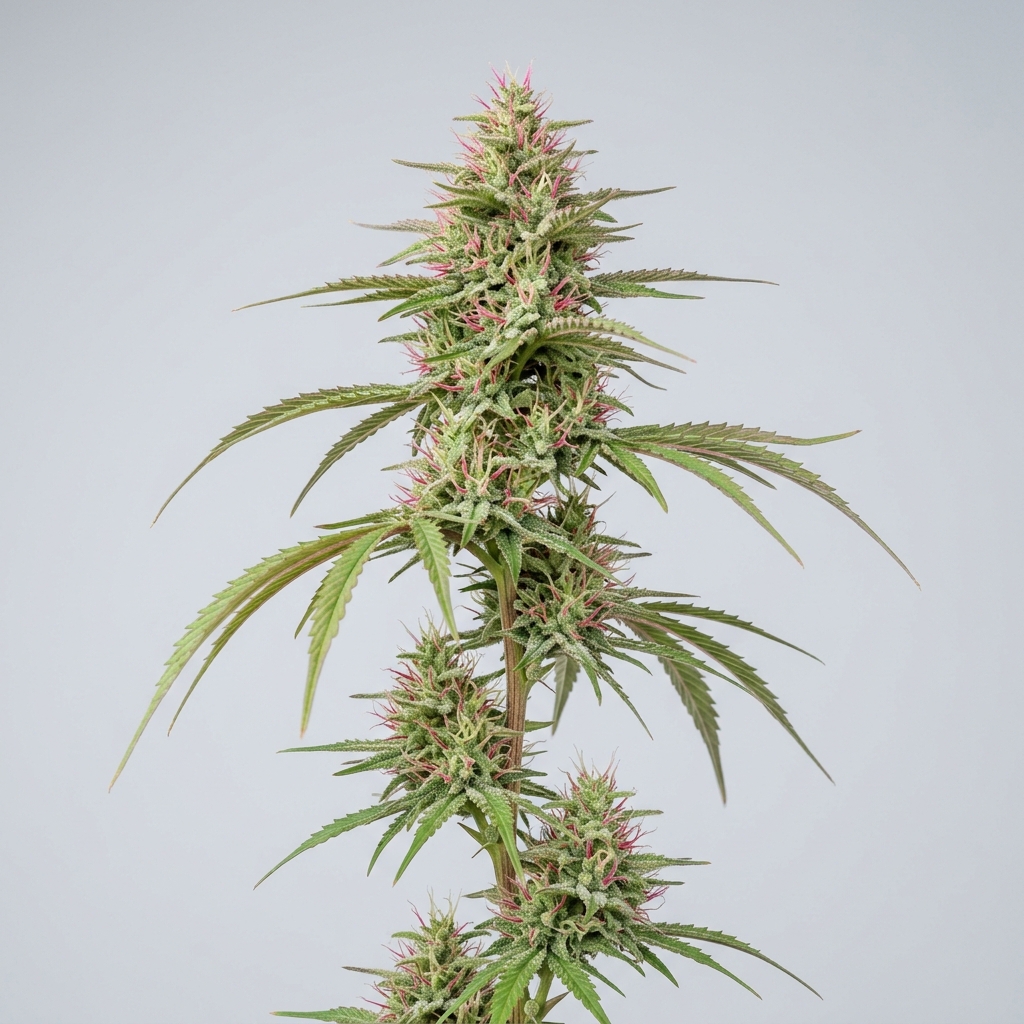
Anthocyanin accumulation is highly pronounced in this strain, especially when night temperatures are lowered in the final weeks of bloom. This biological response turns the dense bracts and swollen calyxes a deep violet, contrasting sharply with the bright orange pistils. The resulting flowers display a dark, almost blue-purple coloration beneath a thick coat of glandular trichomes.
The trichome population is dense and primarily capitate-stalked, yielding a greasy resin layer that preserves volatile terpenes. This high concentration of resin-rich flowers makes the cultivar particularly resilient against dry-room degradation. Cured buds maintain a wet frost appearance and a sticky texture that requires a grinder to break down effectively.
Effects & Use-Cases (Reported)
Commonly reported effects: Users frequently describe an immediate, clear-headed cerebral lift that quickly gives way to a heavy, relaxing physical sensation. The transition from mental clarity to deep physical ease occurs smoothly, making it highly functional for experienced consumers.
Use-case context: This cultivar is best suited for late afternoon or evening use, providing a calm backdrop for creative tasks, quiet socializing, or winding down. The physical heaviness is pronounced but rarely leads to immediate sedation unless consumed in higher quantities.
Note: Due to the high concentration of THC, less experienced consumers should approach this cultivar with caution to avoid over-intoxication.
Aroma & Flavors
Aroma: The primary scent profile is dominated by a sweet, artificial blue raspberry candy note, which is balanced by a sharp, tart gas undertone. Breaking the buds releases deeper notes of damp earth, fuel, and a faint hint of black pepper.
Flavor: On the inhale, the smoke delivers a heavy syrup-like sweetness reminiscent of dark berries and candy. The exhale transitions to a clean, cool mint and fuel finish that lingers on the palate long after consumption.
Terpene associations: High levels of limonene drive the initial sweet candy notes, while caryophyllene and myrcene provide the heavy gassy finish and herbal undertones.
Tested Cannabinoid & Terpene Ranges
| Compound | Typical Range |
|---|---|
| Δ9-THC | 24.0% – 28.0% |
| CBG | 0.5% – 1.2% |
| Limonene | 0.6% – 0.9% |
| beta-Caryophyllene | 0.4% – 0.7% |
| Myrcene | 0.3% – 0.5% |
| Linalool | 0.2% – 0.4% |
Note: Cannabinoid and terpene levels are highly variable and depend on the specific phenotype, cultivation environment, and curing process.
Cultivation Notes
- Humidity Control: Maintain late-flower humidity strictly below 45% to prevent moisture buildup in the dense, resinous colas.
- Nutrient Feeding: Responds well to a moderate nitrogen regimen during vegetative growth, transitioning to higher potassium and phosphorus in mid-bloom.
- Training Techniques: Topping early and employing low-stress training (LST) helps distribute light evenly across the canopy, maximizing the yield of lower bud sites.
- Temperature Management: Dropping night temperatures by 10–15°F during the final two weeks of flower helps bring out the deep purple and blue phenotypes.
- Harvest Window: Harvest when the glassy trichome heads transition from milky white to approximately 10% amber for optimal terpene clarity.
Grower Notes (Week-by-Week Snapshot)
- Weeks 1–3 (Vegetative & Early Bloom): The plant shows a controlled stretch of about 50% upon flipping to flower. Early training should be completed now to establish a flat, open canopy.
- Weeks 4–6 (Mid-Bloom): Bud sites begin to swell rapidly, forming tight clusters of dense bracts. A greasy resin layer starts coating the sugar leaves, accompanied by a sharp candy aroma.
- Weeks 7–9 (Late Bloom & Flush): Flush with plain, pH-balanced water during the final 10–14 days. Introduce cooler night temperatures to trigger the anthocyanin shift, turning the green foliage to deep violet.
- Post-Harvest (Curing): A slow dry at 60°F and 60% relative humidity for 12–14 days is critical to preserve the delicate blue raspberry terpenes before a minimum three-week jar cure.
Genetic Lineage
The maternal parent, Apples and Bananas, brings a complex lineage of Blue Power, Gelatti, and Gas House. This heritage contributes the heavy resin production, structural density, and sweet, complex fruit profile.
The paternal parent, Eye Candy, introduces genetics from Biscotti and The Menthol. This pairing infuses the offspring with deep purple coloration, a cool mint finish, and a heavy, relaxing physical profile.
Research Insights
Analytical testing indicates a high concentration of monoterpenes, specifically limonene, which works in tandem with sesquiterpenes like caryophyllene. This specific ratio is believed to modulate the uptake of cannabinoids, producing a balanced but highly potent physical effect.
Breeders and extractors target this cultivar due to its high density of capitate-stalked trichomes. The physical durability of these resin glands makes the strain highly efficient for solventless washing, yielding clean, terpene-rich bubble hash and live rosin.
Frequently Asked Questions
What does the Blue Lobster strain smell like?
Blue Lobster is known for its sweet, artificial blue raspberry candy aroma, which is immediately followed by a sharp, tart gas undertone and subtle earthy notes.
Is Blue Lobster an indica or sativa?
It is an indica-dominant hybrid. While it provides an initial cerebral lift, its primary effects settle into a deep, heavy physical relaxation.
How long does Blue Lobster take to flower?
Indoors, this cultivar typically finishes its flowering cycle in 8 to 9 weeks.
What are the primary terpenes in Blue Lobster?
The most prominent terpenes commonly found in this strain are limonene, caryophyllene, and myrcene.
Educational Disclaimer
This guide is for informational and educational purposes only. Cultivation of cannabis is subject to local laws and regulations. Consult with local guidelines before germinating or growing any cannabis cultivar.
Rate and review this strain
Ratings and reviews are accepted only from signed-in Google accounts.
Sign in with Google to leave a rating and written review.
Latest Reviews
0 reviewsNo reviews yet. Be the first Google user to rate and review this strain.