Blue Dream (Cannabis Strain) — Strainpedia
Blue Dream is a historic Sativa-dominant Hybrid that rose to prominence in the early 2000s and became one of the most commercially influential cultivars of its era. Created from the cross of Blueberry and Haze, Blue Dream established a balanced hybrid model combining berry-forward sweetness, cerebral stimulation, and strong agricultural performance. Its long-standing market presence and genetic influence position it within the Foundational Genetics category of modern cannabis breeding.
Quick Facts
| Genetics | Blueberry × Haze |
|---|---|
| Breeder | Early California preservation line (exact origin debated) |
| Variety | Sativa-dominant Hybrid (~60% Sativa / 40% Indica) |
| Flowering Time | 9–10 weeks (63–70 days indoors) |
| Yield Potential | 500–650 g/m² indoors (High) |
| Plant Height | 120–180 cm; vigorous vertical growth |
| Climate Preference | Warm, Mediterranean-style outdoor climates or controlled indoor systems |
| Difficulty | Intermediate (requires canopy management due to stretch) |
Scientific & Botanical Overview
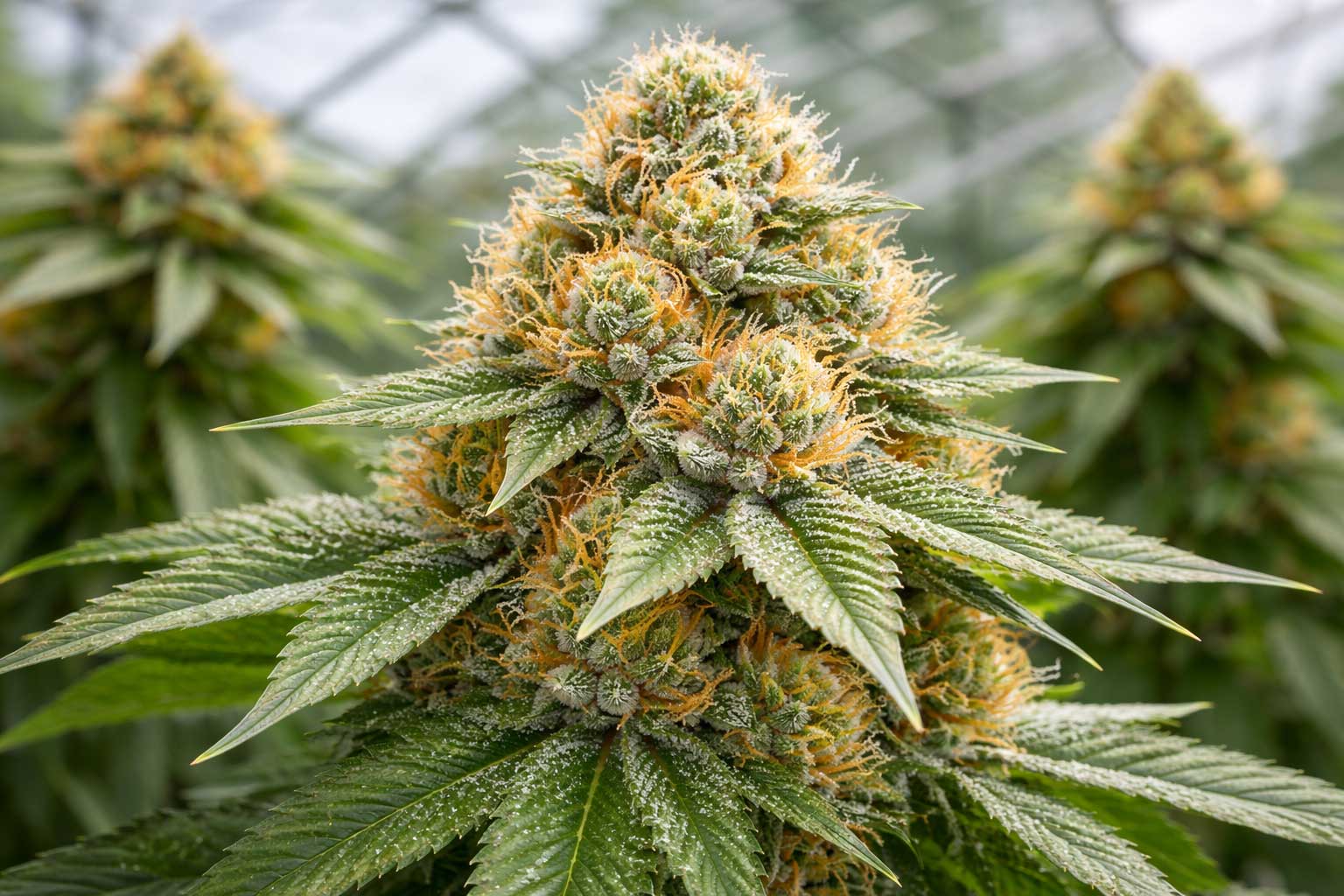
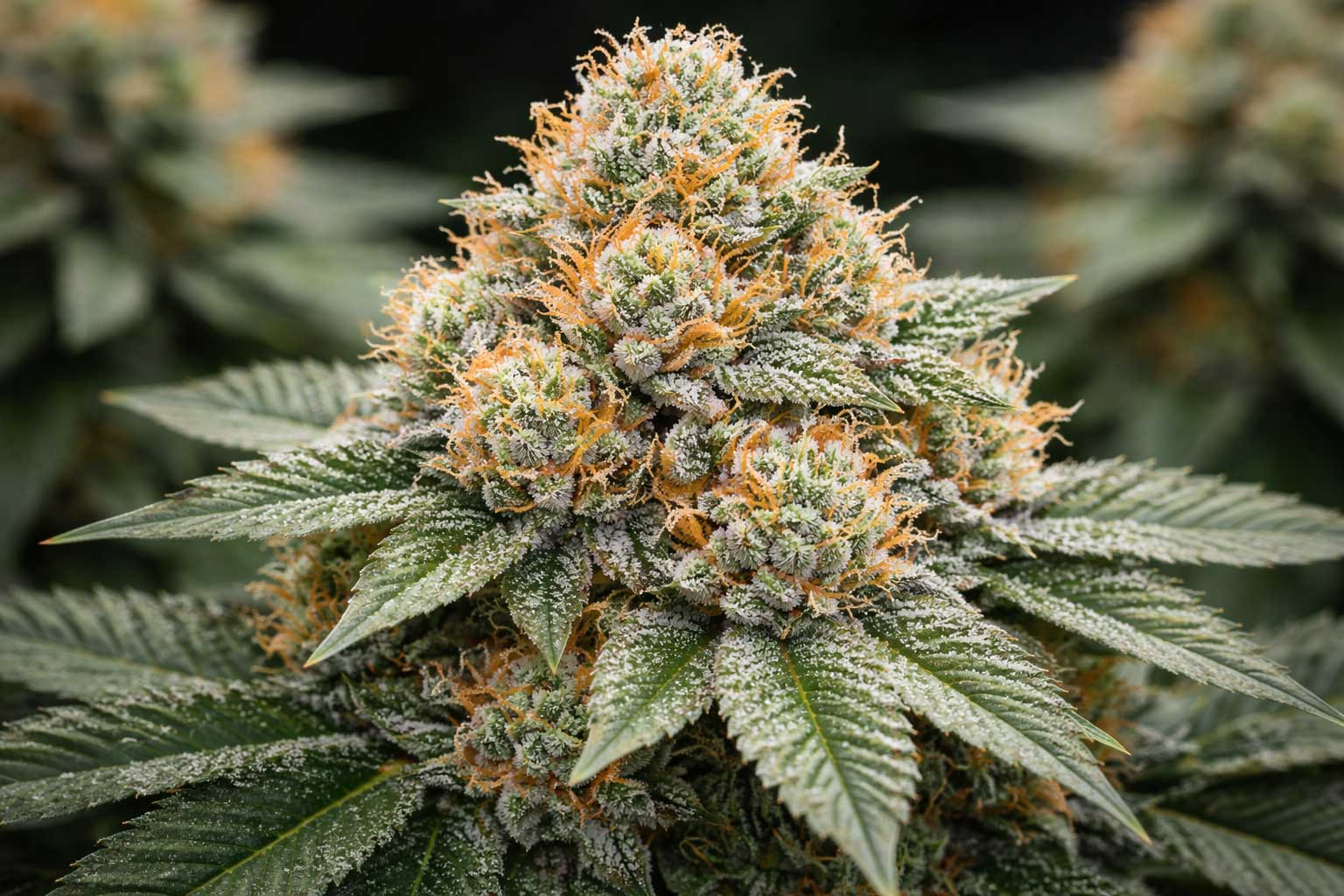
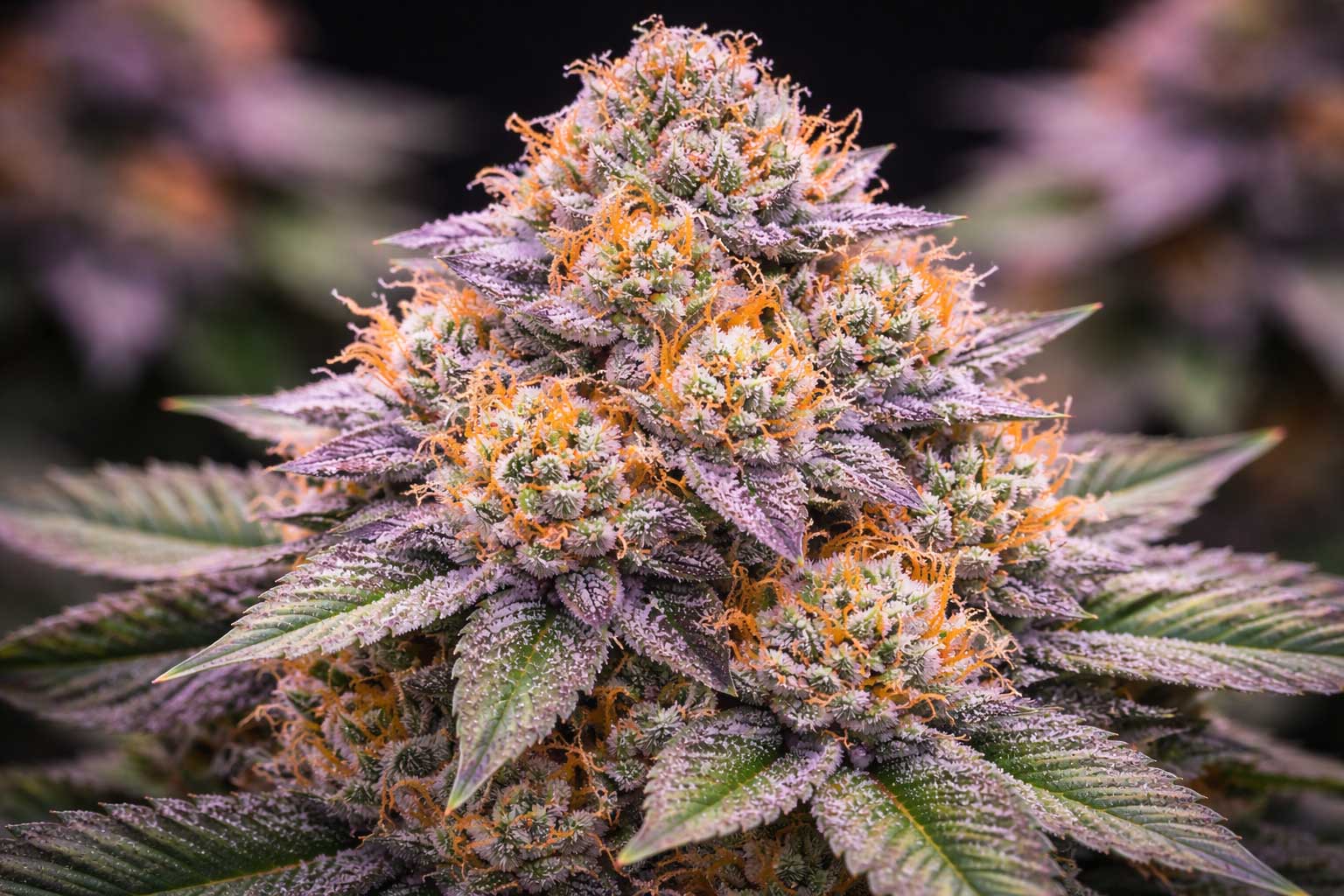
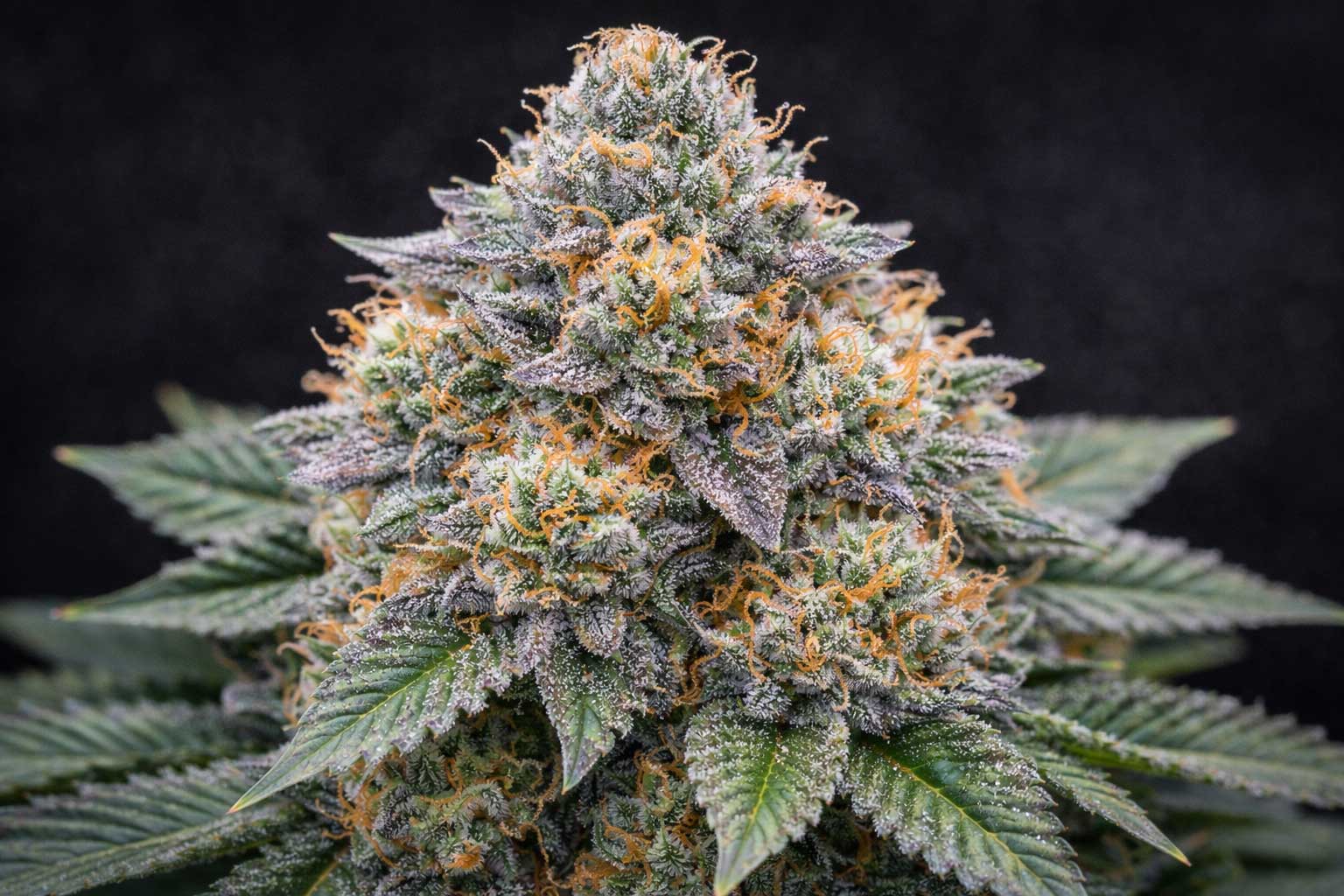
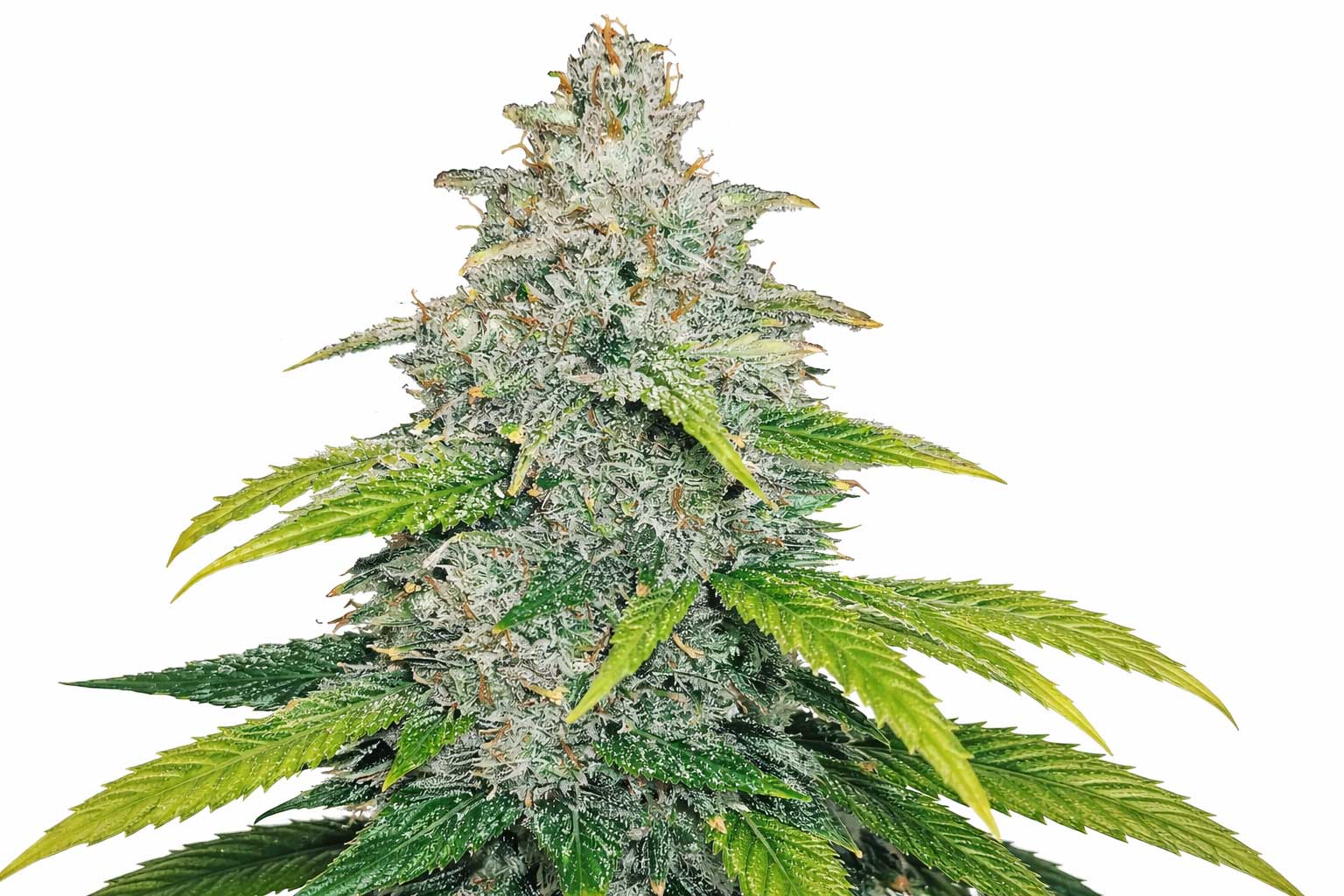
Blue Dream expresses moderate internodal spacing and significant vertical growth during early flowering, reflecting its Haze heritage. The plant typically develops elongated colas supported by strong lateral branching. Bud density is balanced—not overly compact—allowing airflow while maintaining commercial-grade structure.
From a resin standpoint, Blue Dream produces abundant glandular trichomes across calyx surfaces and sugar leaves. The chemotype frequently expresses a sweet-fruit dominant terpene profile layered with subtle herbal and earthy undertones. Its hybrid balance made it a template for later berry-forward cultivars that sought both market appeal and functional daytime usability.
Effects & Use-Cases (Reported)
- Commonly reported effects: cerebral uplift, creative stimulation, light physical relaxation.
- Use-case context: daytime activity, creative tasks, social interaction, early evening relaxation.
- Functional profile: begins with head-focused euphoria before transitioning into mild body ease.
- Note: Observational reports only; not medical claims.
Aroma & Flavors
- Aroma: sweet blueberries, soft herbal haze, light earthy undertones.
- Flavor: berry-forward inhale with subtle citrus and floral haze complexity.
- Signature finish: smooth sweetness with faint herbal-spice linger.
- Terpene associations: myrcene, pinene, caryophyllene (phenotype-dependent).
Tested Cannabinoid & Terpene Ranges
| Compound | Typical Range* | Notes |
|---|---|---|
| Δ⁹-THC | ~17–24% | Moderate-to-high potency tier depending on phenotype. |
| CBD | <1% | Generally trace levels. |
| Myrcene | Moderate | Supports subtle body relaxation and sweetness. |
| Pinene | Low–Moderate | Associated with fresh herbal lift. |
| Caryophyllene | Low–Moderate | Adds mild spice and depth. |
| Terpene Profile | Sweet Berry / Herbal Haze / Earthy | Defined the 2000s berry-forward hybrid era. |
*Ranges may vary based on cultivation practices, harvest timing, curing, phenotype expression, and laboratory methodology.
Cultivation Notes
- Light Cycle: 18/6 vegetative; 12/12 flowering
- Stretch Management: Significant vertical growth during weeks 1–3 of flower; topping recommended
- Humidity Targets: 40–50% during late flower to protect dense sites
- Nutrition: Moderate feeder; responds well to balanced PK boost during bulking
- Harvest Window: Early–Mid October outdoors (Northern Hemisphere)
Grower Notes (Week-by-Week Snapshot)
- Weeks 1–2: Noticeable stretch; establish canopy control.
- Weeks 3–4: Flower sites stack; monitor airflow in interior canopy.
- Weeks 5–7: Resin production increases; berry aroma intensifies.
- Weeks 8–10: Ripening phase; harvest based on trichome maturity.
- Post-Harvest: Dry 18–20°C, 55–60% RH to preserve sweet berry terpenes.
Genetic Lineage
Blue Dream combines the fruity sweetness of Blueberry (an Indica lineage known for berry-forward terpenes) with the cerebral and structural characteristics of Haze, a classic Sativa family. This fusion created a stable hybrid that delivered both yield performance and consumer-friendly balance, contributing to its long-term market relevance.
Research Insights
The balanced chemotype frequently observed in Blue Dream—combining moderate myrcene with uplifting terpenes such as pinene—has positioned it as a reference cultivar in discussions surrounding functional daytime hybrids. Its effect profile demonstrates how terpene interplay can temper higher THC levels into a more versatile and widely tolerated experience.
Why Blue Dream Is “Foundational Genetics”
Blue Dream became foundational through sustained commercial dominance and genetic influence. Its stable structure, balanced effects, and berry-forward terpene profile served as a template for numerous subsequent hybrids. Few cultivars have maintained multi-year relevance across both recreational and cultivation markets at the scale Blue Dream achieved.
Frequently Asked Questions
Is Blue Dream more Sativa or Indica?
It is generally classified as Sativa-dominant, though phenotype variation exists.
Why is Blue Dream historically important?
Its balance of yield, approachable effects, and market longevity influenced an entire generation of hybrid breeding.
Is it beginner-friendly to grow?
It is vigorous and productive but requires canopy management due to vertical stretch.
Does Blue Dream consistently taste like berries?
Many phenotypes express sweet berry notes inherited from Blueberry, layered with subtle herbal haze complexity.
Educational Disclaimer: This page is provided for scientific and horticultural reference only and does not constitute medical or promotional advice. Cannabis cultivation, possession, and use are regulated by local laws. Always comply with applicable legislation in your region.