Black Maple 22 (Cannabis Strain)
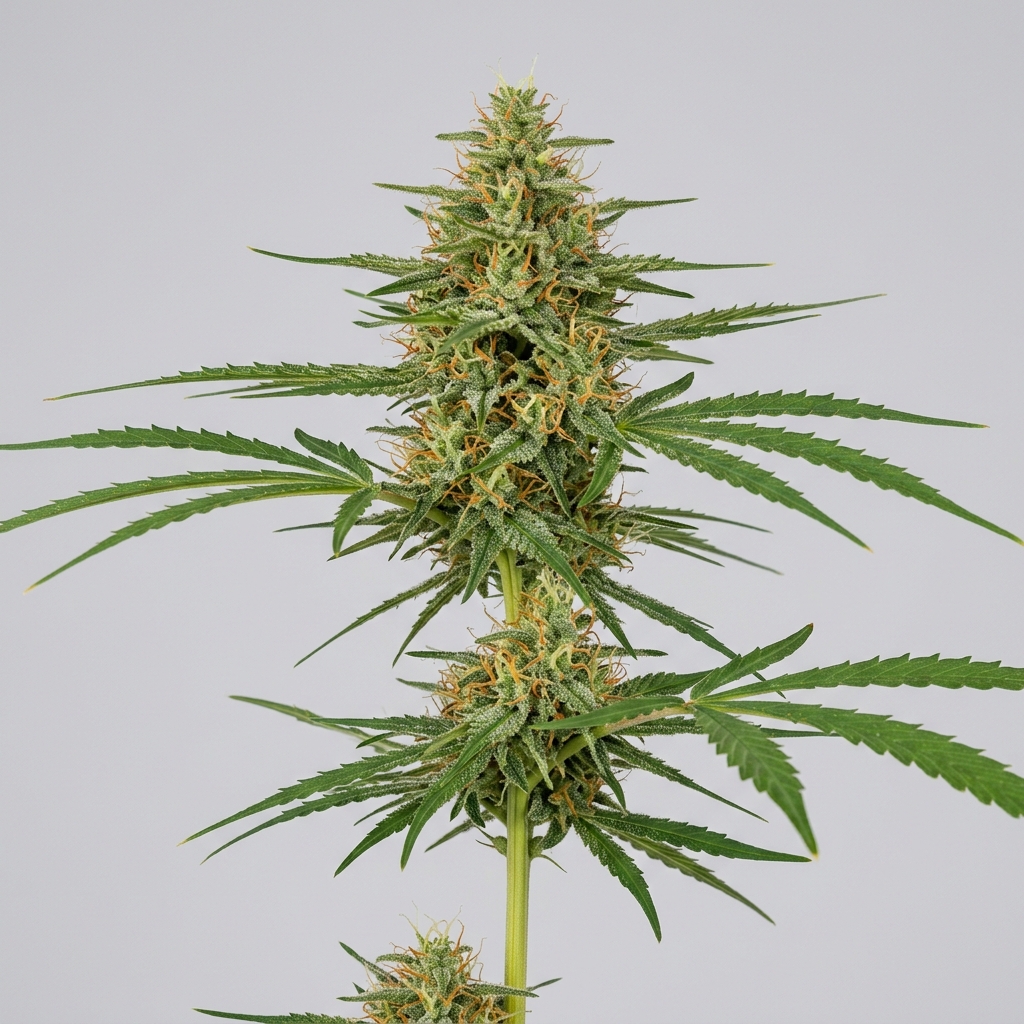
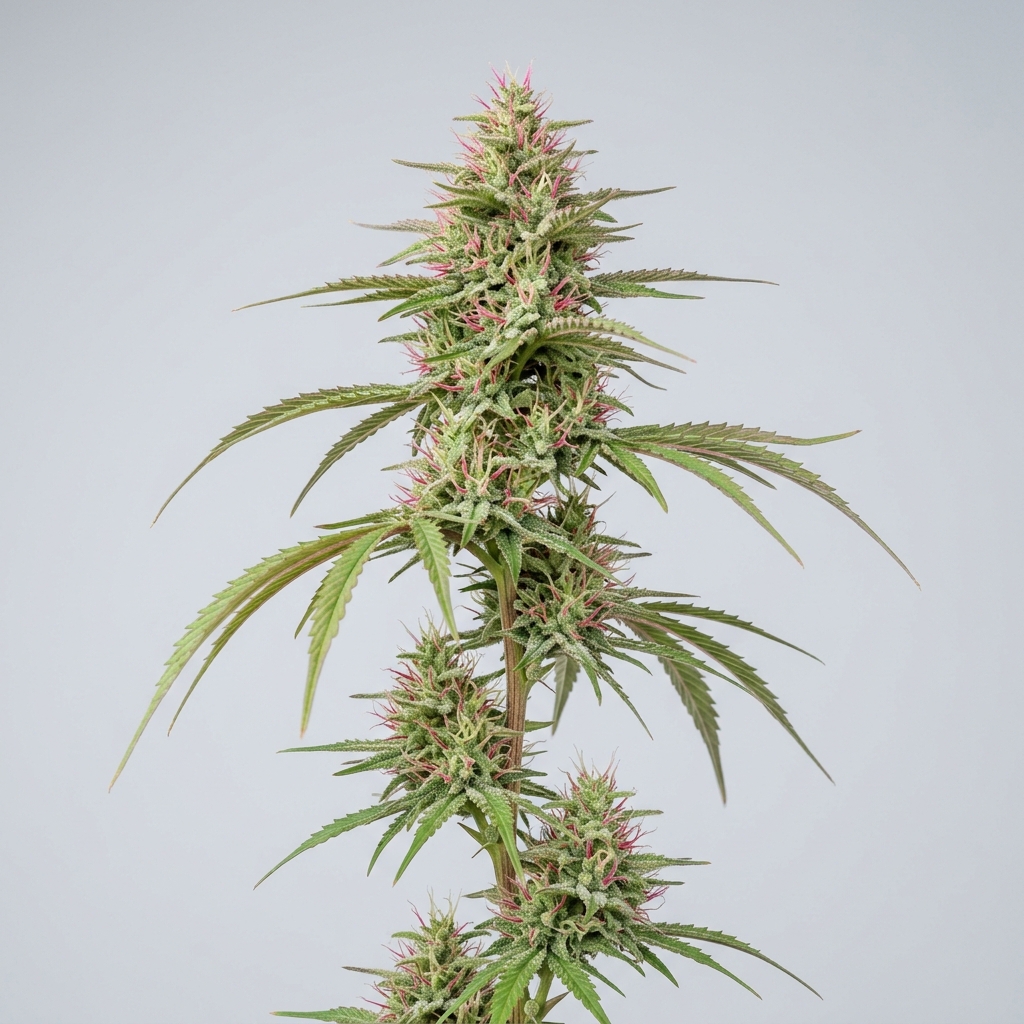
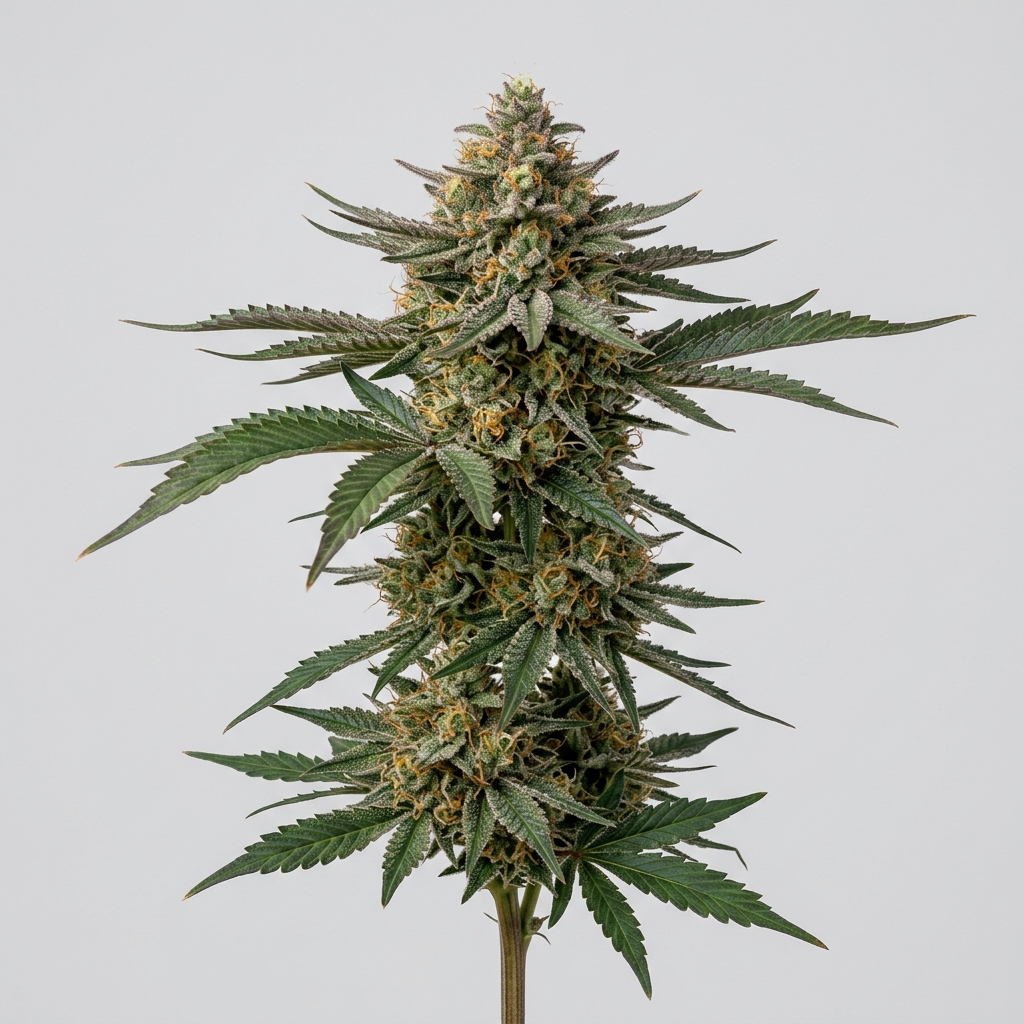
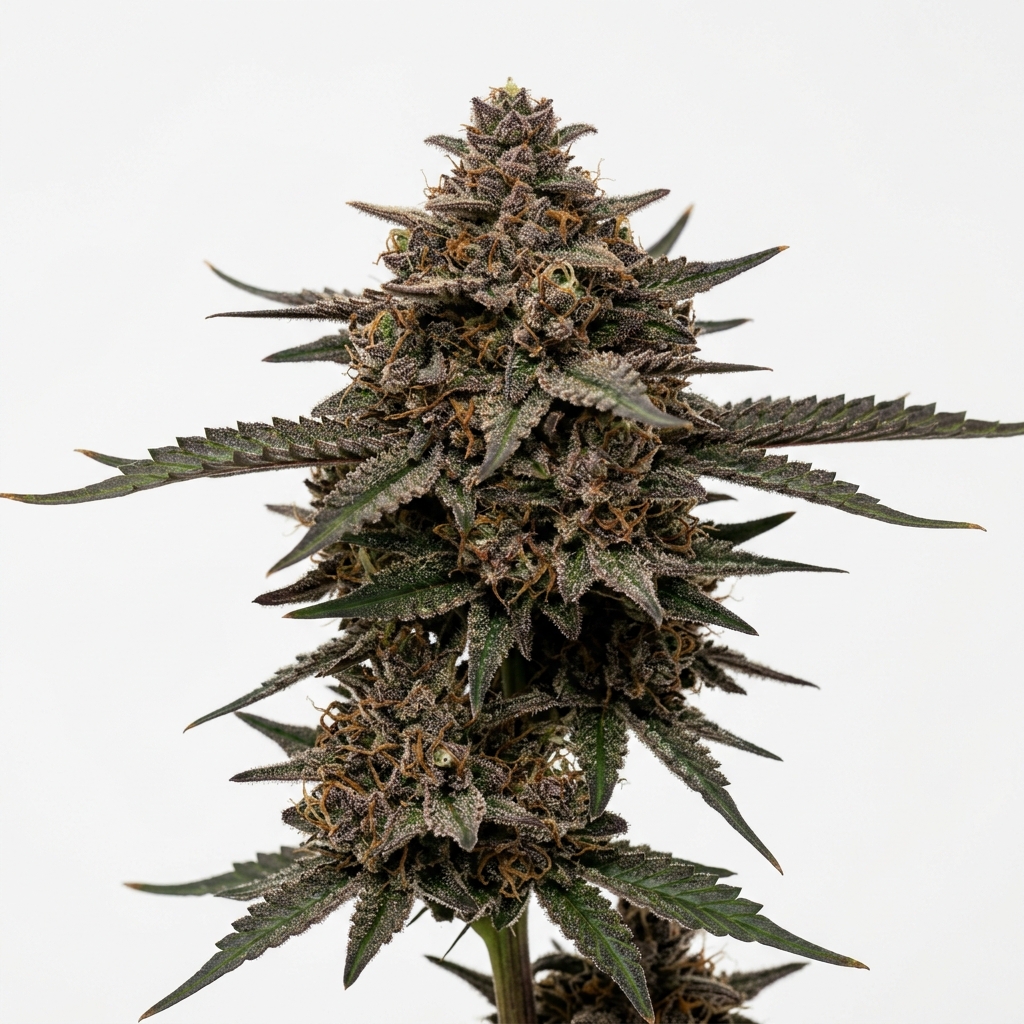
Black Maple 22 is an indica-dominant hybrid testing between 24% and 28% THC, created by crossing Dulce de Uva and Sherbanger. Celebrated as an elite extraction-grade resin cultivar, this strain is highly sought after for its complex profile of rich maple syrup, dark berry, and tart gas. The plants develop dense, deep purple bracts covered in a thick layer of greasy resin, displaying a controlled stretch and excellent structure that makes them a favorite among modern hash makers and boutique growers alike.
While its striking visual appeal and heavy trichome coverage command attention in the garden, its true value lies in the depth of its solventless washing potential. Growers frequently select this phenotype for its greasy, easily detached trichome heads that deliver exceptional yields in ice water extraction.
Quick Facts
| Attribute | Details |
|---|---|
| Genetics | Dulce de Uva × Sherbanger |
| Variety | Indica-dominant hybrid |
| THC Range | 24% – 28% |
| Flowering Time | 8 – 9 weeks (56 – 63 days) |
| Yield Potential | Moderate to heavy |
| Plant Height | Medium |
| Climate Preference | Temperate, low humidity late flower |
| Difficulty | Moderate |
Scientific & Botanical Overview
Botanically, Black Maple 22 shows classic indica-dominant morphology with broad fan leaves and tight internodal spacing. The vegetative stage requires intentional pruning to manage the dense canopy and ensure adequate light penetration to lower bud sites.
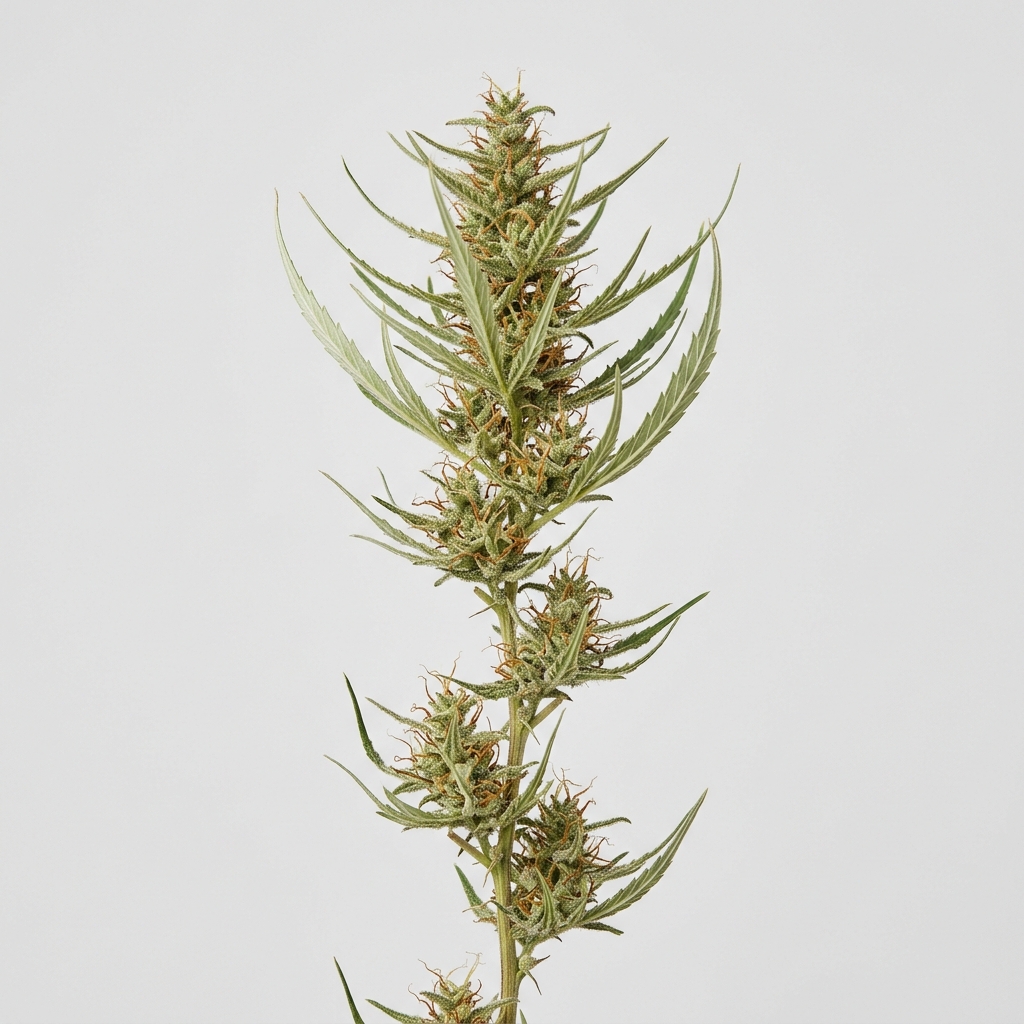
During the transition to flower, the plants undergo a moderate stretch, typically doubling in height while maintaining sturdy lateral branches. The developing colas produce dense, spear-shaped structures characterized by swollen calyxes and deep violet undertones that intensify with cooler night temperatures.
The resin glands are particularly notable for their structural integrity, featuring large, capitate-stalked trichomes filled with a high concentration of volatile monoterpenes. This greasy resin coat remains stable throughout late flower, protecting the delicate cannabinoids underneath from degradation.
Effects & Use-Cases (Reported)
Commonly reported effects: Consumers often describe a deep physical relaxation paired with a calm, clear-headed mental state. The onset is typically gradual, beginning as a soft warmth behind the eyes before settling into a heavy body sensation.
Use-case context: This cultivar is highly suited for late evening use, quiet relaxation, or creative wind-down sessions. Its heavy physical profile makes it less ideal for active daytime tasks, though it rarely induces heavy sedation in moderate amounts.
Note: Individual experiences vary significantly based on tolerance, consumption method, and specific phenotype chemistry.
Aroma & Flavors
Aroma: The initial nose is dominated by sweet maple syrup and warm dough, backed by a sharp, chemical undertone of tart gas and diesel fuel.
Flavor: On the palate, it delivers a rich blend of dark berry and toasted wood, finishing with a lingering mint and earthiness.
Terpene associations: The complex aromatic profile is driven by high concentrations of caryophyllene, limonene, and linalool, which work together to create its unique sweet-and-sour depth.
Tested Cannabinoid & Terpene Ranges
| Compound | Typical Range |
|---|---|
| Δ9-THC | 24.0% – 28.0% |
| CBD | < 0.1% |
| Caryophyllene | 0.6% – 0.9% |
| Limonene | 0.4% – 0.7% |
| Linalool | 0.2% – 0.4% |
Note: Tested ranges are literature-informed references and are highly variable depending on individual cultivation practices, curing methods, and environmental factors.
Cultivation Notes
- Humidity: Keep late-flower humidity strictly below 45% to protect the dense, resin-rich flowers from moisture retention.
- Nutrition: Responds well to a moderate feeding schedule, with a slight reduction in nitrogen during the early flowering phase.
- Training: use low-stress training (LST) and early topping to encourage a flat canopy and maximize light exposure to all colas.
- Harvest: Time the harvest based on trichome maturity; wait for a high ratio of milky-to-amber heads to maximize the terpene clarity.
- Phenotype management: Some phenotypes show stronger purple coloration; dropping night temperatures by 5–10 degrees in the final two weeks will enhance these deep hues.
Grower Notes (Week-by-Week Snapshot)
- Weeks 1–3 (Transition & Early Stretch): The plant stretches moderately; focus on tucking fan leaves and setting up trellis netting to support the upcoming flower load.
- Weeks 4–6 (Flower Development & Resin Onset): Dense bracts begin to form, and the first signs of wet frost appear on the sugar leaves. Ensure high airflow through the lower canopy.
- Weeks 7–9 (Ripening & Color Shift): The sweet maple aroma intensifies as the buds swell. Flush with clean water and monitor trichomes closely while keeping humidity low.
- Post-Harvest (Slow Dry & Cure): A slow dry at 60°F and 60% relative humidity for 10 to 14 days is essential to preserve the delicate, volatile monoterpenes.
Genetic Lineage
Black Maple 22 inherits its rich flavor profile and high resin production from a carefully selected lineage. Its maternal parent, Dulce de Uva, is renowned for its sweet, grape-dough aroma and excellent washing qualities, passing down the structural traits essential for premium solventless extraction.
The paternal influence comes from Sherbanger, a powerful cross of Sunset Sherbert and Headbanger. This lineage injects a sharp, gassy kick and robust growth vigor, resulting in the complex maple-gas balance that defines the Black Maple 22 phenotype.
Research Insights
Analytical testing of Black Maple 22 highlights a unique synergy between its high cannabinoid content and its complex sesquiterpene profile. The presence of caryophyllene alongside sweet-leaning monoterpenes suggests a chemical fingerprint optimized for physical relaxation without immediate cognitive fatigue.
Breeders and extractors study this cultivar for its high concentration of stable, large-headed trichomes. The genetic stability of these resin glands under water-extraction conditions makes it an important reference point for modern hash-making research.
Frequently Asked Questions
Is Black Maple 22 suitable for beginner growers?
While the plant has a manageable stretch and sturdy branches, its dense canopy and high resin production require careful humidity management, making it best suited for growers with some experience.
What does Black Maple 22 smell like?
It features a distinct aroma of rich maple syrup, sweet dough, and dark berries, balanced by a sharp, chemical undertone of tart gas and diesel.
Why is Black Maple 22 highly regarded by extractors?
The strain produces large, capitate-stalked trichomes with weak necks, allowing the resin heads to detach easily during ice water extraction, resulting in high-quality solventless concentrates.
What is the flowering time for Black Maple 22?
This cultivar typically finishes its flowering cycle in 8 to 9 weeks (56 to 63 days) when grown indoors.
Educational Disclaimer
This article is for educational and informational purposes only. Cannabis laws and regulations vary by region, and cultivation should only be undertaken where legally permitted. Always consult local guidelines before germinating seeds or acquiring live genetics.
Rate and review this strain
Ratings and reviews are accepted only from signed-in Google accounts.
Sign in with Google to leave a rating and written review.
Latest Reviews
0 reviewsNo reviews yet. Be the first Google user to rate and review this strain.