Black Cherry Papaya (Cannabis Strain) — Strainpedia
Black Cherry Papaya is an exotic Indica-dominant hybrid cannabis cultivar (often cited as approximately 70% Indica / 30% Sativa) known for its tropical fruit aroma and deep berry sweetness. The strain is created from a cross between Black Cherry Punch and Papaya, combining colorful genetics with heavy resin production.
Popular among concentrate enthusiasts and hash makers, Black Cherry Papaya is frequently referenced for its strong aromatic profile and dense, trichome-coated flowers. The information below is intended strictly for scientific, botanical, and horticultural reference.
Quick Facts
| Genetics | Black Cherry Punch x Papaya |
|---|---|
| Variety | Indica-Dominant Hybrid (Approx. 70% Indica / 30% Sativa) |
| Flowering Time | 8–9 weeks (56–63 days indoors) |
| Yield Potential | 450–550 g/m² (Moderate to High) |
| Plant Height | 80–120 cm; compact and bushy |
| Climate Preference | Warm, semi-humid climates; controlled indoor environments enhance coloration |
| Difficulty | Intermediate |
Strain Classification
| Type | Indica-Dominant Hybrid |
|---|---|
| Genetic Family | Cherry / Tropical Hybrid Lineage |
| Primary Terpenes | Myrcene, Limonene, Caryophyllene, Linalool |
| Breeding Lineage | Black Cherry Punch x Papaya |
Scientific & Botanical Overview
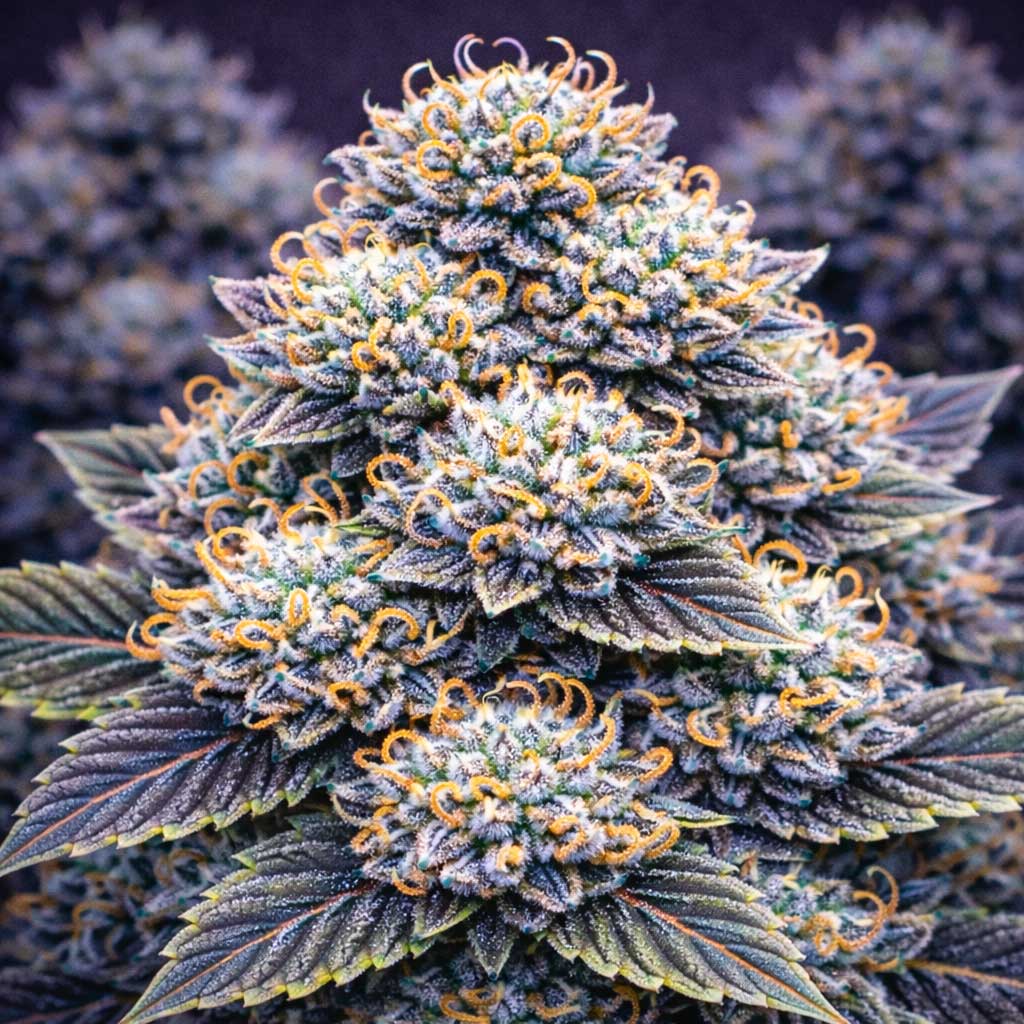
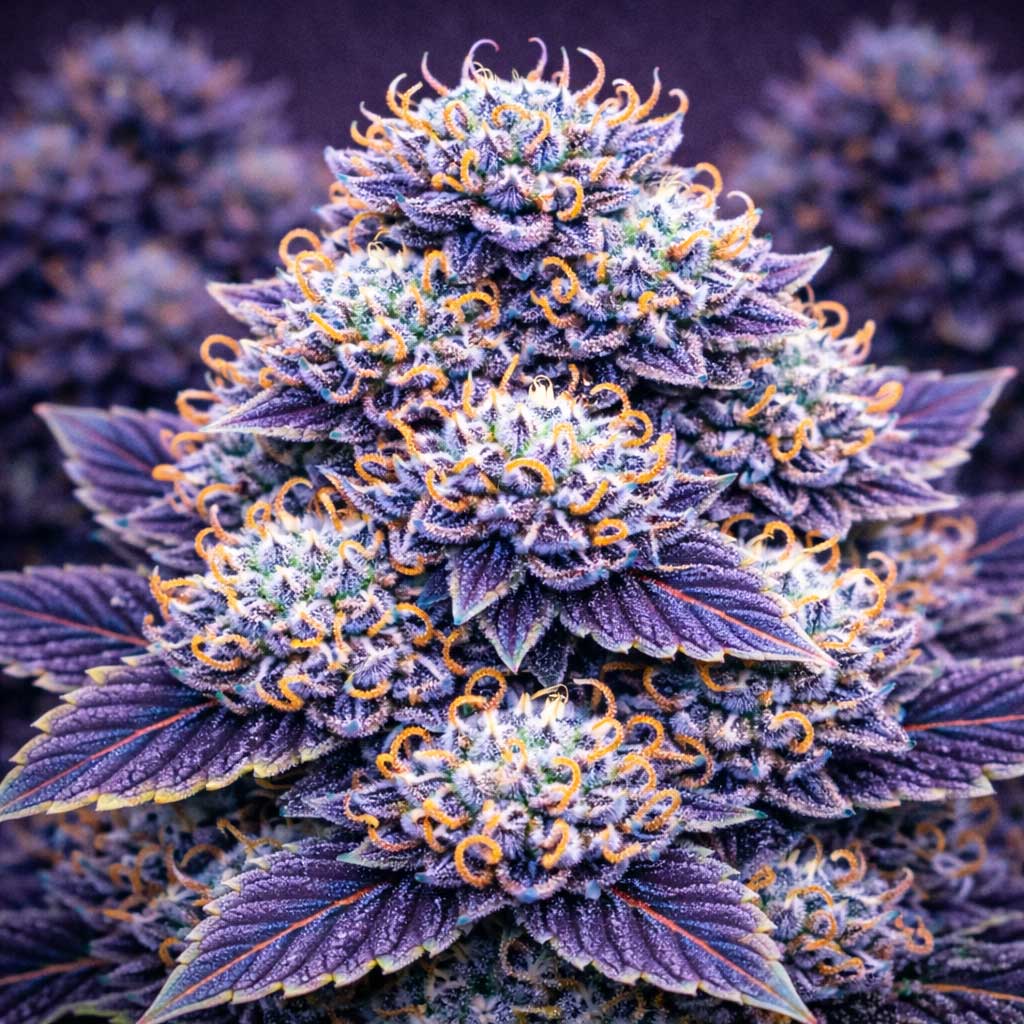
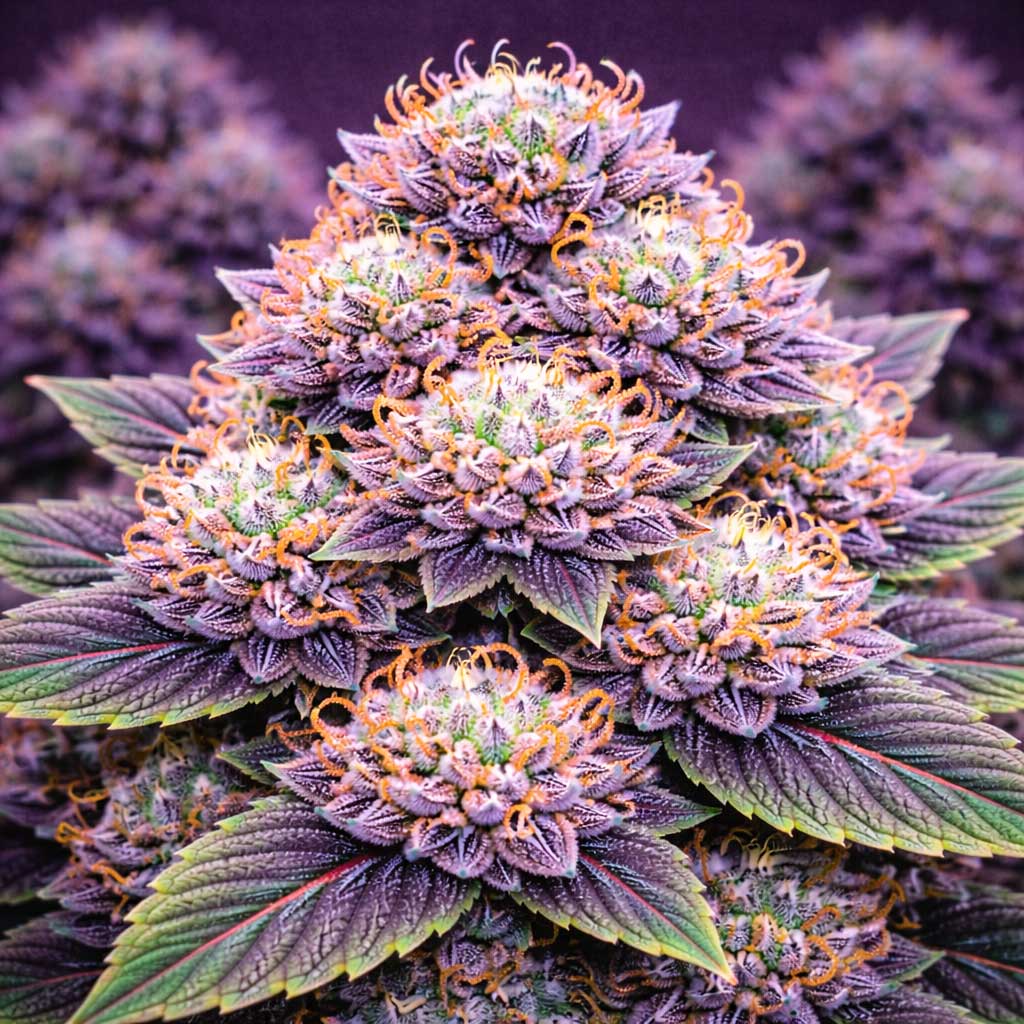
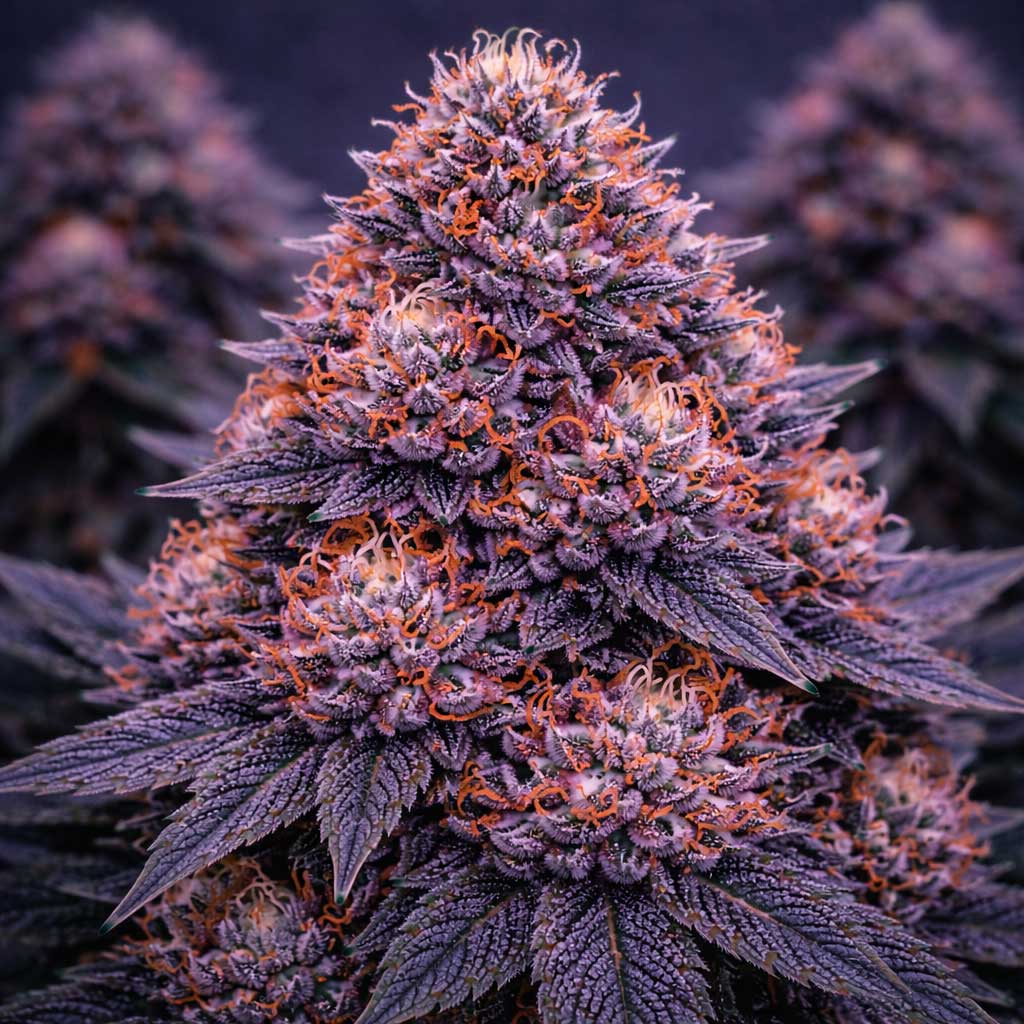
Black Cherry Papaya plants are visually striking, producing dense, blade-shaped flowers that frequently display deep shades of purple, violet, and dark blue. These colors are associated with anthocyanin expression inherited from the Black Cherry Punch parent.
The Papaya lineage contributes substantial resin production and thick trichome coverage, often giving the buds a frosted appearance. Plants typically remain compact with a sturdy frame, making them suitable for indoor cultivation where canopy control and airflow can be optimized.
Appearance
Flowers are typically chunky and dense with strong trichome coverage. Deep purple tones often develop near maturity, contrasted by bright orange pistils and sparkling resin glands. Under cooler nighttime temperatures, some phenotypes can exhibit extremely dark violet hues that appear nearly black.
Effects & Use-Cases (Reported)
- Commonly reported effects: strong body relaxation, tranquil sedation, and increased appetite.
- Use-case context: frequently described as suitable for nighttime or late-evening relaxation after physically demanding activities.
- Note: These descriptions reflect anecdotal observations and do not constitute medical claims. Individual responses may vary.
Aroma & Flavor Profile
- Aroma: overripe cherries, tropical papaya, skunky funk, and spicy earth.
- Flavor: syrupy cherry sweetness on inhale followed by creamy tropical fruit and subtle spice on exhale.
- Terpene associations: Myrcene (dominant), Limonene, Caryophyllene, Linalool.
Tested Cannabinoid & Terpene Ranges
| Compound | Typical Range* | Notes |
|---|---|---|
| Δ⁹-THC | ~20–26% | Produces a strong, long-lasting physical relaxation. |
| CBD | ~0.1–0.8% | Generally minimal. |
| Myrcene | ~0.7–1.2% | Dominant terpene contributing earthy aroma and sedation. |
| Limonene | ~0.3–0.6% | Adds citrus brightness and mood uplift. |
| Caryophyllene | ~0.2–0.5% | Provides spicy and peppery undertones. |
| Linalool | ~0.1–0.3% | Associated with floral aroma and calming effects. |
*Ranges represent literature-informed references and laboratory observations and may vary depending on phenotype, environment, and analytical methods.
Cultivation Notes
- Light Cycle: 18/6 vegetative; 12/12 flowering.
- Humidity Targets: ~50% during vegetative growth; 40–45% during flowering to prevent mold in dense buds.
- Nutrition: Responds well to calcium-magnesium supplementation; heavier feeding during mid-flower.
- Training Techniques: Low-Stress Training (LST) and strategic defoliation improve airflow and light penetration.
- Harvest Window: Late September to early October outdoors (Northern Hemisphere).
Grower Notes (Week-by-Week Snapshot)
- Weeks 1–2: Moderate stretch; plants maintain a compact structure.
- Weeks 3–4: Early resin production begins and fruity aromas emerge.
- Weeks 5–6: Buds develop deeper coloration and dense trichome coverage.
- Weeks 7–9: Ripening phase; leaves may show autumn colors as trichomes mature.
- Post-Harvest: Slow drying and curing preserve the complex berry and tropical terpene profile.
Genetic Lineage
Black Cherry Papaya is created from Black Cherry Punch and Papaya. Black Cherry Punch contributes dark coloration and berry-like sweetness, while the Papaya lineage introduces tropical fruit aromatics and strong resin production valued in solventless extraction.
Research Insights
Research discussions around Black Cherry Papaya often highlight the presence of Linalool alongside high levels of Myrcene. This terpene combination is frequently studied for its potential role in producing calming sensory effects while maintaining a balanced hybrid experience.
Frequently Asked Questions
Is Black Cherry Papaya good for nighttime use?
Many users describe it as suitable for nighttime relaxation due to its Indica-leaning physical effects.
Does Black Cherry Papaya turn purple?
Yes. Under cooler flowering conditions, many phenotypes develop deep purple coloration that can appear nearly black.
How does it compare to Papaya?
While Papaya strains emphasize tropical fruit flavor, Black Cherry Papaya adds tart cherry sweetness and deeper berry notes.
Is Black Cherry Papaya beginner-friendly?
It is generally considered intermediate because dense flowers require careful humidity control to prevent mold.
Educational Disclaimer: This page is provided strictly for scientific and horticultural reference. Cannabis cultivation, possession, and use are regulated by local laws. This content does not promote illegal activity or constitute medical advice. Always comply with regulations in your jurisdiction.