Animal Mints (Cannabis Strain)
Animal Mints is a highly regarded indica-dominant hybrid cannabis cultivar bred by Seed Junky Genetics and most commonly described as a cross involving Animal Cookies, SinMint Cookies, and Blue Power. It became especially influential in modern breeding because of its extreme frost production, dense flower structure, and rich dessert-fuel aromatic depth. In contemporary cannabis circles, Animal Mints is often recognized as one of the heavier mint-cookie hybrids to emerge from elite West Coast-style breeding.
What separates Animal Mints from many other resin-forward cultivars is the way it combines visual intensity with a layered, darker sensory profile. Rather than offering only sweetness, it brings together dough, mint, pine, spice, and a lingering gassy edge, creating a more complex expression than simpler candy-leaning dessert strains. Its strong parental value, high potency reputation, and unmistakable trichome coverage have helped make Animal Mints an important reference point in modern hybrid development. The information below is provided strictly for scientific and botanical reference.
Quick Facts
| Attribute | Detail |
|---|---|
| Genetics | Animal Cookies × (SinMint Cookies × Blue Power) |
| Variety | Indica-Dominant Hybrid (approx. 80% Indica / 20% Sativa) |
| Flowering Time | 9–10 weeks (63–70 days) |
| Yield Potential | Moderate to High (dense, hard-finished flowers) |
| Plant Height | Medium to Tall; lanky with wider internodal spacing |
| Climate Preference | Mediterranean / Controlled Indoor |
| Difficulty | Advanced (requires feeding and canopy management) |
Scientific & Botanical Overview
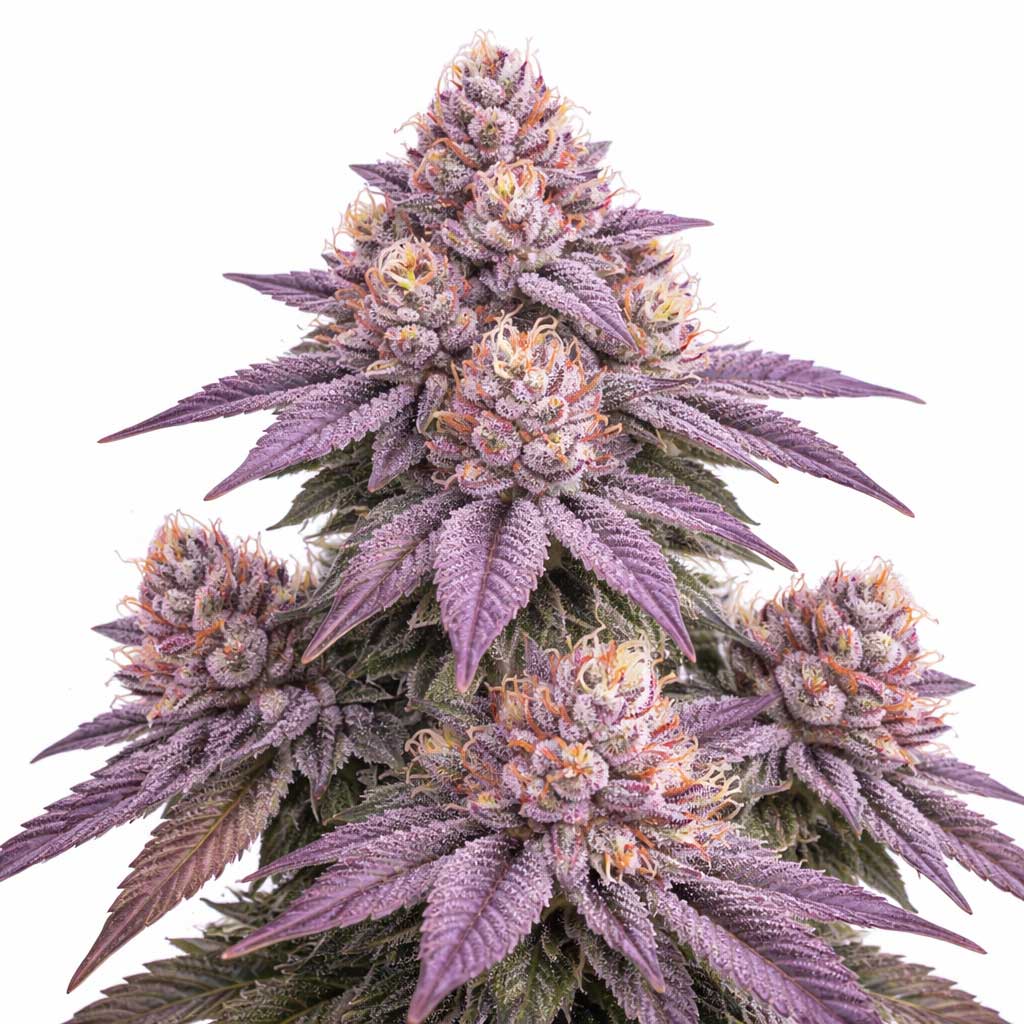
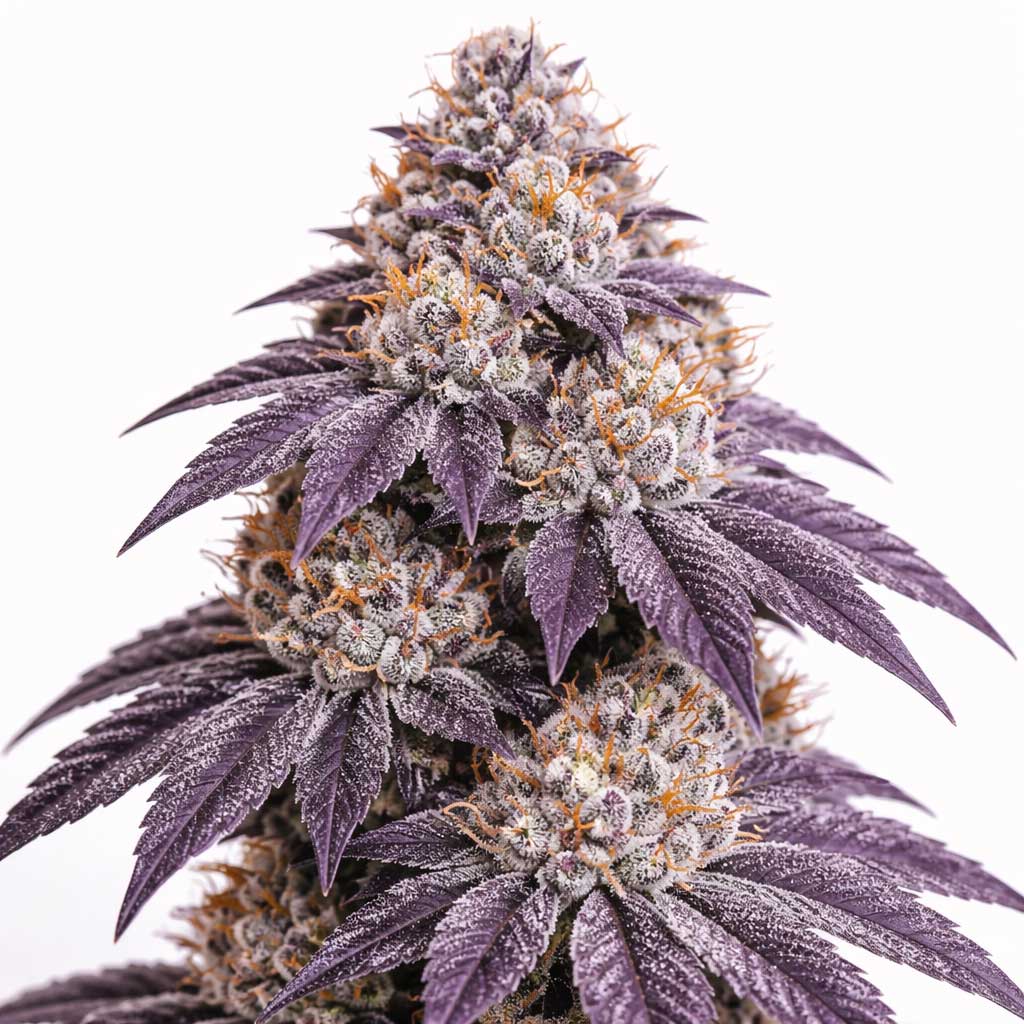
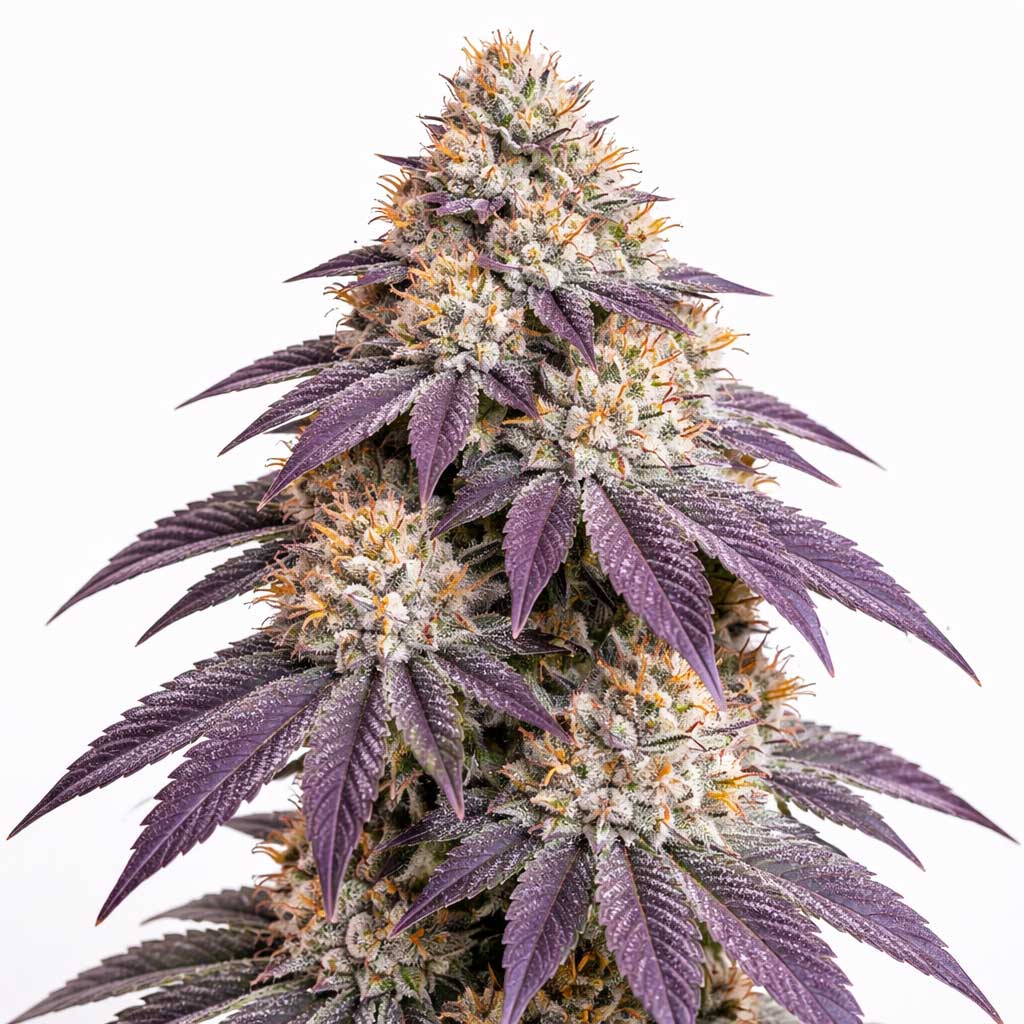
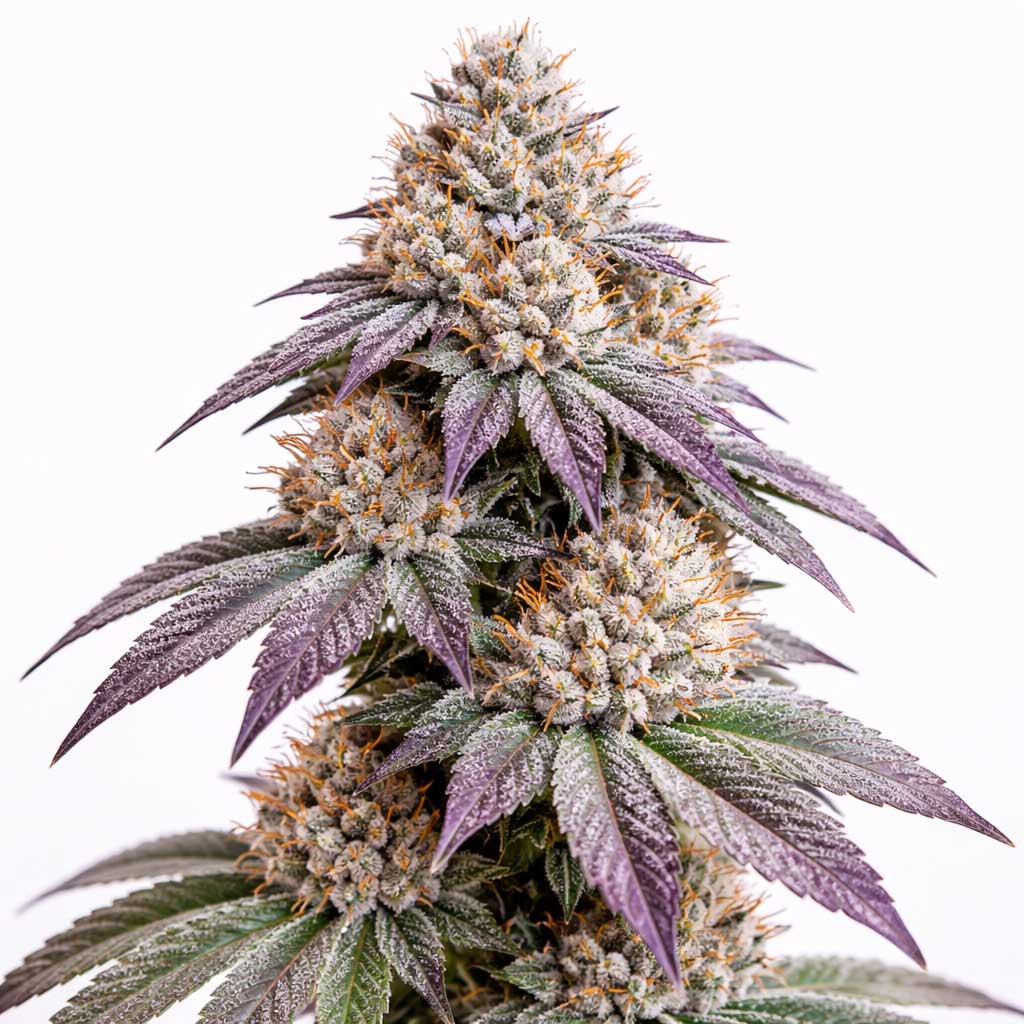
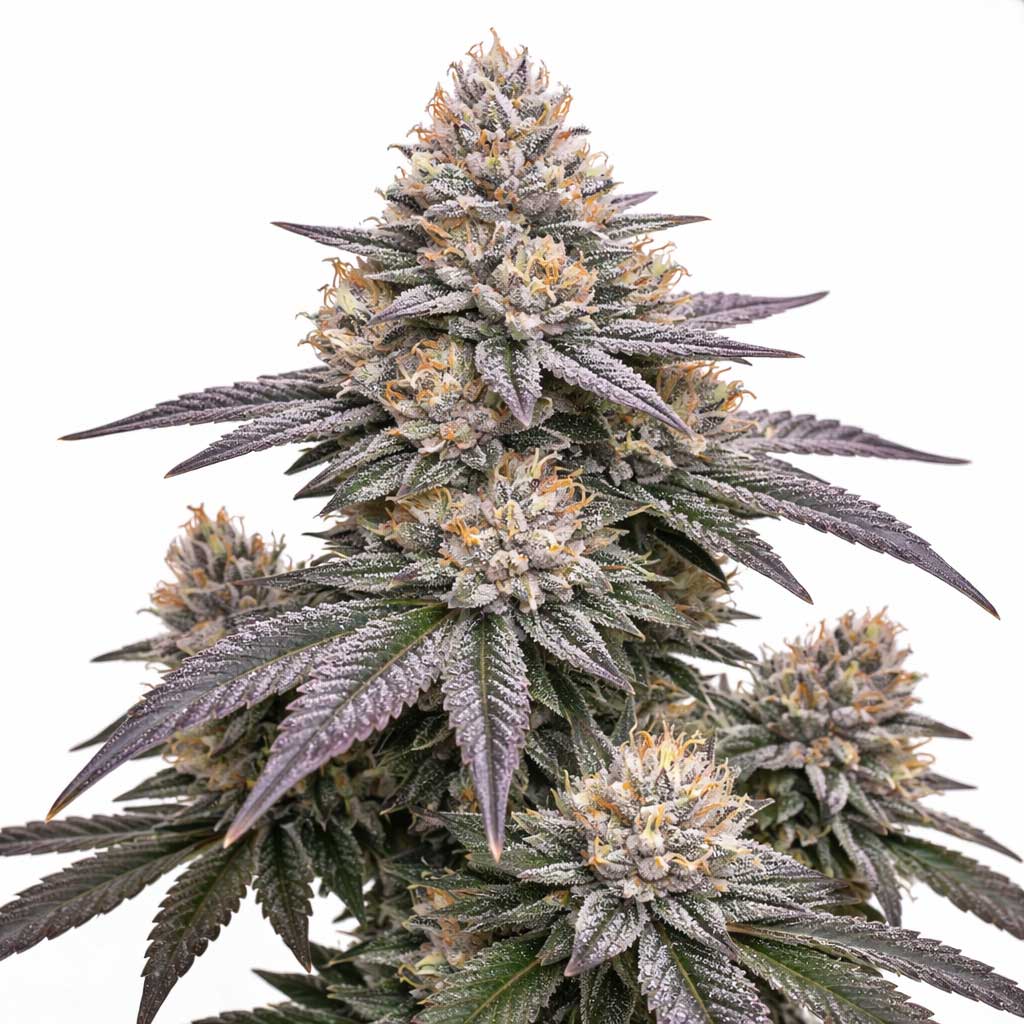
Animal Mints is best known for its remarkable trichome density. Finished flowers are often medium-sized but notably compact, with dark green to purple-toned coloration sitting beneath a thick silver-white resin layer. In strong expressions, the surface frost becomes so dense that the flower appears dusted or caked rather than merely coated, giving the cultivar an especially cold, abrasive-looking finish.
From a structural standpoint, Animal Mints often shows a more elongated, vine-like growth habit than shorter, bushier cookie derivatives. Branching can be lanky, internodal spacing may be more open, and plants generally benefit from early support and pruning to improve light distribution through the canopy. When managed well, however, the cultivar rewards growers with dense, resin-rich flowers that show strong boutique-level finish quality.
This combination of stretch, resin output, and hard bud formation helps explain why Animal Mints became such a valuable breeding parent. It contributes not only frost and density, but also a distinct creamy-gas mint identity that continues to influence later high-end hybrids.
Effects & Use-Cases (Reported)
Commonly reported effects: a heavy cerebral onset, strong body settling, immersive relaxation, and a deeply weighted finish that many users describe as stony and full-bodied.
Use-case context: Animal Mints is most often associated with nighttime use, end-of-day downtime, quiet indoor settings, and other situations where a heavier, slower, and more physically grounded expression is preferred.
Note: These observations are anecdotal reports and should not be interpreted as medical claims.
Aroma & Flavors
Aroma: Sweet dough, earthy pine, sharp herbal mint, and a lingering diesel-like funk that becomes more pronounced when the flower is broken apart.
Flavor: The inhale is often described as creamy and vanilla-leaning with cool mint freshness, while the exhale shifts toward nutty cookie dough, savory spice, and a faintly gassy finish.
Terpene associations: Beta-Caryophyllene, Limonene, Myrcene, and Linalool.
Tested Cannabinoid & Terpene Ranges
| Compound | Typical Range* | Notes |
|---|---|---|
| Δ9-THC | ~25%–32% | Often reported in a very high-potency modern hybrid range |
| CBG | ~1% | Sometimes noted in profiles contributing to the cultivar’s heavier overall impression |
| Beta-Caryophyllene | ~0.8%–1.4% | Supports the spicy depth and heavier body-focused character |
| Limonene | ~0.5%–0.9% | Adds brightness and lifts the sweeter doughy top notes |
| Myrcene | ~0.4%–0.7% | Adds herbal density and reinforces the cultivar’s heavier finish |
*Ranges are based on breeder-informed and lab-reported references and may vary by phenotype, cultivation environment, harvest timing, and analytical method.
Cultivation Notes
- Light Cycle: 18/6 during vegetative growth and 12/12 during flowering.
- Humidity Targets: Around 40%–45% RH in late flower, with strong airflow recommended due to extreme bud density.
- Nutrition: Heavier feeder than many simpler cookie hybrids, often benefiting from stable calcium and magnesium support.
- Training: SCROG is commonly recommended. Strategic defoliation and branch support can improve airflow and help manage the cultivar’s lankier structure.
- Harvest Window: Late October outdoors in the Northern Hemisphere, depending on environment and phenotype.
Grower Notes (Week-by-Week Snapshot)
- Weeks 1–3 (Transition): Plants often stretch noticeably and benefit from early structure control to keep the canopy even and supported.
- Weeks 4–6: Flower sites begin tightening, resin production increases quickly, and the plant’s mint-cookie character becomes more pronounced.
- Weeks 7–9: Buds harden significantly, frost thickens across the surface, and the cultivar develops its signature dense, silvery finish.
- Post-Harvest: A careful dry and cure are commonly recommended to preserve mint, dough, and fuel complexity without flattening the aroma.
Genetic Lineage
Animal Mints is commonly described as Animal Cookies × (SinMint Cookies × Blue Power). Animal Cookies, often linked to GSC × Fire OG, contributes strong potency, earthy cookie depth, and heavier body influence. SinMint Cookies, another cookie-derived line, reinforces the minty sweetness and frosted structure, while Blue Power contributes additional resin, stability, and depth to the final expression.
This layered background helps explain why Animal Mints feels more stacked and complex than many simpler dessert hybrids. It pulls from multiple resin-heavy, cookie-centered lines to produce a cultivar known for dense flowers, cold-looking frost, and creamy-gassy mint character.
Research Insights
Animal Mints is often discussed in cultivar and terpene-profile conversations as a strong example of a resin-forward hybrid shaped by prominent Beta-Caryophyllene, supported by Limonene, Myrcene, and in some selections Linalool. This combination is frequently used to explain why the cultivar is often described as physically weighty, sensorially immersive, and slower in overall expression.
From a breeding standpoint, Animal Mints remains important because of how effectively it passes along hard flower structure, intense resin coverage, and creamy gas-dessert aromatics to its offspring. That influence is a major reason it became a valuable parent in later premium hybrid lines.
Frequently Asked Questions
Is Animal Mints an indica or sativa?
Animal Mints is generally classified as an indica-dominant hybrid, most commonly described around an 80/20 indica-to-sativa ratio.
Does Animal Mints really taste minty?
Many users report a more herbal, doughy, and gassy mint character rather than a simple candy-peppermint flavor.
Is Animal Mints suitable for inexperienced consumers?
Because it is often described as highly potent and deeply sedating, it is usually considered better suited to experienced users or lower starting amounts.
Why is Animal Mints important in breeding?
It is widely valued for contributing resin density, hard-finished buds, and a creamy mint-gas aromatic profile to later hybrid lines.
Educational Disclaimer
This page is provided for scientific and horticultural reference only and does not constitute medical or promotional advice. Cannabis cultivation, possession, and use are regulated by local laws. Always comply with applicable legislation in your region.