Agent Orange (Cannabis Strain) — Strainpedia
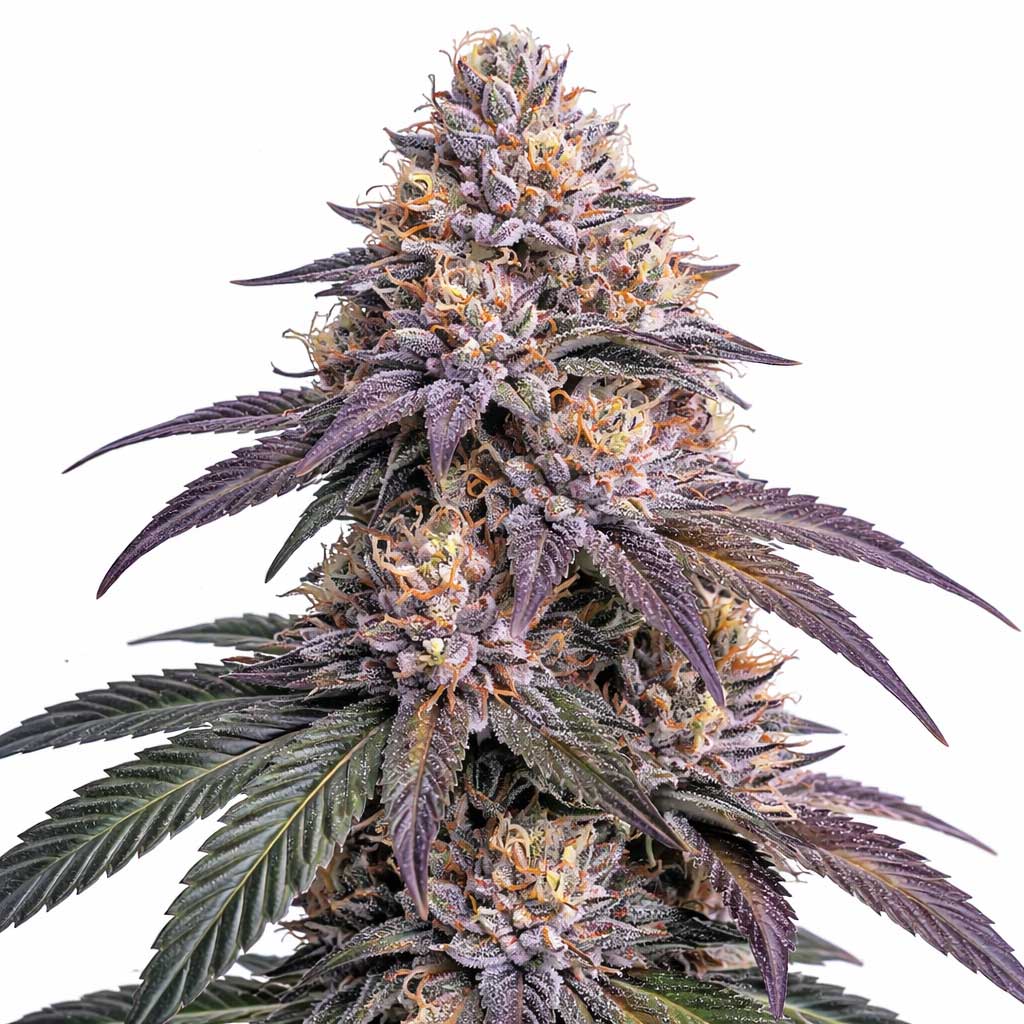
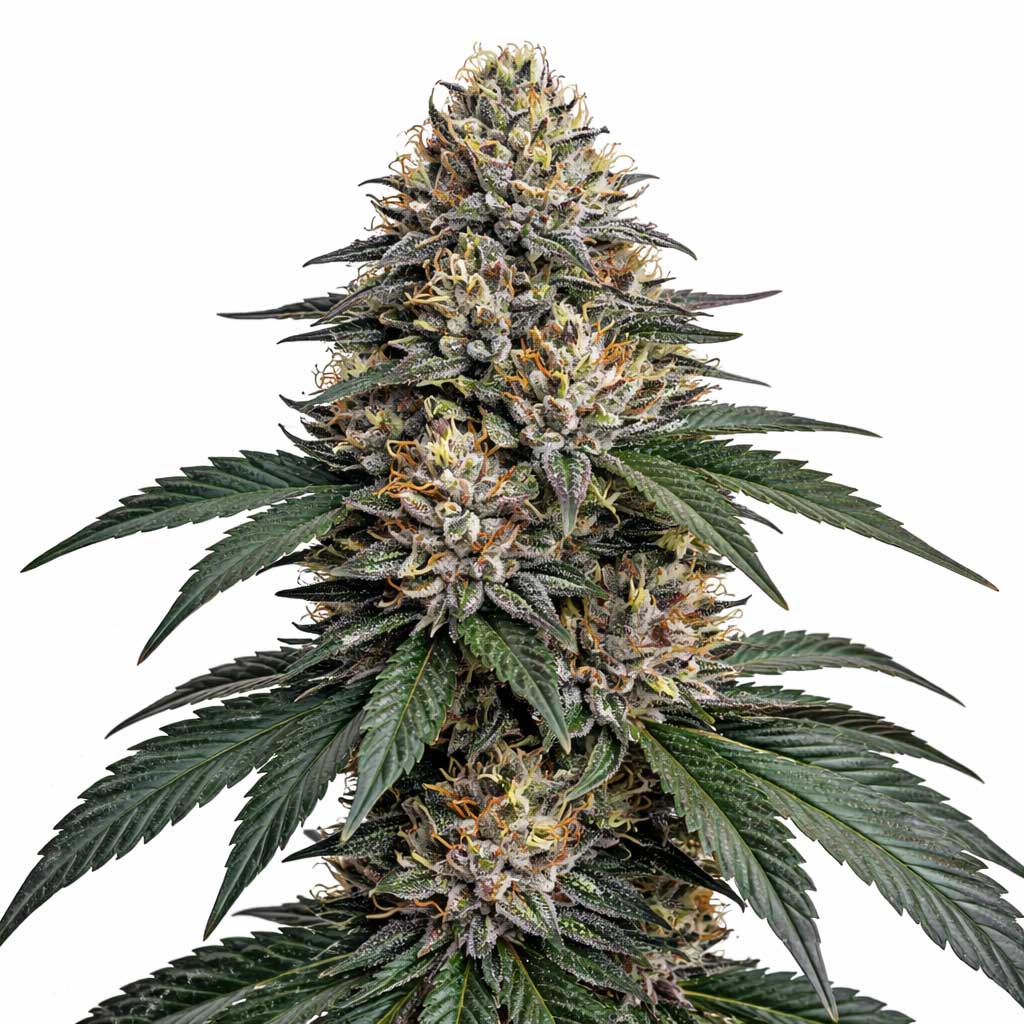
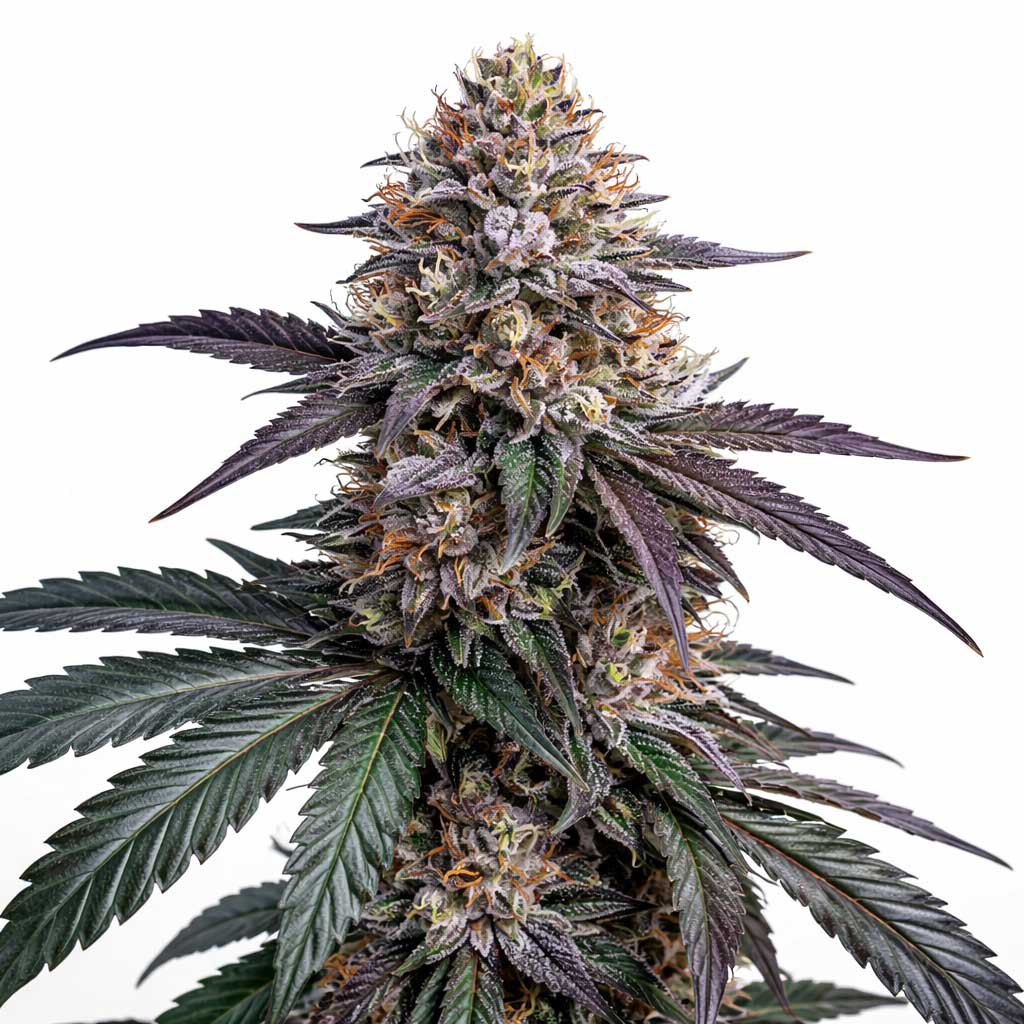
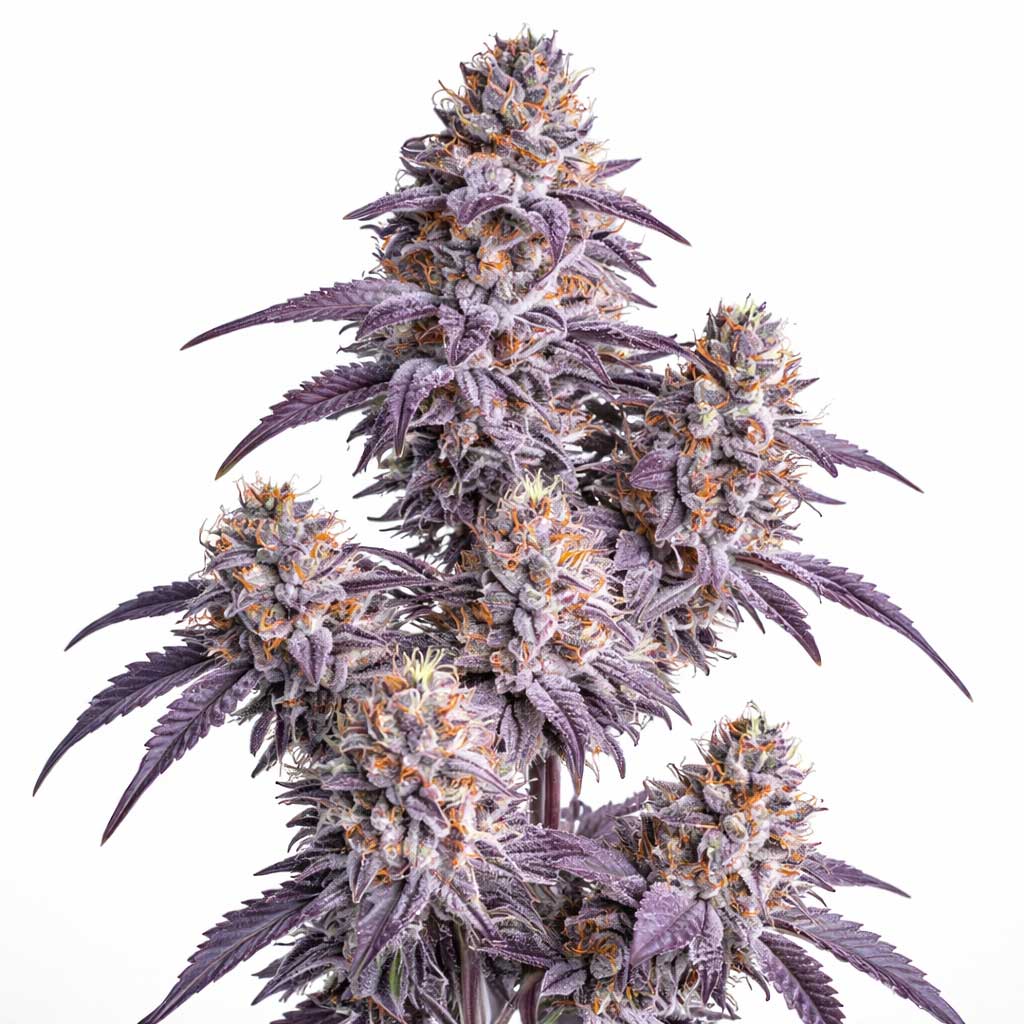
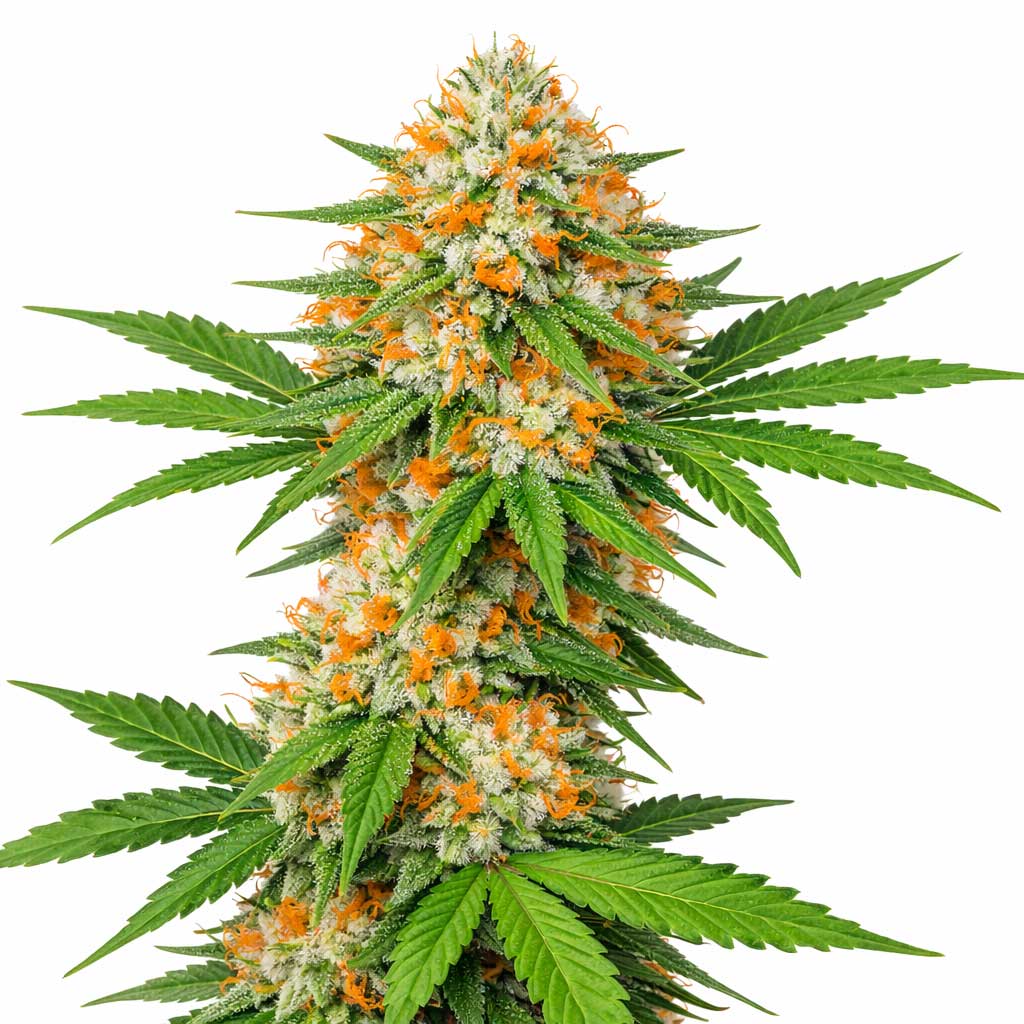
Agent Orange is a widely recognized Sativa-Dominant Hybrid cannabis cultivar most commonly described as a cross between Orange Velvet x Jack the Ripper. It is closely associated with MzJill Genetics and TGA Subcool, and is known for its sharp citrus aroma, energetic head effect, and vigorous branch-driven growth pattern. In cultivation reference, Agent Orange is often valued as a bright, expressive hybrid that combines strong orange-forward terpenes with active stretch and a productive, resinous flower set. The information below is intended strictly for scientific and botanical reference.
Quick Facts
| Field | Details |
|---|---|
| Genetic Lineage | Orange Velvet x Jack the Ripper |
| Cultivar Type | Sativa-Dominant Hybrid |
| Breeder Association | MzJill Genetics / TGA Subcool |
| Reported Genetic Ratio | Often described as balanced to mildly sativa-leaning, depending on source and cut |
| Flowering Duration | Approximately 8–9 weeks indoors |
| Yield Class | Moderate-to-high output cultivar under dialed-in indoor or outdoor conditions |
| Plant Structure | Medium to tall with active vertical growth, lateral branching, and moderate stretch in early flower |
| Canopy Behavior | Responds well to topping, light structural training, trellising, and branch support through flower set |
| Environmental Preference | Warm, stable conditions with strong airflow and enough headroom to manage sativa-leaning expansion |
| Grower Difficulty | Intermediate; best results come from growers who can manage stretch and preserve top-end citrus expression through finish |
Scientific & Botanical Overview
Agent Orange typically expresses a vigorous hybrid frame with elongated branching, moderate internodal spacing, and a flower structure that benefits from support as bud weight develops. The cultivar is often described as producing resin-rich flowers with bright pistils and a fresh, orange-forward nose that intensifies late in bloom. While not as long-flowering as many classic tropical-leaning lines, it still tends to show enough stretch during transition to reward active canopy shaping and even light distribution.
Effects & Use-Cases (Reported)
- Commonly reported effects: uplifting, energetic, mood-brightening, mentally active, and creatively engaging.
- Use-case context: often discussed as a daytime or early-session cultivar for users seeking a lively cerebral profile rather than a sedating finish.
- Note: These are observational reports, not medical claims; outcomes are not guaranteed.
Aroma & Flavors
- Aroma: bright orange zest, sweet citrus, herbal sharpness, and a lightly spiced, fresh-cut background.
- Flavor: tangerine-like on entry, followed by sweet orange peel, light herbal spice, and a clean citrus finish.
- Terpene associations: public descriptions commonly suggest citrus-forward terpene expression, often explained through limonene-leaning brightness with supporting herbal and spicy depth.
Tested Cannabinoid & Terpene Ranges
| Analyte | Reported Range / Status* | Grower-Relevant Interpretation |
|---|---|---|
| Δ⁹-THC | Commonly reported in a moderate-to-high potency range; exact public figures vary by cut and source | Suggests solid potency potential when plants are taken to full maturity and post-harvest handling preserves volatile citrus notes. |
| CBD | Low / Trace | Typically minor in concentration and not a defining chemotype feature of this cultivar. |
| Limonene | Not consistently standardized across public sources | Likely contributes to the cultivar’s bright orange-citrus lift and its clean, expressive aromatic top end. |
| Caryophyllene / Pinene | Not consistently standardized across public sources | May help explain the light spice, herbal edge, and structural depth beneath the citrus-forward profile. |
| Dominant Sensory Profile | Orange-Zest-Sweet-Herbal | Best expressed through a clean late-flower environment, careful drying, and curing that preserve brightness without flattening the sweet citrus layer. |
*Reported values are approximate reference points and may vary by phenotype, root-zone vigor, feed intensity, environmental control, harvest timing, drying conditions, cure quality, and laboratory methodology.
Cultivation Notes
- Photoperiod: 18/6 vegetative; 12/12 flowering
- Humidity Management: around 40–50% during flower with steady airflow through branching interiors.
- Nutritional Approach: vigorous plants generally respond well to a balanced feed program during transition and early flower without pushing excessive late nitrogen.
- Training Strategy: topping, light SCROG, branch spreading, and support staking help manage stretch and improve light penetration.
- Finishing Window: approximately 8–9 weeks indoors, with some cuts finishing closer to the 63-day range.
Grower Notes (Week-by-Week Snapshot)
- Weeks 1–2 (Transition/Stretch): expect active upward growth and lateral expansion; set structure early and establish support points.
- Weeks 3–4: flower sites stack quickly; maintain canopy uniformity and improve airflow through interior growth.
- Weeks 5–6: resin production increases and orange-forward aroma becomes more defined; monitor branch load and environmental consistency.
- Weeks 7–8: flowers continue swelling; preserve aromatic sharpness with clean finishing conditions and careful irrigation control.
- Week 9: later phenotypes may complete final ripening in this window depending on cut and target finish.
- Post-Harvest: slow drying and a careful cure help retain the cultivar’s sweet-citrus signature rather than muting it into a flatter herbal profile.
Agent Orange can vary somewhat by clone and source line, but growers generally benefit from treating it as a stretch-aware, terpene-driven hybrid rather than a compact finish-only cultivar.
Genetic Lineage
Agent Orange is most commonly identified as a cross between Orange Velvet and Jack the Ripper. That pairing helps explain its bright citrus identity, lively mental profile, and vigorous hybrid growth behavior. Public breeder-facing references also associate the cultivar with MzJill Genetics and TGA Subcool, reinforcing its place as a legacy orange-forward hybrid rather than a newer dessert-style citrus line.
Research Insights
Agent Orange remains notable in strain reference because it represents an earlier generation of citrus-dominant hybrids built around freshness and lift rather than heavy candy sweetness or gas. In breeding terms, it is useful as an example of how orange-forward aromatic lines can be paired with active growth and strong resin output. It also retains cultural significance through breeder commentary connecting the name to a memorial tribute rather than novelty branding alone.
Frequently Asked Questions
Is Agent Orange an indica or sativa?
Agent Orange is generally described as a sativa-dominant hybrid, though some listings present it closer to a balanced hybrid depending on the source.
What does Agent Orange smell and taste like?
It is commonly described as having sweet orange, citrus zest, and light herbal-spice notes.
How long does Agent Orange take to flower?
Agent Orange is commonly placed at about 8–9 weeks indoors.
Is Agent Orange easy to grow?
It is generally better suited to intermediate growers, mainly because its stretch and branch-driven structure benefit from canopy management and support.
What are the typical effects of Agent Orange?
Reported effects usually include uplift, energy, creative engagement, and a bright daytime-style head effect.
Educational Disclaimer: This page is provided for scientific and horticultural reference only and does not constitute medical or promotional advice. Cannabis cultivation, possession, and use are regulated by local laws. Always comply with applicable legislation in your region.
Rate and review this strain
Ratings and reviews are accepted only from signed-in Google accounts.
Sign in with Google to leave a rating and written review.
Latest Reviews
0 reviewsNo reviews yet. Be the first Google user to rate and review this strain.