Afghan Kush Strain — Strainpedia
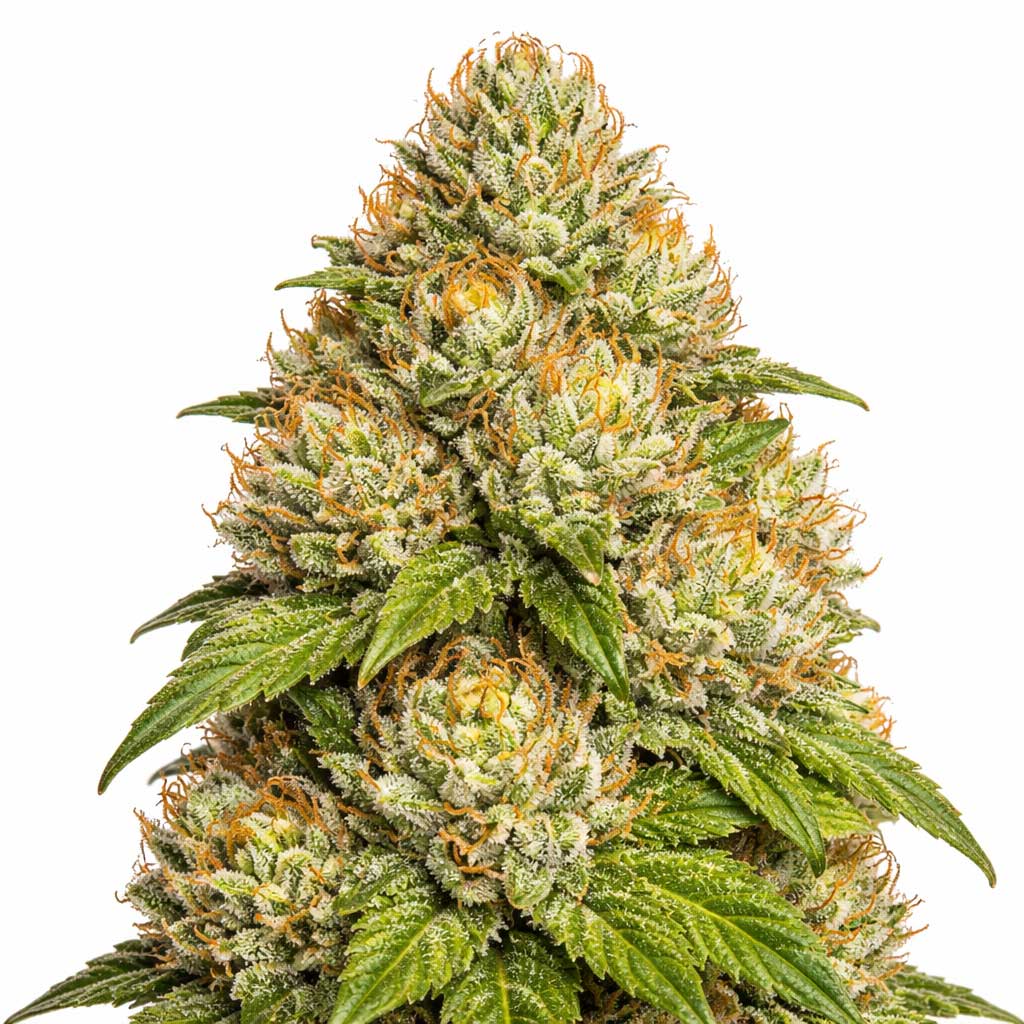
Afghan Kush, also known as Afghani Kush, is a pure indica landrace cannabis strain originating from the Hindu Kush mountain range, known for its dense resin production, compact structure, and deeply grounding physical effects. This Afghan Kush strain guide is provided strictly for scientific, botanical, and horticultural reference.
Quick Facts
| Genetics | Pure Afghani Landrace |
|---|---|
| Variety | 100% Indica |
| Flowering Time | Approximately 49–63 days indoors |
| Yield Potential | High; dense resin-heavy compact buds |
| Plant Height | Short to medium with a compact and sturdy structure |
| Climate Preference | Dry, warm environments with strong temperature resilience |
| Difficulty | Easy (hardy, pest-resistant, and adaptable) |
Scientific & Botanical Overview
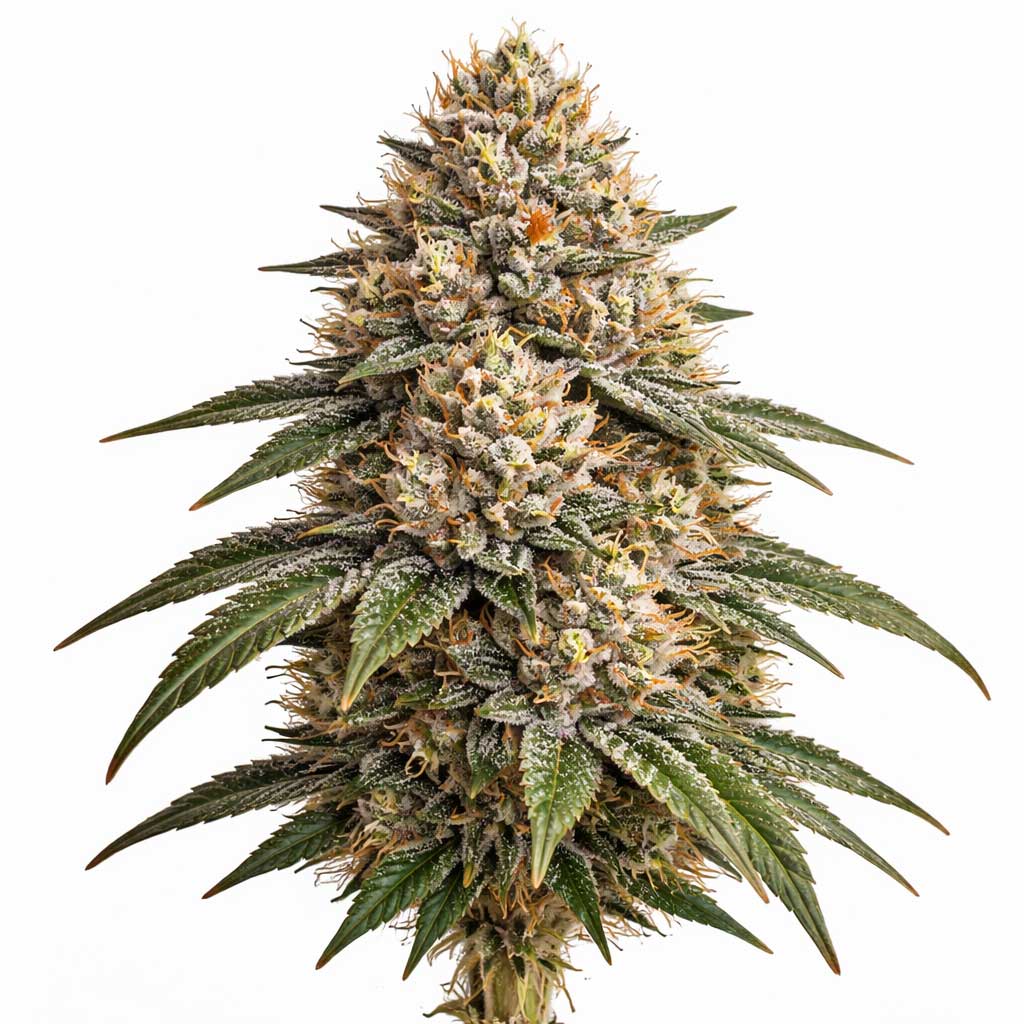
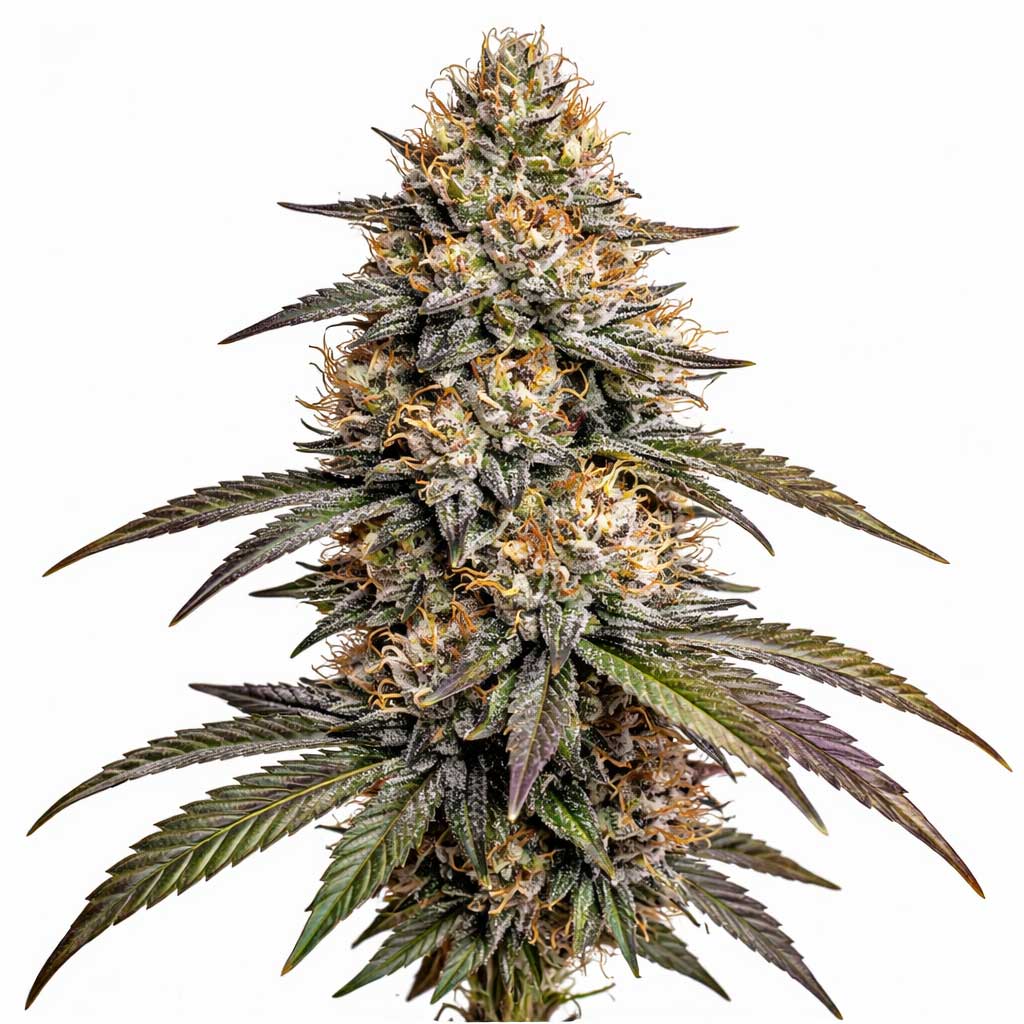
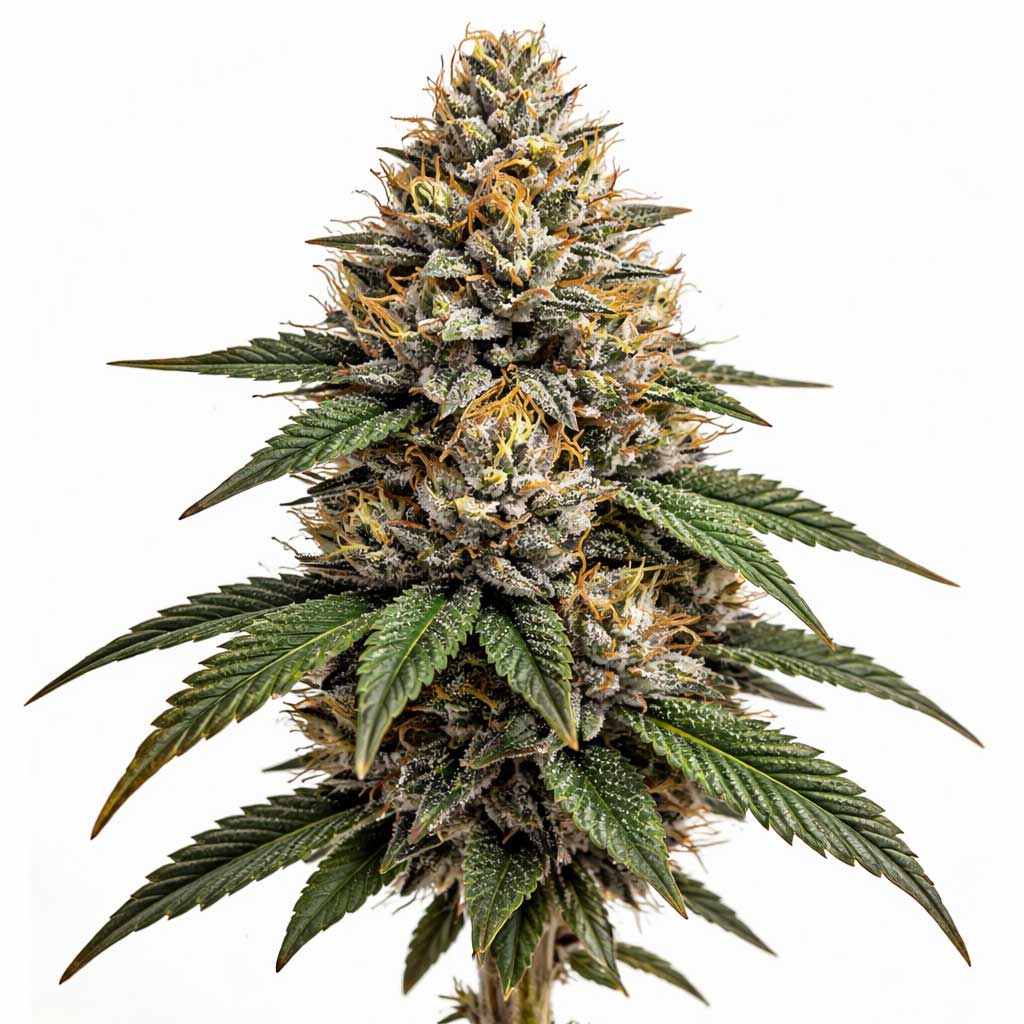
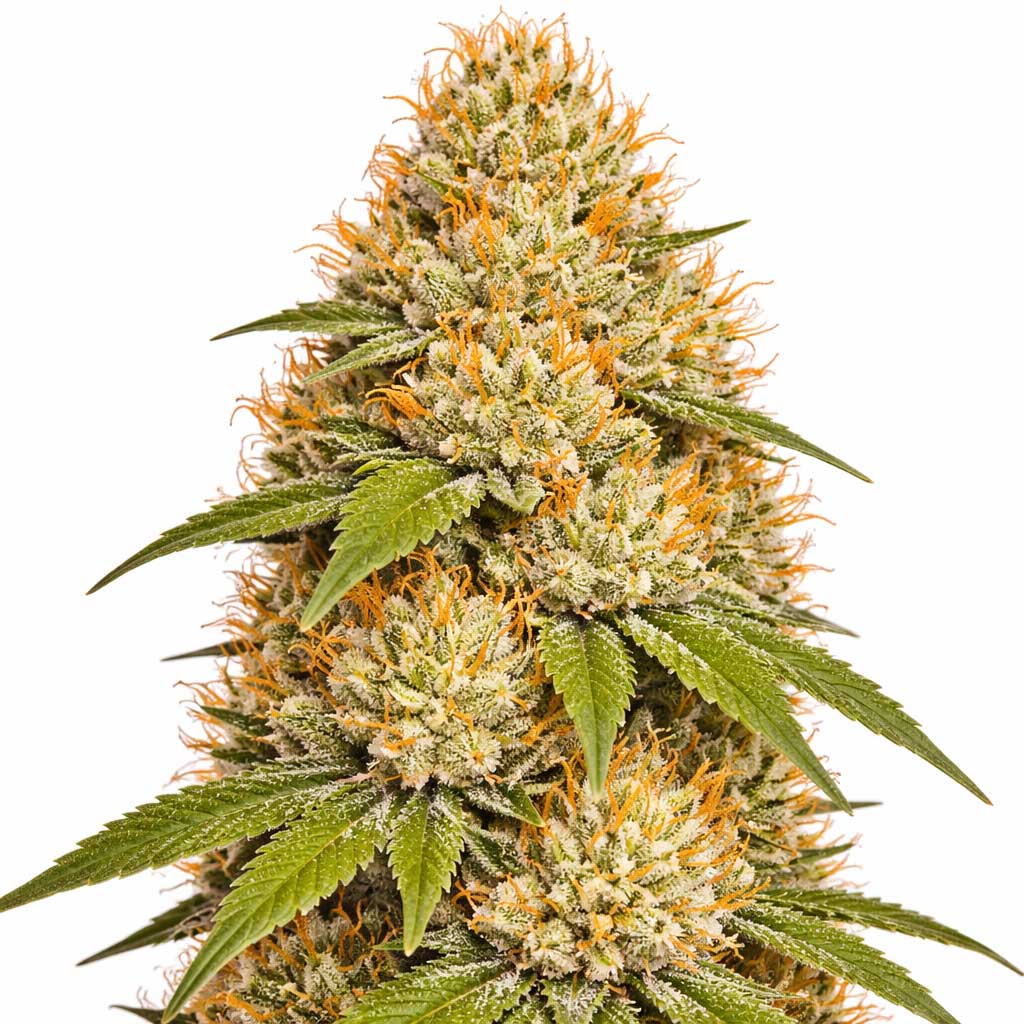
Afghan Kush is widely recognized for its compact, wide-leaf indica structure and exceptional resin output. The plants typically grow low and sturdy, producing thick stems and dense branching that support heavy, tightly packed flowers. Buds are often rounded or slightly blunt-topped, displaying deep green tones with occasional purple hues under cooler finishing conditions.

Botanically, Afghan Kush stands out for its large, greasy trichomes and thick resin layer, traits developed through generations of adaptation to high-altitude climates. In cultivation and breeding discussions, it is often regarded as a foundational Afghan Kush weed strain because of its genetic stability, resin density, and influence on countless modern indica hybrids.
Effects & Use-Cases (Reported)
- Commonly reported effects: heavy body relaxation, deep physical calm, slowed pacing, and a strongly grounding finish.
- Use-case context: often discussed for nighttime use, end-of-day unwinding, or environments where full physical relaxation is preferred.
- Note: These are observational reports, not medical claims; outcomes are not guaranteed.
Among users discussing Afghan Kush strain effects, the cultivar is often associated with a deeply settling body experience that can feel slow, heavy, and immersive. Reported outcomes can vary with dose, phenotype, terpene expression, and individual tolerance.
Aroma & Flavors
- Aroma: earthy musk, spicy hash, sandalwood, pine, and traditional charas-like depth.
- Flavor: smooth earthy sweetness on the inhale followed by peppery, woody, and incense-like notes on the exhale.
- Terpene associations: myrcene, caryophyllene, pinene, and limonene are commonly referenced in descriptions of its classic hash-forward profile.
Tested Cannabinoid & Terpene Ranges
| Compound | Typical Range* | Notes |
|---|---|---|
| Δ⁹-THC | ~18–24% | Potent landrace range with a long-lasting physical effect profile. |
| CBD | ~1% | Often present in small amounts contributing to balance. |
| Myrcene | ~1.0–1.5% | Commonly linked to the musky aroma and heavier body feel. |
| Caryophyllene | ~0.6–0.9% | Adds spicy depth and supports structural aroma complexity. |
| Pinene | ~0.3–0.6% | Introduces a light pine freshness within the heavier base. |
*Potency and terpene values can differ significantly with phenotype, environment, harvest timing, curing practice, and analytical method.
Cultivation Notes
- Environment: performs best in low humidity conditions, especially during late flower
- Humidity Targets: around 30–40% in final weeks to protect dense buds
- Nutrition: resilient but benefits from balanced feeding; organic soil approaches are often favored
- Training: compact by nature but can benefit from low-stress training to widen canopy
- Harvest Window: generally late September to early October outdoors
Grower Notes (Week-by-Week Snapshot)
- Weeks 1–2 (Transition/Stretch): minimal stretch compared to sativa lines; canopy remains compact and manageable.
- Weeks 3–4: dense flower sites begin forming along sturdy branches; airflow should be maintained.
- Weeks 5–6: buds thicken quickly and resin production increases significantly.
- Weeks 7–8: strong aroma develops with earthy and hash-like depth; monitor humidity closely.
- Weeks 8–9: ripening phase; many growers target increased amber trichomes for a heavier finish.
Timelines can vary by phenotype and environment; bud density and trichome maturity are more reliable indicators than calendar estimates alone.
Afghan Kush Strain Review
Afghan Kush is often reviewed as a cornerstone indica valued for its dense resin production, compact structure, and deeply grounding profile. In many Afghan Kush strain review discussions, it is described as a cultivar that stands out for its traditional hash aroma, stability, and consistent heavy-bodied experience.
Genetic Lineage
Afghan Kush is a pure landrace originating from the Hindu Kush region, making it one of the most genetically stable cannabis lines available. It has been used extensively in breeding programs to add density, resin production, and structural strength to hybrids. In general usage, Afghan Kush is recognized as a Afghan Kush marijuana strain built on ancestral genetics that continue to influence modern cannabis breeding worldwide.
Research Insights
In cultivation and profiling discussions, Afghan Kush is frequently referenced as a baseline for studying classic indica characteristics, including resin density, compact growth, and terpene-driven body effects. Its consistency across phenotypes makes it a valuable reference point when comparing newer hybrid lines, particularly those bred for heavier structure and resin output.
Frequently Asked Questions
Is Afghan Kush really 100% indica?
Yes, Afghan Kush is widely considered a pure indica landrace originating from the Hindu Kush mountain region.
Why is Afghan Kush used in so many hybrids?
It is valued for its genetic stability, dense bud structure, and strong resin production, making it a foundational breeding component.
What does Afghan Kush smell like?
Afghan Kush is commonly described as having an earthy, musky, and spicy hash-like aroma with notes of pine and sandalwood.
How long does Afghan Kush take to flower?
Afghan Kush typically flowers in about 7–9 weeks indoors, depending on phenotype and growing conditions.
Is Afghan Kush easy to grow?
Yes, it is generally considered beginner-friendly due to its resilience, compact size, and natural resistance to environmental stress.
What is it known for?
Afghan Kush is known for its dense resin production, compact plant structure, and its role as a foundational indica landrace in cannabis breeding.
Educational Disclaimer: This page is provided for scientific and horticultural reference only and does not constitute medical or promotional advice. Cannabis cultivation, possession, and use are regulated by local laws. Always comply with applicable legislation in your region.
Rate and review this strain
Ratings and reviews are accepted only from signed-in Google accounts.
Sign in with Google to leave a rating and written review.
Latest Reviews
0 reviewsNo reviews yet. Be the first Google user to rate and review this strain.