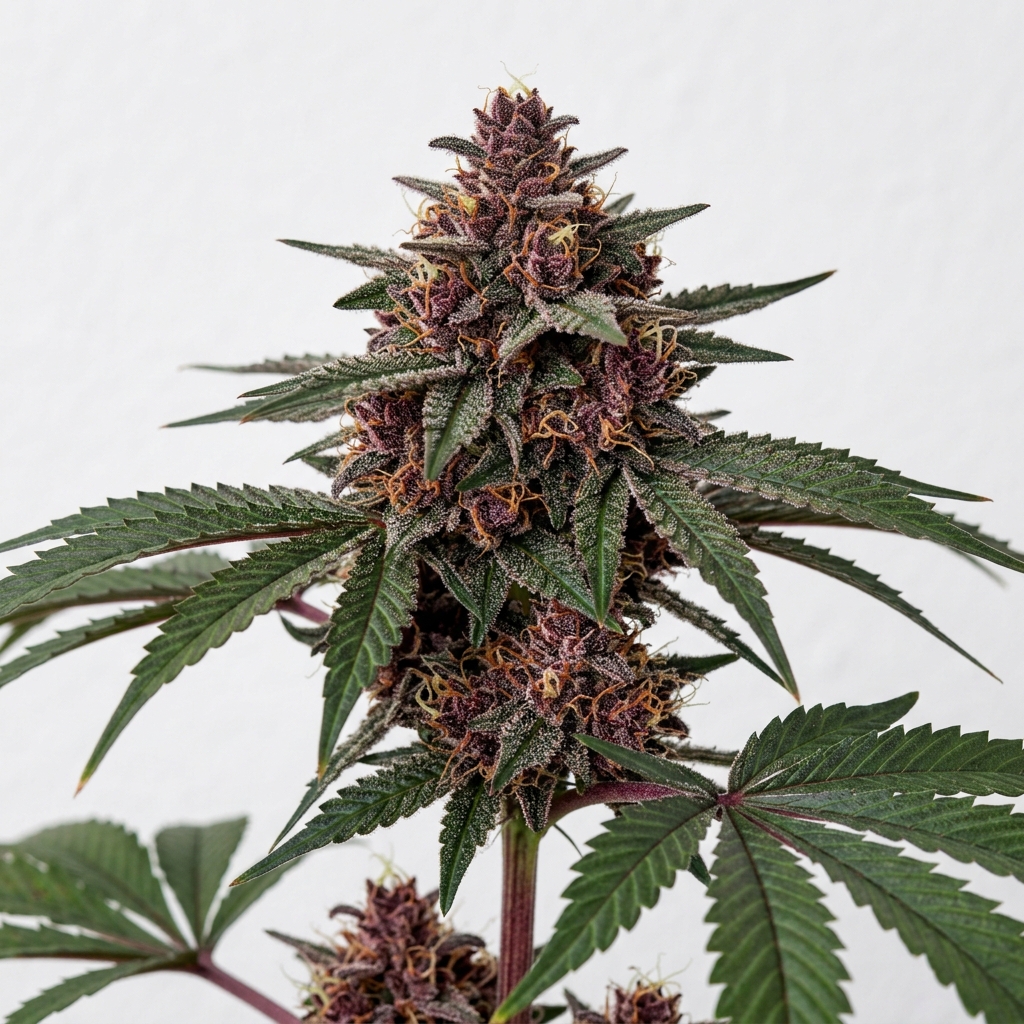
Pakistan Chitral Kush (Cannabis Strain)
Pakistan Chitral Kush is a legendary pure indica landrace originating from the rugged Hindu Kush region, testing between 12% and 18% THC and celebrated for its vibrant purple phenotypes, sweet berry-and-hash aroma, and heavy, extraction-grade resin. This hardy cultivar shows a classic broad-leaf structure with tight internodes, producing dense, glassy buds that make it a cornerstone for hash production and breeding. Its ancestral resilience makes it highly adaptable, thriving where modern hybrids often struggle.
Unlike contemporary polyhybrids, this strain offers deep genetic stability, showing high resistance to mold and temperature drops during late flower. Growers prize its striking color transitions and wet frost, which coat the dark, swollen calyxes as harvest approaches. It remains a highly respected reference cultivar among preservationists and extraction artists alike.
Quick Facts
| Attribute | Details |
|---|---|
| Genetics | Pure Indica Landrace (Chitral, Pakistan) |
| Variety | 100% Indica |
| THC Range | 12% – 18% |
| Flowering Time | 8 – 9 Weeks |
| Yield Potential | Moderate |
| Plant Height | Short to Medium |
| Climate Preference | Cool, dry climates; highly versatile |
| Difficulty | Easy to Moderate |
Scientific & Botanical Overview
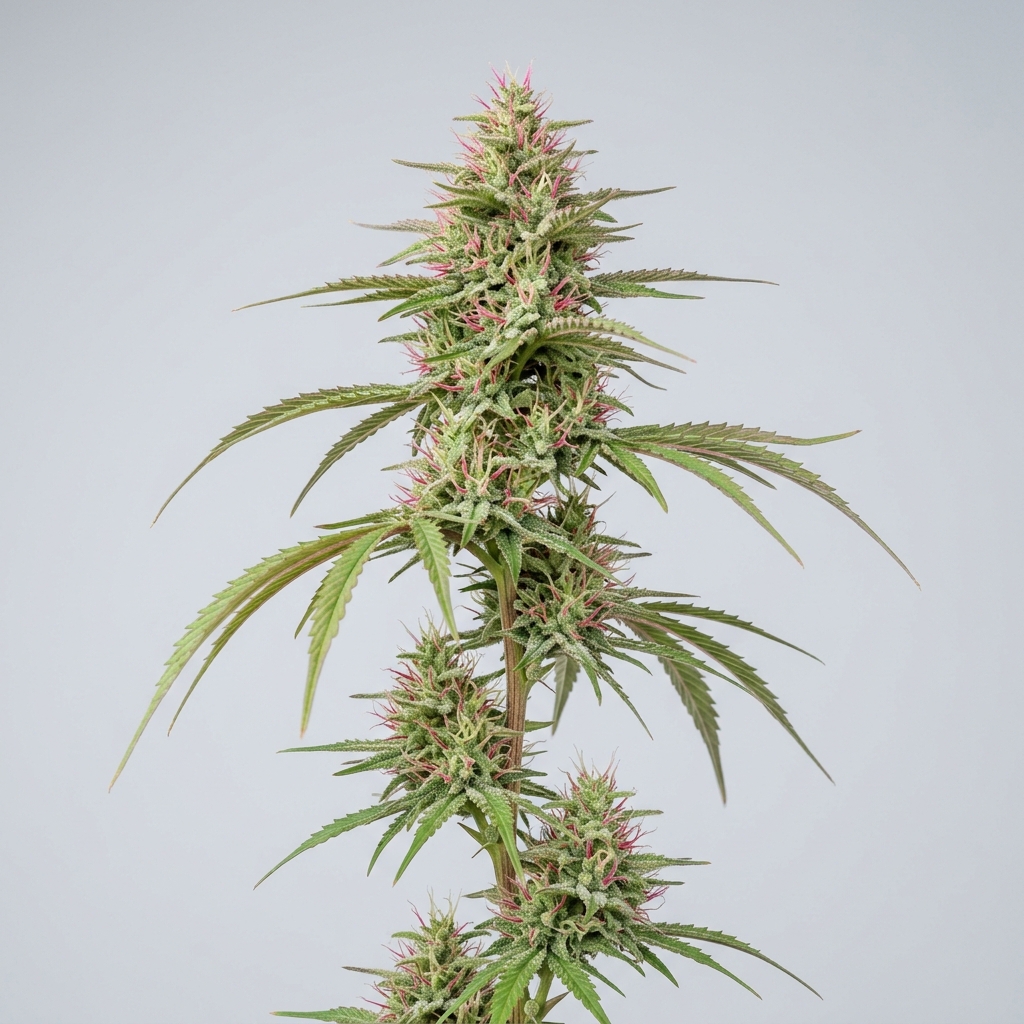
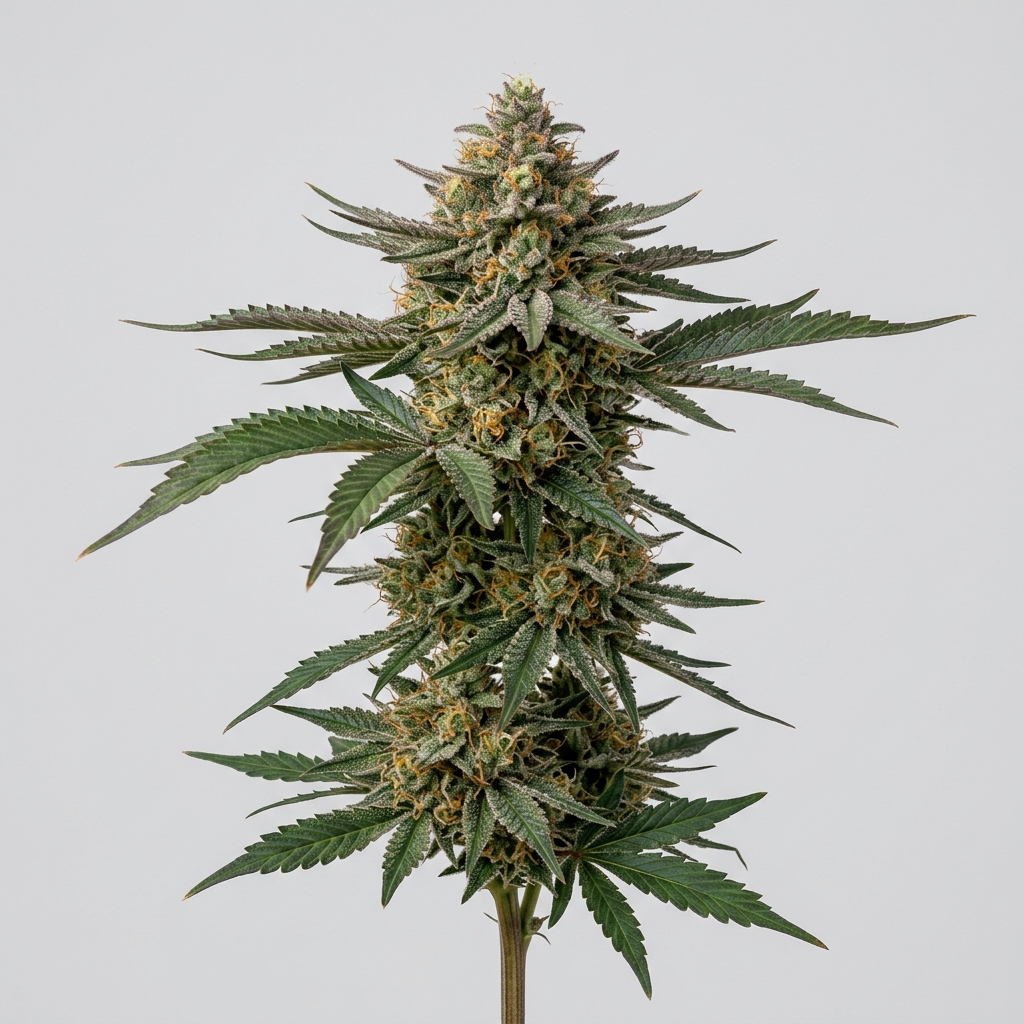
Pakistan Chitral Kush is a true landrace preserved and stabilized over generations, displaying two distinct phenotypes: a classic green variant and a highly sought-after purple variant. The purple phenotype shifts from deep violet to ruby red as night temperatures drop, driven by high concentrations of water-soluble anthocyanin pigments. This natural adaptation helps the plant absorb light more efficiently in high-altitude environments.
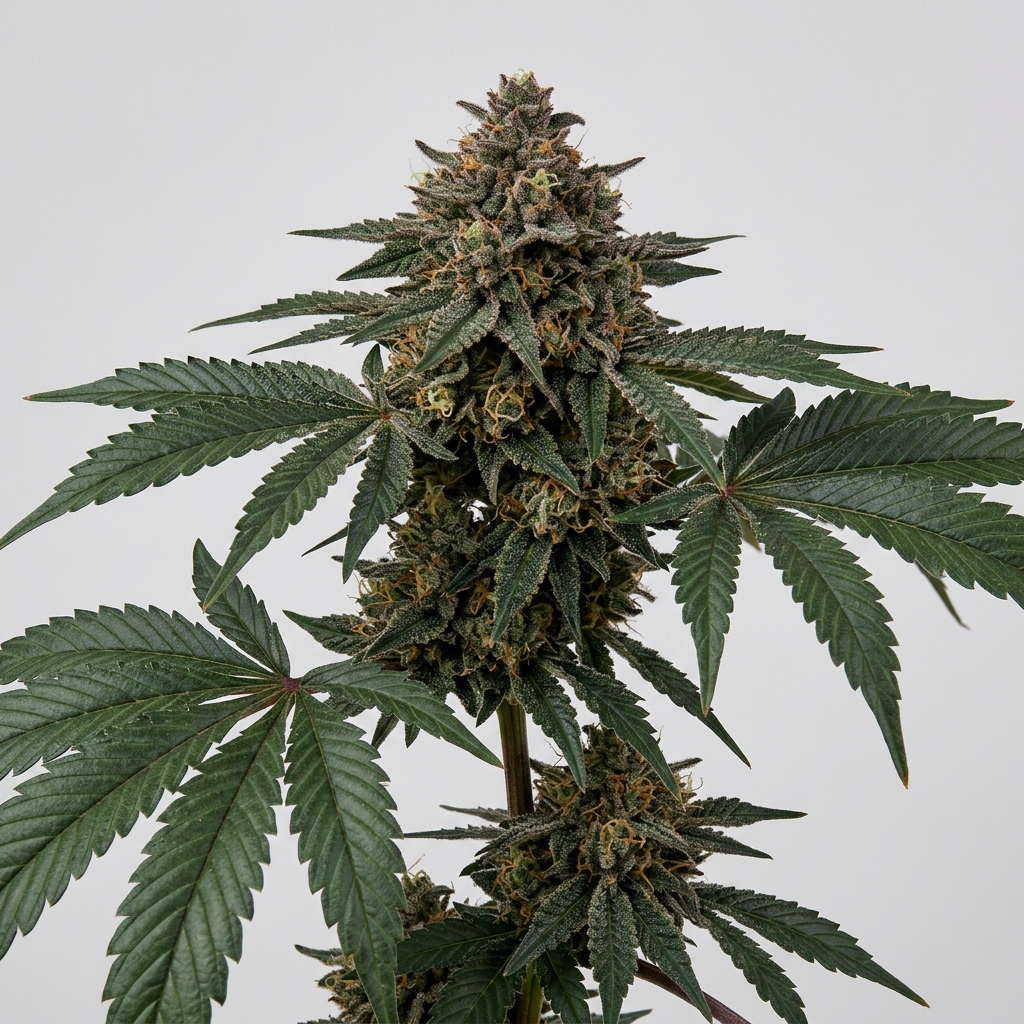
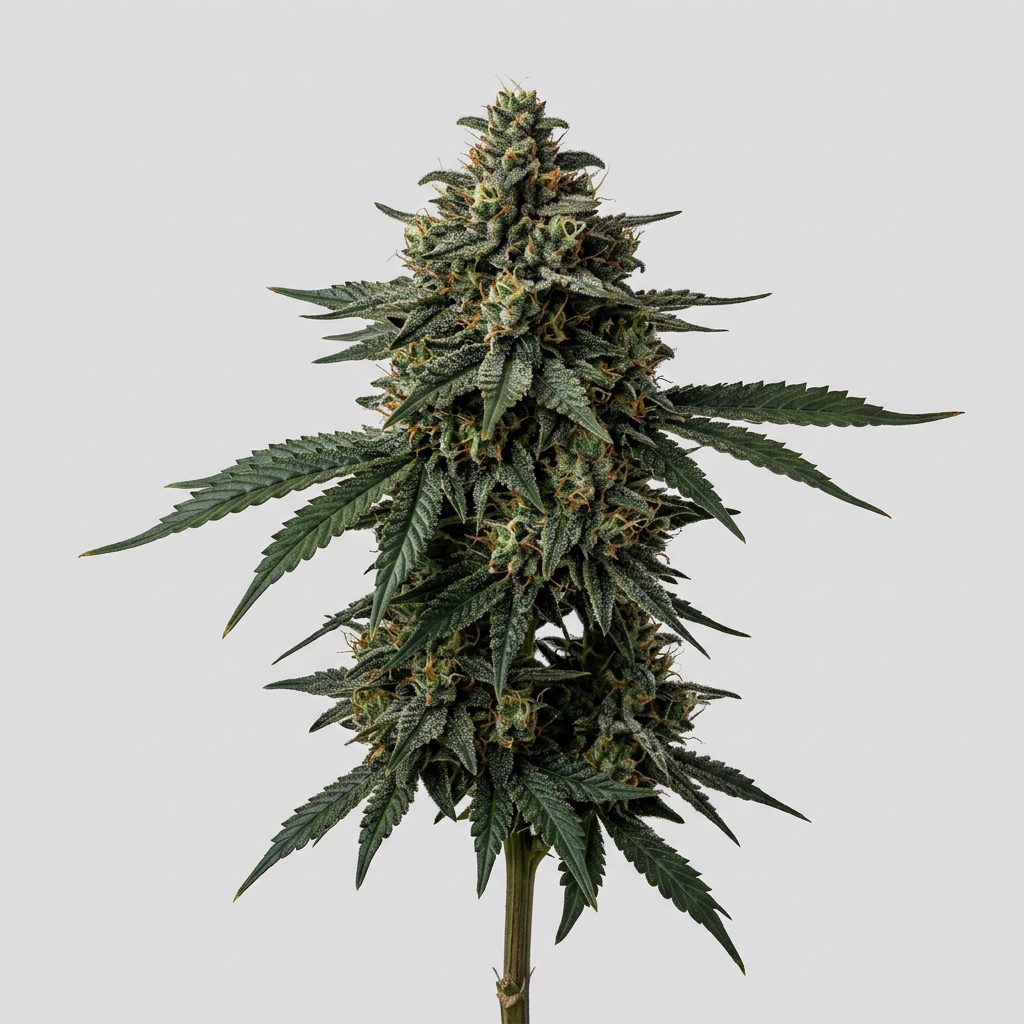
The vegetative structure is compact, characterized by thick stems, broad fan leaves, and short internodal spacing. This sturdy frame supports dense, resin-rich flowers without requiring extensive physical support, making it highly adaptable to both indoor setups and harsh outdoor environments. The plant naturally grows in a bushy, columnar shape with minimal lateral stretch.
Its glandular trichomes develop early in the flowering cycle, producing a greasy resin layer that protects the plant from UV radiation and pests. This heavy resin coverage makes the dried flowers exceptionally sticky and highly valued for traditional concentrate processing. The physical density of the bracts keeps the interior microclimate protected, though late-flower humidity must be monitored.
Effects & Use-Cases (Reported)
Commonly reported effects include a calming physical relaxation, mild cerebral clarity, and a gentle soothing sensation that does not typically result in heavy sedation. Users often note a steady, grounded physical release that allows for functional relaxation without the overwhelming couch-lock associated with modern indica hybrids. It provides a steady, mellow experience that tapers off cleanly.
Use-case context suggests this cultivar is best suited for late afternoon or evening wind-down sessions. Its moderate potency and clean offset make it an ideal choice for unwinding after physical activity or supporting a quiet, meditative headspace. The lack of intense physical drag allows users to remain engaged while enjoying physical ease.
Note: Individual experiences may vary depending on dosage, tolerance, and phenotype expression.
Aroma & Flavors
Aroma: A dominant base of earthy kush and damp soil, layered with a distinct dark berry edge and sweet, fermented fruit. Flavor: The palate is defined by a sweet hashish taste, followed by a tart gas and subtle pine finish on the exhale. Terpene associations: Typically high in myrcene, pinene, and caryophyllene, which drive its classic herbal and woody profile.
Tested Cannabinoid & Terpene Ranges
| Compound | Typical Range |
|---|---|
| Δ9-THC | 12.0% – 18.0% |
| CBD | <1.0% |
| Myrcene | 0.4% – 0.8% |
| Pinene | 0.2% – 0.5% |
| Caryophyllene | 0.1% – 0.3% |
Values are literature-informed averages based on stabilized selections. Actual compound distribution is phenotype-dependent and highly influenced by curing methods.
Cultivation Notes
- Humidity: Maintain moderate humidity during vegetative growth, reducing to 40-45% during late-flower to prevent moisture buildup in the dense bracts.
- Nutrition: Responds well to a moderate nutrient regimen; avoid over-feeding nitrogen during early flower to prevent leaf clawing.
- Training: Minimal training is required due to its naturally bushy habit, though selective defoliation improves light penetration to lower spear colas.
- Harvest: Look for a shift from clear to milky white trichomes, usually accompanied by a deep purple color saturation in the calyxes.
- Phenotype management: Keep night temperatures slightly cooler (around 60-65°F) in the final two weeks to encourage the expression of deep red and violet hues.
Grower Notes (Week-by-Week Snapshot)
- Weeks 1–3 (Vegetative & Early Stretch): Plants show a controlled stretch with tight internodes and thick, broad fan leaves. Focus on building a strong root system and establishing clean airflow through the lower canopy.
- Weeks 4–6 (Mid-Flower & Resin Onset): Flowers begin to cluster into dense, round buttons. Wet frost starts appearing early on the sugar leaves, and the purple phenotypes will begin showing light violet streaks on the calyx margins.
- Weeks 7–9 (Late-Flower & Ripening): Resin production peaks, giving the buds a greasy, wet appearance. Maintain low humidity, monitor trichome maturity, and initiate a clean flush to preserve the clean, dark berry terpene clarity.
- Post-Harvest (Slow Dry & Cure): Execute a slow dry at 60°F and 60% relative humidity for 10–14 days. A patient cure in glass jars preserves the delicate sweet hash and berry aromas.
Genetic Lineage
Pakistan Chitral Kush is an heirloom landrace cultivar sourced directly from the Chitral district of the Hindu Kush mountain range in Pakistan. It has been preserved and stabilized over decades by specialized breeders, most notably Cannabiogen and Ace Seeds, who focused on maintaining its pure, unhybridized genetic integrity. This preservation work ensures that the strain retains its original wild characteristics and robust immune system.
Because it has not been crossed with modern commercial hybrids, it serves as an invaluable breeding tool. Breeders frequently use PCK to introduce vibrant purple coloration, robust mold resistance, and classic hash-plant resin traits into modern genetic lines without compromising structural stability.
Research Insights
Scientific observation of landrace populations highlights the high concentration of anthocyanins in Pakistan Chitral Kush. These pigments not only provide the striking purple and red color variations but also serve as natural protectants against cold stress and intense UV light in its native high-altitude habitat. This genetic adaptability makes it a subject of interest for climate-resilient agricultural breeding.
Analytical testing shows a balanced, moderate cannabinoid profile paired with a rich terpene profile dominated by myrcene and pinene. This specific chemical arrangement contributes to its functional physical effects and clean, non-sedating offset, contrasting with the high-THC profiles of selective modern breeding. The presence of these compounds suggests a highly preserved evolutionary defense mechanism.
Frequently Asked Questions
Is Pakistan Chitral Kush a pure indica?
Yes, Pakistan Chitral Kush is a 100% pure indica landrace originating from the Hindu Kush region of Pakistan, preserved without hybridization.
Does Pakistan Chitral Kush always turn purple?
No, this strain produces two main phenotypes: a green phenotype and a highly sought-after purple phenotype that displays deep violet and ruby tones, especially when exposed to cooler night temperatures.
What does Pakistan Chitral Kush smell like?
It features a complex aroma of earthy kush and sweet hash, layered with a distinct dark berry edge and a subtle pine finish.
Is this strain easy to grow?
Yes, its natural resistance to cold temperatures, pests, and mold makes it a highly resilient and forgiving cultivar for growers of all experience levels.
Educational Disclaimer
This content is for educational and informational purposes only. Cultivation and consumption of cannabis are subject to local laws and regulations. Always consult with local guidelines before initiating any cultivation practices.
Rate and review this strain
Ratings and reviews are accepted only from signed-in Google accounts.
Sign in with Google to leave a rating and written review.
Latest Reviews
0 reviewsNo reviews yet. Be the first Google user to rate and review this strain.