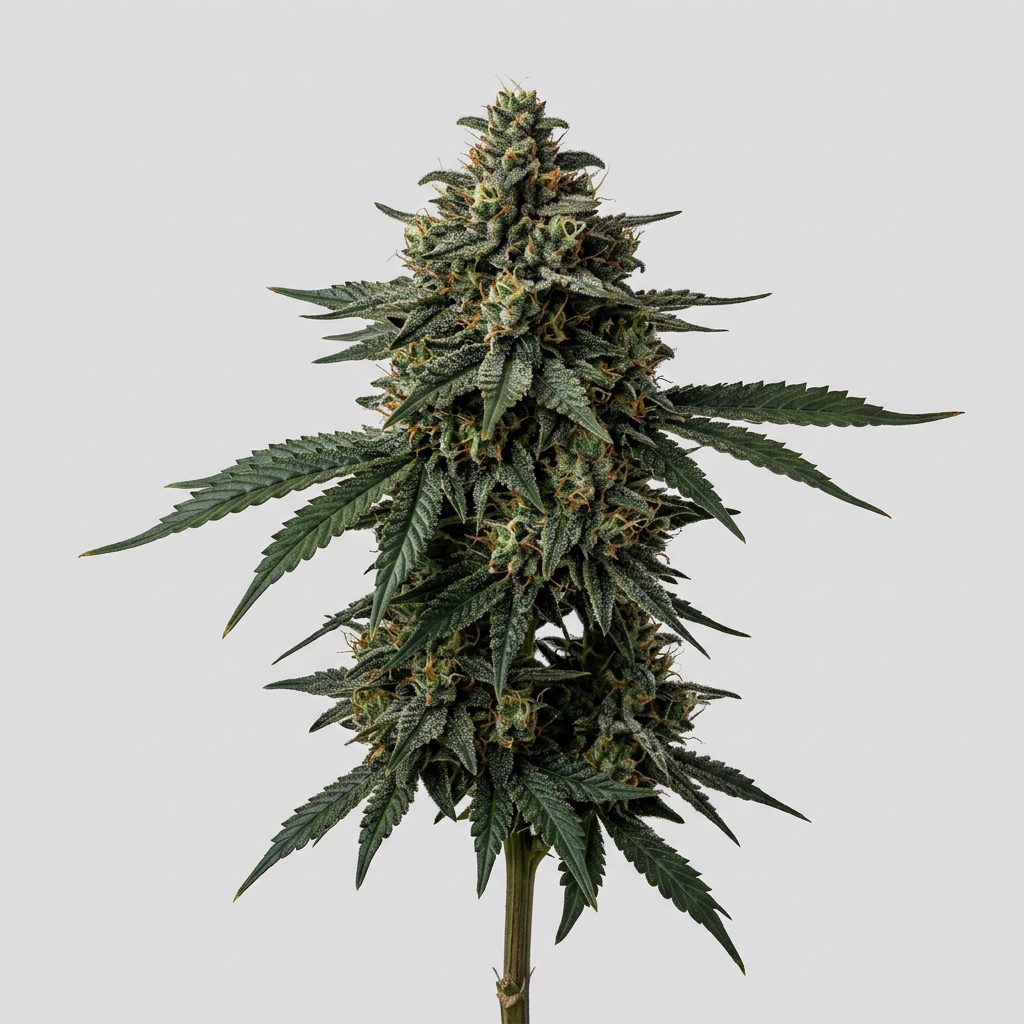
Taskenti (Cannabis Strain)
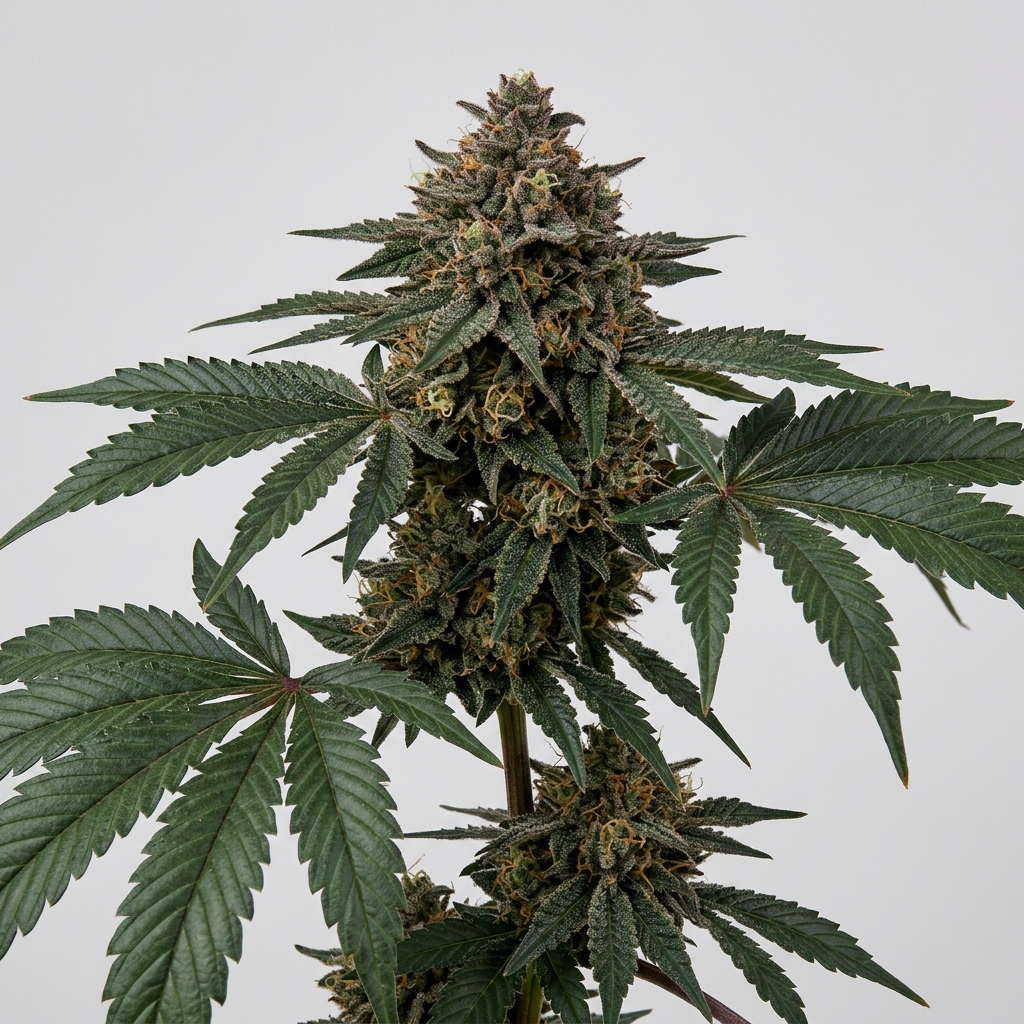
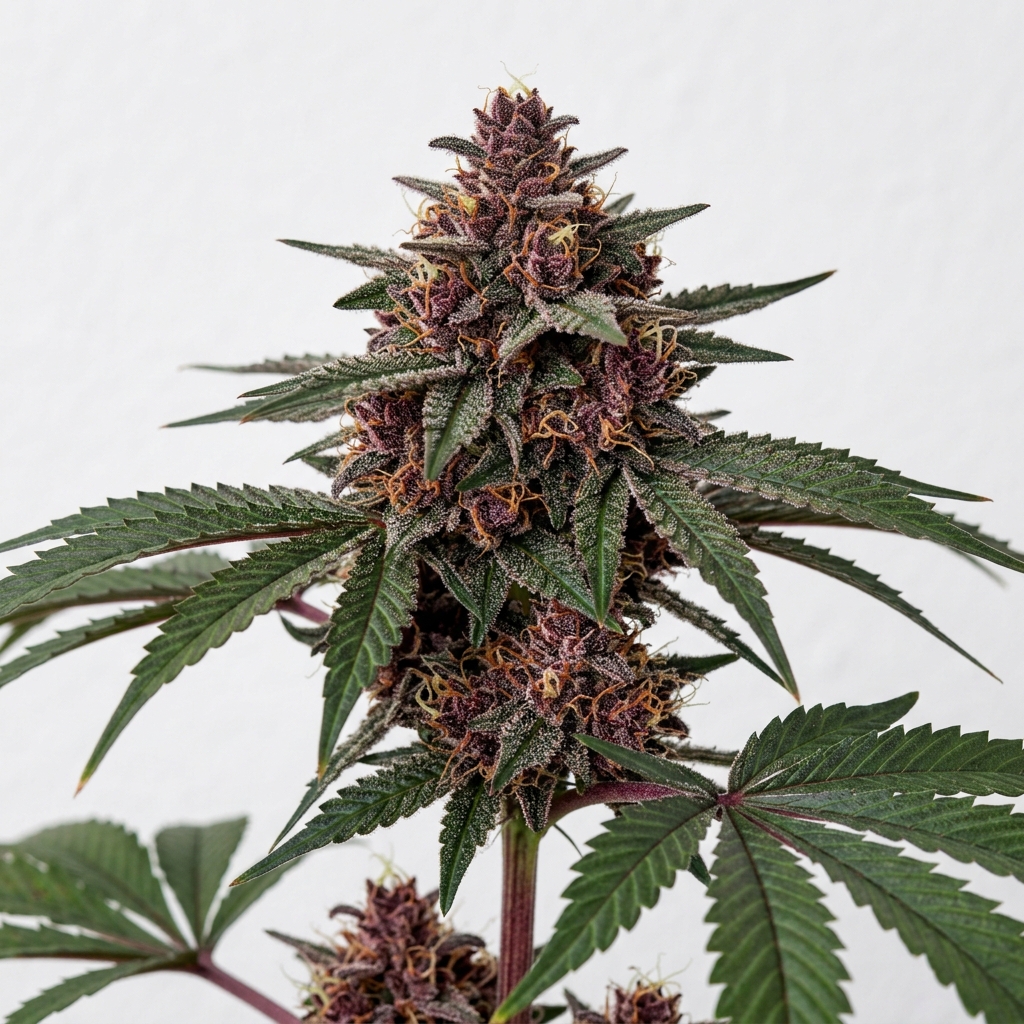
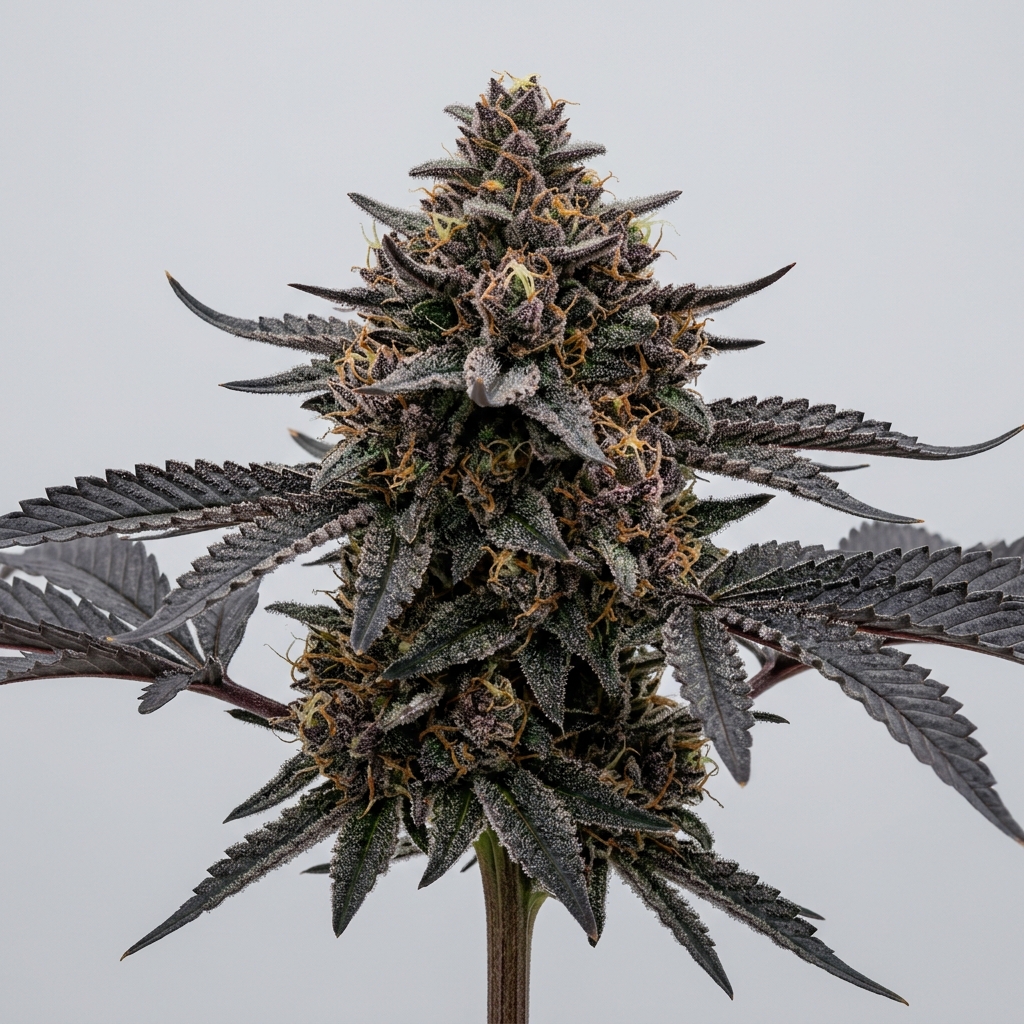
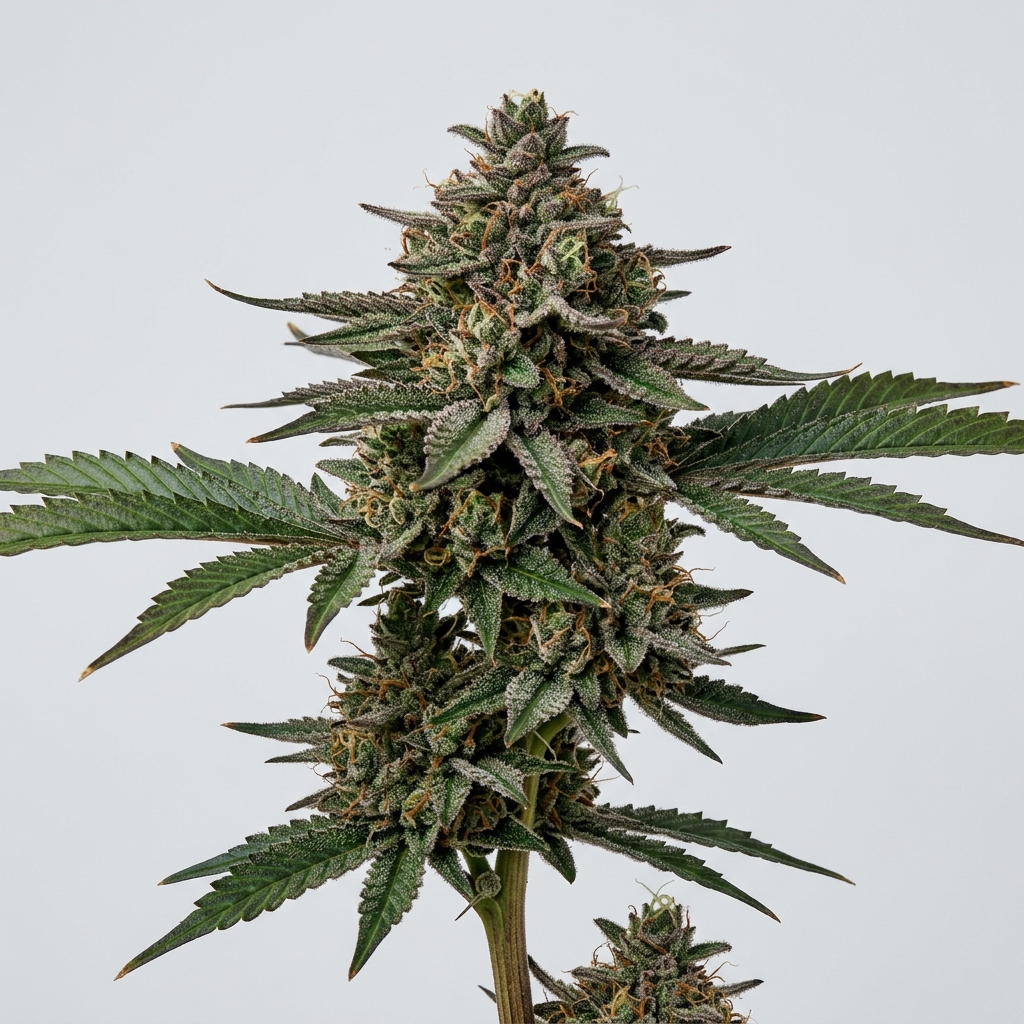
Taskenti is a legendary, resin-rich indica cultivar bred by Cannabiogen, crossing a cherished Uzbekistani landrace with a stabilizing Northern Lights backcross. Testing between 15% and 20% THC, this extraction-grade indica is celebrated for its heavy, greasy resin production, stocky growth behavior, and a distinct earthy hash aroma accented by a sharp mint finish. It serves as an excellent choice for traditional concentrate makers and growers seeking a resilient, old-school evening cultivar.
Originating from the high-altitude regions of Uzbekistan, this strain has been carefully acclimated to indoor environments without losing its landrace vigor. Its dense, spear-shaped colas become heavily coated in glassy buds that yield high-quality charas and dry-sift hash.
Quick Facts
| Field | Details |
|---|---|
| Genetics | Uzbekistani Landrace × Northern Lights |
| Variety | 100% Indica |
| THC Range | 15% – 20% |
| Flowering Time | 8 – 9 Weeks |
| Yield Potential | Moderate to High |
| Plant Height | Short to Medium |
| Climate Preference | Dry, semi-arid, low humidity |
| Difficulty | Moderate |
Scientific & Botanical Overview
Botanically, Taskenti shows classic Uzbekistani landrace morphology, characterized by broad fan leaves, thick stems, and exceptionally tight internodes. The plant maintains a compact, bushy stature that requires deliberate defoliation to ensure adequate airflow through its dense canopy.
During the generative stage, the cultivar focuses its energy on producing dense bracts and swollen calyxes that stack into heavy, spear-shaped colas. Resin production starts early in flower, covering not only the buds but also the surrounding sugar leaves in a thick layer of greasy, wet frost.
The strain’s physical resilience reflects its mountainous origin, showing excellent tolerance to cold night temperatures. However, its extremely tight bud structure makes it sensitive to late-flower humidity, requiring strict environmental controls to prevent moisture retention within the dense flower clusters.
Effects & Use-Cases (Reported)
Commonly reported effects: Consumers typically describe a heavy, creeping physical relaxation that settles deep into the limbs, accompanied by a calm, meditative mental state. The onset is slow but long-lasting, eventually leading to a deep, restful sedation suitable for late evening.
Use-case context: This cultivar is highly favored for nighttime wind-down routines, quiet listening sessions, or as a natural sleep aid. Its profound physical heaviness makes it less suitable for daytime activities or tasks requiring high cognitive focus.
Note: Individual tolerance and phenotype variation may influence the intensity of these sedative properties.
Aroma & Flavors
Aroma: The initial nose is dominated by an earthy kush base and traditional import hash, accompanied by a subtle, sour lemon undertone. Breaking the buds releases a sharper, herbal pungency with hints of damp forest floor and pine.
Flavor: On the exhale, the smoke delivers a robust, spicy-sweet flavor profile with a distinct mint finish and a dark berry edge. The taste remains remarkably smooth and lingering, reminiscent of high-grade hand-rubbed charas.
Terpene associations: The aromatic profile is heavily driven by myrcene, caryophyllene and limonene, which combine to create its characteristic sweet-hash and citrus complexity.
Tested Cannabinoid & Terpene Ranges
| Compound | Tested Range |
|---|---|
| Δ9-THC | 15.0% – 20.0% |
| CBD | 0.1% – 0.5% |
| β-Myrcene | 0.5% – 1.2% |
| β-Caryophyllene | 0.3% – 0.8% |
| d-Limonene | 0.2% – 0.6% |
Note: Cannabinoid and terpene levels are highly variable and depend on specific phenotype, cultivation methods, and curing conditions.
Cultivation Notes
- Maintain late-flower humidity below 45% to prevent mold in the dense, resin-rich colas.
- Responds well to low-stress training (LST) and early topping to promote lateral branching.
- Requires moderate nutrient levels; avoid heavy nitrogen feeding during mid-to-late flower to preserve terpene clarity.
- Excellent candidate for solventless extraction methods due to its high concentration of brittle, easily detached trichome heads.
- Thrives in dry, warm outdoor climates, showing great resistance to cool autumn nights.
Grower Notes (Week-by-Week Snapshot)
- Weeks 1–3: Vegetative transition and early stretch. The plant shows minimal stretch, typically doubling in size at most. Focus on leaf tucking to expose lower node sites.
- Weeks 4–6: Early flower development. Dense bracts begin to stack, and the first signs of greasy resin appear on the sugar leaves. Ensure strong airflow and keep daytime temperatures moderate.
- Weeks 7–9: Late-flower ripening. The spear colas swell significantly and become coated in wet frost. Flush with plain water during the final 10 days as pistils turn amber.
- Post-Harvest: A slow dry at 60°F (15°C) and 60% relative humidity for 14 days is essential to preserve the delicate, hashy terpene profile before a minimum four-week cure.
Genetic Lineage
Taskenti is rooted in the rugged landrace genetics of Uzbekistan, a region historically celebrated for its potent, resinous hash-producing plants. Breeders at Cannabiogen selected and stabilized these wild genetics over multiple generations, selecting for resin quality, yield, and indoor adaptability.
To improve indoor stability and structural integrity, the landrace line was outcrossed with a select Northern Lights phenotype. The resulting hybrid retains the pure, unadulterated physical effects and heavy resin of its ancestral parent while offering more predictable growth patterns for modern cultivators.
Research Insights
Phytochemical analysis of Taskenti highlights a rich concentration of monoterpenes, particularly myrcene and caryophyllene, which work alongside its moderate THC content. This specific chemical synergy is believed to drive the strain’s deeply sedative, physical profile without inducing the sharp, anxious spikes sometimes associated with high-THC modern polyhybrids.
Breeders and genetic preservationists value Taskenti as a crucial reservoir of pure indica traits. Its stable, non-hybridized genetic backbone makes it an exceptional choice for breeding projects aimed at introducing high resin yields and unique hashy aromas to contemporary lines.
Frequently Asked Questions
Is Taskenti a pure indica?
Yes, Taskenti is a near-pure indica cultivar derived from stabilized Uzbekistani landrace genetics, showing classic physical and growth traits of the variety.
What does Taskenti smell like?
The strain features a deep, earthy import hash aroma accented by sweet lemon, pine, and a cooling mint finish.
How long does Taskenti take to flower?
Taskenti typically finishes flowering in 8 to 9 weeks when grown indoors, or by mid-October when cultivated outdoors in dry climates.
Is Taskenti easy to grow?
It is moderately easy to grow due to its sturdy structure, but cultivators must carefully manage humidity levels to protect its dense buds from mold.
Educational Disclaimer
This strain profile is for informational and educational purposes only. Cultivation and consumption of cannabis are subject to varying local laws and regulations.
Rate and review this strain
Ratings and reviews are accepted only from signed-in Google accounts.
Sign in with Google to leave a rating and written review.
Latest Reviews
0 reviewsNo reviews yet. Be the first Google user to rate and review this strain.