
Ice (Cannabis Strain)
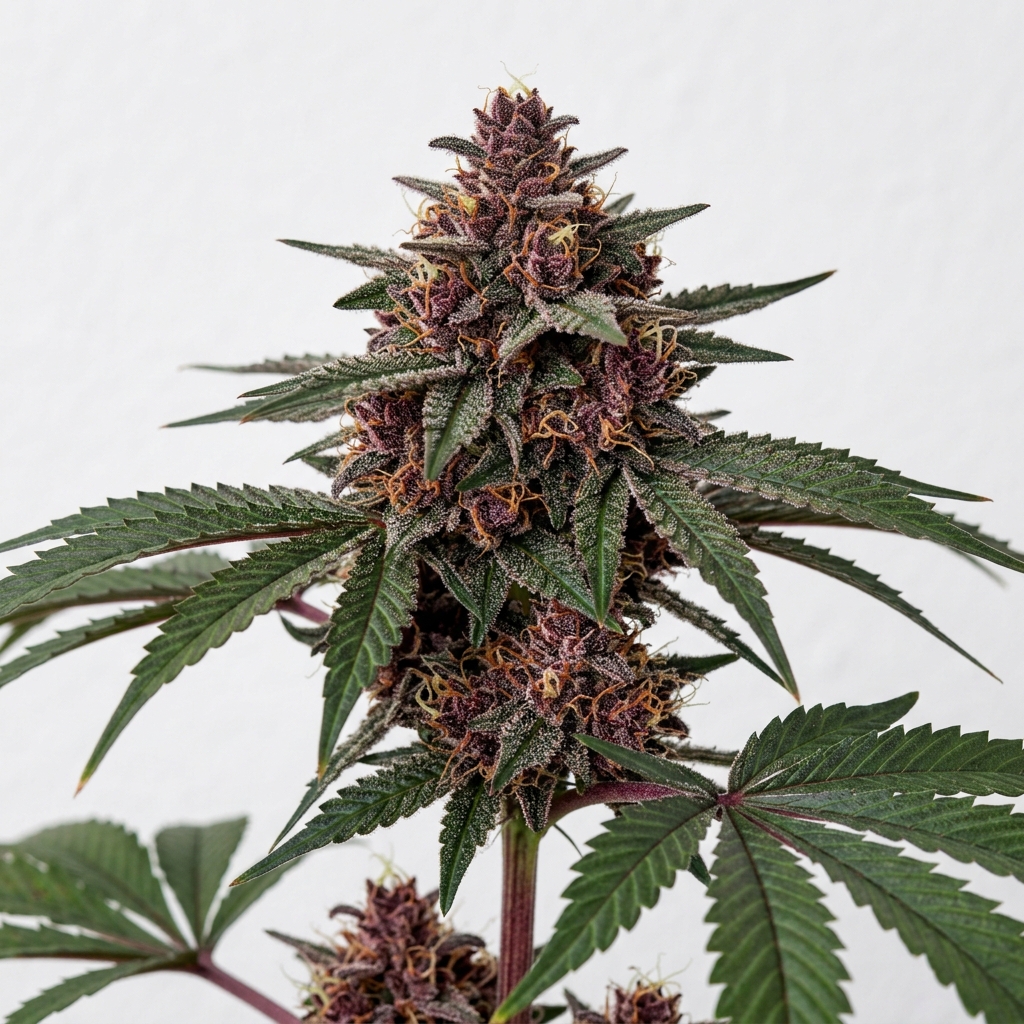
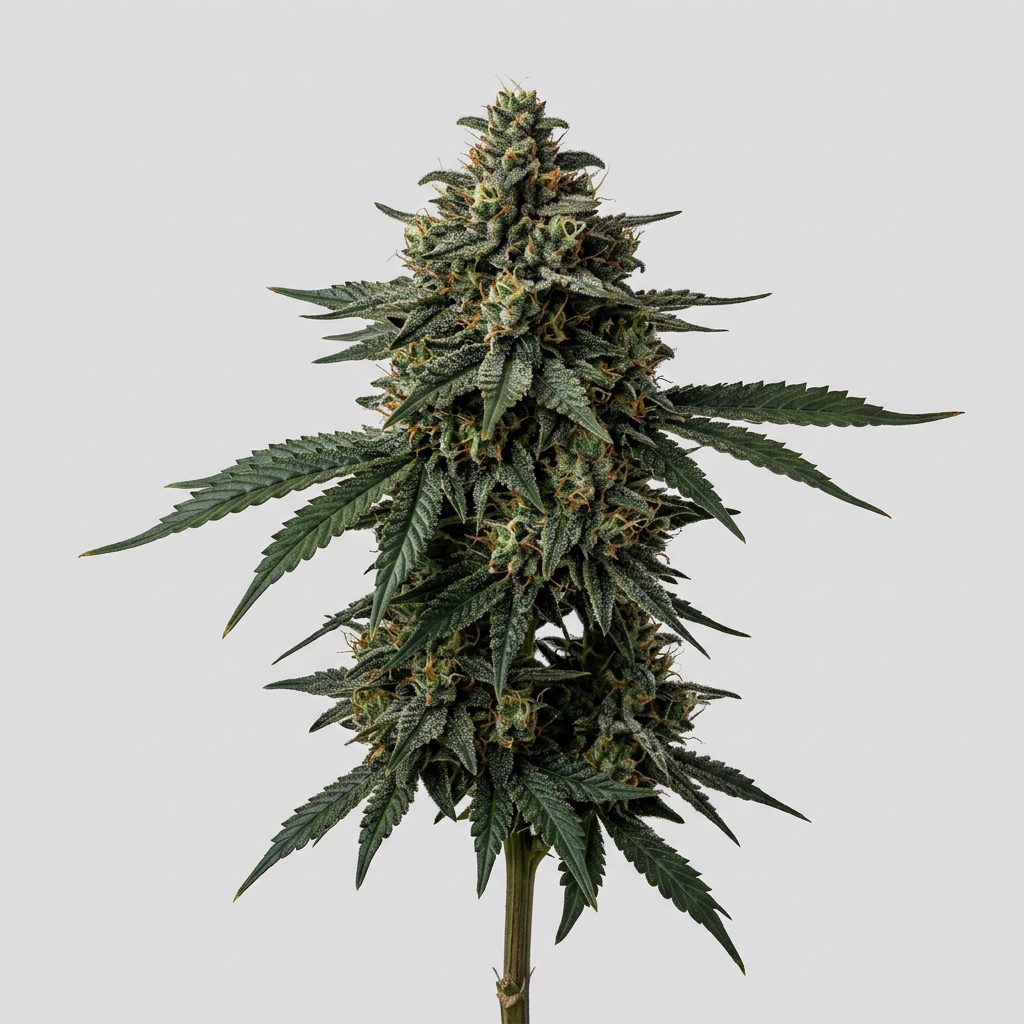
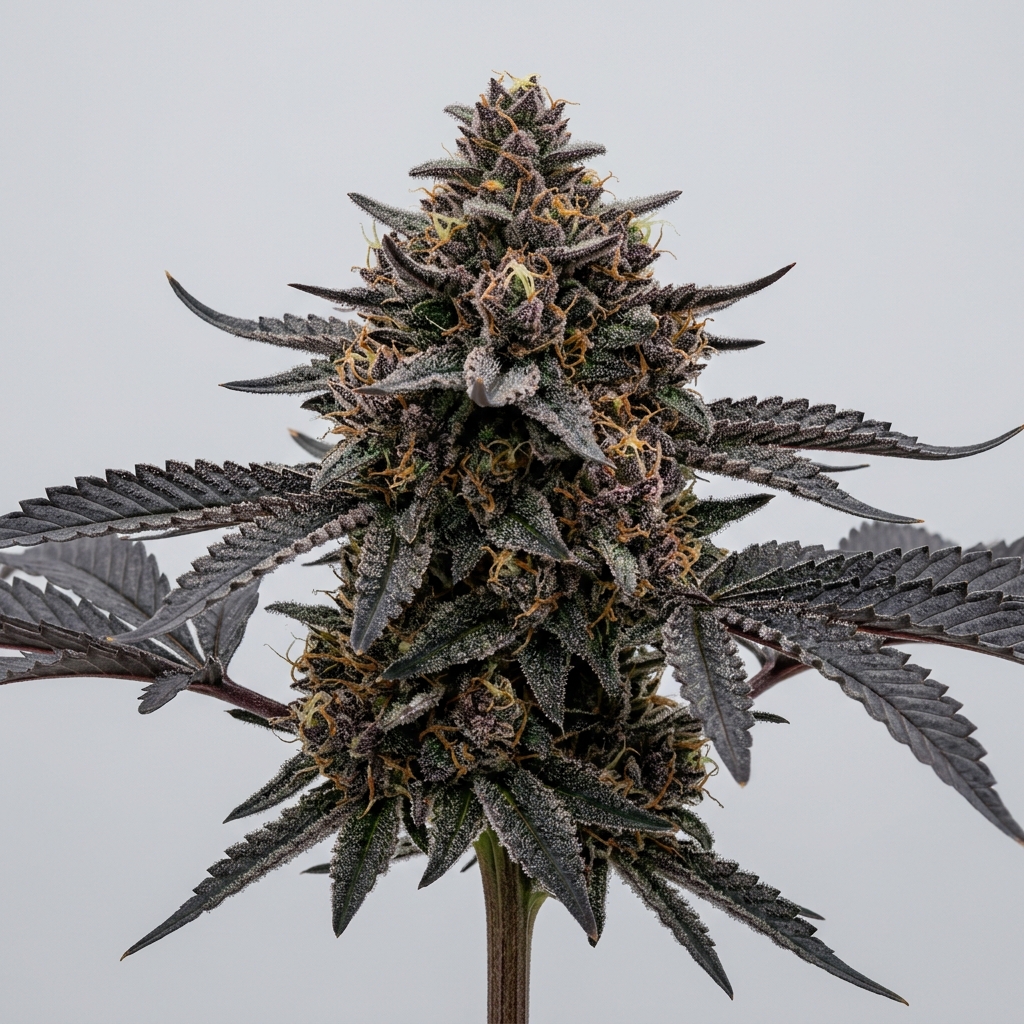
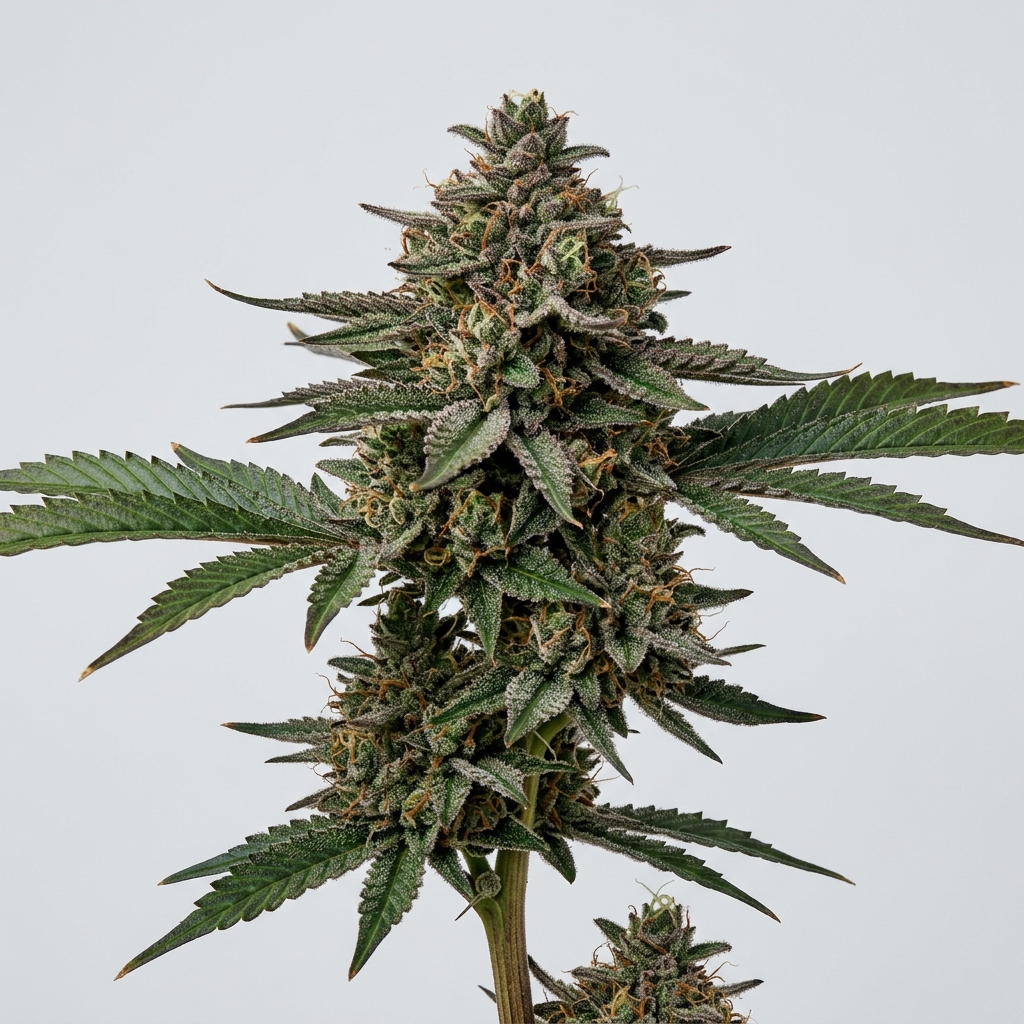
Ice is an indica-dominant hybrid typically testing between 18% and 24% THC, created by crossing Afghan, Northern Lights, Shiva, and Skunk #1. Noted for its thick blanket of wet frost and dense, glass-like trichomes, this extraction-grade cultivar delivers a sharp aroma of icy menthol, pine, and skunk. The plant shows a compact growth habit with tight internodes and thick lateral branches that support heavy, resin-rich spear colas.
Emerging in the late 1990s and winning the 1998 High Times Cannabis Cup, this classic variety remains a staple for hash makers and indoor growers. Its exceptional resin coverage extends from the swollen calyxes deep onto the fan leaves, making it a highly efficient wash cultivar. The strain is widely appreciated for its physical resilience and reliable performance under high-intensity indoor lighting.
Quick Facts
| Attribute | Details |
|---|---|
| Genetics | Afghan × Northern Lights × Shiva × Skunk #1 |
| Variety | Indica-dominant Hybrid |
| THC Range | 18% – 24% |
| Flowering Time | 8 – 10 Weeks |
| Yield Potential | High |
| Plant Height | Medium-Short |
| Climate Preference | Temperate / Continental |
| Difficulty | Moderate |
Scientific & Botanical Overview
Botanically, Ice shows classic indica morphology, characterized by broad, dark green fan leaves and a short, stout frame. The internodal spacing remains remarkably tight throughout the vegetative stage, requiring proactive defoliation to maintain adequate airflow through the inner canopy. Thick, rigid stems support the heavy flower clusters, minimizing the need for extensive trellising.
The defining feature of this cultivar is its extraordinary glandular trichome density. During mid-to-late flower, the stalked capitate trichomes crowd together so densely that the mature buds take on a white, frozen appearance. This heavy resin production is a direct genetic inheritance from its Afghan and Northern Lights ancestry, optimized for dry-sift and water hash extraction.
The flowers develop into solid, conical structures with highly compressed bracts and a minimal leaf-to-calyx ratio. This compact bud architecture makes the cultivar highly resistant to physical handling but requires careful humidity management during the final weeks of bloom. Under cooler night temperatures, some phenotypes may exhibit subtle lavender hues along the margins of the calyxes.
Effects & Use-Cases (Reported)
Commonly reported effects: Users frequently describe a heavy, physical relaxation that sets in quickly, accompanied by a calm, clear-headed mental state. The onset is typically gentle but deepens over time, making it highly suited for quiet evenings. It is often noted for providing a grounding sensation without excessive mental haze.
Use-case context: Due to its deeply relaxing nature, this cultivar is commonly selected for late-night use, unwinding after intense physical activity, or assisting with sleep hygiene. Its heavy physical profile makes it less suitable for daytime tasks that require high physical energy or rapid focus.
Note: Because of its potent physical effects, novice consumers should approach this strain with caution to avoid early-evening sedation.
Aroma & Flavors
Aroma: The primary aroma is a pungent mix of sharp pine, cold menthol, and an earthy skunk base that intensifies when the buds are broken apart. A subtle chemical fuel undertone is often present in well-cured batches.
Flavor: On the palate, it delivers a crisp, mint finish layered over a rich, spicy hash-like smoke with subtle herbal undertones. The smoke is dense and expansive, leaving a lingering earthy kush sweetness on the exhale.
Terpene associations: The terpene profile is typically dominated by myrcene, limonene, and caryophyllene, which combine to produce its signature cool, spicy character.
Tested Cannabinoid & Terpene Ranges
| Compound | Typical Range |
|---|---|
| Δ9-THC | 18.0% – 24.0% |
| CBG | 0.5% – 1.2% |
| Myrcene | 0.4% – 0.9% |
| Caryophyllene | 0.2% – 0.6% |
| Limonene | 0.15% – 0.4% |
| Pinene | 0.1% – 0.3% |
Note: Cannabinoid and terpene levels are highly variable and depend on specific phenotype, cultivation environment, and curing methods.
Cultivation Notes
- Humidity management: Maintain relative humidity (RH) below 45% during the final three weeks of flowering to prevent moisture retention within the dense colas.
- Nutrient requirements: Ice responds well to a moderate-to-heavy feeding schedule, showing a high tolerance for nitrogen during vegetative growth and phosphorus during early bloom.
- Canopy training: use low-stress training (LST) or topping early in the vegetative phase to break apical dominance and encourage a wider canopy of even spear colas.
- Phenotype variation: Look for phenotypes that display early resin production and a distinct menthol aroma, as these typically offer the highest extraction yields.
Grower Notes (Week-by-Week Snapshot)
- Weeks 1–3 (Transition & Stretch): The plant undergoes a controlled stretch, usually doubling in size. Broad fan leaves should be selectively tucked or pruned to ensure light penetrates to the lower nodes.
- Weeks 4–6 (Flower Development & Frost): White pistils form dense clusters, and resin production begins early on the calyxes and sugar leaves. Keep night temperatures slightly cooler to encourage trichome development.
- Weeks 7–9 (Ripening & Flush): Calyxes swell significantly, and the wet frost appearance peaks. Flush with pure water for the final 10–14 days, monitoring trichome amber levels closely for peak harvest timing.
- Post-Harvest (Cure): A slow, 10-to-14-day dry at 60°F (15°C) and 60% humidity is essential to preserve the volatile menthol and pine terpenes before a minimum three-week jar cure.
Genetic Lineage
Ice is a complex four-way hybrid featuring genetics from Afghan, Northern Lights, Shiva, and Skunk #1. This elite combination blends the resin production and structural resilience of classic landrace-derived indicas with the yield and vigor of legendary Dutch breeding stock. The resulting offspring is a highly stable cultivar that consistently produces high-resin phenotypes.
The Afghan and Northern Lights heritage provides the heavy resin and compact stature, while Shiva and Skunk #1 contribute to the pungent aroma profile and increased flower density. This genetic foundation makes Ice an exceptionally stable strain for breeding projects, often used to introduce frost density and hash-making utility to newer hybrids.
Research Insights
Analytical data suggests that the unique sensory profile of Ice is driven by a high concentration of myrcene paired with pinene and caryophyllene. This specific terpene ratio is believed to modulate the physical effects of THC, contributing to the deeply relaxing qualities commonly reported by consumers. The presence of pinene helps maintain mental clarity, preventing the heavy physical sedation from becoming completely overwhelming.
From an extraction standpoint, researchers and hash makers note that the physical structure of Ice trichomes—specifically the broad gland heads and brittle stalks—makes them exceptionally easy to separate during ice water extraction. This structural trait ensures high yields of solventless concentrates with minimal plant contaminant, cementing its place as a premier washing cultivar in modern extraction facilities.
Frequently Asked Questions
What is the genetic origin of the Ice strain?
Ice is a classic four-way hybrid created by crossing Afghan, Northern Lights, Shiva, and Skunk #1. It was originally bred in the late 1990s and gained fame after winning the 1998 High Times Cannabis Cup.
Is Ice suitable for outdoor cultivation?
Yes, but it performs best in temperate or continental climates with low late-summer humidity. Due to the extreme density of its buds, growers must protect the plants from heavy rainfall and high humidity during the final weeks of flower to avoid bud rot.
What does the Ice strain smell like?
Ice features a pungent aroma dominated by sharp pine, cold menthol, and an earthy skunk base. Breaking the buds releases deeper notes of spicy hash and a subtle chemical fuel undertone.
Why is Ice highly recommended for making concentrates?
The strain produces an abundance of large, capitate-stalked trichomes that are physically brittle. This makes the resin heads exceptionally easy to separate from the plant material during ice water washing or dry-sifting, resulting in high yields of premium solventless extracts.
Educational Disclaimer
This article is intended purely for educational and informational purposes. Cultivation and consumption of cannabis are subject to local laws and regulations. Always consult with a healthcare professional before using cannabis for wellness purposes.
Rate and review this strain
Ratings and reviews are accepted only from signed-in Google accounts.
Sign in with Google to leave a rating and written review.
Latest Reviews
0 reviewsNo reviews yet. Be the first Google user to rate and review this strain.