
Royal Cheese (Cannabis Strain)
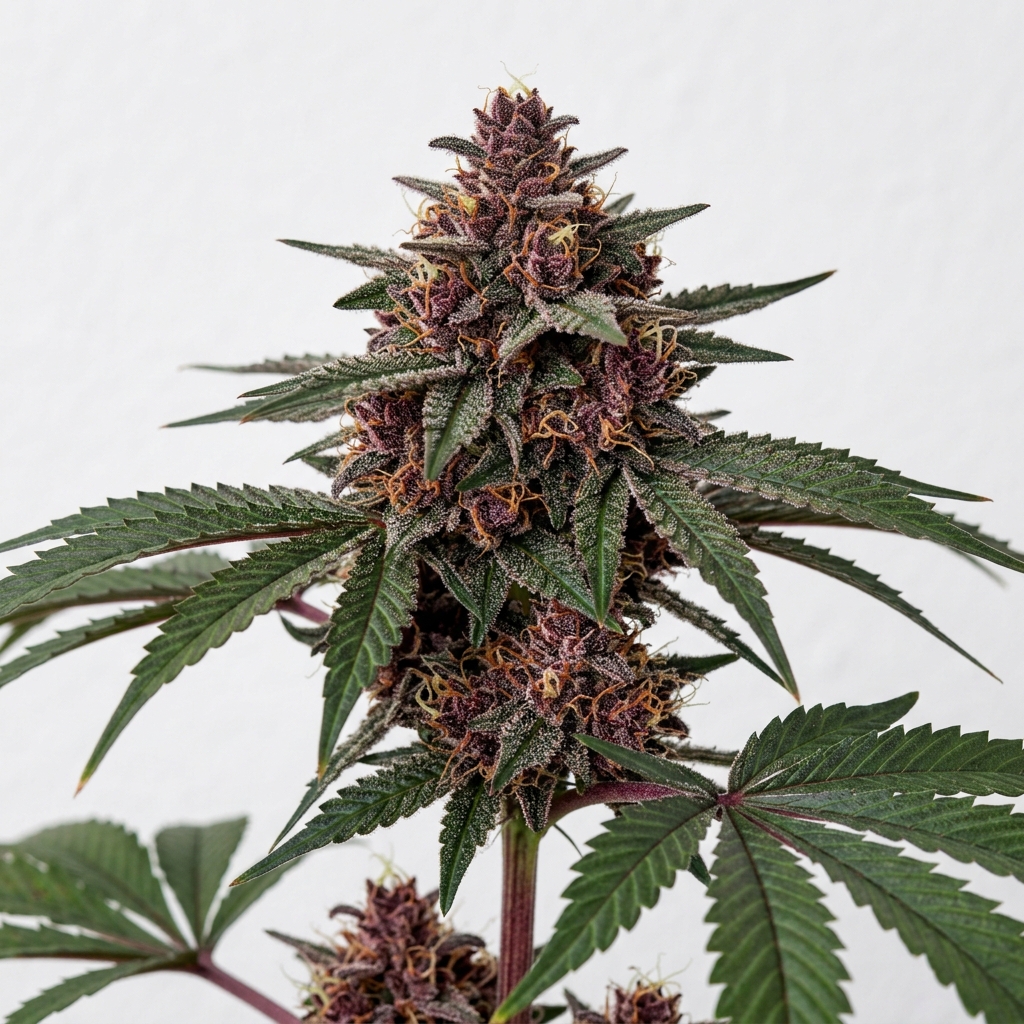
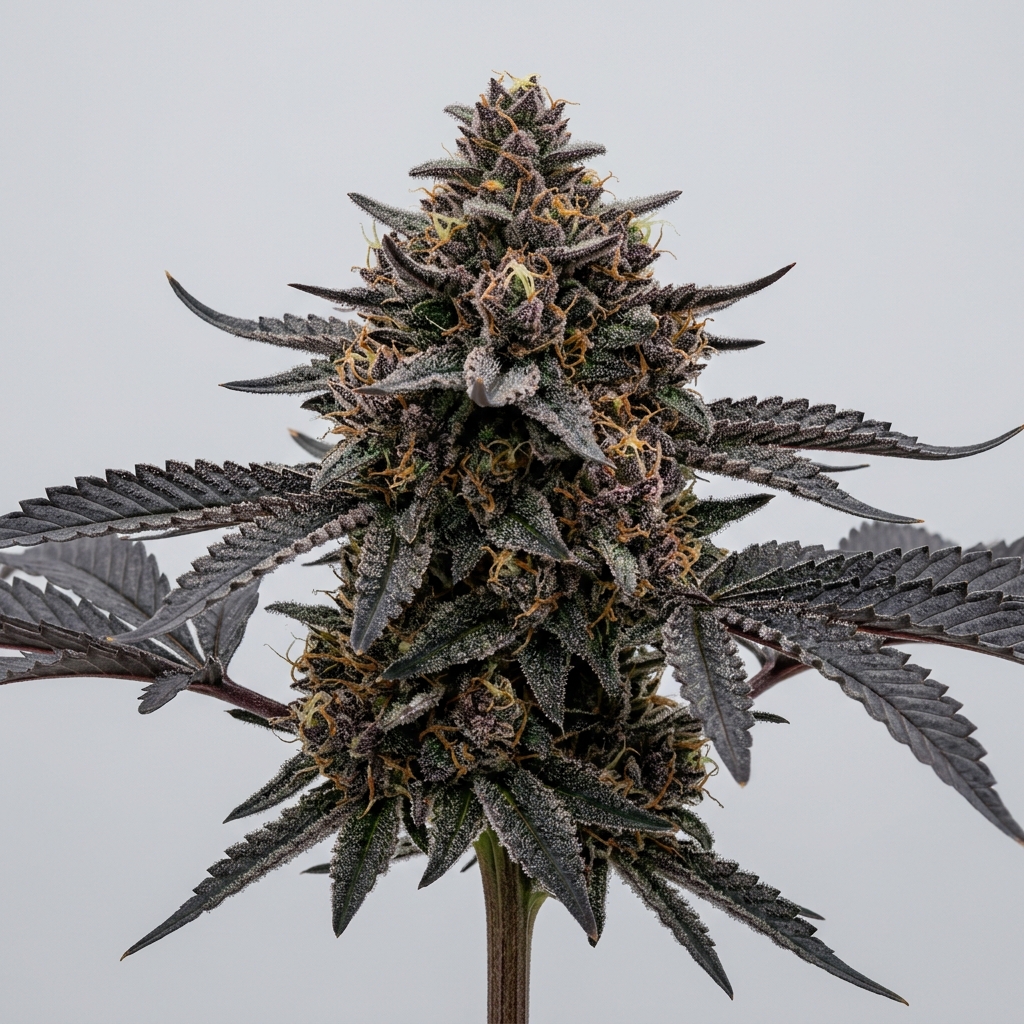
Royal Cheese is an indica-dominant hybrid featuring a THC range of 17% to 21%, selected directly from classic UK Cheese (a legendary Skunk #1 phenotype) genetics. This cultivar is renowned for its pungent, sour dairy and sharp skunk aroma, producing dense, greasy resin-rich flowers on a moderately stretching, highly branched frame. Ideal for evening use, it delivers a deep, lingering physical stone that reflects its old-school European heritage.
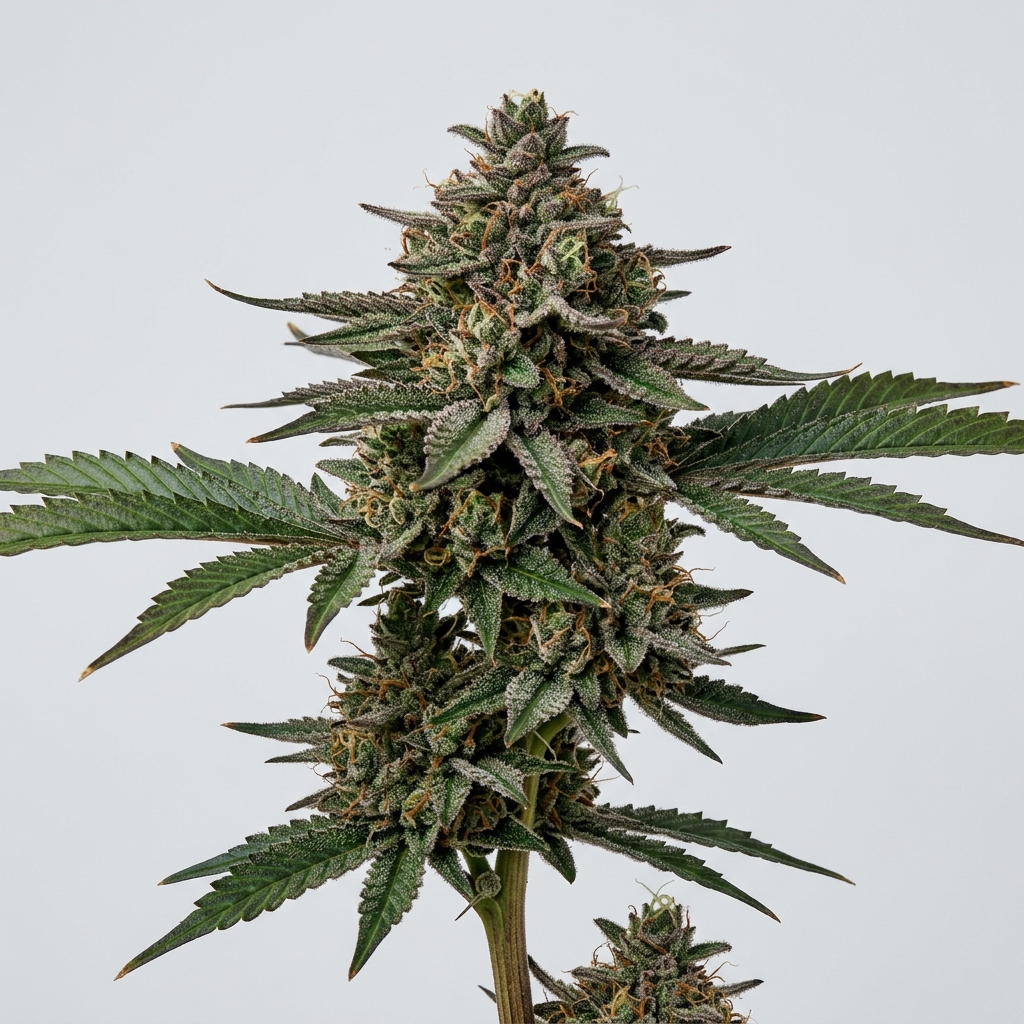
Unlike modern dessert strains, this selection prioritizes a savory, funk-forward profile that fills the room instantly. Growers prize it for its reliable commercial yields and classic, resin-coated spear colas that cure to a distinct golden-green hue.
Quick Facts
| Field | Details |
|---|---|
| Genetics | UK Cheese selection (Skunk #1 phenotype) |
| Variety | Indica-dominant hybrid |
| THC Range | 17% – 21% |
| Flowering Time | 7 – 9 weeks |
| Yield Potential | Moderate to High |
| Plant Height | Medium (80 – 140 cm) |
| Climate Preference | Temperate, low late-flower humidity |
| Difficulty | Moderate |
Scientific & Botanical Overview
Botanically, Royal Cheese shows classic indica-dominant morphology with broad fan leaves and short, tight internodes during the early vegetative phase. Once flipped to flower, the plant undergoes a moderate but manageable stretch, requiring early structural support to hold its heavy upper colas.
The bracts are exceptionally dense, stacking tightly along the branches to form thick, resinous spears. Trichome development is dense and greasy, with capitate-stalked glands covering both the calyxes and surrounding sugar leaves as maturity approaches.
The cultivar’s heavy bud structure makes it highly sensitive to microclimates. Maintaining strict airflow and low humidity in the final weeks of flower is critical to preventing moisture retention within the dense calyx clusters.
Effects & Use-Cases (Reported)
Commonly reported effects: A heavy, warming physical relaxation that settles quickly behind the eyes before spreading through the limbs. Many describe a calm, slow-paced mental state that eases active thoughts without immediate sedation.
Use-case context: Best suited for evening or late-night consumption when physical rest is the primary goal. It is frequently chosen by those seeking relief from physical tension or looking to unwind after demanding physical activity.
Note: Individual experiences may vary, and high doses can lead to a heavy, couch-locked state.
Aroma & Flavors
Aroma: A pungent blast of sour dairy, aged cheddar, and musty earth, underlined by a sharp, skunky fuel base.
Flavor: The smoke carries a savory, coat-the-mouth richness with notes of salted butter, dry wood, and a peppery herbal finish.
Terpene associations:
Caryophyllene, myrcene, and limonene drive this unique profile, combining to create the signature savory funk.
Tested Cannabinoid & Terpene Ranges
| Compound | Typical Range |
|---|---|
| Δ9-THC | 17.0% – 21.0% |
| CBD | <1.0% |
| beta-Caryophyllene | 0.4% – 0.8% |
| Myrcene | 0.3% – 0.6% |
| Limonene | 0.2% – 0.5% |
Note: Terpene and cannabinoid levels are highly variable and depend on specific cultivation practices, environmental factors, and curing methods.
Cultivation Notes
- Keep late-flower humidity below 45% to protect the dense, moisture-trapping colas from mold.
- Apply low-stress training (LST) or topping early to encourage lateral branching and maximize canopy distribution.
- Feed with a balanced nitrogen regimen in veg, transitioning to high potassium and phosphorus during peak flower.
- Prune the lower third of the canopy (lollipopping) before week three of flower to improve airflow and direct energy upward.
- Aim for a slow, 10-to-14-day dry at 60°F and 60% relative humidity to preserve the volatile sulfur compounds that define the cheese aroma.
Grower Notes (Week-by-Week Snapshot)
- Weeks 1–3 (Transition & Stretch): The plants show moderate stretch, doubling in height. Secure trellis netting early and prune lower fan leaves to establish clear airflow.
- Weeks 4–6 (Bud Formation & Resin): White pistils stack rapidly into dense clusters. The signature sour dairy aroma begins to emerge, and a greasy sheen of trichomes appears on the sugar leaves.
- Weeks 7–9 (Ripening & Flush): Calyxes swell significantly, and pistils turn amber. Reduce humidity to its lowest level, monitor trichome opacity, and run a clean water flush for the final 10 days.
Genetic Lineage
Royal Cheese descends directly from classic UK Cheese genetics, which originated as a unique, highly pungent phenotype of Skunk #1 selected in the UK during the late 1980s. This specific clone-only cut was preserved and later stabilized by European breeders to make it available in seed form.
The lineage brings together landrace genetics from Afghanistan, Colombia, and Mexico. This diverse background contributes to the strain’s robust growth habits, high resin production, and distinct volatile sulfur compound profile.
Research Insights
Analytical testing of Royal Cheese highlights a high concentration of caryophyllene and myrcene, which work alongside secondary terpenes like humulene to produce its earthy, savory depth. The presence of volatile sulfur compounds (VSCs), though present in minute quantities, is primarily responsible for the sharp, cheese-like aroma.
Breeding programs value this line for its genetic stability and reliable transmission of the classic skunk structure. It remains a foundational tool for breeders looking to inject savory, non-sweet profiles back into modern, dessert-heavy gene pools.
Frequently Asked Questions
Is Royal Cheese hard to grow?
It is moderately easy to grow but requires careful humidity management. Because the buds grow incredibly dense, poor airflow in late flower can easily lead to mold issues.
What does Royal Cheese smell like?
It has a highly pungent aroma characterized by sour dairy, aged cheese, musty earth, and a sharp, skunky diesel undertone.
How long does Royal Cheese take to flower?
This strain typically completes its flowering cycle in 7 to 9 weeks when grown indoors, with outdoor harvests usually landing in late September or early October.
Is Royal Cheese an indica or sativa?
It is an indica-dominant hybrid, delivering a heavy, relaxing physical stone that is best suited for evening or nighttime use.
Educational Disclaimer
This content is for educational and informational purposes only. Cultivation and consumption of cannabis are subject to local laws and regulations. Consult with a professional cultivator or medical specialist for specific guidance.
Rate and review this strain
Ratings and reviews are accepted only from signed-in Google accounts.
Sign in with Google to leave a rating and written review.
Latest Reviews
0 reviewsNo reviews yet. Be the first Google user to rate and review this strain.