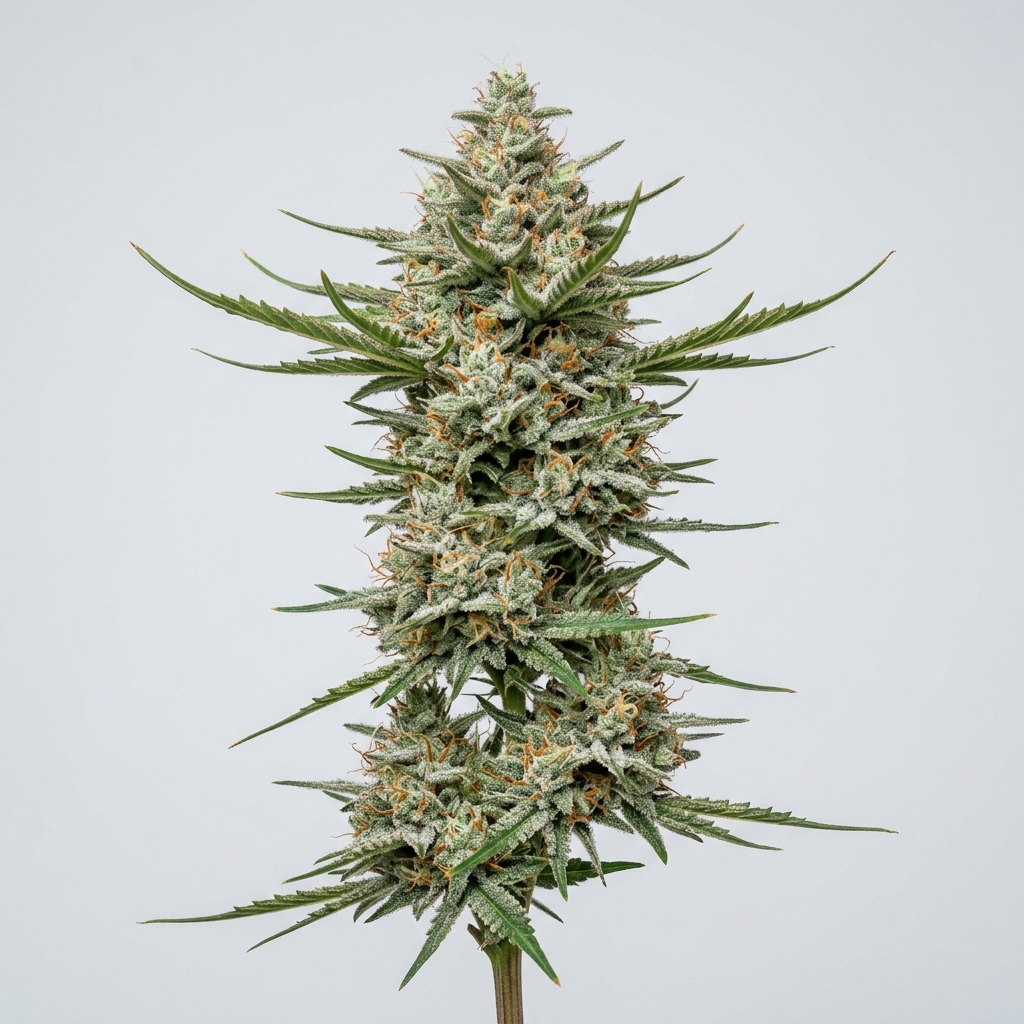
White Haze (Cannabis Strain)
White Haze is a sativa-dominant hybrid, typically testing between 18% and 22% THC, created by crossing classic Haze
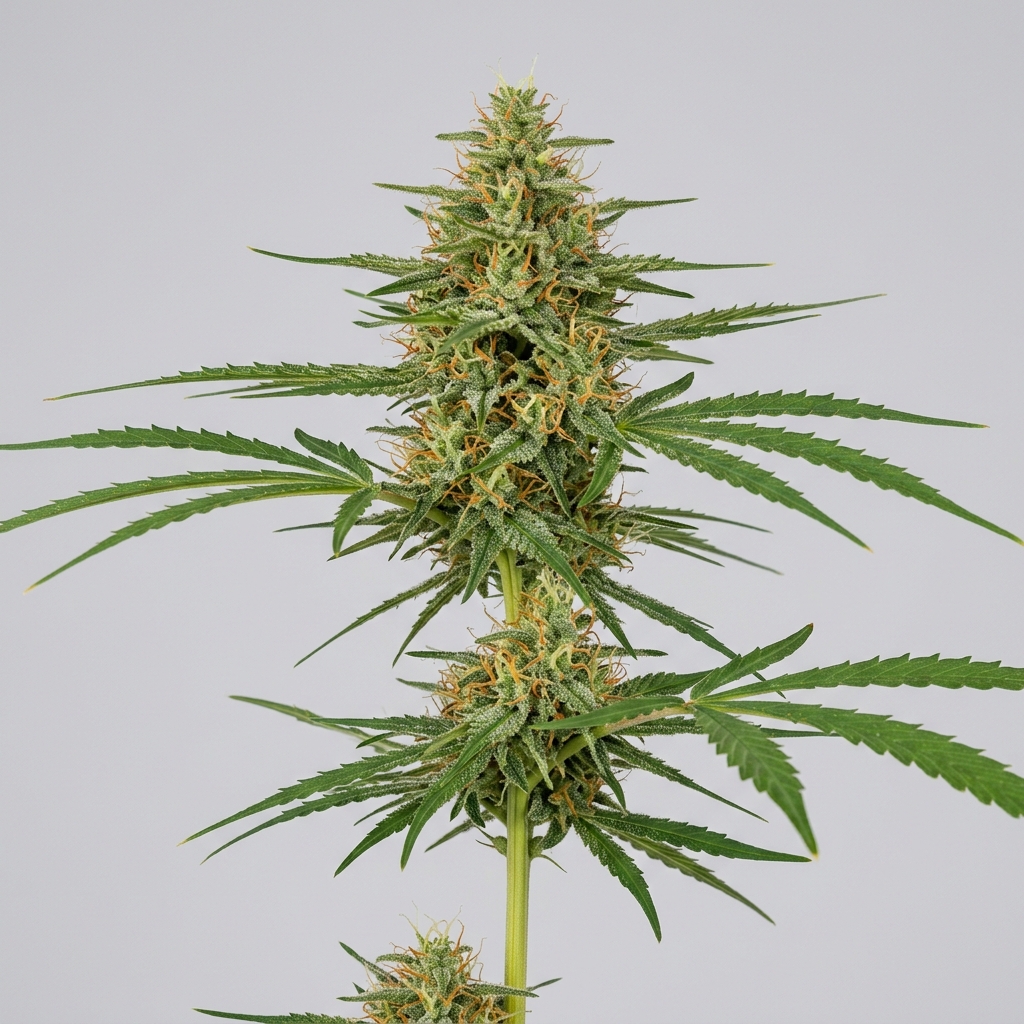
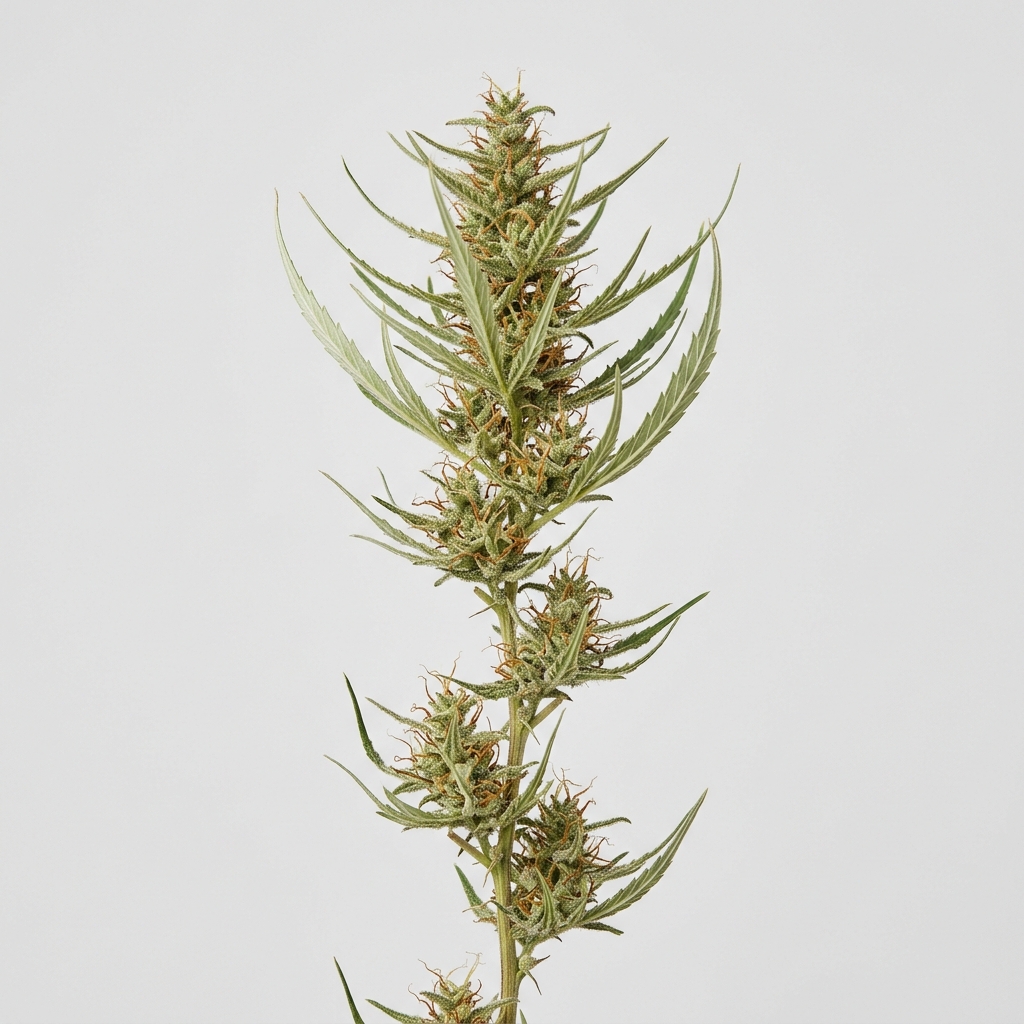
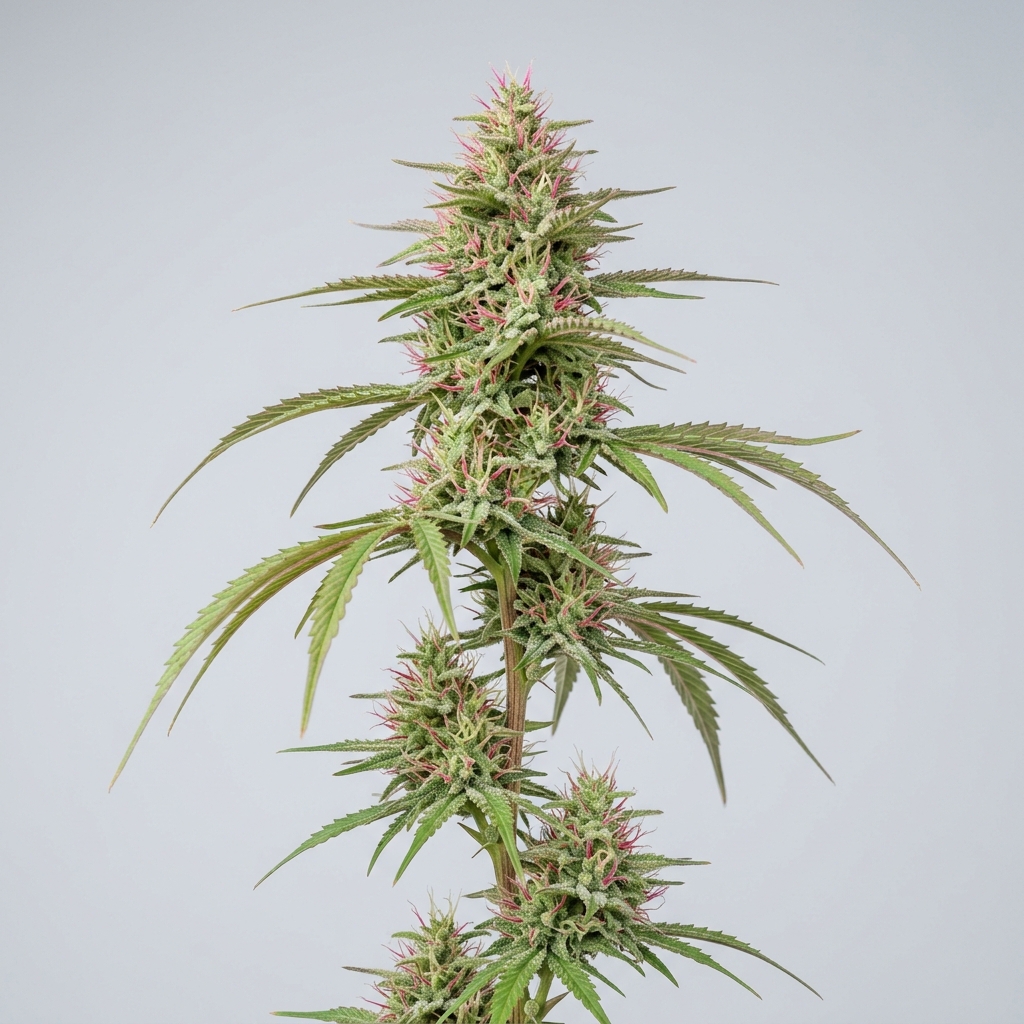
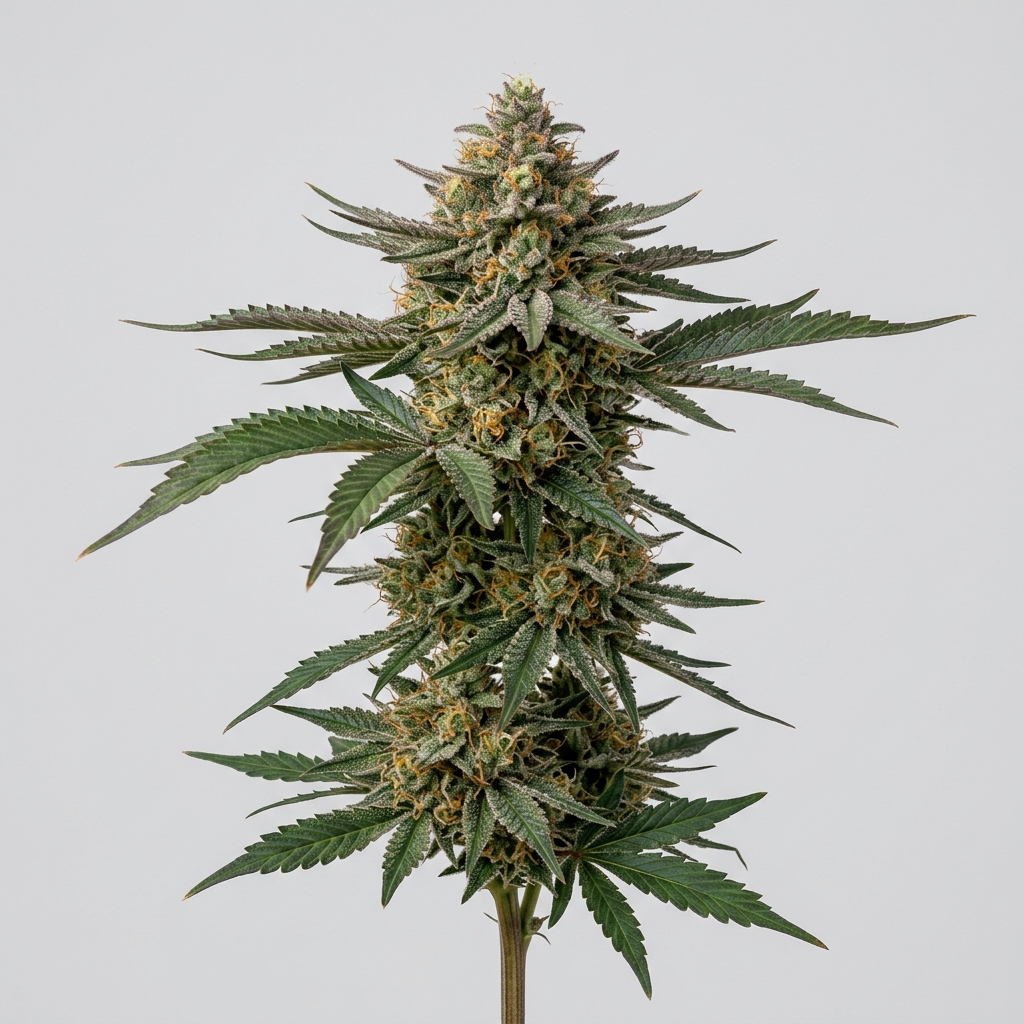
genetics with an elite, resin-heavy White Widow selection. This cultivar is recognized for its dense, silver-coated spear colas that deliver a sharp citrus lift and a deep, piney incense finish. Unlike traditional lanky sativas, it benefits from its indica heritage, showing a more manageable stretch in the greenhouse while retaining the soaring, clear-headed sensory profile of its Haze lineage.
Growers value this selection for its heavy resin production, which coats the swollen calyxes in a layer of glassy frost by late flower. It strikes a balance between old-school sativa flavor and modern commercial resin yields, making it a staple for collectors of classic Dutch genetics.
Quick Facts
| Metric | Details |
|---|---|
| Genetics | Haze × White Widow |
| Variety | Sativa-dominant Hybrid |
| THC Range | 18% – 22% |
| Flowering Time | 9 – 11 Weeks |
| Yield Potential | Moderate to High |
| Plant Height | Tall (Controlled Stretch) |
| Climate Preference | Warm, Mediterranean / Controlled Greenhouse |
| Difficulty | Moderate |
Scientific & Botanical Overview
Botanically, White Haze shows the classic phenotypic markers of its equatorial sativa ancestry, characterized by narrow leaflet margins and elongated internodal spacing. However, the introduction of the White lineage introduces sturdier lateral branching and a denser floral cluster structure. This structural compromise allows the plant to support heavy spear colas without collapsing under their own weight during the final weeks of bloom.
The calyx-to-leaf ratio is exceptionally favorable for hand-trimming, with swollen, tightly packed bracts forming elongated towers of resin. The trichome heads are predominantly capitate-stalked, developing early in the flowering cycle and maturing into a milky, amber-flecked canopy. This heavy resin development serves as a protective barrier, helping the plant manage light intensity and moisture transpiration.
Leaf tissue analysis typically reveals high chlorophyll efficiency, allowing the vegetative canopy to process nutrients rapidly during the transition phase. Because of this high metabolic rate, the plant requires consistent micro-nutrient availability, particularly iron and magnesium, to prevent early-stage chlorosis during its rapid vertical stretch.
Effects & Use-Cases (Reported)
Commonly reported effects: Users frequently report a bright, cerebral lift accompanied by a subtle, warm physical relaxation that does not induce heavy sedation. The initial onset is clean and functional, often described as an energizing sensory clarity that sharpens focus and encourages creative engagement. Over time, the experience settles into a calm, grounded state, leaving the mind alert while easing minor physical tension.
Use-case context: This profile makes the cultivar well-suited for daytime activities, social settings, and creative projects that require sustained focus without the physical crash associated with heavy indica hybrids. It is often integrated into morning routines or used as a mid-day refresher to sustain mental momentum.
Note: Individual tolerance and physiological chemistry play a significant role in the overall experience; higher doses may amplify the cerebral stimulation, which sensitive individuals should approach with moderation.
Aroma & Flavors
Aroma: The olfactory profile opens with a sharp citrus lift dominated by fresh lemon peel and green pine needles, followed by a deeper, musky incense note that lingers in the room. A subtle background of damp earth and herbal spice emerges as the buds are broken apart, showing the classic Haze complexity.
Flavor: On the palate, the smoke is clean and expansive, delivering a bright sweet-tart citrus flavor on the inhale, followed by a dry, woody spice and a clean mint finish on the exhale.
Terpene associations: Lab analyses frequently associate this aromatic signature with high concentrations of terpinolene, beta-caryophyllene, and myrcene, which provide the characteristic balance of bright citrus, warm spice, and herbal depth.
Tested Cannabinoid & Terpene Ranges
| Compound | Tested Range |
|---|---|
| Δ9-THC | 18.0% – 22.0% |
| CBD | 0.1% – 0.5% |
| Terpinolene | 0.4% – 0.8% |
| Beta-Caryophyllene | 0.2% – 0.5% |
| Myrcene | 0.1% – 0.4% |
| Limonene | 0.1% – 0.3% |
Note: Cannabinoid and terpene levels are highly variable and depend heavily on environmental factors, lighting spectrums, and specific cultivation practices.
Cultivation Notes
- Humidity Management: Maintain low relative humidity (under 45%) during the final three weeks of flowering to protect the dense, resin-rich spear colas from moisture retention.
- Training Techniques: use Screen of Green (ScrOG) or low-stress training (LST) early in the vegetative stage to manage the significant vertical stretch and promote uniform canopy development.
- Nutrient Regimen: Provide a moderate nitrogen feed during early veg, transitioning to a phosphorus and potassium-rich formula by week four of bloom, with careful monitoring for calcium-magnesium deficiencies.
- Airflow Requirements: Ensure high-volume airflow through the lower canopy by performing selective defoliation (lollipoping) before the second week of flower.
- Phenotype Selection: Look for phenotypes that exhibit the tight internodes of the White parent while retaining the distinct citrus-incense aroma of the Haze lineage.
Grower Notes (Week-by-Week Snapshot)
- Weeks 1–3 (The Stretch): The plant undergoes a rapid vertical stretch, often doubling in height; implement structural supports or trellis netting immediately to guide the lateral branches.
- Weeks 4–6 (Floral Initiation): White pistils form dense clusters along the branches, and early trichome production begins to coat the surrounding sugar leaves with a glassy frost.
- Weeks 7–9 (Resin Swell): Calyxes swell significantly, filling out the spear colas; reduce nitrogen levels to zero and focus on PK boosters while monitoring trichome maturity.
- Weeks 10+ (The Ripening & Harvest): Flush the medium with pure, pH-balanced water for the final 10 to 14 days, harvesting when the trichomes are mostly milky white with about 10% amber heads.
Genetic Lineage
The genetic foundation of White Haze represents a deliberate hybridization of two legendary breeding lines. The mother plant, a carefully preserved Haze phenotype, contributes the soaring cerebral characteristics, narrow-leaf structure, and complex spicy-citrus terpene profile that defined the early Dutch coffeehouse era.
To temper the long flowering window and wispy bud structure of the pure Haze, breeders introduced an elite selection of White Widow. This indica-dominant parent infused the lineage with sturdier structural integrity, dense bract formation, and an abundance of resin glands, turning the classic sativa into a high-yielding, modern extraction-grade cultivar.
Research Insights
Scientific interest in this cultivar focuses on its unique terpene distribution, particularly the co-dominance of terpinolene and beta-caryophyllene. This specific combination is relatively rare in commercial hybrids, as terpinolene is typically associated with wild, unhybridized sativas, while caryophyllene is common in modern dessert strains.
Phytochemical analysis suggests that the heavy resin production inherited from the White lineage does not dilute the volatile terpene content of the Haze parent. Instead, the dense trichome canopy appears to preserve these delicate compounds, protecting them from rapid degradation under high-intensity lighting systems.
Frequently Asked Questions
Is White Haze difficult to grow indoors?
It is moderately challenging due to its vigorous sativa stretch during the early flowering phase. However, utilizing trellis nets and keeping vegetative times short makes it highly manageable for growers with basic training experience.
What does White Haze smell like?
The profile is dominated by a sharp citrus lift, fresh pine, and a deep, spicy incense background that reflects its classic Dutch Haze heritage.
How long does White Haze take to flower?
Indoors, most phenotypes require between 9 and 11 weeks of flowering to reach peak resin maturity and terpene clarity.
What are the main effects of this strain?
It is reported to deliver a bright, clear-headed energy and a functional physical calm, making it a preferred choice for daytime use and creative focus.
Educational Disclaimer
This article is intended solely for educational, informational, and botanical reference purposes. It does not constitute medical advice or encourage the illegal cultivation or consumption of controlled substances. Always consult with a licensed professional regarding medical applications or local cultivation regulations.
Rate and review this strain
Ratings and reviews are accepted only from signed-in Google accounts.
Sign in with Google to leave a rating and written review.
Latest Reviews
0 reviewsNo reviews yet. Be the first Google user to rate and review this strain.