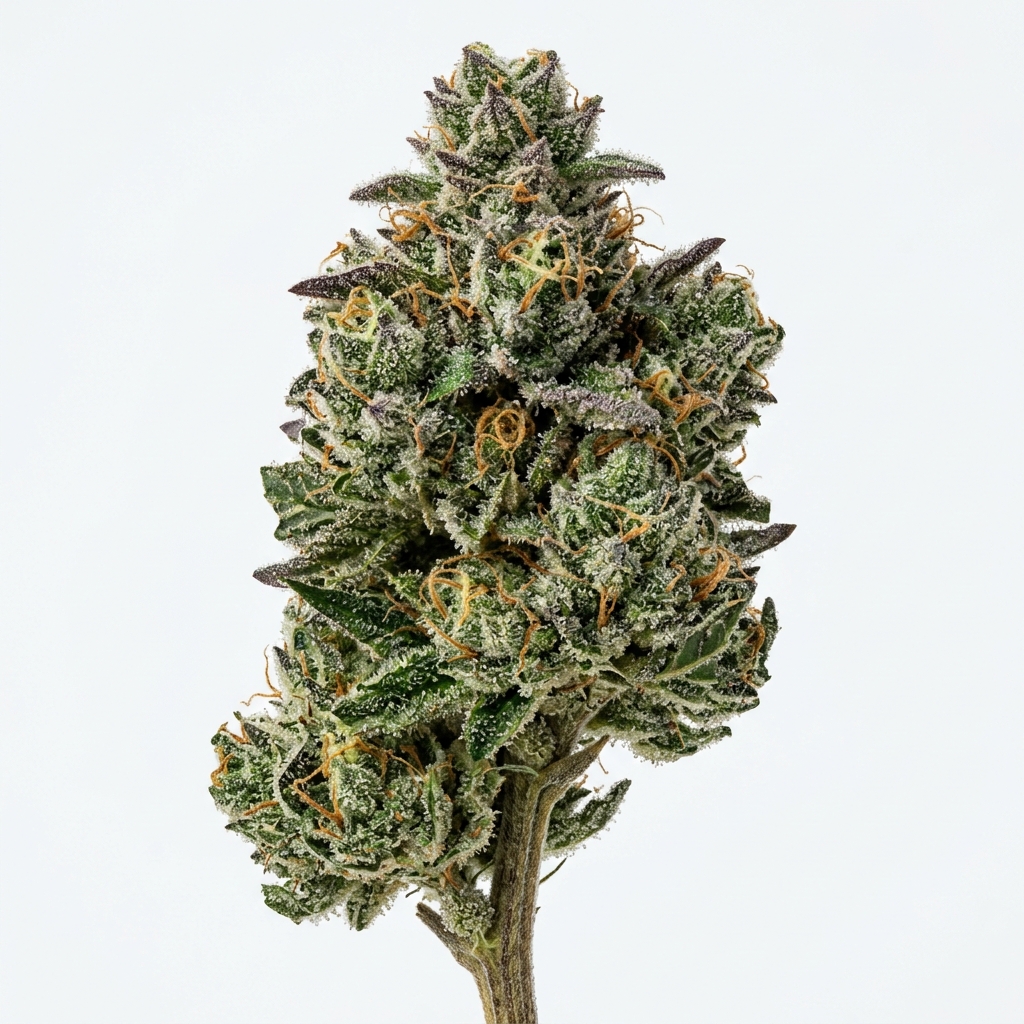
Marathon OG (Cannabis Strain)
Marathon OG is a heavy, indica-dominant hybrid registering between 20% and 28% THC, selected as a premier cut of classic OG Kush
genetics. This cultivar is highly regarded for its greasy resin, signature tart gas and lemon-pine aroma, and a characteristically stretchy growth habit that yields dense, resin-rich flowers. It delivers a heavy evening experience, making it a staple for collectors of fuel-forward kush profiles.
Originally developed in collaboration with late hip-hop artist Nipsey Hussle and cultivated by The Cure Company, this strain has secured a permanent place in the modern gas-profile canon. Unlike sweeter, contemporary dessert hybrids, it maintains the uncompromising, petrol-heavy funk of old-school southern California genetics.
Quick Facts
| Fact | Details |
|---|---|
| Genetics | OG Kush phenotype |
| Variety | Indica-dominant Hybrid |
| THC Range | 20% – 28% |
| Flowering Time | 9 – 10 Weeks |
| Yield Potential | Moderate to High |
| Plant Height | Tall (significant stretch) |
| Climate Preference | Warm, dry, low humidity |
| Difficulty | Moderate to Advanced |
Scientific & Botanical Overview
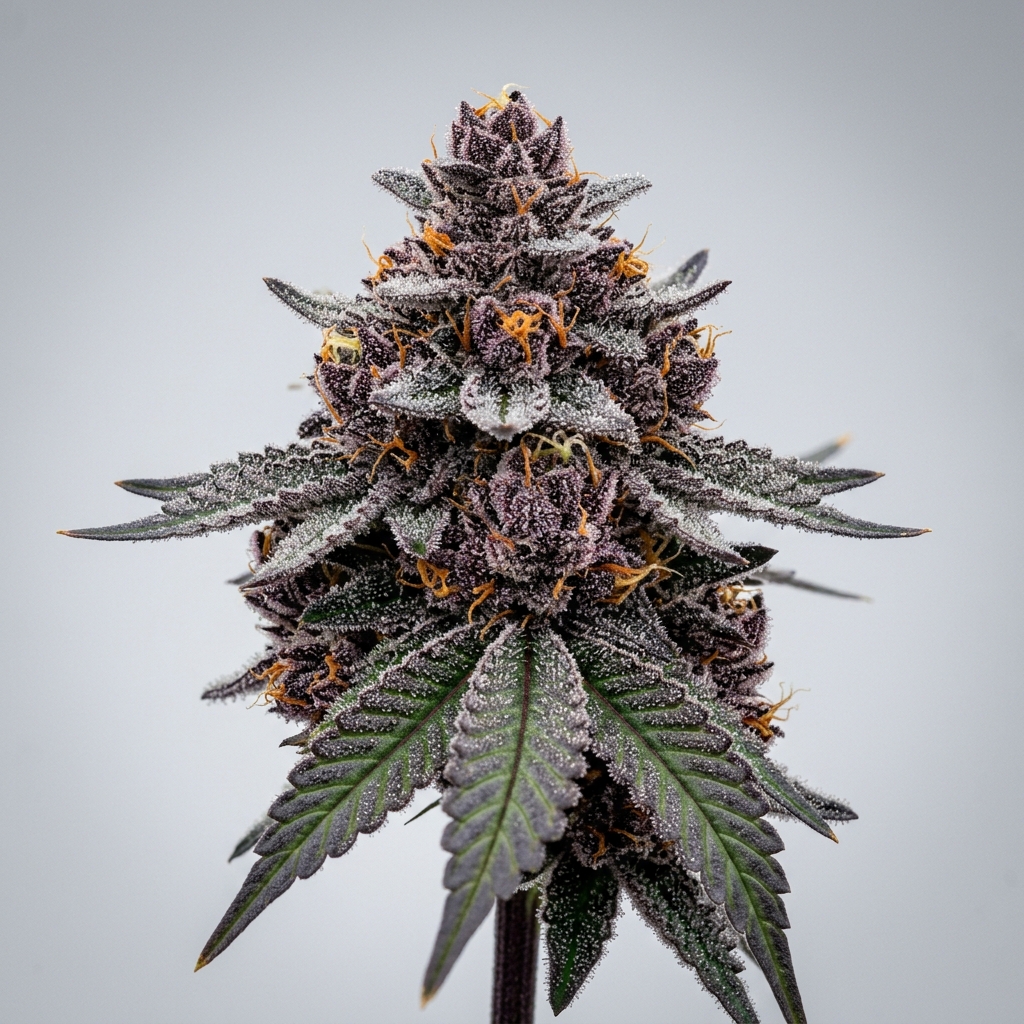
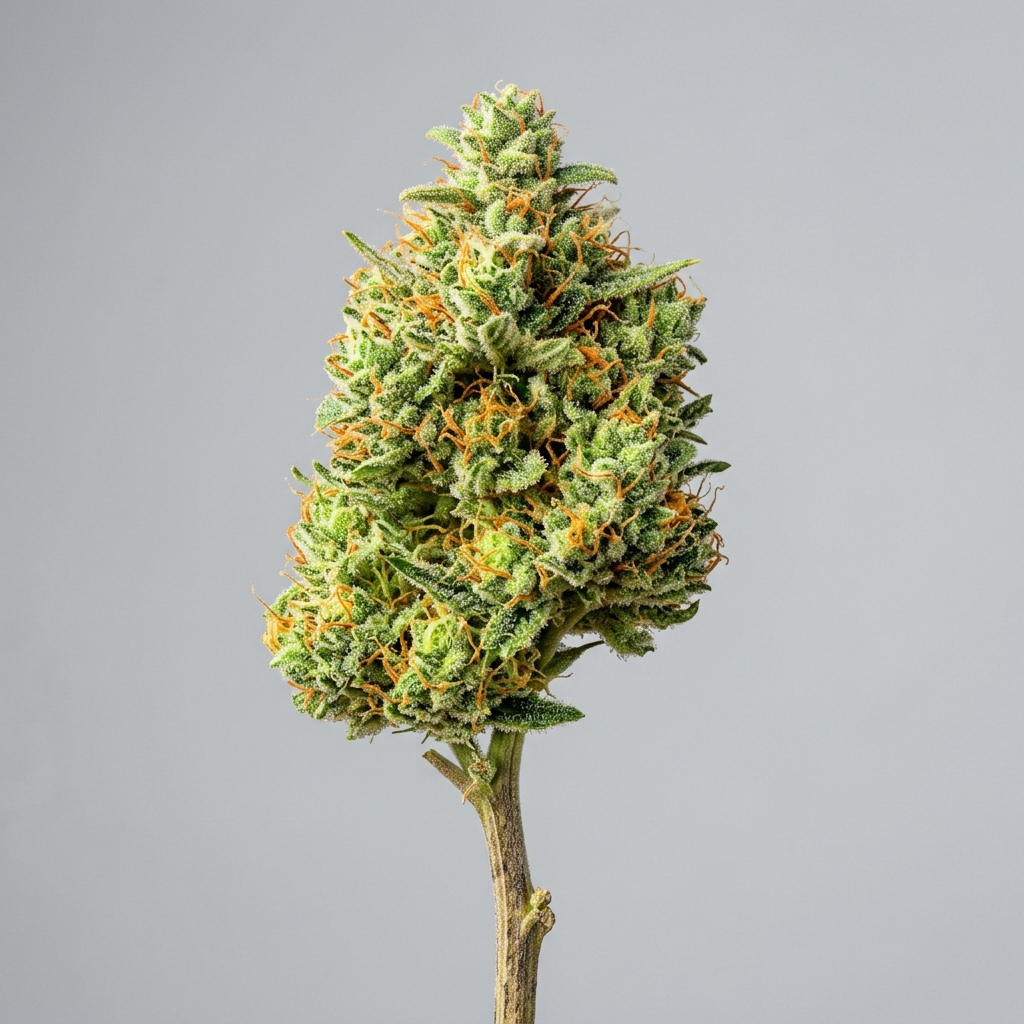
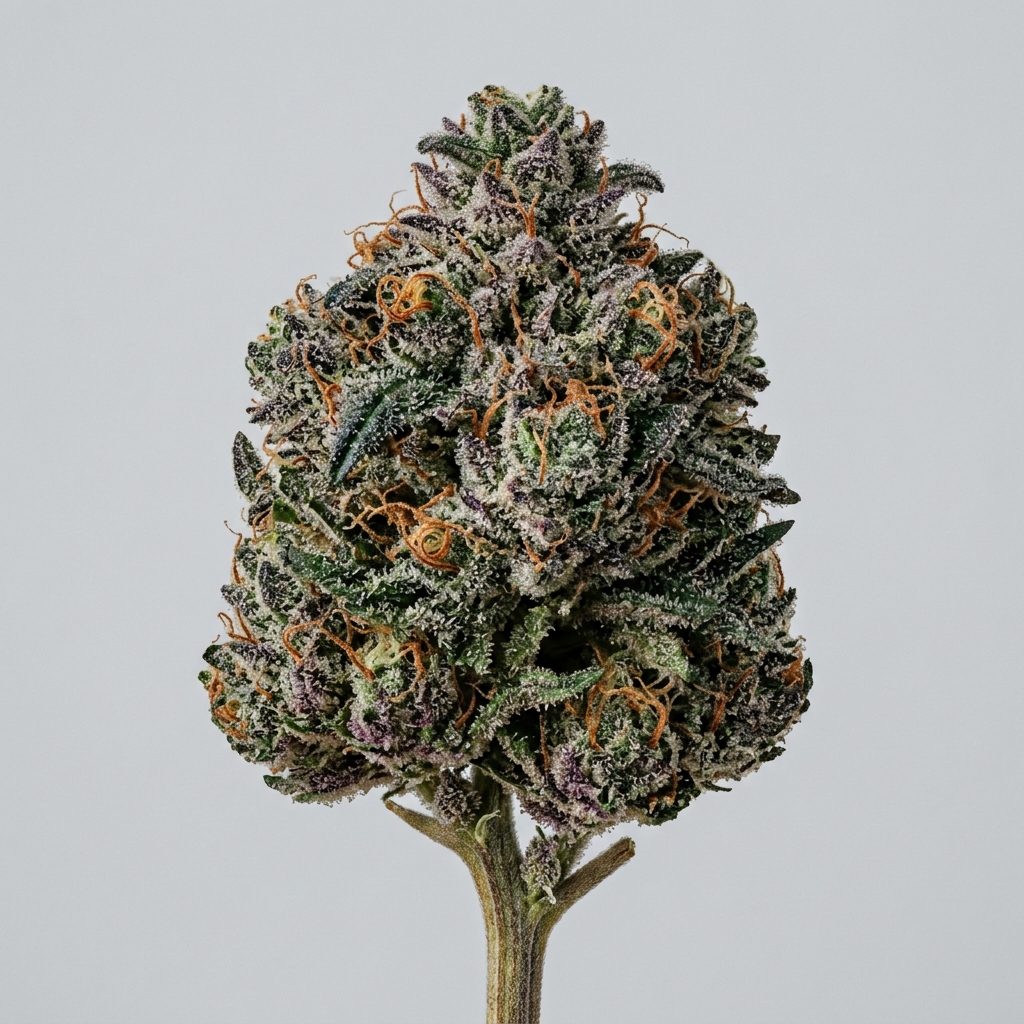
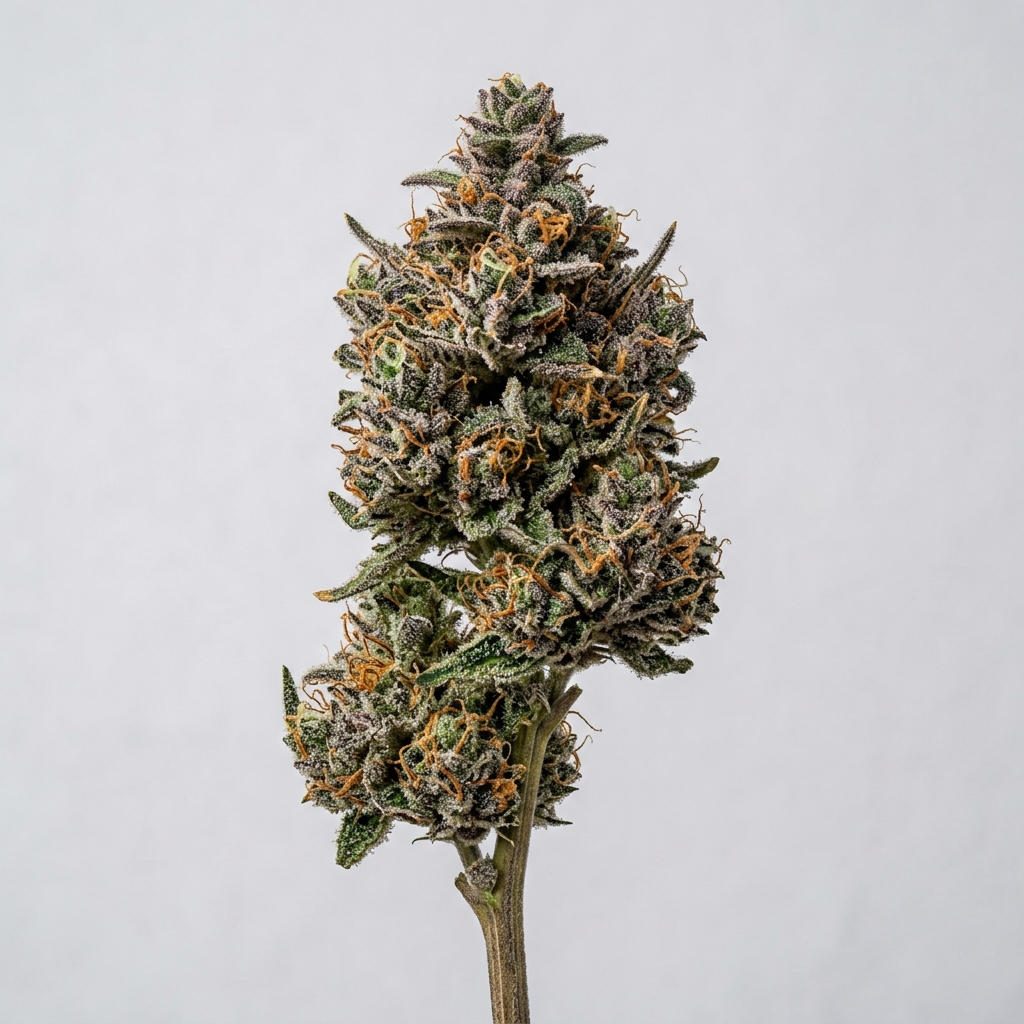
Botanically, Marathon OG shows the classic physical traits of an elite Kush selection, characterized by long, slender branches and relatively wide internodal spacing. The plant produces dense, golf-ball-sized buds adorned with swollen calyxes and a thick, greasy layer of trichomes. During the flowering phase, it undergoes a significant stretch, requiring early structural support to manage its lanky frame.
The foliage features dark green, broad fan leaves that can develop subtle purple hues when exposed to cooler nighttime temperatures late in the cycle. Its high calyx-to-leaf ratio makes trimming efficient, though the extreme stickiness of the resin requires frequent tool cleaning. Airflow management is critical within the canopy due to the density of its mature colas.
Cultivators observe that this phenotype is particularly sensitive to over-watering and high humidity during the final weeks of bloom. Maintaining dry, warm conditions mimics its native arid climate preferences, allowing the terpene profile to reach full maturity without risking mold. The cultivar responds well to silica supplementation to strengthen its thin stems under the weight of its resin-heavy flowers.
Effects & Use-Cases (Reported)
Commonly reported effects include a heavy, creeping physical relaxation coupled with a calm, slow-paced mental ease. Users typically note a release of physical tension that spreads from the neck down, often settling into a deep, immobile state of rest.
Use-case context typically points to late-evening consumption, post-workout recovery, or wind-down routines where physical stillness is desired. Its heavy profile makes it unsuitable for daytime activities requiring high physical coordination or sharp focus.
Note that due to its elevated potency and heavy physical downtime, less experienced users should approach this cultivar with caution to avoid early sedation.
Aroma & Flavors
Aroma: A pungent wave of tart gas, chemical fuel, and damp earth, accented by a sharp lemon cleaner undertone.
Flavor: A rich, oily smoke dominant in earthy kush, sour diesel, and a lingering herbal pine finish.
Terpene associations: Typically dominated by beta-caryophyllene, limonene, and myrcene, which drive its spicy, citrus-fuel character.
Tested Cannabinoid & Terpene Ranges
| Compound | Typical Range |
|---|---|
| Δ9-THC | 20.0% – 28.0% |
| CBD | < 0.2% |
| Beta-Caryophyllene | 0.4% – 0.9% |
| Limonene | 0.3% – 0.7% |
| Myrcene | 0.2% – 0.6% |
Terpene and cannabinoid levels are highly variable and depend heavily on cultivation methods, curing practices, and specific phenotype expressions.
Cultivation Notes
- Humidity Control: Keep relative humidity below 45% during the final three weeks of flowering to protect the dense, resin-rich flowers from moisture retention.
- Structural Support: Implement double trellising early to support the significant vertical stretch and prevent the heavy, glassy buds from snapping the branches.
- Nutrient Feeding: Prefers a moderate nutrient regimen; excessive nitrogen during early flower can exacerbate stretching and loosen bud structure.
- Pruning and Training: use topping and aggressive lollipoping of the lower third to direct energy upward and maximize airflow through the lanky canopy.
- Phenotype Selection: Look for mother plants that exhibit tight calyx clustering and a strong, early fuel aroma during vegetative stem rubs.
Grower Notes (Week-by-Week Snapshot)
- Weeks 1–3 (The Stretch): Expect the plant to double or triple in height once flipped to a 12/12 light cycle. Tuck branches under the first trellis layer and thin out lower fan leaves to improve light penetration.
- Weeks 4–6 (Bud Formation): Small, resinous clusters begin to form along the nodes. Ensure calcium and magnesium levels are stable, and monitor canopy height to avoid light burn.
- Weeks 7–9 (Resin & Swell): Buds swell into dense, sticky spheres while the aroma of petrol and lemon intensifies. Lower night temperatures to encourage potential purple expressions and flush according to your medium’s requirements.
- Post-Harvest (Slow Dry): Hang dry the entire plant for 10 to 14 days at 60°F and 60% relative humidity to preserve the volatile terpene profile before initiating a minimum three-week cure.
Genetic Lineage
Marathon OG is widely recognized as a highly refined, proprietary phenotype of the legendary OG Kush lineage. While some sources suggest it shares direct heritage with SFV OG or a similar classic cut, its precise ancestral selection remains closely guarded by its original California breeders.
This lineage ensures the preservation of the classic, unhybridized kush morphology and chemical output that defined West Coast cannabis in the early 2000s. Its genetic stability makes it a popular choice for breeders looking to inject raw gas and physical potency into modern, dessert-leaning crosses.
Research Insights
Analytical testing reveals a high concentration of sesquiterpenes, particularly beta-caryophyllene, which interacts directly with peripheral receptors. This chemical profile underpins the strain’s reputation for providing a deeply physical, grounding experience without the energetic spikes associated with limonene-dominant sativa cultivars.
Phytochemical research suggests that the synergistic relationship between its high THC content and minor terpenes like humulene and linalool enhances its long-lasting physical effects. This distinct chemical signature makes the cultivar a valuable subject for studies focusing on cannabis-derived compounds and physical relaxation.
Frequently Asked Questions
Is Marathon OG an indica or sativa?
Marathon OG is an indica-dominant hybrid. Its growth structure mimics a classic, stretchy OG Kush, while its effects are heavily physical and relaxing, typical of classic indica cultivars.
What does Marathon OG smell like?
It features a dominant aroma of pungent diesel fuel, damp earth, and pine, accented by a sharp, chemical lemon undertone. It is highly regarded by enthusiasts of old-school, gas-forward profiles.
Is this strain difficult to grow?
It is considered moderately difficult to cultivate. The plant undergoes a significant stretch during early flower and has thin branches that require physical support, such as trellising, to prevent them from collapsing under the weight of the dense buds.
What are the primary terpenes in Marathon OG?
The most prominent terpenes commonly found in this cultivar are beta-caryophyllene, limonene, and myrcene, which combine to create its spicy, gassy, and citrusy aromatic profile.
Educational Disclaimer
This article is for educational and informational purposes only. Cannabis laws and regulations vary by jurisdiction. Cultivation and consumption should always comply with local laws and guidelines.
Rate and review this strain
Ratings and reviews are accepted only from signed-in Google accounts.
Sign in with Google to leave a rating and written review.
Latest Reviews
0 reviewsNo reviews yet. Be the first Google user to rate and review this strain.