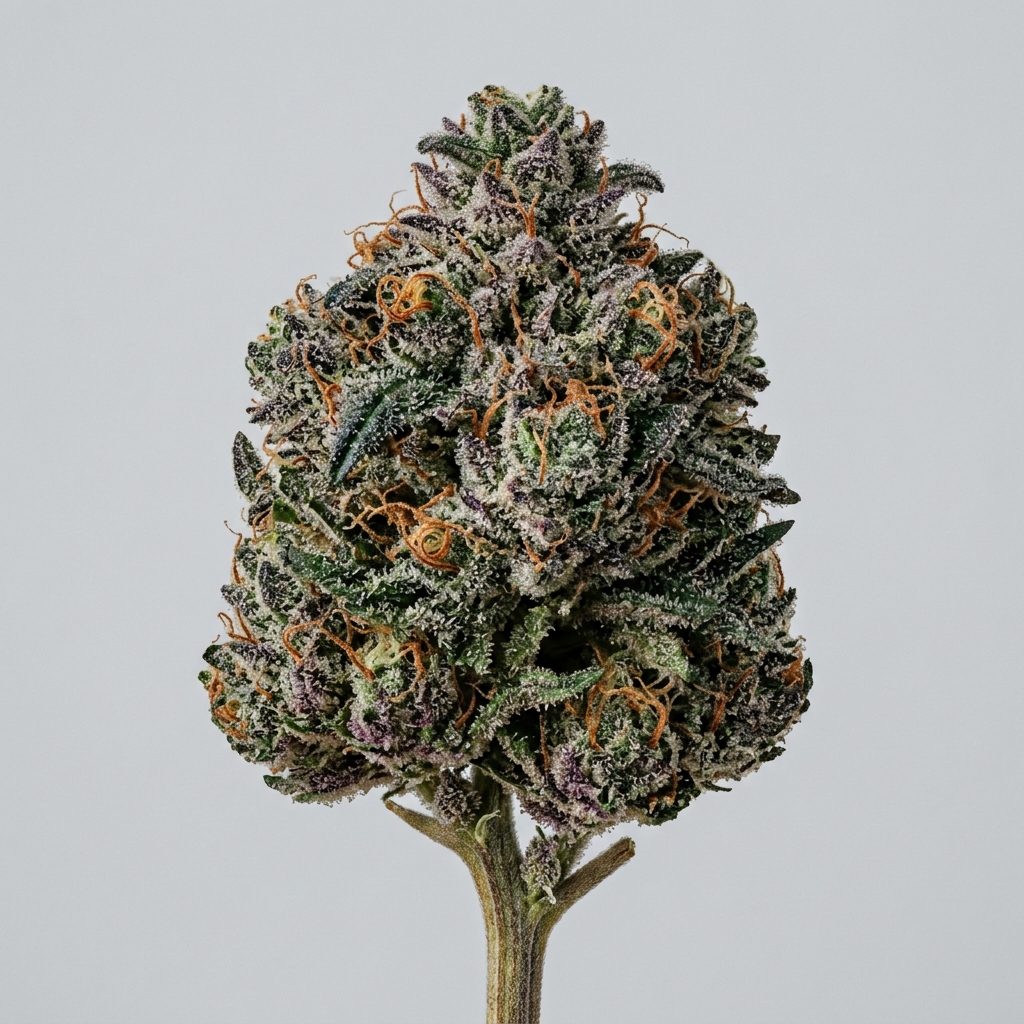
Thin Mint Cookies (Cannabis Strain)
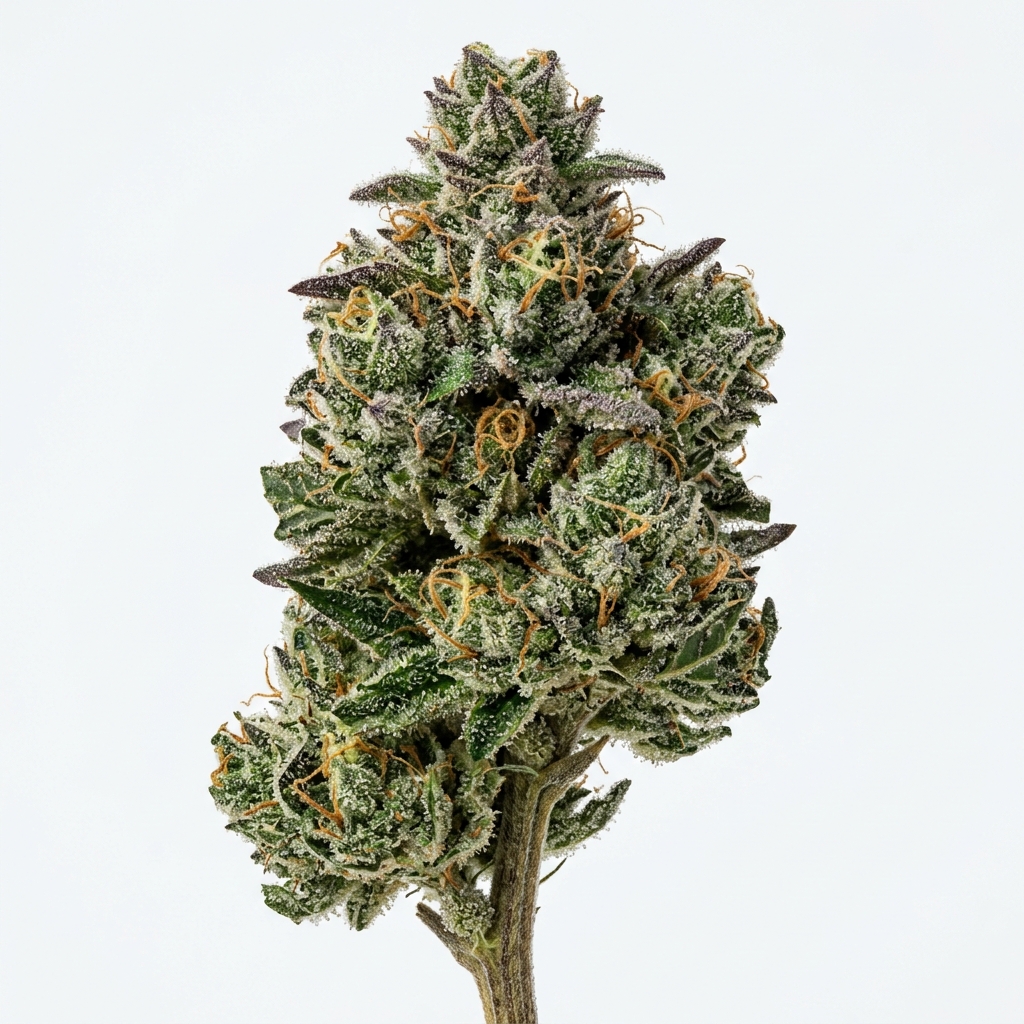
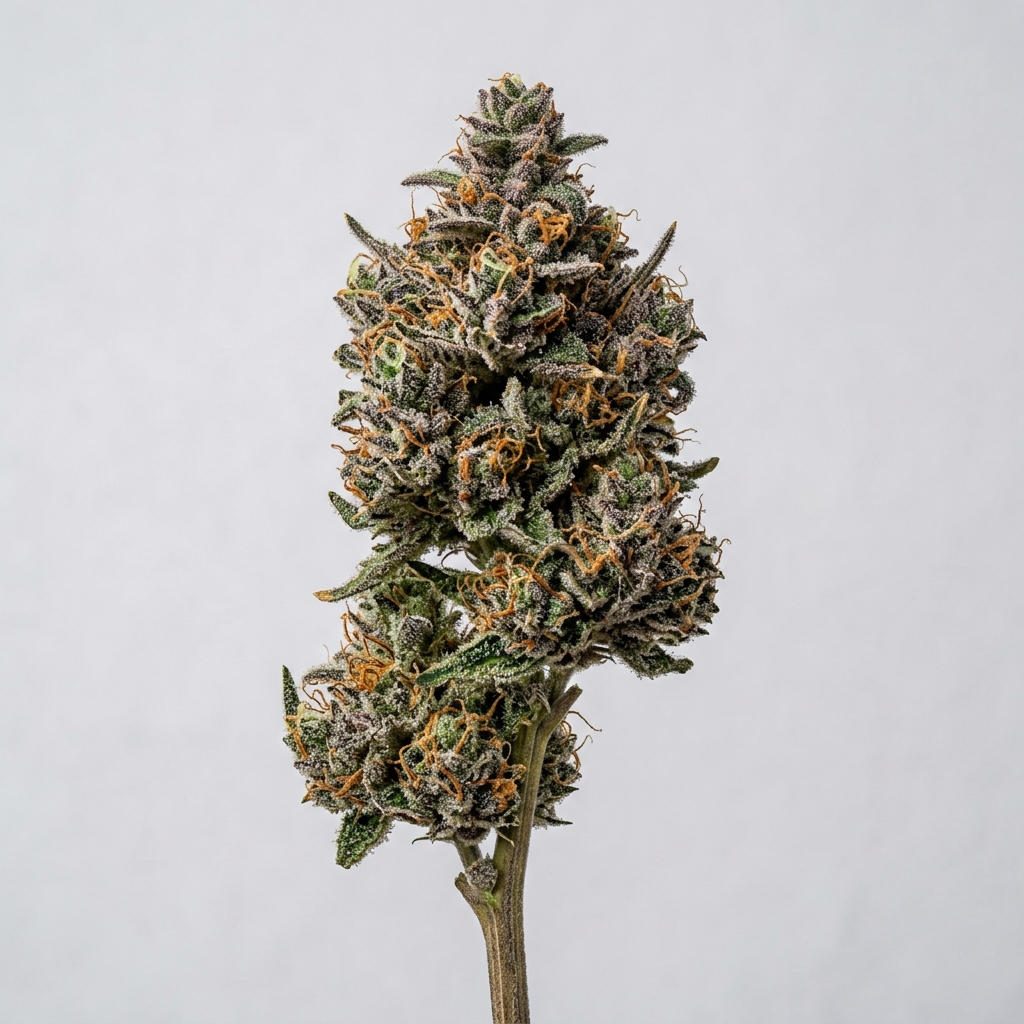
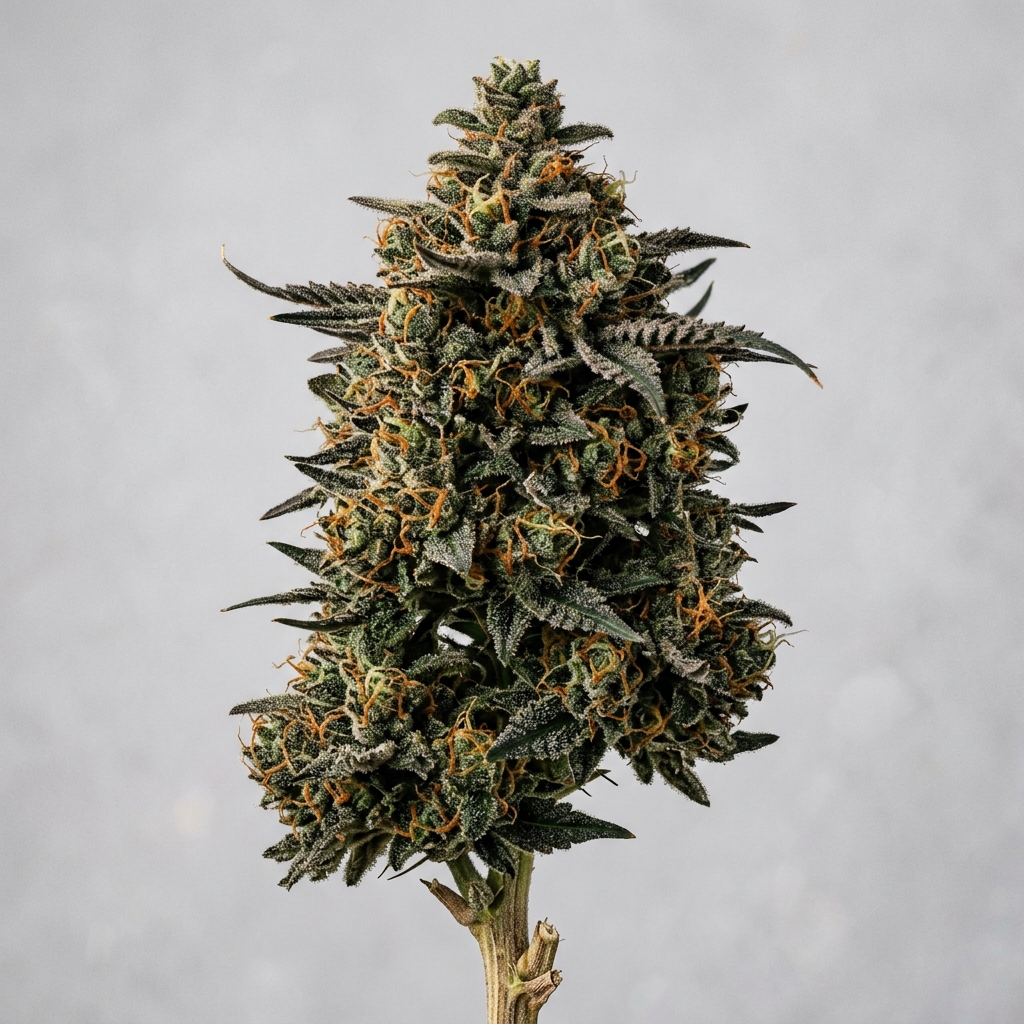
Thin Mint Cookies is a distinct phenotype of the Girl Scout Cookies lineage, typically testing between 20% and 25% THC. This indica-dominant hybrid, originating from a cross of Durban Poison and OG Kush, is characterized by its dark, resin-rich flowers, mint-chocolate dough aroma, and moderate, controlled stretch during flower. With its dense bracts and heavy coating of wet frost, this cultivar remains a staple for extraction-grade resin and top-shelf flower curation.
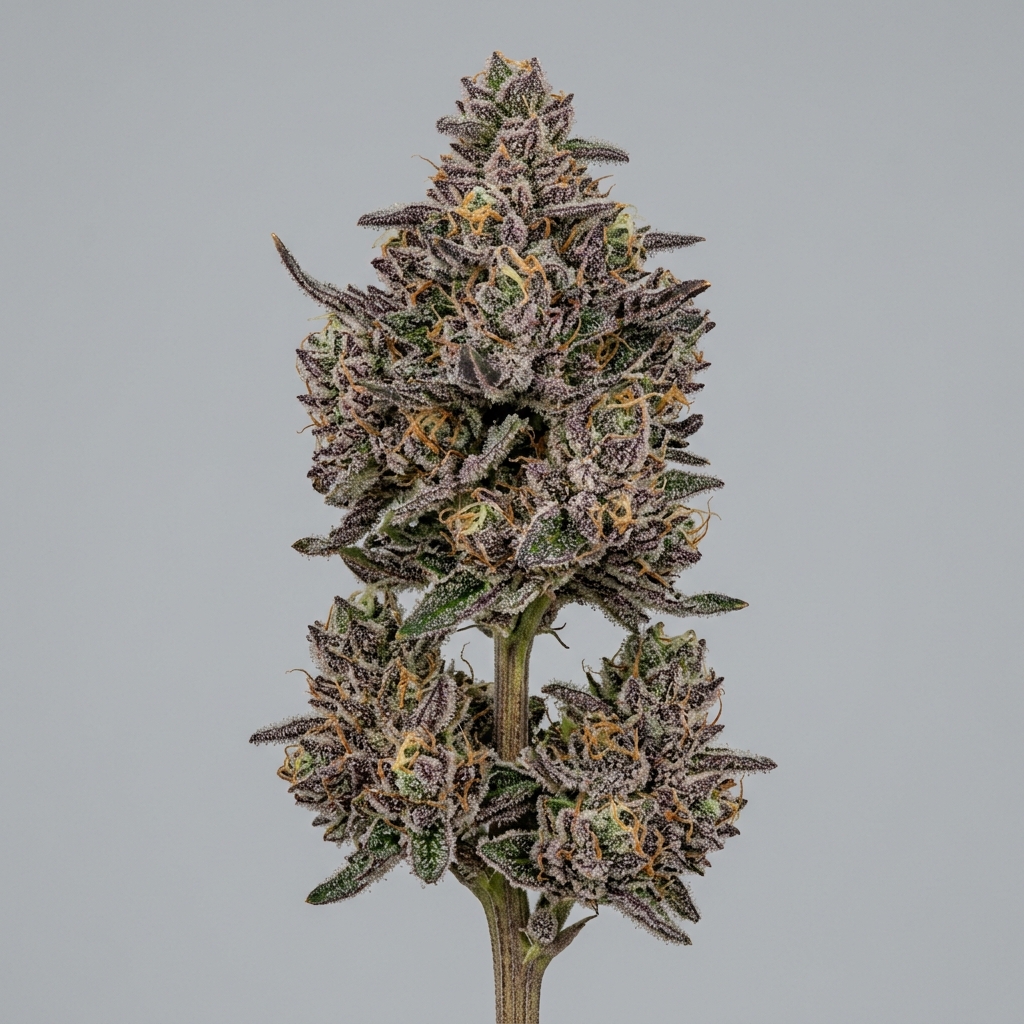
Growers value this selection for its deep purple coloration and reliable bud structure. It maintains a manageable canopy while delivering a complex terpene profile that blends sharp menthol with an earthy kush base.
Quick Facts
| Key Metric | Details |
|---|---|
| Genetics | Durban Poison × OG Kush (GSC Phenotype) |
| Variety | Indica-dominant Hybrid |
| THC Range | 20% – 25% |
| Flowering Time | 8 – 9 Weeks |
| Yield Potential | Moderate |
| Plant Height | Medium |
| Climate Preference | Temperate, low humidity |
| Difficulty | Moderate |
Scientific & Botanical Overview
Botanically, Thin Mint Cookies shows classic hybrid morphology with strong indica structural traits. The plant produces broad fan leaves that often turn deep forest green or royal purple as the flower cycle progresses. Its tight internodes support dense, golf-ball-sized clusters rather than long, airy spear colas.
The calyx-to-leaf ratio is highly favorable, allowing for excellent airflow through the canopy if properly defoliated. Swollen calyxes stack tightly along the branches, eventually becoming coated in a thick layer of greasy resin that extends to the sugar leaves. This high trichome density makes the cultivar particularly popular for solventless extraction.
Anthocyanin accumulation is highly sensitive to temperature drops in late flower. Introducing cooler night temperatures during the final two weeks encourages the deep purple and near-black hues that define its bag appeal.
Effects & Use-Cases (Reported)
Commonly reported effects: Users frequently describe a rapid onset of mental clarity accompanied by a heavy, relaxing physical sensation. The experience begins with a sharp cerebral lift that transitions smoothly into a warm, grounding body melt without immediate sedation.
Use-case context: This balanced profile makes it well-suited for late afternoon or evening use, helping to wind down after active periods. The physical relaxation supports quiet creative work or social relaxation without inducing heavy lethargy.
Note: Individual tolerance and dosage play a significant role in the overall experience; higher amounts may lead to a more sedative, couch-locked state.
Aroma & Flavors
Aroma: A complex blend of sweet peppermint, dark chocolate, and a rich, earthy dough base, underscored by a subtle hint of spicy fuel.
Flavor: The smoke carries a distinct menthol freshness on the inhale, followed by a sweet, pastry-like doughiness and a lingering dark berry edge on the exhale.
Terpene associations: Dominated by caryophyllene, limonene, and myrcene, which combine to produce its signature spice-and-citrus-tinged mint finish.
Tested Cannabinoid & Terpene Ranges
| Compound | Typical Range |
|---|---|
| Δ9-THC | 20.0% – 25.0% |
| CBD | < 1.0% |
| CBG | 0.5% – 1.2% |
| Beta-Caryophyllene | 0.4% – 0.8% |
| Limonene | 0.3% – 0.6% |
| Myrcene | 0.2% – 0.5% |
Note: Cannabinoid and terpene levels are highly variable and depend on specific cultivation practices, environmental conditions, and curing methods.
Cultivation Notes
- Humidity management: Keep relative humidity (RH) below 45% during the final three weeks of flowering to protect the dense, compact buds from moisture retention.
- Nutrient requirements: This cultivar responds well to a moderate feeding schedule, showing sensitivity to excess nitrogen during early flower.
- Canopy training: Utilizing low-stress training (LST) and topping early in veg helps spread the canopy, maximizing light penetration to lower bud sites.
- Temperature control: Drop nighttime temperatures by 10–15°F in late flower to stimulate the expression of deep purple pigments.
- Harvest window: Look for amber trichomes to reach roughly 10–15% on the calyxes for the most balanced cannabinoid profile.
Grower Notes (Week-by-Week Snapshot)
- Weeks 1–3 (Vegetative & Early Stretch): The vegetative stage requires regular topping to promote lateral branching. During the first two weeks of flower, expect a moderate, controlled stretch of about 50–80% of its vegetative height.
- Weeks 4–6 (Mid-Flower): Bud sites begin to stack rapidly, developing tight, resinous clusters. Leaf tucking or light defoliation is recommended to improve light penetration through the broad fan leaves.
- Weeks 7–9 (Late Flower & Flush): Resin production peaks, and the sweet mint aroma intensifies. Lower the room temperature and flush with plain water during the final 10 days to clear out nutrient salts and encourage deep purple coloration.
- Post-Harvest (Cure): A slow dry at 60°F and 60% RH for 10–14 days is essential to preserve the delicate volatile monoterpenes and maintain the signature mint finish.
Genetic Lineage
Thin Mint Cookies is a select phenotype of Girl Scout Cookies, a legendary cross of Durban Poison and OG Kush. The Durban Poison lineage contributes the sharp, uplifting sweet notes and tight bud density, while the OG Kush parentage brings the heavy resin, earthy undertones, and physical relaxation.
This specific phenotype was isolated for its unique minty organoleptic profile and striking dark coloration. It has since become a cornerstone parent genetic, used by breeders worldwide to inject resin density and dessert-like terpene profiles into modern hybrids.
Research Insights
Analytical testing reveals a high concentration of the sesquiterpene caryophyllene, which interacts directly with peripheral CB2 receptors. This compound works alongside limonene to provide a balanced sensory experience, tempering the high THC content with clear-headed focus.
The presence of minor cannabinoids like cannabigerol (CBG) in tested samples suggests a complex chemical footprint. Researchers note that the combination of these minor compounds with a diverse terpene profile contributes to the strain's long-lasting physical and mental effects.
Frequently Asked Questions
Is Thin Mint Cookies an indica or sativa?
Thin Mint Cookies is an indica-dominant hybrid, typically leaning 60% indica and 40% sativa, offering a balance of physical relaxation and cerebral clarity.
What does Thin Mint Cookies smell like?
It features a rich aroma of sweet peppermint, dark chocolate, and earthy dough, with a subtle, earthy kush undertone.
How long does Thin Mint Cookies take to flower?
This cultivar typically finishes its flowering cycle in 8 to 9 weeks when grown indoors.
Why do the leaves turn purple?
The purple coloration is caused by natural pigments called anthocyanins, which become prominent when the plant is exposed to cooler nighttime temperatures during late flowering.
Educational Disclaimer
This article is for educational and informational purposes only. Cannabis laws and regulations vary by jurisdiction. Always consult with a professional before undertaking cultivation or consumption.
Rate and review this strain
Ratings and reviews are accepted only from signed-in Google accounts.
Sign in with Google to leave a rating and written review.
Latest Reviews
0 reviewsNo reviews yet. Be the first Google user to rate and review this strain.