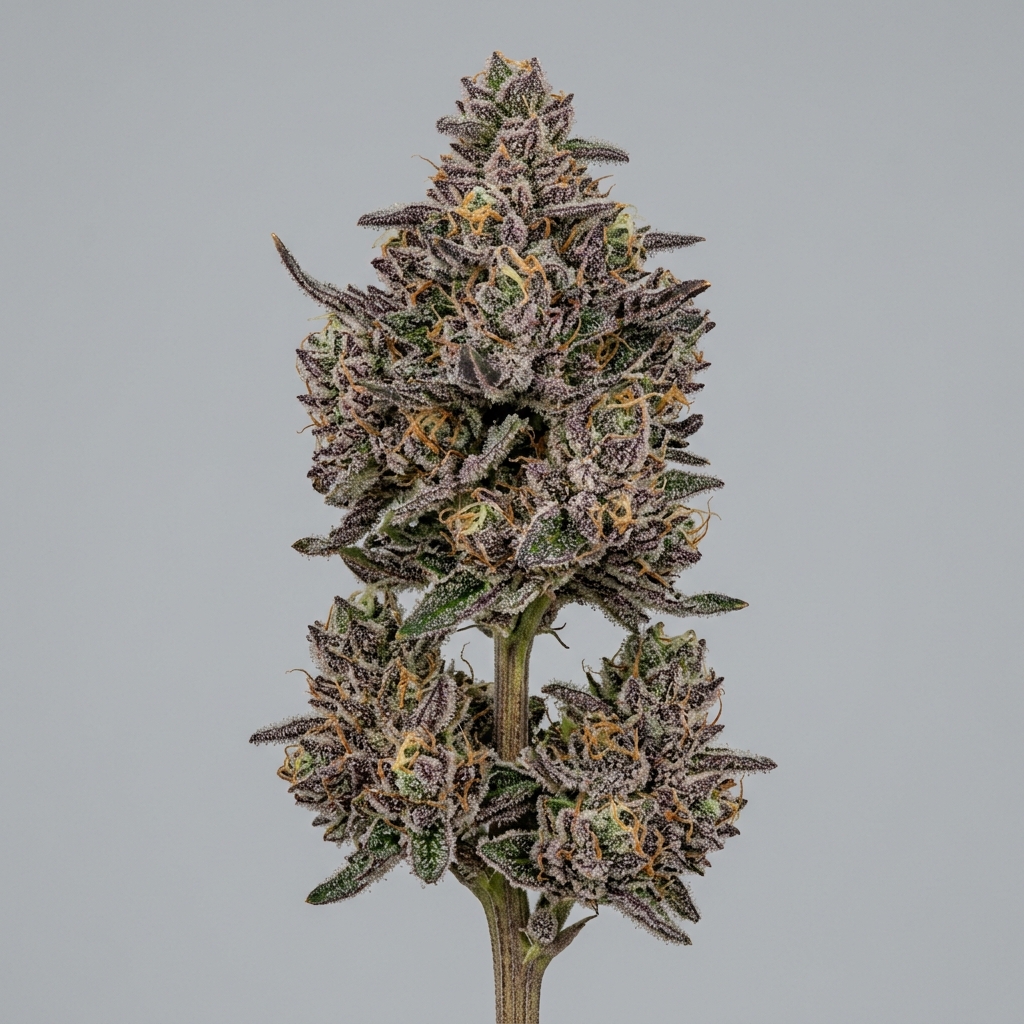
GMO Rootbeer (Cannabis Strain)
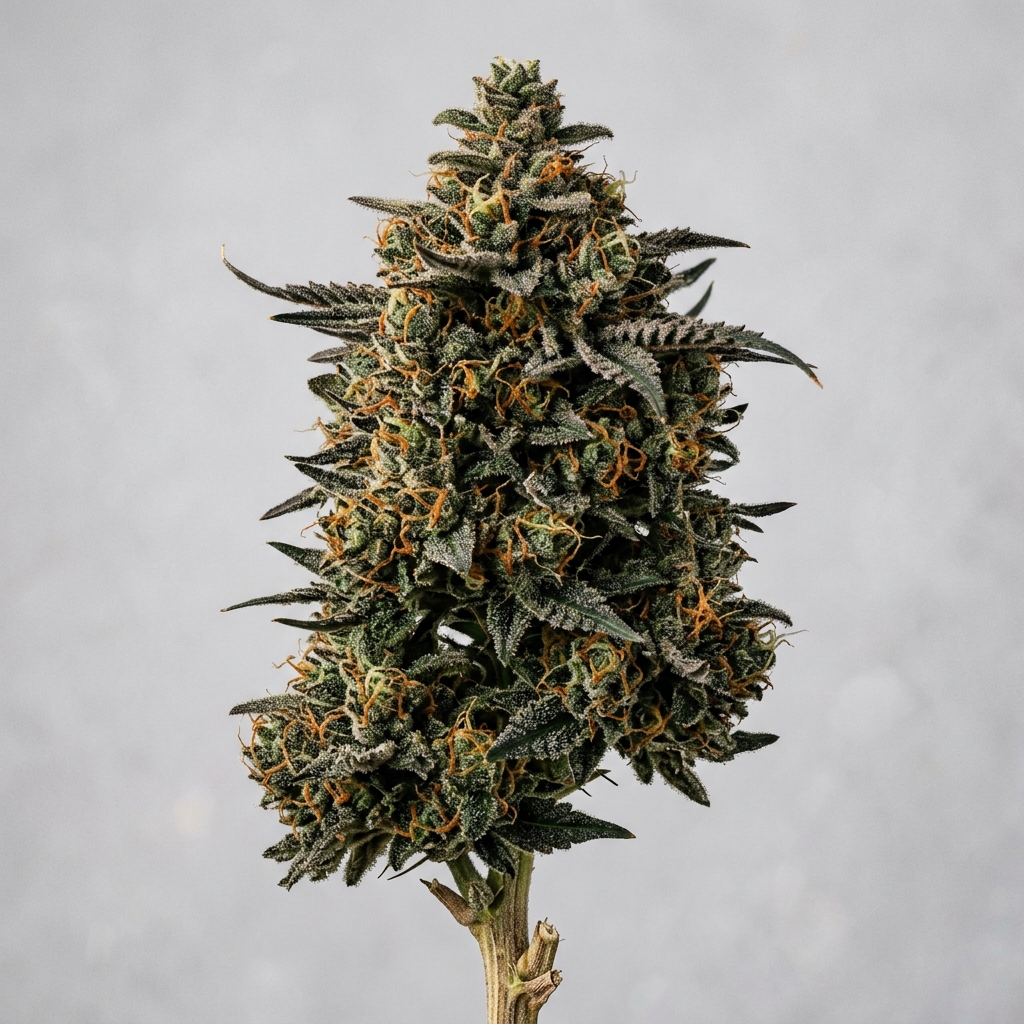
GMO Rootbeer is an indica-dominant hybrid typically testing between 24% and 30% THC, created by crossing the legendary GMO Cookies with a select Root Beer male. This cultivar is highly regarded for its greasy resin production and a complex aromatic profile that fuses savory garlic-onion gas with sweet, spiced sarsaparilla and anise. Cultivators prize the strain for its moderate stretch and dense, resin-drenched spear colas that make it an useful selection for solventless extraction.
While it carries the heavy, physical relaxation typical of its GMO lineage, the unique root beer terpene profile adds a sweet, warming layer to the experience. It has quickly earned a reputation among growers and extractors who demand high-yielding trichome heads and a distinct, savory-sweet shelf presence.
Quick Facts
| Metric | Details |
|---|---|
| Genetics | GMO Cookies × Root Beer |
| Variety | Indica-dominant Hybrid |
| THC Range | 24% – 30% |
| Flowering Time | 9 – 10 Weeks |
| Yield Potential | Moderate to High |
| Plant Height | Medium to Tall (controlled stretch) |
| Climate Preference | Temperate, low late-flower humidity |
| Difficulty | Moderate |
Scientific & Botanical Overview
Botanically, GMO Rootbeer inherits the structural strength of its GMO parent, exhibiting broad fan leaves and tight internodal spacing during the early vegetative phase. As the plant transitions to flower, it undergoes a notable but manageable stretch, requiring early support to manage the weight of its developing colas.
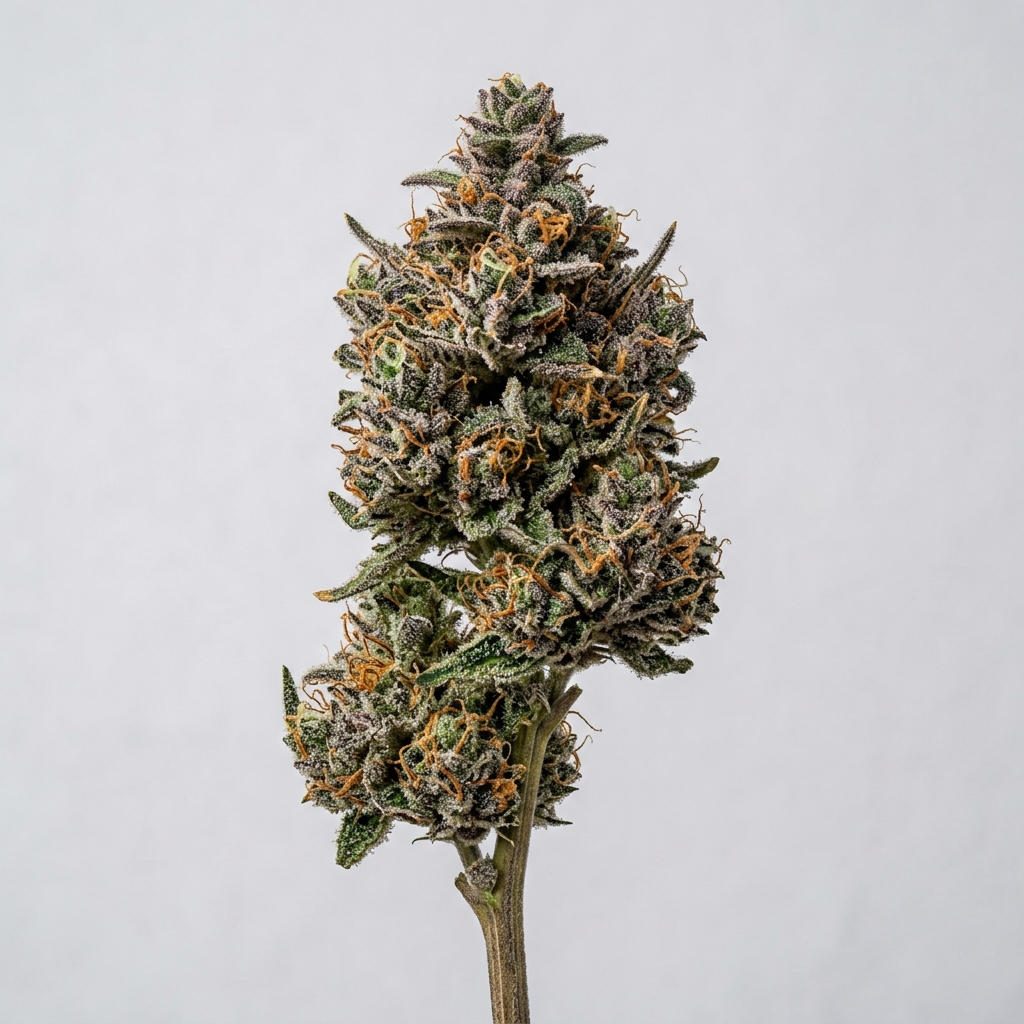
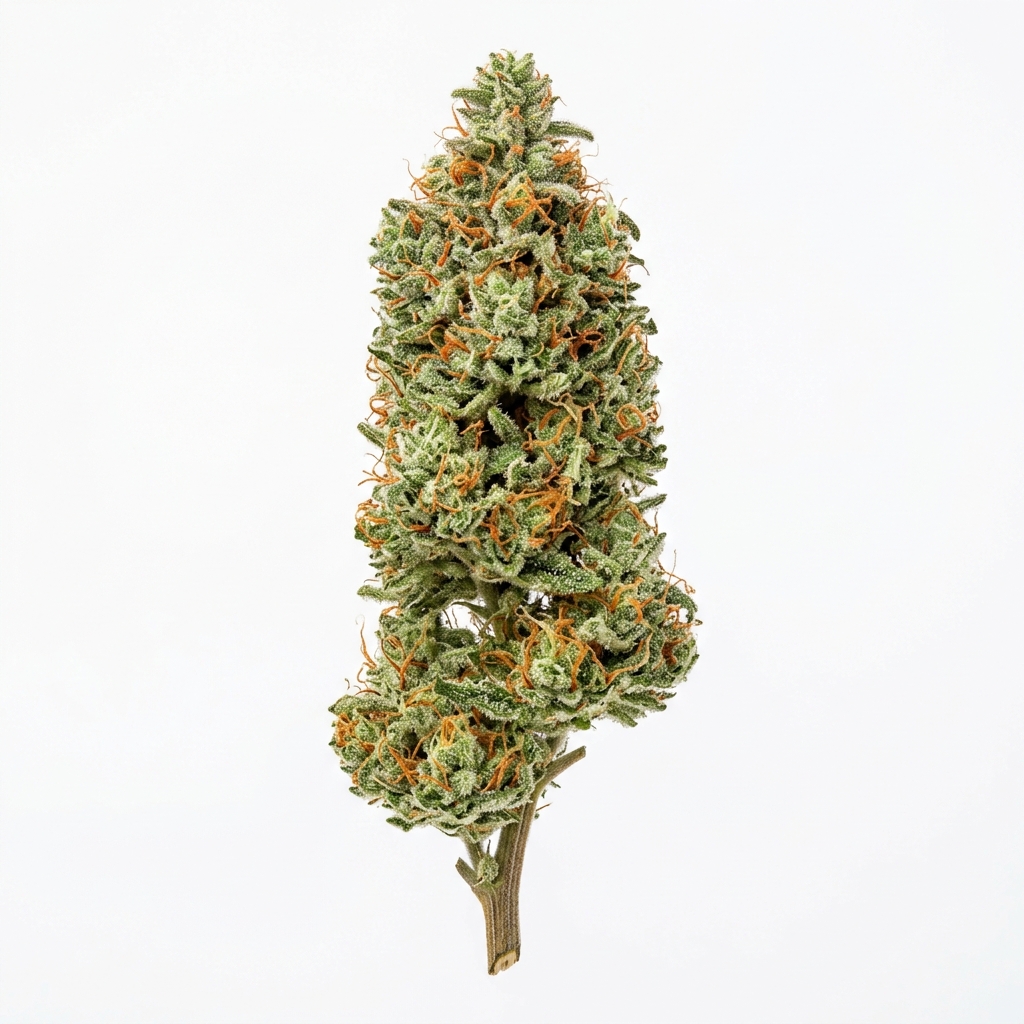
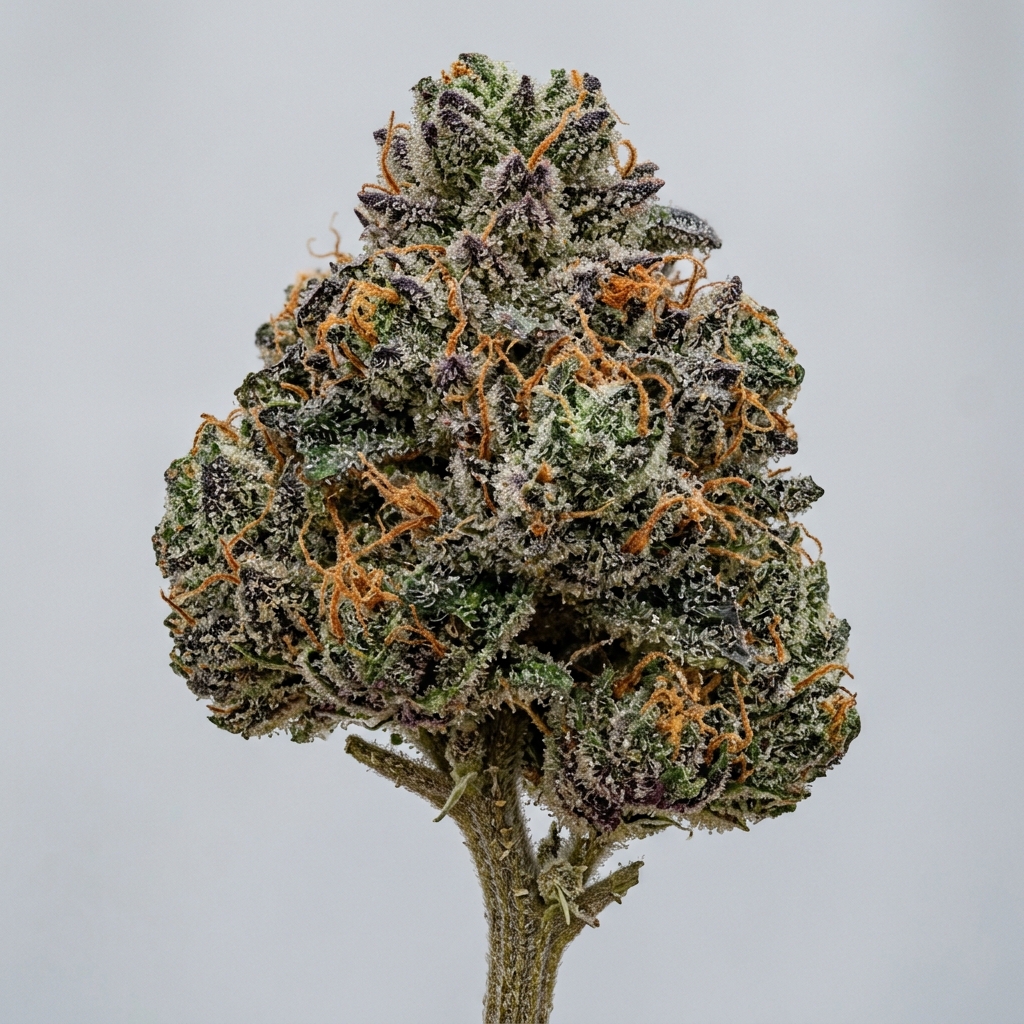
The bracts are dense and tightly packed, covered in a thick layer of capitate-stalked trichomes that develop early in the flowering cycle. This heavy resin coverage often gives the mature buds a wet, glassy appearance, with swollen calyxes that frequently display deep purple undertones under cooler night temperatures.
The cultivar’s physical output is characterized by a high concentration of sesquiterpenes and monoterpenes, which contribute to its sticky, greasy texture. Proper airflow is essential throughout the flowering cycle, as the sheer density of the buds makes them sensitive to microclimate moisture pockets.
Effects & Use-Cases (Reported)
Commonly reported effects: A heavy, warming physical sensation that begins in the limbs before settling into deep, long-lasting relaxation. Many note a calm, reflective mental state that avoids immediate sedation but gradually eases into physical restfulness.
Use-case context: Best suited for evening use or post-cultivation analysis, where its heavy physical footprint can be fully appreciated. It is frequently selected by extraction artists looking for high-quality wash yields with a unique, savory-sweet terpene transfer.
Note: Due to its high cannabinoid concentration, newer consumers should approach this cultivar with caution to avoid over-sedation.
Aroma & Flavors
Aroma: A pungent mix of fermented garlic, damp earth, and sharp chemical gas, balanced by a distinct sweet, herbal undertone reminiscent of spiced sarsaparilla and wintergreen.
Flavor: The smoke is thick and coat-the-mouth savory, delivering initial notes of toasted garlic and diesel before finishing with a sweet, aniseed and root beer spice on the exhale.
Terpene associations:
Myrcene, Limonene, and Caryophyllene dominate the profile, with trace amounts of humulene contributing to its earthy, woodsy background.
Tested Cannabinoid & Terpene Ranges
| Compound | Tested Range |
|---|---|
| Δ9-THC | 24.0% – 30.0% |
| CBD | 0.1% – 0.5% |
| CBG | 0.5% – 1.5% |
| Myrcene | 0.8% – 1.5% |
| Limonene | 0.4% – 0.8% |
| Caryophyllene | 0.3% – 0.7% |
Values are based on laboratory averages of mature, cured flower samples and may vary depending on cultivation methods and environmental variables.
Cultivation Notes
- Humidity: Maintain vegetative humidity around 60-65%, but drop aggressively to 40-45% in late flower to prevent moisture buildup in the dense colas.
- Nutrition: Responds well to a steady, moderate feeding regimen; avoid over-fertilizing with nitrogen during mid-to-late flower to preserve terpene clarity.
- Training: Implement topping and low-stress training (LST) early to create an even canopy, and use trellising to support the heavy spear colas during the final weeks.
- Harvest: Look for a high ratio of milky to amber trichome heads, typically occurring between days 63 and 70 of flowering.
- Phenotype management: Select for phenotypes that display the distinct spiced root beer aroma early in week 5 of flower while maintaining the greasy resin structure of the GMO parent.
Grower Notes (Week-by-Week Snapshot)
- Weeks 1–3 (Transition & Stretch): The plants will stretch moderately upon switching to a 12/12 light cycle. Prune lower fan leaves and minor bud sites (lollipoping) before week 3 to improve airflow and direct energy to the upper canopy.
- Weeks 4–6 (Bud Development & Resin Onset): Flowers begin to stack rapidly, and resin production starts early, coating the developing bracts in a sticky, wet frost. Ensure support structures are secure as the colas begin to gain weight.
- Weeks 7–9+ (Maturation & Flush): Buds swell significantly, displaying swollen calyxes and deep purple hues if night temperatures are lowered. Reduce humidity, monitor trichome maturity closely, and execute a thorough flush to ensure a clean burn and pure flavor.
- Post-Harvest (Cure): A slow, cold dry at 60°F (15°C) and 60% relative humidity for 10 to 14 days is crucial to preserve the delicate volatile terpenes before a minimum three-week glass jar cure.
Genetic Lineage
The lineage of GMO Rootbeer is a compelling blend of contemporary gas and classic herbal sweetness. Its maternal parent, GMO Cookies (also known as Garlic Cookies), is a highly potent cross of Chemdawg and GSC, renowned for its offensive savory aroma, high yields, and extreme resin density.
The paternal contributor, Root Beer, is a highly sought-after clone-only cultivar or select male line known for its distinct sarsaparilla and wintergreen terpene profile. By crossing these two distinct profiles, breeders successfully combined the heavy-hitting, greasy characteristics of GMO with the sweet, spiced complexity of the Root Beer line.
Research Insights
Analytical testing of GMO Rootbeer highlights a fascinating interaction between its high concentration of caryophyllene and myrcene. The presence of these terpenes, combined with a robust cannabinoid profile, suggests a strong affinity for CB2 receptors, which may explain the profound physical relaxation reported by consumers.
From a breeding perspective, the cultivar is highly valued for its stable trichome structure. The large, durable heads of its capitate-stalked trichomes make it highly resilient during physical agitation, making it a preferred choice for ice water extraction and dry sift production.
Frequently Asked Questions
What is the genetic background of GMO Rootbeer?
GMO Rootbeer is an indica-dominant hybrid created by crossing the savory, gas-heavy GMO Cookies with a select, sweet-spiced Root Beer male. This combination yields a plant with high resin output and a unique sweet-and-savory profile.
What does GMO Rootbeer smell and taste like?
The cultivar features a complex aroma of fermented garlic, damp earth, and chemical gas from its GMO parent, balanced by a distinct, sweet sarsaparilla and aniseed flavor on the exhale.
Is GMO Rootbeer difficult to grow?
It is of moderate difficulty. The plants require early training to manage their moderate stretch and need strict humidity control in late flower due to the extreme density of the developing colas.
How long does GMO Rootbeer take to flower?
This strain typically completes its flowering cycle in 9 to 10 weeks (63 to 70 days), with trichome maturity and terpene development peaking in the final week.
Educational Disclaimer
This content is provided for educational and informational purposes only. Cultivation and consumption of cannabis are subject to varying local laws and regulations. Consult with local guidelines and professionals before pursuing cultivation.
Rate and review this strain
Ratings and reviews are accepted only from signed-in Google accounts.
Sign in with Google to leave a rating and written review.
Latest Reviews
0 reviewsNo reviews yet. Be the first Google user to rate and review this strain.