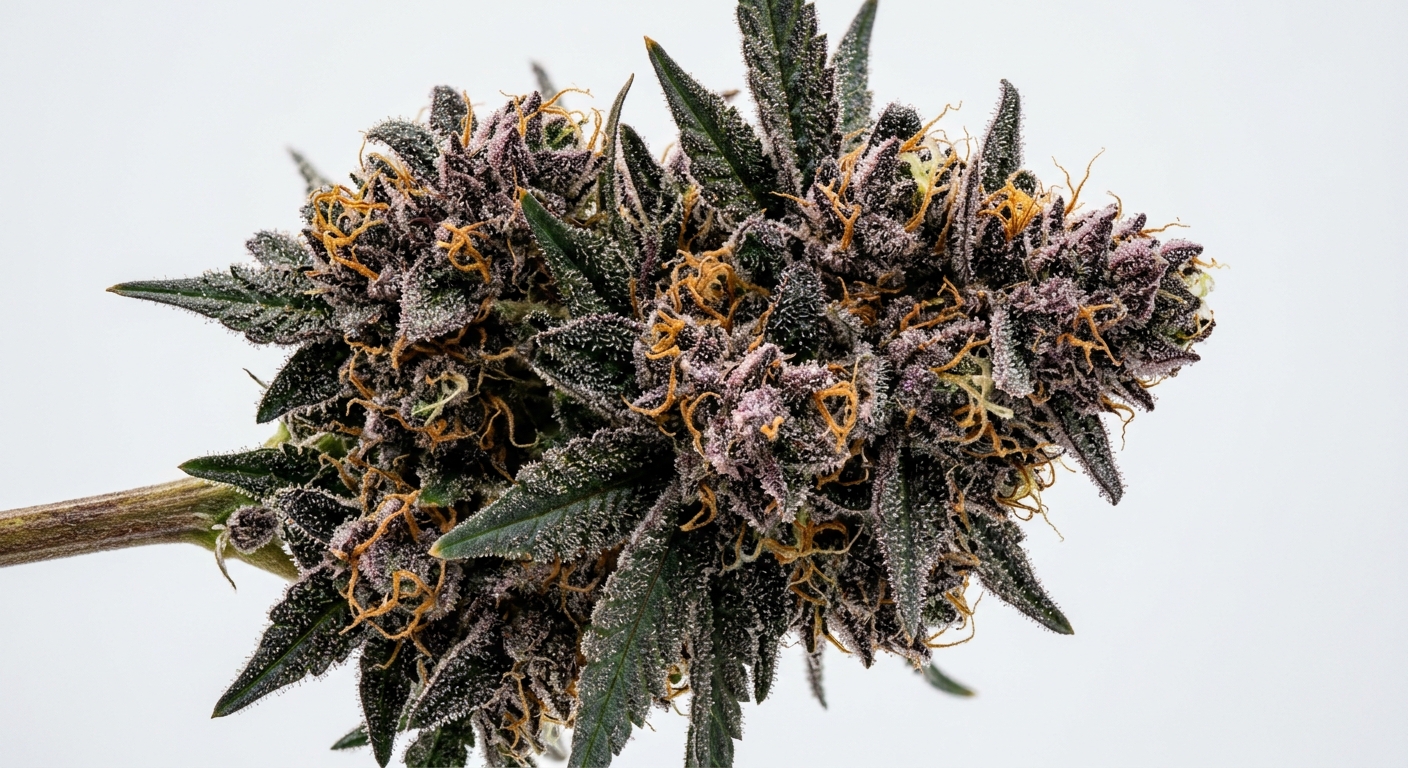
Grape Runtz (Cannabis Strain)
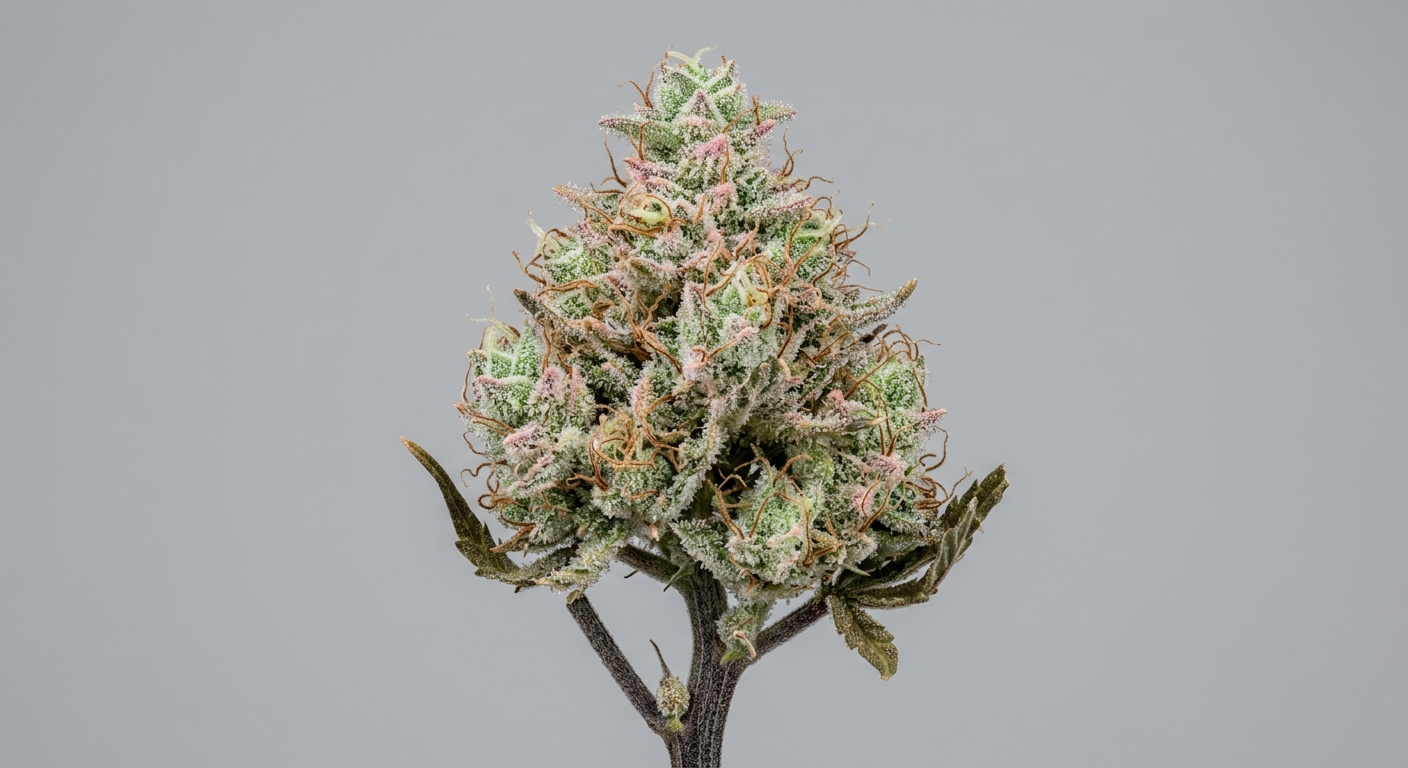
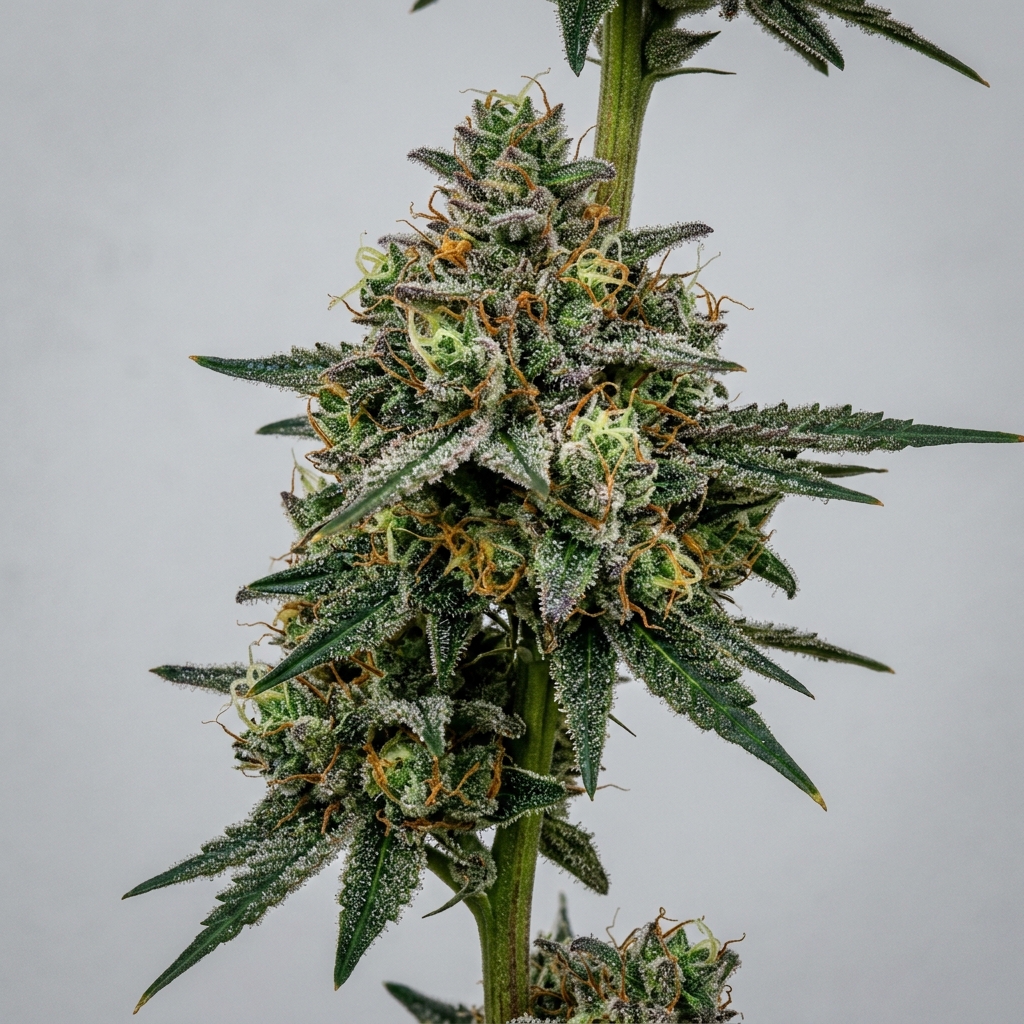
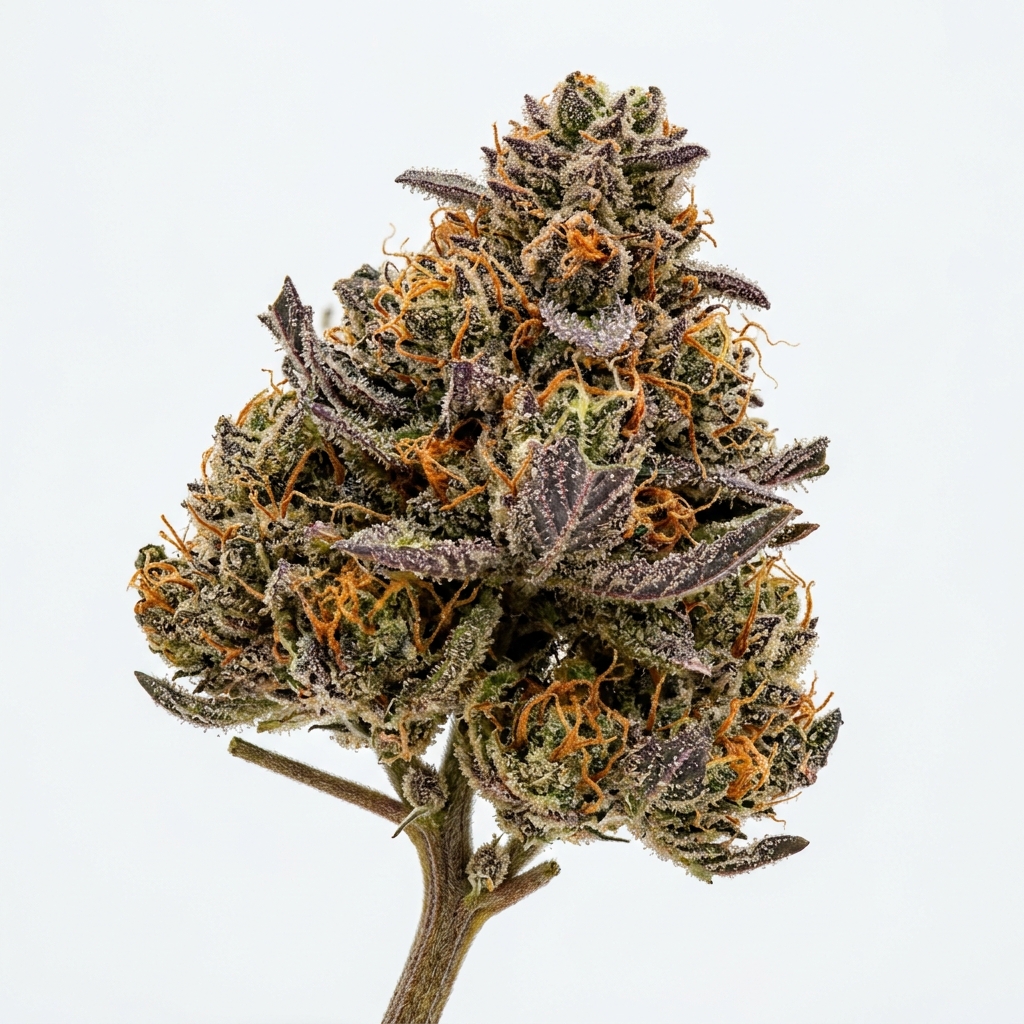
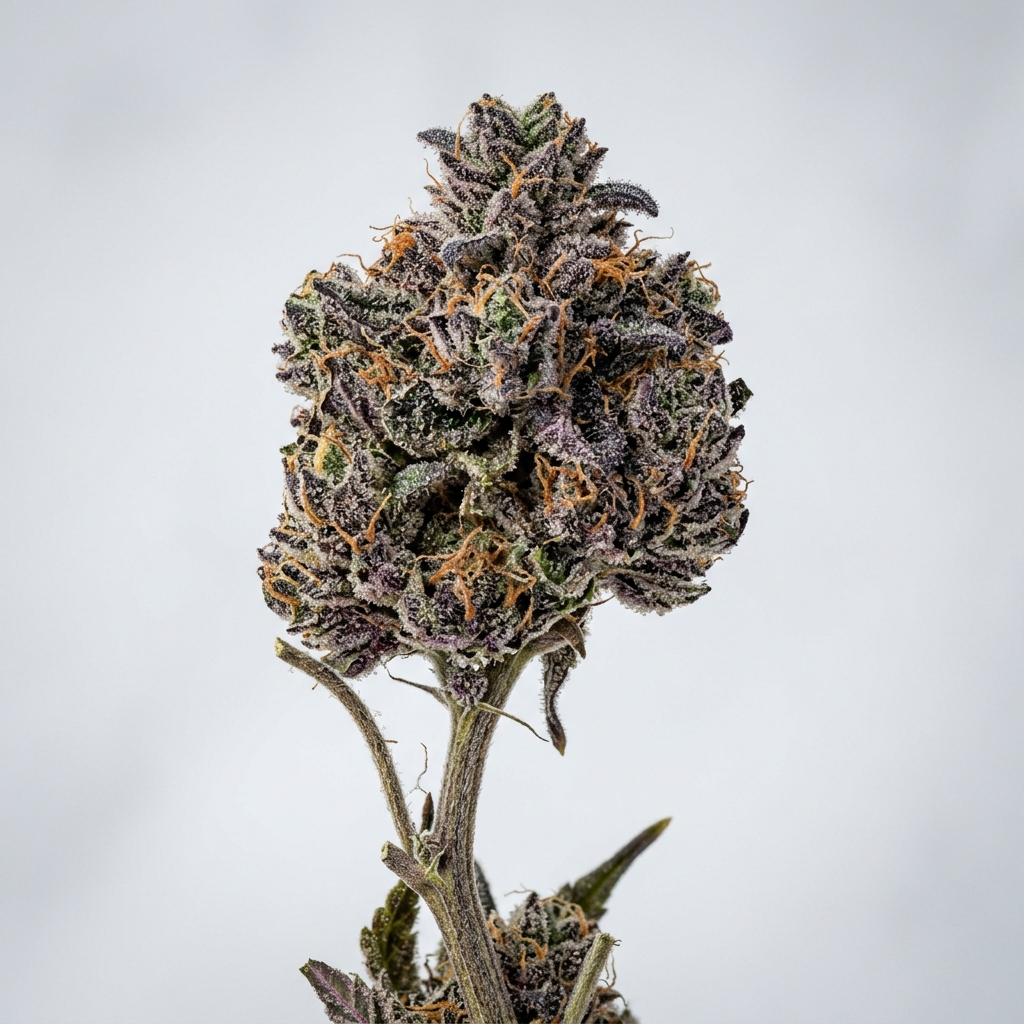
Grape Runtz is an indica-dominant hybrid cultivar, typically testing between 20% and 26% THC, created by crossing the legendary Grape Ape with the modern classic Runtz. Known for its deep purple hues, glassy buds, and a heavy coating of greasy resin, this strain delivers a distinct profile of sweet grape candy backed by a sharp, gassy finish. It shows a compact growth habit with tight internodes and thick fan leaves, making it a favorite among indoor growers seeking premium bag appeal and a deeply relaxing evening experience.
The cultivar has quickly gained traction in boutique markets due to its striking visual contrast of dark violet bracts and bright orange pistils. While its growth requires attentive humidity management during late flower, the reward is a highly aromatic yield that appeals to both flower connoisseurs and extraction artists.
Quick Facts
| Field | Details |
|---|---|
| Genetics | Grape Ape × Runtz |
| Variety | Indica-dominant Hybrid |
| THC Range | 20% – 26% |
| Flowering Time | 8 – 9 Weeks |
| Yield Potential | Moderate to High |
| Plant Height | Medium (Compact) |
| Climate Preference | Temperate, Low Humidity |
| Difficulty | Moderate |
Scientific & Botanical Overview
Botanically, Grape Runtz shows classic indica morphology, characterized by broad fan leaves, stocky stems, and a dense canopy. The internodal spacing remains tight throughout the vegetative stage, requiring proactive defoliation to maintain adequate airflow. As the plant transitions to flower, the nodes develop tightly clustered, rounded buds that swell significantly in the final weeks.
The striking purple coloration observed in Grape Runtz is driven by high concentrations of anthocyanins, water-soluble pigments that react to cooler nighttime temperatures during late bloom. This genetic trait is accompanied by a dense coverage of capitate-stalked trichomes, which produce a sticky, resin-rich layer over the deep violet bracts.
Physiologically, the plant maintains a controlled stretch, usually doubling in height during the transition phase. Its sturdy branches easily support the weight of its dense upper colas, though minor structural support is recommended to prevent stem breakage as the flowers mature and pack on resin weight.
Effects & Use-Cases (Reported)
Commonly reported effects: Users frequently describe a rapid onset of physical relaxation paired with a calm, heavy-lidded mental ease. The initial experience is often characterized by a subtle, warm pressure behind the eyes that gently spreads down the limbs, leading to a deeply soothing physical sedation.
Use-case context: Given its heavy physical profile, Grape Runtz is best suited for late evening or nighttime use. It is a popular choice for winding down after a demanding day, promoting a tranquil state ideal for quiet activities, listening to music, or preparing for sleep.
Note: Due to its elevated potency and sedative nature, novice consumers should approach this cultivar with caution to avoid over-sedation.
Aroma & Flavors
Aroma: The initial nose is dominated by a pungent blast of sweet, artificial grape candy, quickly followed by a dark berry edge and a subtle undertone of tart gas. Breaking the buds releases a deeper, earthy musk mixed with spicy herbal notes.
Flavor: On the palate, Grape Runtz delivers a rich, sugary sweetness reminiscent of grape soda, balanced by a smooth, doughy finish and a lingering hint of spicy fuel.
Terpene associations: The aromatic profile is heavily influenced by caryophyllene, limonene, and linalool, which combine to create the signature blend of sweet fruit, citrus lift, and floral spice.
Tested Cannabinoid & Terpene Ranges
| Compound | Typical Range |
|---|---|
| Δ9-THC | 20.0% – 26.0% |
| CBD | < 1.0% |
| Caryophyllene | 0.4% – 0.8% |
| Limonene | 0.3% – 0.6% |
| Linalool | 0.1% – 0.3% |
| Myrcene | 0.2% – 0.5% |
Range note: Cannabinoid and terpene profiles are highly variable and depend on specific phenotypes, environmental conditions, and cultivation techniques.
Cultivation Notes
- Humidity Control: Maintain relative humidity (RH) below 45% during the final three weeks of flowering to prevent moisture retention within the dense, resin-rich buds.
- Defoliation: Perform a thorough strip of the lower canopy and select fan leaves at day 21 of flower to optimize light penetration and airflow through the tight internodes.
- Temperature Drop: Introduce a 10–15°F temperature drop during nighttime hours in late bloom to encourage the expression of deep purple hues and cold-induced anthocyanins.
- Nutrient Regimen: The cultivar responds well to moderate feeding; avoid heavy nitrogen applications during mid-to-late flower to ensure clean burn quality and terpene clarity.
- Training: use Low-Stress Training (LST) or a Scrog (Screen of Green) setup to spread the canopy and maximize the development of uniform spear colas.
Grower Notes (Week-by-Week Snapshot)
- Weeks 1–3 (Transition & Stretch): Expect a moderate, controlled stretch. Focus on tucking fan leaves and preparing the canopy structure; apply light support trellising early.
- Weeks 4–6 (Mid-Flower & Resin Development): Flower clusters begin to stack rapidly. Wet frost starts to coat the calyxes, and the sweet grape aroma begins to emerge; keep humidity stable at 50%.
- Weeks 7–9 (Late Bloom & Ripening): Lower night temperatures to stimulate purple coloration. Monitor trichomes for amber maturation, reduce humidity to 40%, and initiate a clean water flush for the final 10 to 14 days to preserve flavor clarity.
Genetic Lineage
The lineage of Grape Runtz represents a deliberate fusion of classic West Coast genetics and modern, resin-heavy candy profiles. Its maternal parent, Grape Ape (an indica-dominant cross of Mendocino Purps, Skunk, and Afghani), contributes the deep purple coloration, dense bud structure, and unmistakable grape-forward aroma that defines the cultivar’s sensory foundation.
The paternal side is represented by Runtz (a cross of Zkittlez and Gelato #33), which injects an intense sugary sweetness, a greasy layer of trichomes, and a balanced hybrid vigor. This genetic combination successfully preserves the rich berry notes of the Grape Ape parent while enhancing the overall resin coverage and modernizing the terpene profile with a gassy, candy-like finish.
Research Insights
Analytical testing of Grape Runtz highlights a complex terpene matrix dominated by caryophyllene, a sesquiterpene capable of interacting directly with CB2 receptors, which may contribute to the cultivar’s deeply relaxing physical profile. The presence of limonene provides a subtle mood-elevating contrast, balancing the heavier, sedative aspects of the profile without inducing mental racing.
Furthermore, the interaction between the high THC content and the minor terpene linalool is of particular interest to breeders. This combination is commonly associated with a soothing, tranquilizing effect, making Grape Runtz a prime subject for studying the synergistic relationship between cannabinoids and floral, berry-associated terpenes in modern polyhybrids.
Frequently Asked Questions
Is Grape Runtz an indica or sativa?
Grape Runtz is an indica-dominant hybrid cultivar. It shows a compact growth habit, dense bud structure, and delivers a physically relaxing evening effect typical of indica-heavy varieties.
How long does Grape Runtz take to flower?
When grown indoors, Grape Runtz typically requires 8 to 9 weeks of flowering to reach peak maturity and optimal resin production.
What does Grape Runtz smell like?
The cultivar features a dominant sweet grape candy aroma, backed by notes of ripe berries, earthy musk, and a sharp, gassy finish on the breakdown.
Does Grape Runtz turn purple?
Yes. Due to its Grape Ape heritage, this strain is highly prone to developing deep purple hues, which can be enhanced by dropping nighttime temperatures during the final weeks of flower.
Educational Disclaimer
This content is intended strictly for educational and informational purposes. Cultivation and consumption of cannabis are subject to varying local, state, and federal laws.
Rate and review this strain
Ratings and reviews are accepted only from signed-in Google accounts.
Sign in with Google to leave a rating and written review.
Latest Reviews
0 reviewsNo reviews yet. Be the first Google user to rate and review this strain.