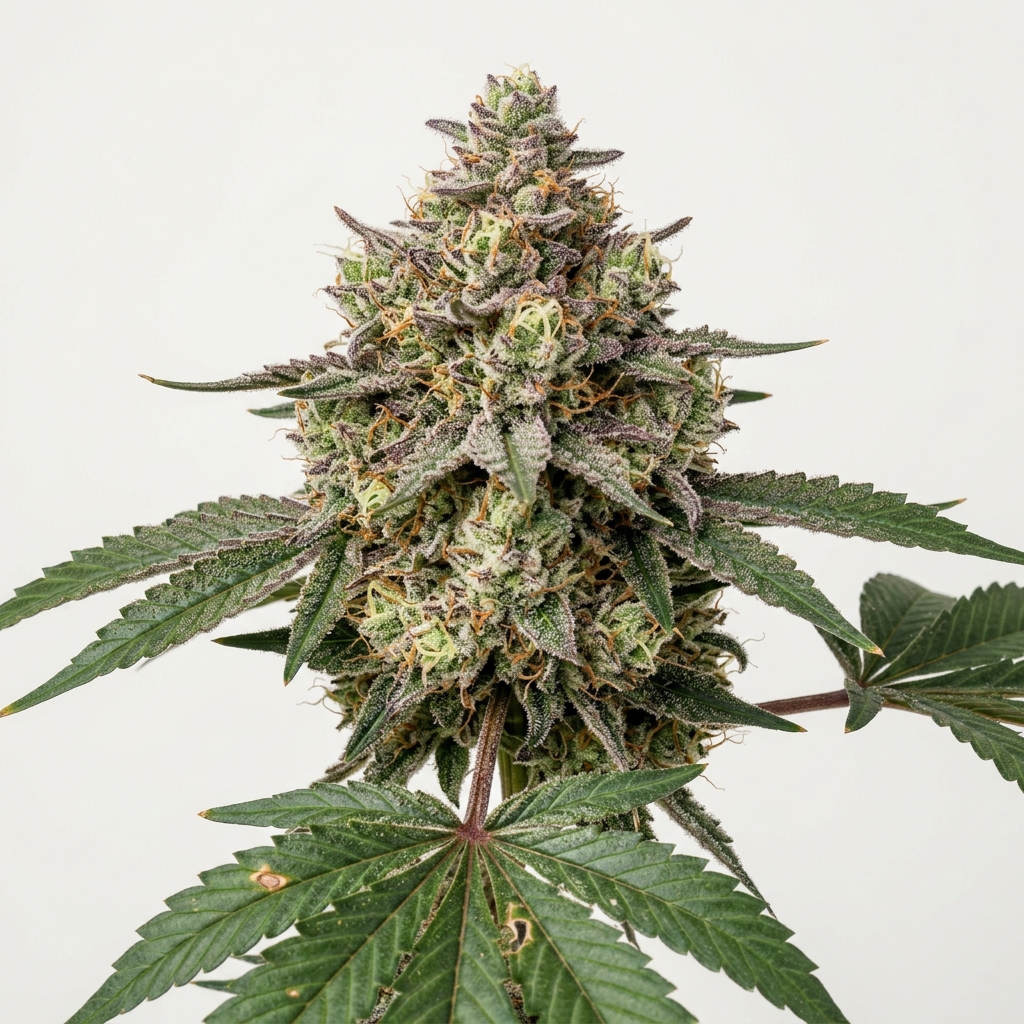
Coconut Horchata (Cannabis Strain)
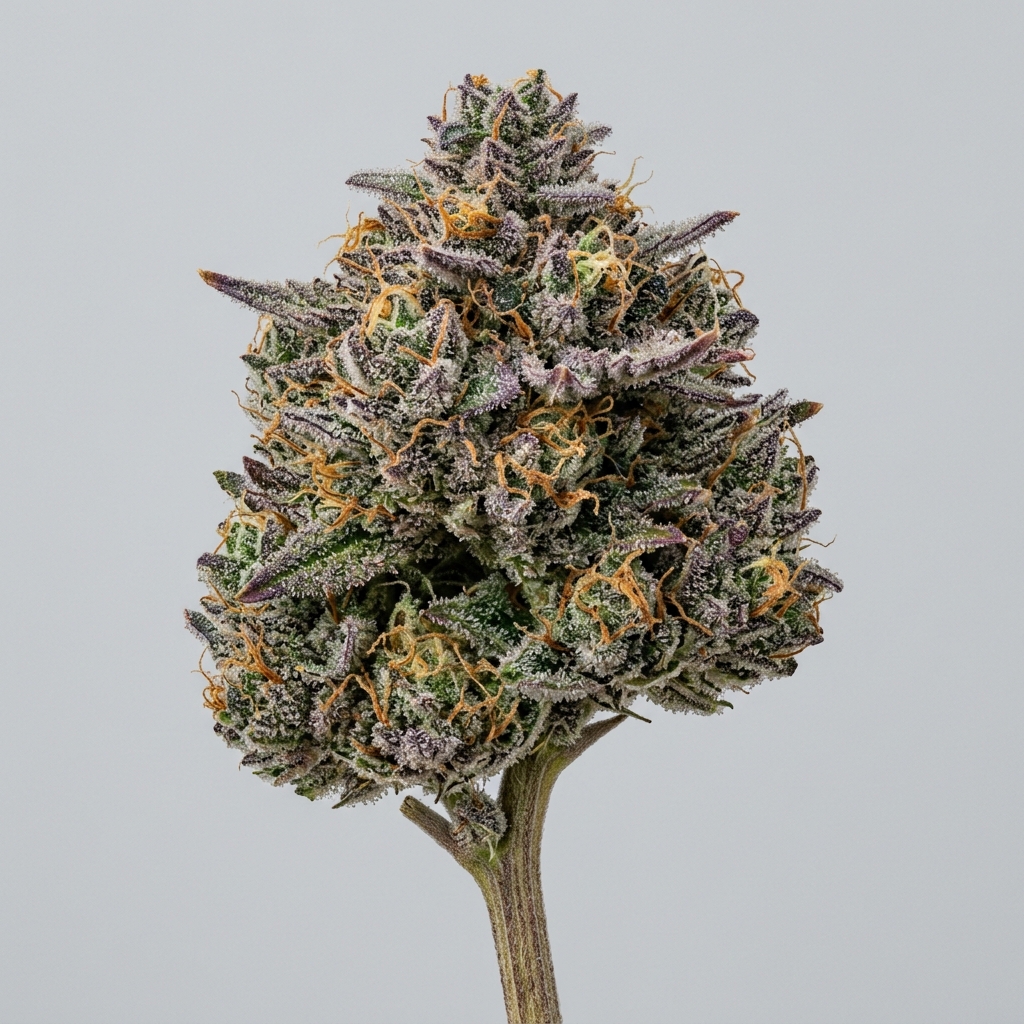
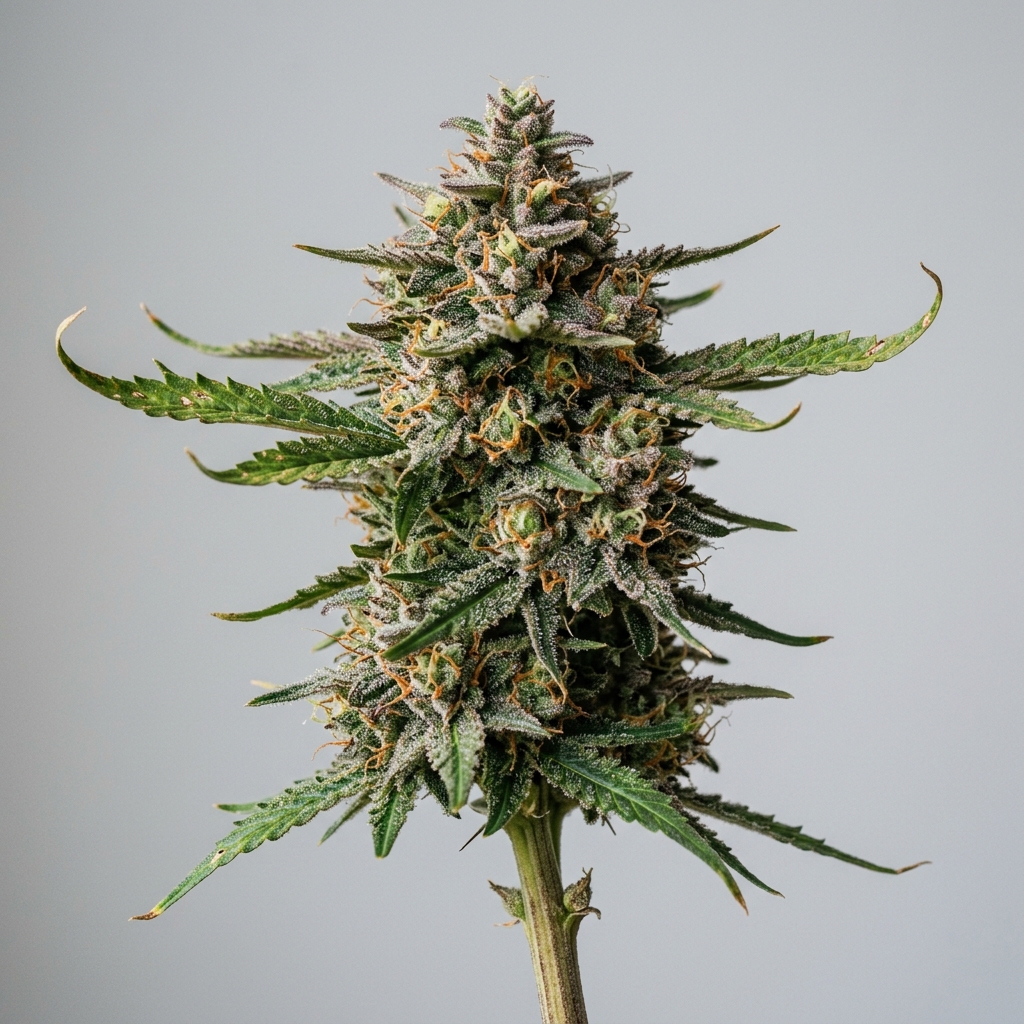
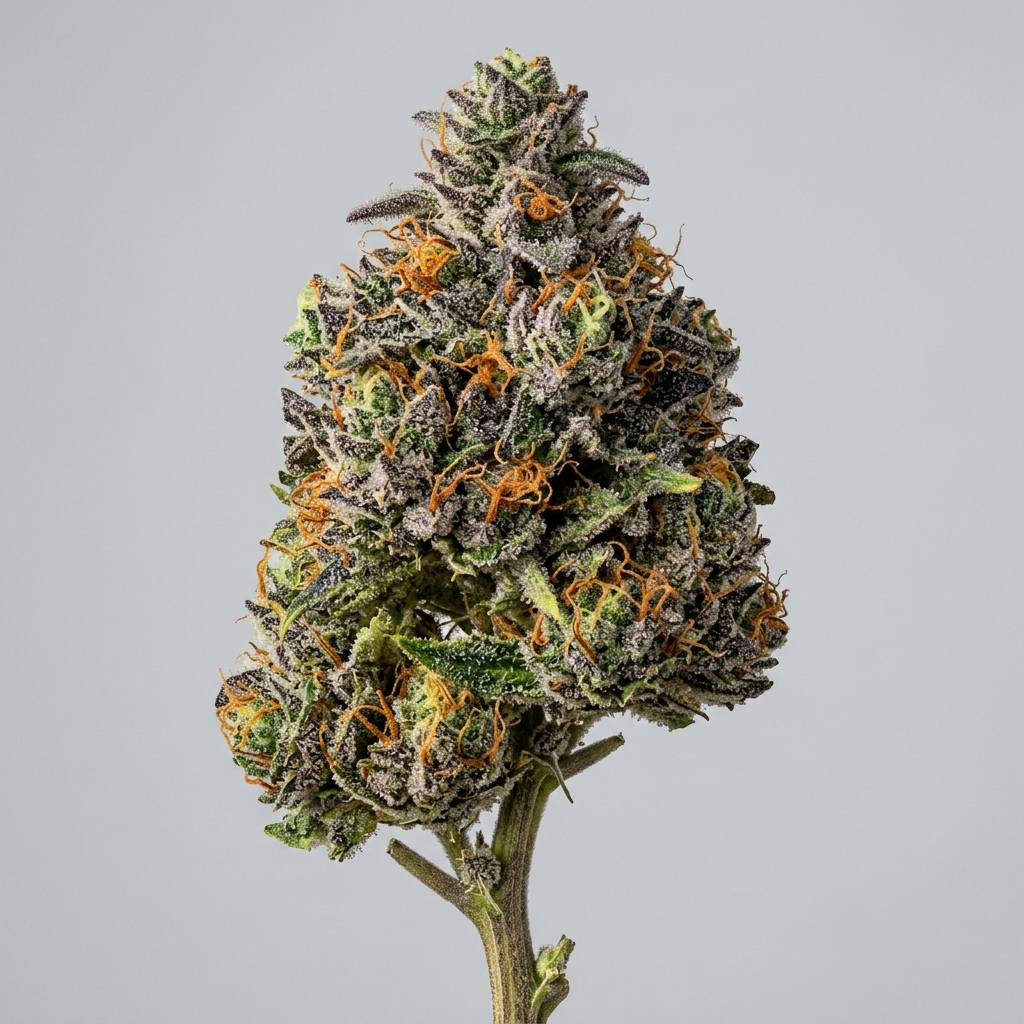
Coconut Horchata is a premium balanced hybrid crossing Coconut Kush and Horchata, delivering a potent cannabinoid profile that typically tests between 22% and 28% THC. This cultivar is highly regarded for its rich, creamy coconut and spiced vanilla aroma, paired with exceptional resin production that covers the dense, purple-tinged flowers in a layer of wet frost. In the garden, it shows a moderate, highly manageable stretch and develops sturdy lateral branches that support heavy, resin-rich spear colas.
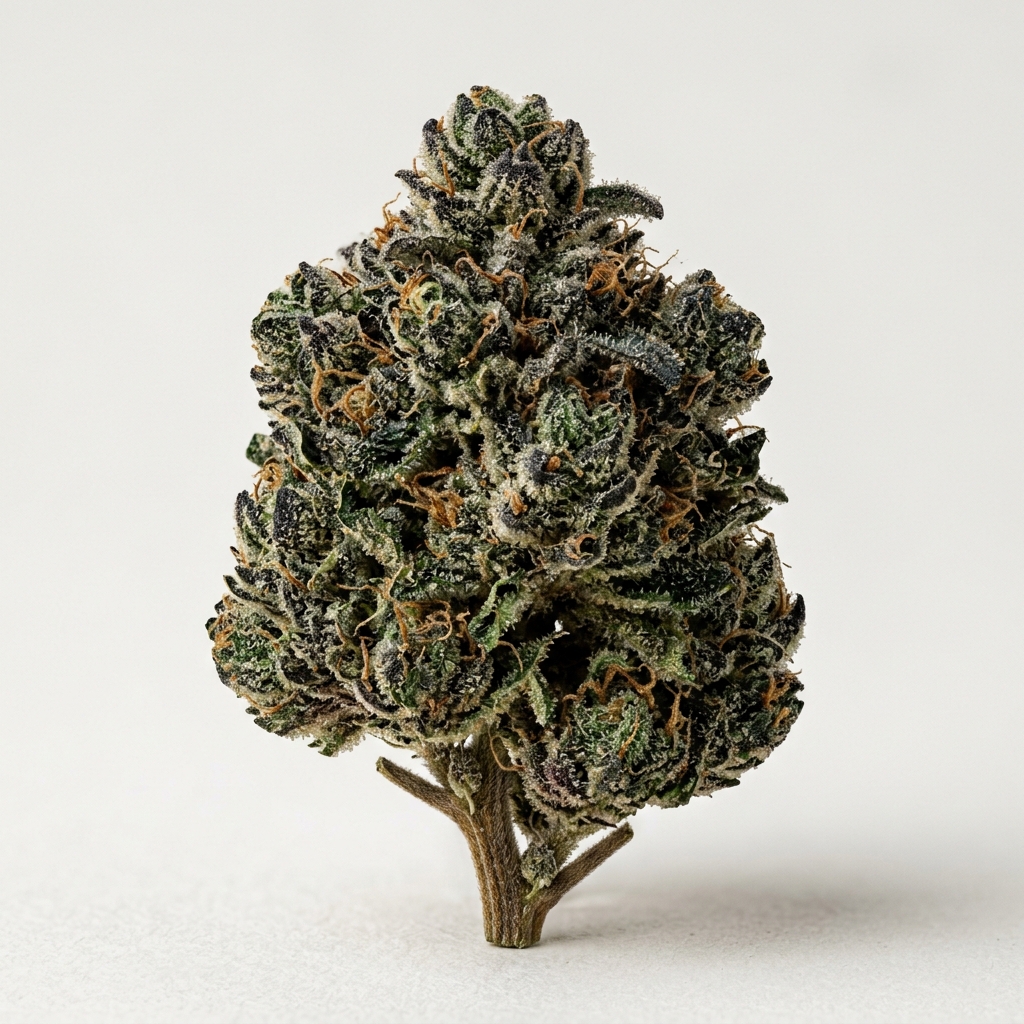
Cultivators and extraction artists favor this strain for its high-yielding trichome density and distinct terpene clarity. The finished buds dry into tight, glassy clusters that preserve their complex dessert profile through a slow cure.
Quick Facts
| Fact | Details |
|---|---|
| Genetics | Coconut Kush × Horchata |
| Variety | Balanced Hybrid |
| THC Range | 22% – 28% |
| Flowering Time | 8 – 9 Weeks |
| Yield Potential | Moderate to High |
| Plant Height | Medium |
| Climate Preference | Temperate, low late-flower humidity |
| Difficulty | Moderate |
Scientific & Botanical Overview
Coconut Horchata displays a classic hybrid morphology, characterized by broad fan leaves and tight internodal spacing. The plants develop a robust lateral structure during the vegetative phase, which helps support the weight of the developing colas without excessive staking.
During the generative stage, the bracts swell significantly, forming dense, compact clusters. Anthocyanin accumulation is common in cooler night temperatures, turning the upper leaves and calyxes deep shades of plum and violet beneath a heavy coat of greasy resin.
The cultivar shows a highly efficient nutrient uptake, particularly during the transition to bloom. Its thick stems and strong vascular system facilitate rapid water and mineral transport, supporting dense flower development and high terpene synthesis.
Effects & Use-Cases (Reported)
Commonly reported effects: Users frequently describe a smooth, creeping physical relaxation coupled with a calm, clear mental lift. The initial onset is gentle, gradually settling into a heavy body sensation that does not immediately induce sleep, making it highly versatile.
Use-case context: This strain is well-suited for late afternoon or evening consumption, helping transition from active hours to rest. It is often selected by those looking to ease physical tension or unwind after a demanding day without experiencing heavy sedation.
Note: Individual experiences may vary based on tolerance, dosage, and specific phenotype chemistry.
Aroma & Flavors
Aroma: The olfactory profile is dominated by a rich, sweet creaminess reminiscent of toasted coconut and warm vanilla, accented by a subtle undertone of cinnamon and earth.
Flavor: On the exhale, the smoke or vapor leaves a distinct flavor of spiced rice milk, sweet nuttiness, and a clean, slightly herbal mint finish.
Terpene associations: The primary terpenes driving this unique profile are beta-caryophyllene, limonene, and myrcene, which work together to create the signature warm spice and sweet citrus notes.
Tested Cannabinoid & Terpene Ranges
| Compound | Tested Range |
|---|---|
| Δ9-THC | 22.0% – 28.0% |
| CBD | < 1.0% |
| CBG | 0.5% – 1.5% |
| Beta-Caryophyllene | 0.4% – 0.8% |
| Limonene | 0.3% – 0.6% |
| Myrcene | 0.2% – 0.5% |
Note: Cannabinoid and terpene levels are highly dependent on cultivation practices, curing methods, and environmental factors.
Cultivation Notes
- Humidity management: Keep relative humidity below 45% during the final three weeks of flowering to prevent moisture retention in the dense, resinous colas.
- Nutrient regimen: This cultivar responds well to a moderate feeding schedule, showing a preference for higher phosphorus and potassium levels during mid-bloom.
- Training techniques: Implement early topping and low-stress training (LST) to encourage an even canopy and maximize light penetration to lower bud sites.
- Harvest timing: Monitor trichome maturity closely; harvest when the resin heads transition from milky white to a light amber hue for optimal terpene preservation.
- Phenotype variation: Some phenotypes exhibit a more pronounced stretch and greener coloration, while others remain squat with intense purple expressions.
Grower Notes (Week-by-Week Snapshot)
- Weeks 1–3 (Transition & Stretch): Plants show a moderate stretch, typically doubling in size. Apply light defoliation to clear inner node sites and improve airflow before the canopy closes.
- Weeks 4–6 (Flower Development): Calyxes begin to swell rapidly, and early resin production coats the developing buds. Maintain stable daytime temperatures around 74°F (23°C) to support healthy flower stacking.
- Weeks 7–9 (Ripening & Flush): Lower night temperatures by 10°F to encourage the expression of dark purple hues. Flush the root zone with plain water during the final 10 to 14 days to ensure clean-burning flowers.
- Post-Harvest (Dry & Cure): Hang-dry the whole plant at 60°F (15°C) and 60% relative humidity for 12 to 14 days, followed by a minimum three-week jar cure to unlock the full cream and spice profile.
Genetic Lineage
Coconut Kush, the maternal parent, contributes a heavy, earthy sweetness and a robust physical structure. This parent strain is known for its resin-drenched flowers and distinct tropical undertones, establishing the structural foundation and resin density of the offspring.
Horchata, a celebrated cross of Mochi Gelato and Jet Fuel Gelato, lends its signature spiced creaminess and balanced, uplifting effects. This parental influence refines the bud structure, adding complex dessert-like notes and enhancing the visual appeal with deep purple colorations.
Research Insights
The unique aroma of Coconut Horchata is of particular interest to breeders studying the interaction of beta-caryophyllene and limonene in dessert-leaning cultivars. When combined with minor volatile compounds, these terpenes produce a creamy, dairy-like sensory profile that is relatively rare in traditional gas-dominant lines.
Additionally, the cultivar’s high concentration of resin glands makes it a valuable subject for extraction research. The physical stability of its trichome heads during mechanical separation allows for high-yield solventless extractions, preserving a rich terpene profile in the final concentrate.
Frequently Asked Questions
Is Coconut Horchata an indica or sativa?
Coconut Horchata is a balanced hybrid strain, displaying a mix of indica and sativa physical traits and effects.
What does Coconut Horchata smell like?
It has a distinct aroma of sweet cream, toasted coconut, and spiced vanilla, with subtle hints of earth and cinnamon.
How long does Coconut Horchata take to flower?
This strain typically completes its flowering cycle in 8 to 9 weeks when grown indoors.
Is Coconut Horchata easy to grow?
It is considered moderately difficult to grow, requiring attention to late-flower humidity and canopy management to achieve optimal yields.
Educational Disclaimer
This content is for educational and informational purposes only. Cannabis laws and regulations vary by jurisdiction. Consult with a qualified professional before undertaking cultivation or consumption.
Rate and review this strain
Ratings and reviews are accepted only from signed-in Google accounts.
Sign in with Google to leave a rating and written review.
Latest Reviews
0 reviewsNo reviews yet. Be the first Google user to rate and review this strain.