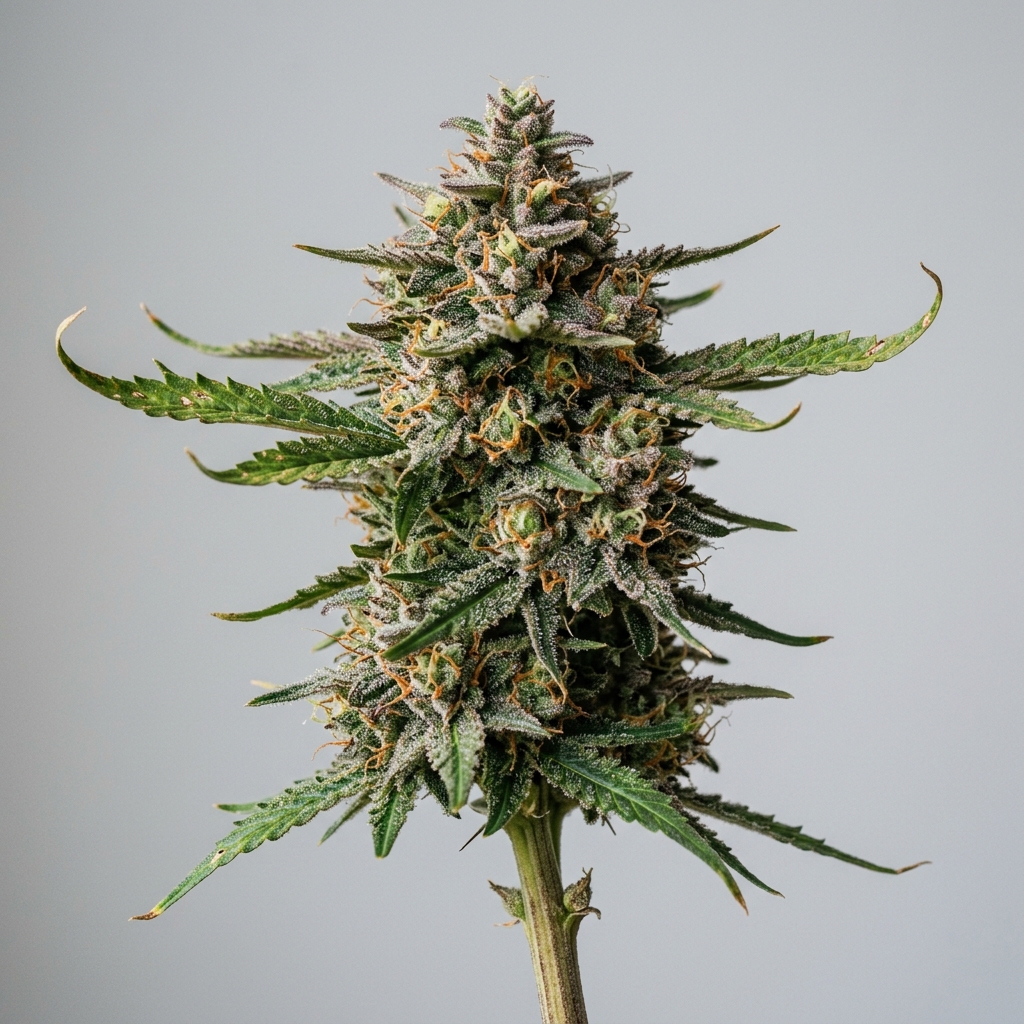
Mac and Jack (Cannabis Strain)
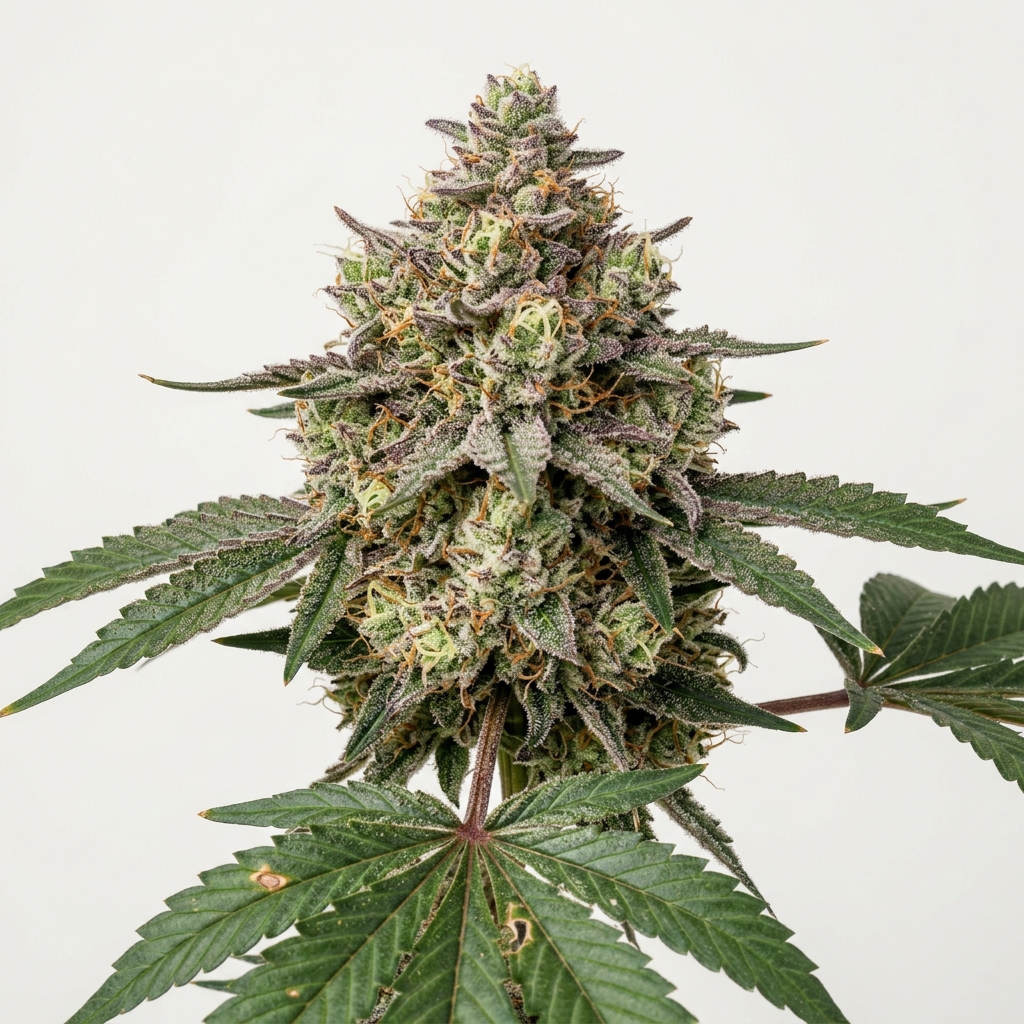
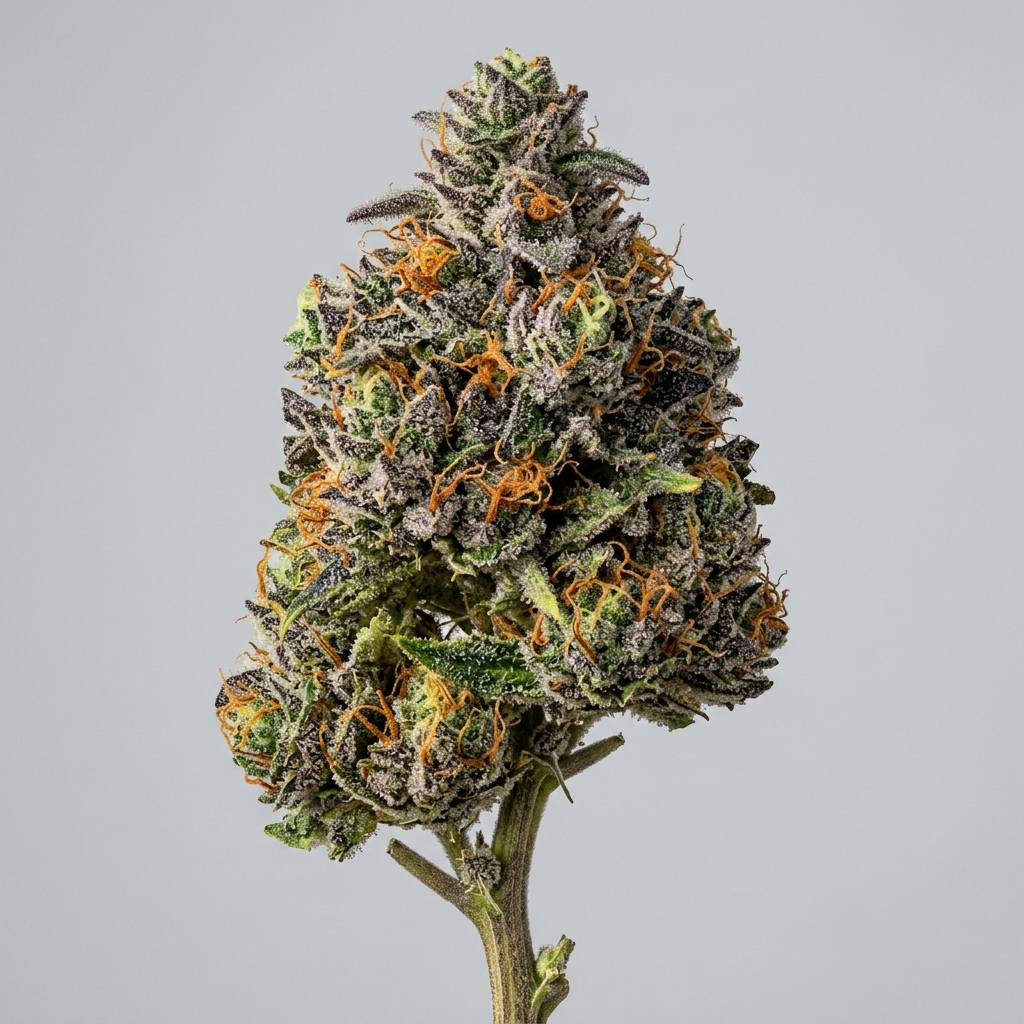
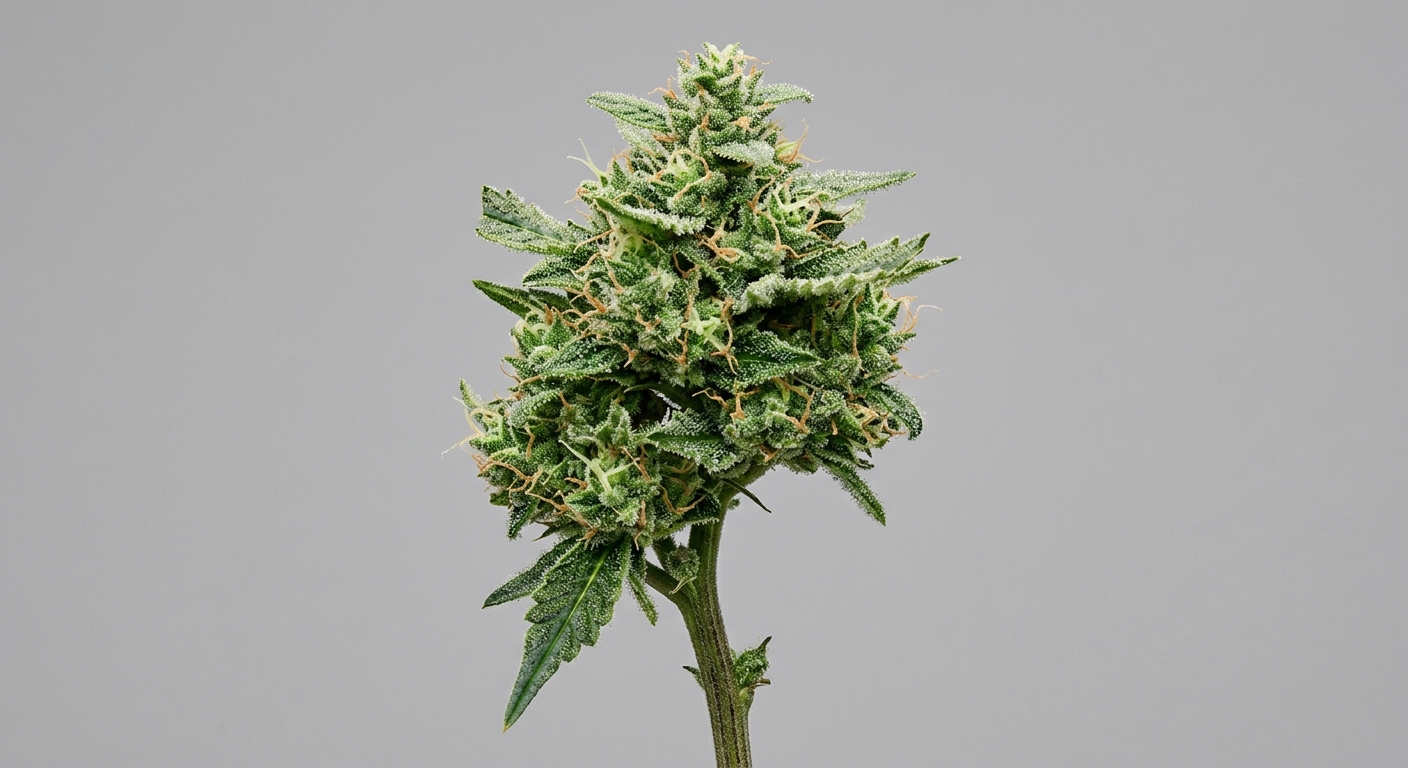
Mac and Jack is a high-potency, sativa-dominant hybrid typically testing between 25% and 31% THC, created by crossing the legendary clone-only MAC1 (Miracle Alien Cookies) with the classic sativa Jack Herer. This cultivar combines the heavy, wet frost and dense bract structure of its MAC parentage with the sharp citrus lift and energetic clarity of Jack Herer. Known for its greasy resin production and spear colas, it shows a vigorous, upright growth habit that demands careful canopy management but rewards growers with extraction-grade flowers. The aromatic profile leans heavily into tart gas, spicy pine, and bright orange peel, making it a standout choice for daytime consumption and concentrate production.
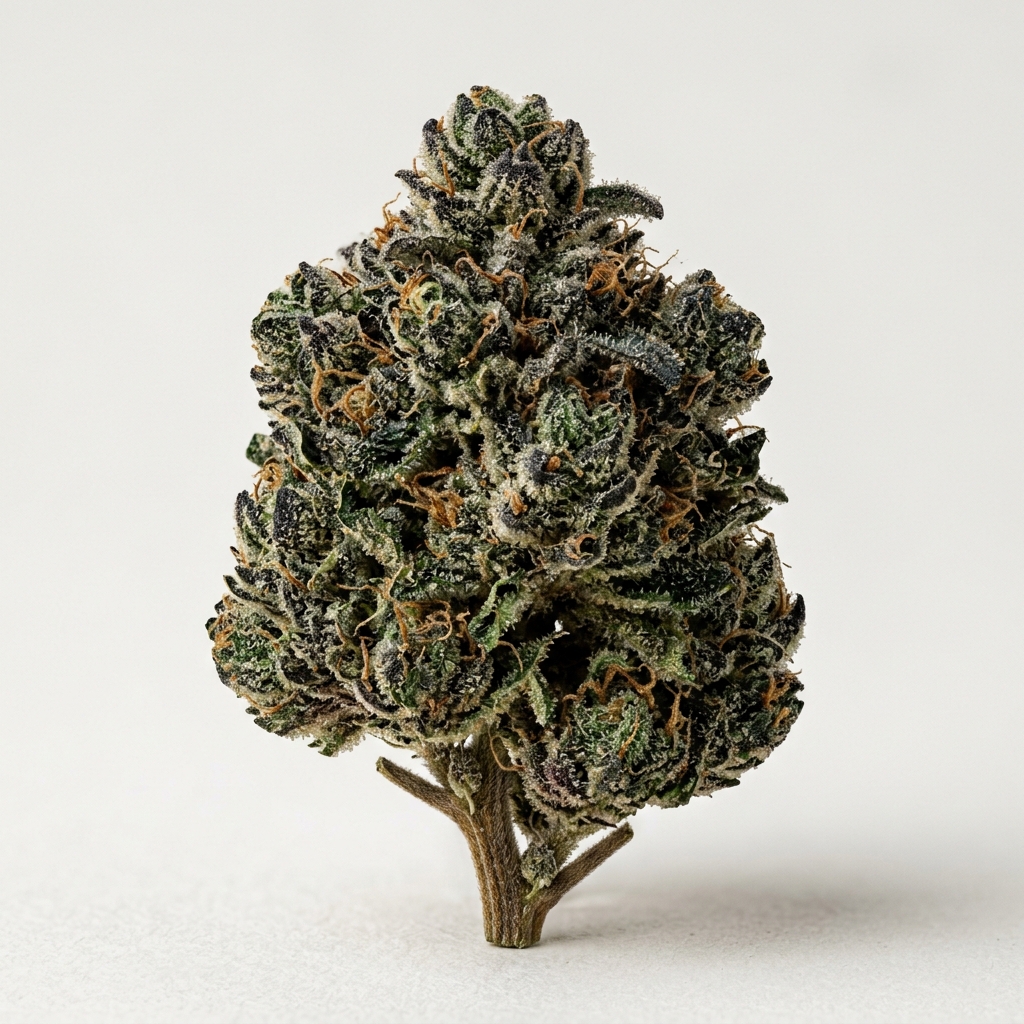
The cultivar has quickly gained traction among cultivators seeking to combine old-school sativa performance with contemporary bag appeal. While many sativa-leaning hybrids suffer from loose bud structure, this cross maintains tight internodes and thick, resin-rich flowers that dry to a glassy finish. It is a demanding but highly rewarding plant that thrives under the care of experienced growers.
Quick Facts
| Attribute | Details |
|---|---|
| Genetics | MAC1 × Jack Herer |
| Variety | Sativa-dominant Hybrid |
| THC Range | 25% – 31% |
| Flowering Time | 9 – 10 Weeks |
| Yield Potential | Moderate to High |
| Plant Height | Tall (Significant stretch) |
| Climate Preference | Temperate, low late-flower humidity |
| Difficulty | Moderate to Advanced |
Scientific & Botanical Overview
Morphologically, Mac and Jack showcases a striking blend of its ancestral lines, exhibiting the massive fan leaves of MAC1 alongside the elongated, branching frame typical of Jack Herer. The plant tends to stretch significantly during the transition to flower, requiring early training to manage vertical space. Its nodal spacing is moderately tight, allowing for the formation of long, continuous spear colas rather than isolated popcorn buds.
The trichome development on this cultivar is exceptionally dense, starting early in the third week of bloom and eventually covering even the larger fan leaves. The resin is highly viscous and greasy to the touch, indicating a high concentration of monoterpenes that persist through the curing process. Under cooler night temperatures late in the flowering cycle, some phenotypes will display deep purple hues beneath a thick blanket of silver frost.
The calyx-to-leaf ratio is highly favorable, simplifying the trimming process and preserving the structural integrity of the dried flower. Stems are generally sturdy, but the sheer weight of the resin-rich flowers in the final weeks of bloom typically necessitates external support. Cultivators should monitor airflow closely, as the dense bract structure can trap moisture in humid environments.
Effects & Use-Cases (Reported)
Commonly reported effects: Users frequently describe an immediate, cerebral lift characterized by heightened focus, creative energy, and a clean sensory clarity. This initial wave of sativa-driven stimulation gradually settles into a functional, warm physical relaxation that does not induce heavy sedation.
Use-case context: Well-suited for daytime activities, artistic projects, and social gatherings where mental acuity is desired. Its motivating qualities make it a popular choice for morning or afternoon sessions, while the underlying MAC1 genetics help ground the experience, preventing the nervous edge sometimes associated with pure sativas.
Note: Due to its high cannabinoid concentration, novice consumers should approach this cultivar with caution to avoid overstimulation.
Aroma & Flavors
Aroma: The initial jar opening releases a sharp citrus lift dominated by sour lemon and sweet orange peel, backed by a pungent layer of tart gas and wet earth. Breaking the buds apart intensifies the herbal complexity, releasing notes of fresh pine, cracked black pepper, and a subtle floral sweetness.
Flavor: On the palate, the smoke is thick and expansive, delivering a dominant flavor of zesty lemon-lime and spicy pine. The exhale leaves a clean, lingering mint finish mixed with a savory, earthy kush base.
Terpene associations: Terpinolene, Limonene, and Beta-Caryophyllene are typically reported as the dominant terpenes in this profile.
Tested Cannabinoid & Terpene Ranges
| Compound | Tested Range (Phenotype-Dependent) |
|---|---|
| Δ9-THC | 24.0% – 31.0% |
| CBG | 0.5% – 1.5% |
| Terpinolene | 0.8% – 1.5% |
| Limonene | 0.4% – 0.9% |
| Beta-Caryophyllene | 0.3% – 0.7% |
| Myrcene | 0.2% – 0.5% |
Note: Cannabinoid and terpene levels are highly variable and depend heavily on cultivation practices, curing methods, and specific phenotype selection.
Cultivation Notes
- Humidity: Keep relative humidity under 45% during the final three weeks of flower to prevent botrytis in the dense, resin-choked colas.
- Nutrition: Responds well to a moderate nutrient regimen; avoid over-feeding nitrogen during early bloom to prevent excessive stretching.
- Training: High-stress training (HST) and topping are highly recommended during the vegetative stage to create a flat, multi-topped canopy.
- Harvest: Harvest when trichomes are mostly milky with about 10% amber to preserve the uplifting terpene profile and energetic high.
- Phenotype management: Look for phenotypes that exhibit the structure of Jack Herer but the greasy, dense resin coverage of MAC1.
Grower Notes (Week-by-Week Snapshot)
- Weeks 1–3: Expect a rapid and pronounced stretch of up to 150% after flipping to a 12/12 light cycle. Tuck branches under trellis netting daily and perform a thorough defoliation of the lower third of the canopy just before week three.
- Weeks 4–6: Flower development accelerates with the appearance of glassy buds along the main branches. Trichome production begins early on the sugar leaves, and the first hints of the sharp citrus and pine aroma start to fill the room.
- Weeks 7–10: Colas swell significantly, and the calyxes become swollen and heavily frosted. Monitor support systems to ensure branches do not snap under the weight of the resin-rich flowers, and lower temperatures to stimulate potential purple coloration.
- Post-Harvest: A slow dry at 60°F (15°C) and 60% relative humidity for 14 days is critical to preserving the volatile terpinolene and limonene fractions.
Genetic Lineage
The maternal parent, MAC1 (Miracle Alien Cookies), is an elite clone-only cut bred by Capulator, famous for its unmatched resin density, doughy citrus aroma, and rigid bud structure. By introducing MAC1 to the lineage, breeders infused the cross with a heavy layer of wet frost and a robust physical backbone that tames the wilder growth habits of traditional sativas.
The paternal influence comes from Jack Herer, a timeless sativa-dominant classic named after the legendary cannabis activist. Jack Herer contributes its signature cerebral stimulation, pine-forward terpene profile, and vigorous lateral branching, resulting in a hybrid that performs with modern bag appeal while retaining old-school soul.
Research Insights
Analytical testing of Mac and Jack reveals a unique chemical fingerprint dominated by the monoterpene terpinolene, a compound relatively rare in modern commercial hybrids but characteristic of classic Jack Herer lines. This high terpinolene concentration, when combined with significant levels of limonene and beta-caryophyllene, appears to modulate the high THC content, promoting an active, clear-headed experience rather than physical lethargy.
Breeders and researchers note that the cross displays a high degree of phenotypic stability regarding trichome head size and stalk durability. This makes the cultivar particularly valuable for solventless extraction, as the glassy, resin-rich trichomes easily separate during the ice water wash process, yielding high returns of terpene-rich hash.
Frequently Asked Questions
Is Mac and Jack a sativa or indica?
Mac and Jack is a sativa-dominant hybrid, typically exhibiting a 60% sativa to 40% indica ratio, combining the physical density of MAC1 with the uplifting growth and effects of Jack Herer.
How long does Mac and Jack take to flower?
This cultivar generally requires 9 to 10 weeks of flowering to reach peak maturity, though some phenotypes may be ready for harvest slightly earlier depending on environmental conditions.
Does Mac and Jack stretch a lot during flower?
Yes, the Jack Herer lineage introduces a significant stretch during the first three weeks of bloom, often doubling or tripling in height, which requires proactive canopy training.
What does Mac and Jack smell like?
It features a pungent, complex aroma of sharp citrus, sweet orange peel, and tart gas, balanced by deep undertones of fresh pine and earthy spices.
Educational Disclaimer
This article is for educational and informational purposes only. Cannabis laws vary by jurisdiction, and cultivation should only be conducted where legally permitted. Always consult local regulations before germinating or growing cannabis seeds.
Rate and review this strain
Ratings and reviews are accepted only from signed-in Google accounts.
Sign in with Google to leave a rating and written review.
Latest Reviews
0 reviewsNo reviews yet. Be the first Google user to rate and review this strain.